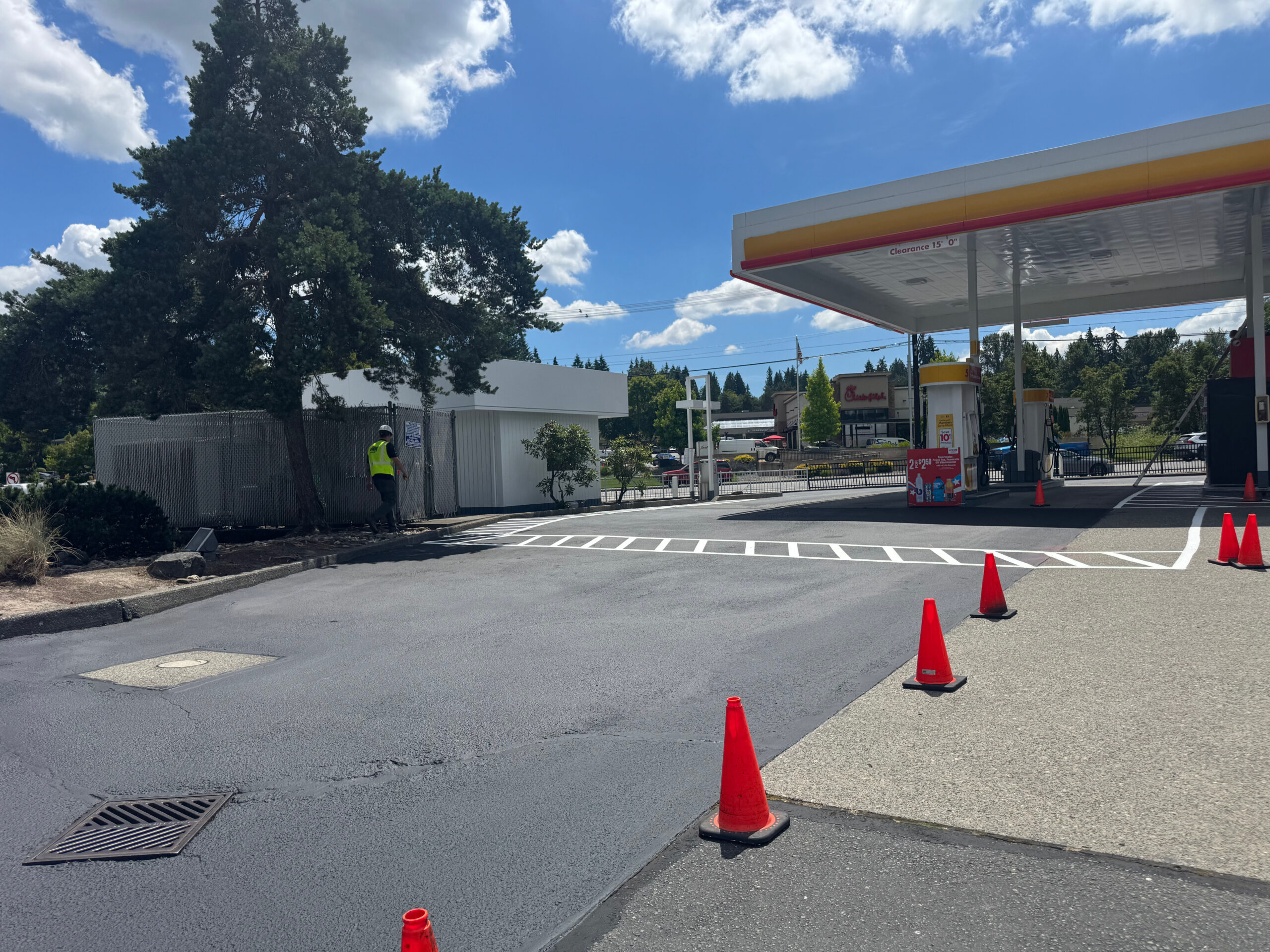
Facility asset management transforms how organizations protect and extract value from their physical infrastructure. Most corporate maintenance functions respond to breakdowns or compliance needs. That reactive approach treats symptoms instead of underlying asset conditions. True asset management positions maintenance as a strategic investment area that preserves value and reduces capital costs over time.
Buildings and their systems represent some of the largest internal investments an organization holds. Roofs, chillers, boilers, generators, electrical distribution, fire safety systems, plumbing networks, elevator systems, and structural components carry replacement costs that run into millions. Every year facilities operate without planned care, those costs move closer to realization. Capital budgets become strained by premature asset failures and unnecessary replacements.
This article presents operational strategies that extend asset lifecycle, reduce total cost of ownership, and help justify budget decisions using data. Audience is operations and facilities leadership who must align maintenance programs with financial planning.
Facility Asset Management Defined
Facility asset management is the coordinated practice of maintaining and operating building systems and components to deliver reliable performance throughout their expected lifecycle. It includes asset identification, condition tracking, preventive and predictive maintenance planning, cost reporting, risk assessment, and long‑term capital forecasting.
Reactive repairs address failures after they occur. Those activities are necessary but fail to address causation. Maintenance becomes a cost reactive to failure, not a function that protects asset value. Well structured asset management reverses that dynamic. It identifies issues before failure, allocates resources against critical assets, measures performance trends, and uses data to influence budgeting.
Organizations with mature asset management programs report lower maintenance costs, fewer emergency calls, longer useful life for equipment, improved energy performance, and greater predictability in capital planning.
Reactive Repairs Versus Preventive Maintenance
Reactive repair culture has immediate appeal because it requires no planning. A piece of equipment breaks then gets fixed. Situations that require rapid repairs will always occur, but the majority of costly failures come from avoidable wear and tear.
Reactive repairs generate several hidden costs:
- Premium labor costs when technicians are called out after hours.
- Expedited parts orders that raise procurement expenses.
- Business interruptions that affect operations, tenants, revenue, or patient care.
- Safety exposure when equipment fails unexpectedly.
- Loss of warranty coverage when preventive steps were neglected.
Reactive maintenance rarely produces records that help forecast future needs. It leaves facilities leadership reliant on anecdote, guesswork, or arbitrary budgeting assumptions.
Preventive maintenance is structured service conducted at scheduled intervals to maintain asset integrity. It includes inspections, lubrication, filter replacements, calibration, cleaning, functional testing, and verification against manufacturer recommendations. Preventive routines are documented and repeatable.
Preventive maintenance delivers measurable outcomes:
- Reduced unplanned downtime by identifying wear before failure.
- Lower labor costs because maintenance work is scheduled, not rushed.
- Longer asset useful life as components operate within design parameters.
- Better energy performance due to optimized systems.
- Stronger compliance with safety and regulatory requirements.
Quantifying these outcomes shows clear value. A heating, ventilation, and air conditioning (HVAC) unit receiving regular preventive care can maintain efficiency and avoid compressor failures that might otherwise require early replacement. A similar pattern appears across assets from fire pumps to roof membranes.
Using Facility Maintenance Management Software to Drive Decisions
Data is a core enabler of modern facility asset management. Facility Maintenance Management Software (FMMS) collects and organizes asset data in ways that drive informed decisions rather than intuition. Software does more than replace spreadsheets. It connects work orders, asset history, inspection logs, cost data, parts inventories, preventive schedules, and performance trends into an accessible platform.

Systems widely used in industry provide several functions:
- Centralized asset registry with maintenance history.
- Automated preventive maintenance schedules based on time, usage, or condition triggers.
- Work order tracking with timestamps, cost capture, labor hours, and parts used.
- Integration with building automation systems (BAS) for real time condition data.
- Dashboards that show performance metrics, cost summaries, and compliance status.
- Forecasting modules that project when assets will reach the end of useful life.
Data organized this way becomes evidence rather than opinion. Facility leadership can compare actual maintenance costs against replacement costs, evaluate trends of failure rates, justify capital requests, and optimize maintenance resource allocation.
Example use case: An operations director evaluating multiple rooftop units can use software reports to compare cost per year of maintaining older units versus projected cost of replacement with new high efficiency units. The comparison includes energy savings projections, maintenance labor reduction, and anticipated lifecycle. Those numbers support budget conversations with finance teams.
Establishing an Asset Inventory and Condition Baseline
Effective asset management begins with knowing what assets exist and their current condition. Many organizations struggle because asset information resides in drawings, siloed spreadsheets, or in the heads of individual technicians.
A structured approach captures:
- Asset identification with unique tags.
- Manufacturer details, model numbers, installation date.
- Estimated useful life and replacement cost.
- Current condition rating based on inspection.
Condition assessment uses structured criteria such as age, wear indicators, performance history, and visual inspection results. Standardized rating scales convert subjective impressions into comparable scores across facilities.
Once baselined, condition data supports prioritization. Assets with low condition scores and high mission criticality appear first on maintenance plans. Assets near useful life but high maintenance cost become candidates for replacement planning.
Building and Implementing Preventive Maintenance Checklists
Preventive maintenance checklists serve as the operational execution of asset preservation strategies. Checklists ensure tasks are consistent, complete, and documented. Each asset class should have tailored checklists based on manufacturer recommendations, industry best practices, and historical performance data.
Checklist elements often include:
- Safety inspections.
- Cleaning and debris removal.
- Lubrication of moving parts.
- Filter replacements.
- Calibration of controls.
- Testing of safety interlocks and alarms.
Digitized checklists embedded in FMMS ensure technicians follow the sequence of tasks and record results. Failure to complete items or findings outside expected parameters trigger follow up actions.
Tracking checklist completion improves accountability and reveals patterns. If multiple units on the same schedule show similar wear patterns, the preventive program itself can be optimized.
Tracking Costs at the Asset Level
Aggregating maintenance costs at the asset level clarifies total cost of ownership. Costs captured include:
- Direct labor hours and rates.
- Parts and material costs.
- External service vendor charges.
- Downtime impacts where quantifiable.
Cost per year per asset becomes an important metric. When cost curves show rising maintenance expenses relative to the asset replacement value, leadership can plan accordingly. This empirical approach prevents situations where urgent replacements appear without justification.
Cost tracking also informs life cycle cost comparison between equipment choices. Two different makes or models of equipment might have similar upfront prices but divergent maintenance demands. Historic data supports selecting options with lower long term cost.
Monitoring Asset Performance and Condition
Real time monitoring through system integration or condition sensors adds valuable insight. Variables such as temperature, vibration, run time hours, energy draw, fluid pressure, or cycle counts can signal deterioration before the human eye detects it.
Alarm thresholds and condition triggers built into FMMS or BAS platforms notify facilities teams when performance deviates from expected norms. Automated alerts lead to corrective actions that prevent full failures. This approach is often labeled predictive maintenance.

Predictive insights complement preventive schedules and further reduce unnecessary interventions while targeting resources where they matter most.
Aligning Maintenance with Capital Planning
Data from FMMS creates a bridge between maintenance operations and capital planning. Capital plans work with multi year horizons, yet maintenance teams often operate year to year. Reports that project asset condition and total cost of ownership over time allow capital planners to schedule replacements and upgrades logically.
Capital decision examples supported by data:
- Replacement of multiple boilers nearing end of life within a planned budget cycle.
- Upgrading lighting systems based on energy performance trends rather than arbitrary timelines.
- Consolidation of single service calls into bundled capital projects that deliver efficiency and cost savings.
This alignment improves financial predictability. Capital budgets avoid emergency allocations or deferred maintenance backlogs.
Cultural Integration and Performance Measurement
Adopting asset management practices requires cultural adoption. Facilities teams must view preventive care as core to organizational performance. Key performance indicators reinforce this orientation. Useful KPIs include:
- Percentage of work orders that are preventive versus reactive.
- Mean time between failures.
- Maintenance cost per asset per year.
- Downtime hours avoided.
- Compliance with preventive schedule completion rates.
Performance measurement motivates teams and demonstrates progress to stakeholders. Operations Directors can use KPI dashboards in governance forums to show how maintenance activities advance corporate objectives.
Facility asset management protects capital investment by extending asset useful life and reducing expensive unplanned replacements. Reactive repairs create volatile costs and risk business interruption. Structured preventive maintenance programs reduce these risks and produce measurable financial benefits.
Facility Maintenance Management Software provides the data foundation needed to justify budget decisions and forecast capital needs. Asset inventories, condition assessments, tailored checklists, cost tracking, and performance monitoring feed into a management process that delivers predictable results.
Adopting these practices improves reliability, extends lifecycle, and strengthens organizational capacity to manage complex facility portfolios while reducing total cost of ownership. Leadership that treats maintenance as a strategic function establishes financial clarity and operational resilience.