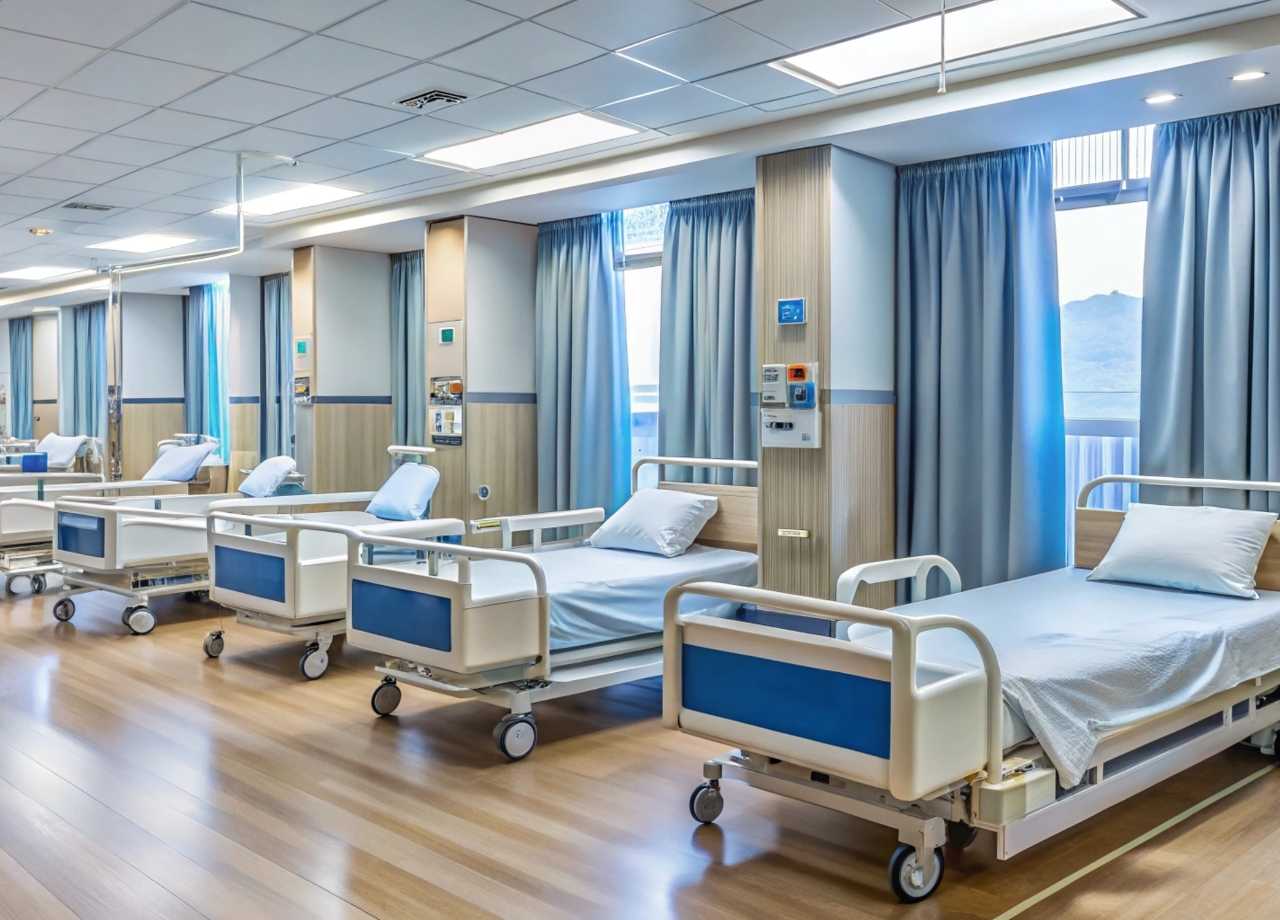
Facilities management isn’t background work in healthcare. It’s front-line support. When the environment itself impacts patient outcomes, FM teams aren’t just maintaining buildings, they’re actively protecting lives.
From infection control to power redundancy, every decision carries more weight in a critical care setting. A missed inspection, a failed system, or a lapse in cleaning protocols can cause more than downtime. It can compromise patient safety and violate strict regulatory standards.
To manage these environments effectively, you need more than basic maintenance procedures. You need a risk-aware strategy tailored to healthcare’s demands.
Zero Room for Error
In most facilities, an HVAC outage or plumbing failure is inconvenient. In a hospital, it can shut down surgical suites, delay care, or force patient relocations. Even minor service interruptions ripple across departments and require coordinated responses.
What makes healthcare different is that systems have to be more than operational, they have to be resilient. Backup generators must come online within seconds. Air filtration systems must meet infection control standards. Water systems must be monitored to prevent bacterial growth. There’s no margin for error.
That means preventive maintenance isn’t optional. Every asset in a critical area needs a defined schedule, documented inspections, and real-time visibility into its condition. And when something goes wrong, the response time can’t be “as soon as possible.” It has to be immediate, coordinated, and well-practiced.
Infection Control Is Everyone’s Job
Facilities teams play a direct role in infection prevention, especially in high-risk zones like ICUs, ORs, and isolation rooms. Surface contamination, air quality, and water safety are all part of the FM scope.
That includes:
- Maintaining HVAC systems that provide proper air changes per hour and directional airflow
- Ensuring filtration systems are up to spec and serviced on time
- Coordinating with environmental services to maintain strict cleaning protocols
- Managing plumbing systems to avoid stagnant water, biofilm buildup, and Legionella risks
The role extends to construction and renovation projects as well. Any activity that creates dust, disrupts airflow, or opens up building cavities must follow infection control risk assessment (ICRA) procedures. That’s not just best practice, it’s required.
Redundancy Isn’t a Luxury
Critical power systems have to perform flawlessly during outages. That includes backup generators, UPS systems, and automatic transfer switches. Testing and documentation are required not just by hospital leadership, but by regulatory bodies like The Joint Commission and local authorities having jurisdiction.
Every facility should have a written emergency power plan that’s regularly tested under load. That includes running generators long enough to simulate real conditions, not just quick “bump” tests. Fuel levels, battery status, cooling systems, all of it needs oversight.
Redundancy also applies to communication systems, nurse call infrastructure, fire alarm systems, and even HVAC units in critical care zones. Any system failure in these areas can’t wait for a service ticket. It requires built-in backups and immediate notification protocols.
Compliance Isn’t Just About Passing Inspections
Healthcare facilities are under constant scrutiny. CMS, Joint Commission, OSHA, NFPA, state health departments, all have different requirements, and many overlap. A missed fire damper inspection or expired documentation can trigger more than just a citation. It can affect reimbursement rates, accreditation status, and public trust.
The only way to stay ahead of this is with tight documentation and automated reminders. Every test, inspection, and repair should be logged, timestamped, and stored in a way that’s easy to produce during audits. A good FM system isn’t just a work order platform. It’s your compliance record.
And if you’re still relying on spreadsheets or paper logs, you’re one incident away from a major problem.
Vendor Coordination Must Be Proactive
Healthcare facilities rely heavily on outside vendors, from HVAC specialists and fire system inspectors to biomedical engineers and environmental services. But in a critical care environment, you can’t afford for vendors to work in isolation or off outdated scopes.
Every outside service provider must be briefed on protocols, escorted when necessary, and held to the same standards as internal teams. That includes:
- Following PPE requirements in sensitive areas
- Adhering to noise and vibration restrictions near patient zones
- Working within defined windows to avoid service interruptions
- Reporting back with documented service and inspection outcomes
This level of coordination takes more than scheduling. It requires real-time communication, active oversight, and clear ownership of outcomes. If a vendor fails to perform, it’s not just their reputation on the line, it’s yours.
Visibility Builds Trust
In high-pressure environments like hospitals, nothing frustrates leadership more than uncertainty. If the OR HVAC system goes offline, they want to know:
- What caused it
- Who’s handling it
- How long until it’s resolved
- What’s being done to prevent recurrence
If your FM operation can’t provide those answers fast, confidence erodes. This is where technology matters. A modern CAFM or CMMS system can track every asset, service call, inspection, and compliance task, so when the questions come, you’re not guessing.
The more visibility you have into your operation, the better you can respond under pressure. And the more confident leadership becomes in your team’s ability to handle risk.
Your Team Needs the Right Mindset
Managing a hospital facility isn’t the same as managing a commercial office. The stakes are higher, the systems are more complex, and the expectations are relentless. Everyone on your team, from building engineers to custodial supervisors—has to operate with a risk-first mindset.
That means understanding which areas are high-priority, knowing what can and can’t be disrupted, and responding with urgency even when the request seems minor. Training matters. So does communication. And so does having a team that sees themselves as part of the care process, not just the maintenance staff.
Because at the end of the day, your job is more than just keeping the lights on. It’s creating an environment where care can happen safely, reliably, and without interruption.