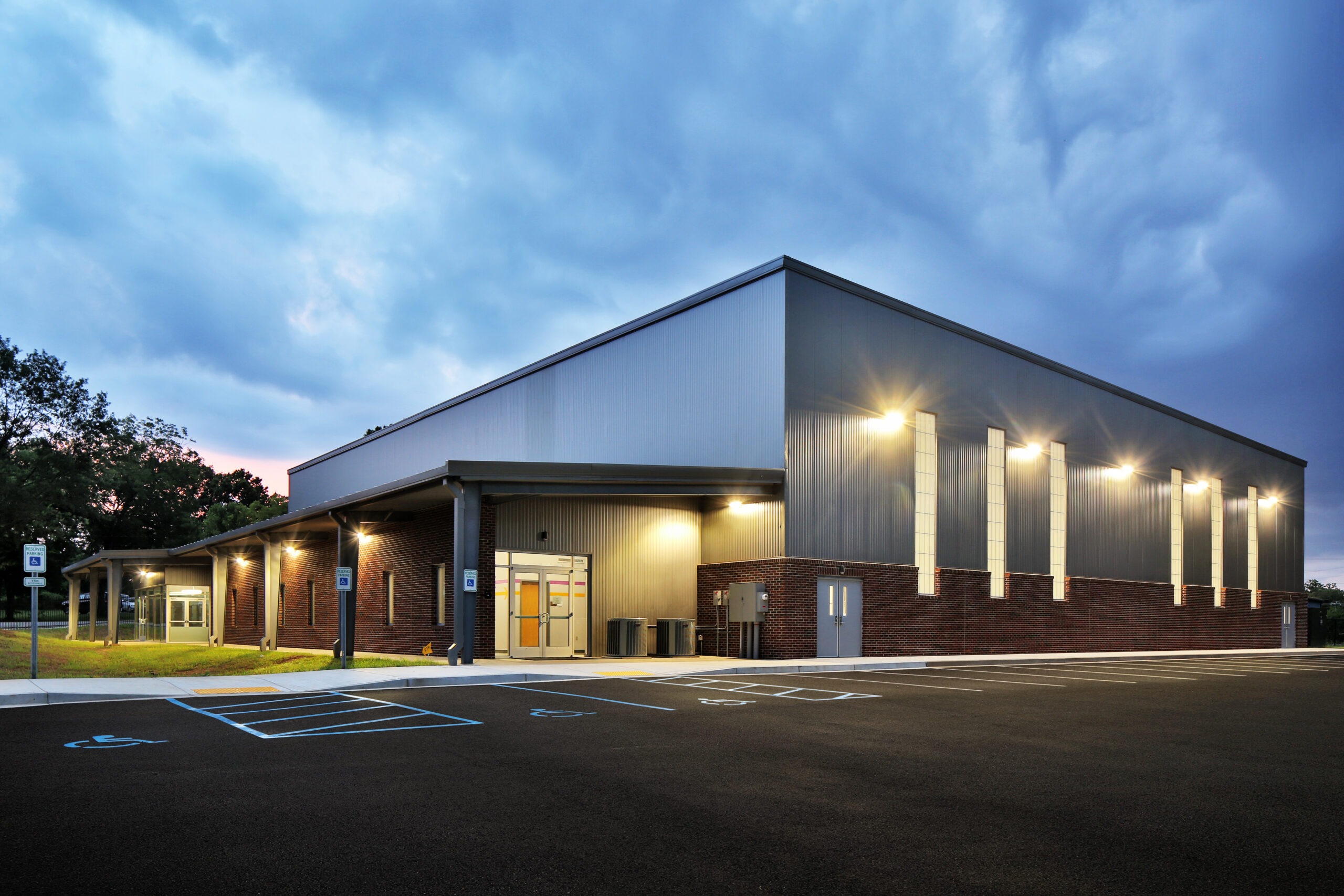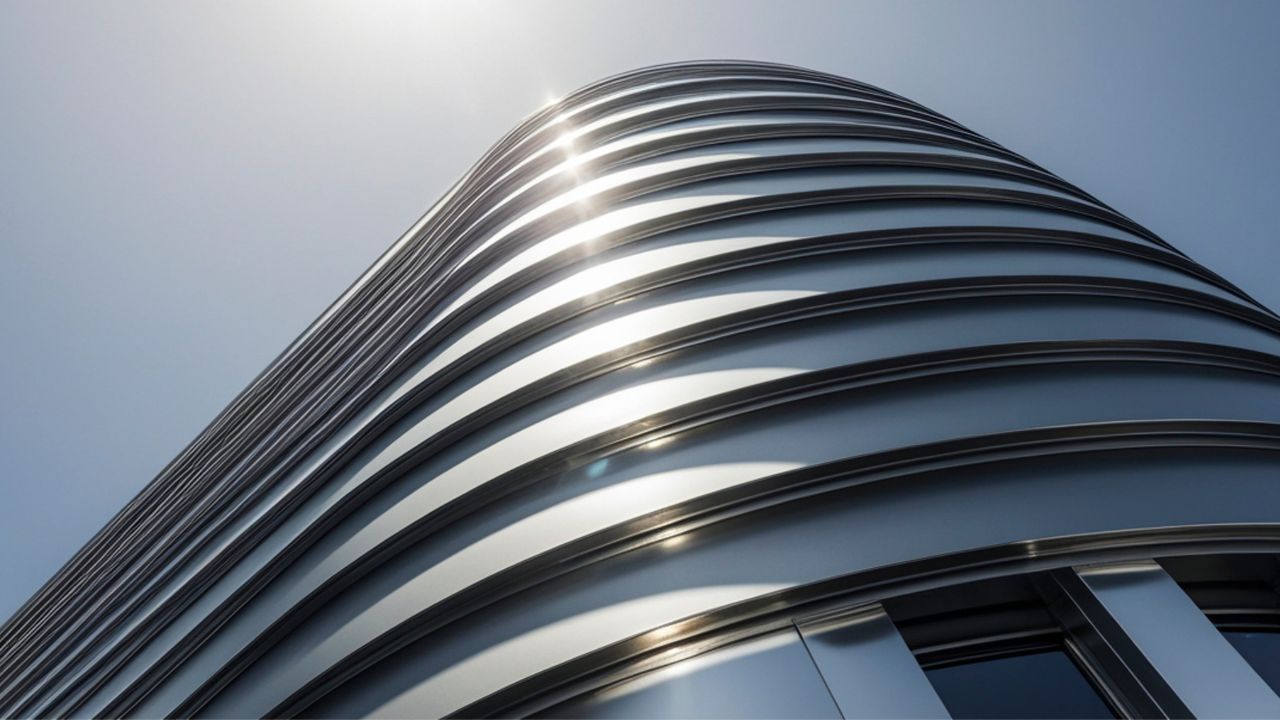
The exterior of a commercial building sets the tone for everything inside. Whether it’s a corporate headquarters, retail plaza, or industrial facility, first impressions start at the façade. Cladding surfaces—whether metal, stone, composite, or glass—play a key role in protecting the structure from the elements.
Over time, however, these surfaces collect grime, pollutants, and weather-related residues that dull appearance and reduce lifespan. That’s where commercial cladding cleaning becomes essential.
What Is Commercial Cladding and Why Does It Need Cleaning?
Cladding refers to the outer layer applied to a building’s structural walls. It serves as both a visual feature and a protective barrier against rain, UV exposure, air pollutants, and physical damage. Common cladding materials include aluminum panels, powder-coated steel, glass curtain walls, stone veneer, and high-pressure laminates.
These materials are constantly exposed to environmental stressors. Rainwater can leave streaks and mineral deposits. Dust and vehicle emissions stick to surfaces, especially in urban or industrial areas. Mold and mildew can appear in shaded or moisture-prone zones. Without cleaning, these contaminants build up, leading to staining, corrosion, or surface breakdown.
Regular cladding cleaning not only restores appearance but also protects the material from premature wear. For commercial property managers, this translates to lower repair costs, fewer tenant complaints, and stronger curb appeal.
How Often Should Cladding Be Cleaned?
Cleaning frequency depends on several factors, including location, material type, surrounding environment, and building height.
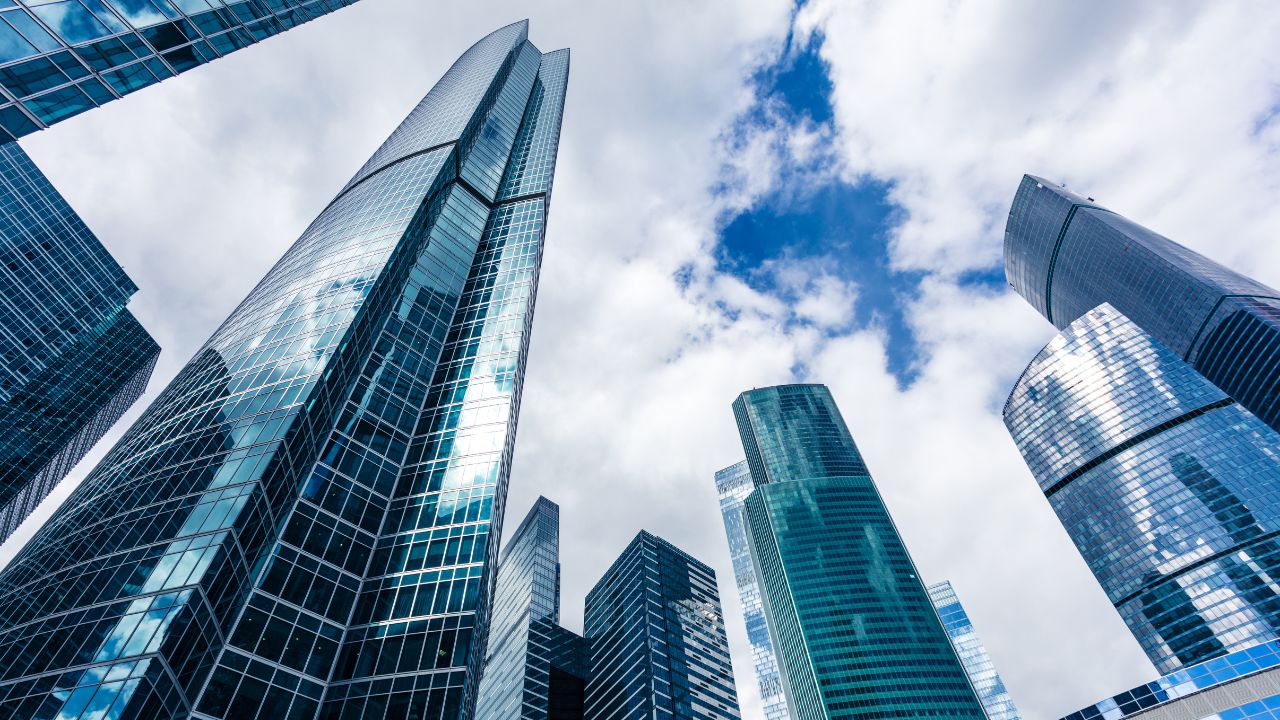
In city centers or near busy roads, cladding may need washing every 6 to 12 months to control buildup from pollution and road grime. In coastal areas, salt exposure may require even more frequent attention to prevent corrosion. Facilities located near construction zones or manufacturing plants may also need accelerated schedules due to dust and airborne particles.
Glass and light-colored finishes tend to show dirt more quickly and may need cleaning twice a year. Darker finishes, while more forgiving in appearance, still require regular cleaning to prevent embedded residue and surface damage over time.
Inspections should be built into facility maintenance plans to assess when service is needed. Proactive cleaning is less costly than correcting long-term neglect.
Methods Used in Commercial Cladding Cleaning
Professional cleaning companies use different methods based on cladding material, building height, and environmental conditions. Common techniques include:
Low-Pressure Washing: Used for delicate finishes or materials prone to damage. This method safely removes surface dirt without harming coatings.
Soft Washing with Detergents: A biodegradable cleaning solution is applied, allowed to dwell, and then gently rinsed. This is especially useful for removing organic growth like algae or mildew.
Water-Fed Pole Systems: For low- to mid-rise buildings, telescopic poles with purified water allow technicians to clean cladding from the ground or elevated platforms, reducing the need for scaffolding.
Rope Access or Boom Lift Cleaning: For taller structures, trained technicians use harness systems or lifts to access and clean exterior surfaces safely and efficiently.
Spot Treatments: For areas with corrosion, oxidation, or staining, specialized cleaners and restoration techniques may be applied to restore the original finish without damaging the surface.
Each of these methods is chosen based on the condition and construction of the building. Improper cleaning methods can void material warranties or cause lasting damage, making professional oversight essential.
Preventing Long-Term Damage Through Scheduled Cleaning
Beyond aesthetics, regular cladding cleaning helps protect buildings from structural risks. Dirt and pollutants can cause chemical reactions on metal surfaces, leading to corrosion. Inconsistent moisture on porous materials like stone or concrete can create freeze-thaw cycles, causing cracks and surface degradation. Glass cladding is especially vulnerable to water spots and mineral etching if not maintained.
When contaminants are left to accumulate, restoration becomes more labor-intensive and expensive. In some cases, replacement may be the only option. Proactive cleaning extends the life of cladding systems and preserves capital investments in the building envelope.
In addition to structural considerations, many municipalities and property management companies require periodic façade maintenance as part of their safety or visual standards. Keeping a documented cleaning schedule can support compliance and minimize liability exposure.
How NFC Supports Building Appearance and Maintenance?
National Facility Contractors (NFC) supports building performance and presentation through a wide range of commercial cleaning solutions tailored to professional environments. These services are designed to help clients maintain both the functionality and visual impact of their facilities.
From interior janitorial programs to post-construction cleanup, NFC works with clients across office buildings, industrial spaces, healthcare facilities, and retail locations. Services are scheduled based on occupancy patterns, environmental factors, and operational needs, ensuring every square foot of the property receives appropriate attention.
Whether you manage a single site or a regional portfolio, NFC provides scalable, responsive cleaning programs that align with safety and quality standards. By partnering with an experienced contractor, facilities teams gain consistent service delivery, documented performance, and flexible scheduling that adapts to your building’s lifecycle.
Choosing a Qualified Exterior Cleaning Provider
If your building requires cladding maintenance, working with experienced professionals is critical. Look for contractors with safety certifications, access equipment training, and knowledge of different surface types. Ask about their use of eco-friendly products, water runoff management, and experience working on occupied buildings.
Service contracts should include documentation of cleaning dates, materials used, and any observations made during the service. This documentation is helpful for compliance, budgeting, and long-term asset planning.
Cladding cleaning is more than just surface care—it’s an essential part of maintaining a professional, durable, and welcoming building. Clean exterior finishes protect your investment, attract positive attention, and reduce future maintenance costs. While not every facility requires the same cleaning frequency or technique, all benefit from having a plan in place.
For commercial properties looking to build a reliable cleaning strategy, working with an experienced contractor like National Facility Contractors ensures you get the right services at the right time.