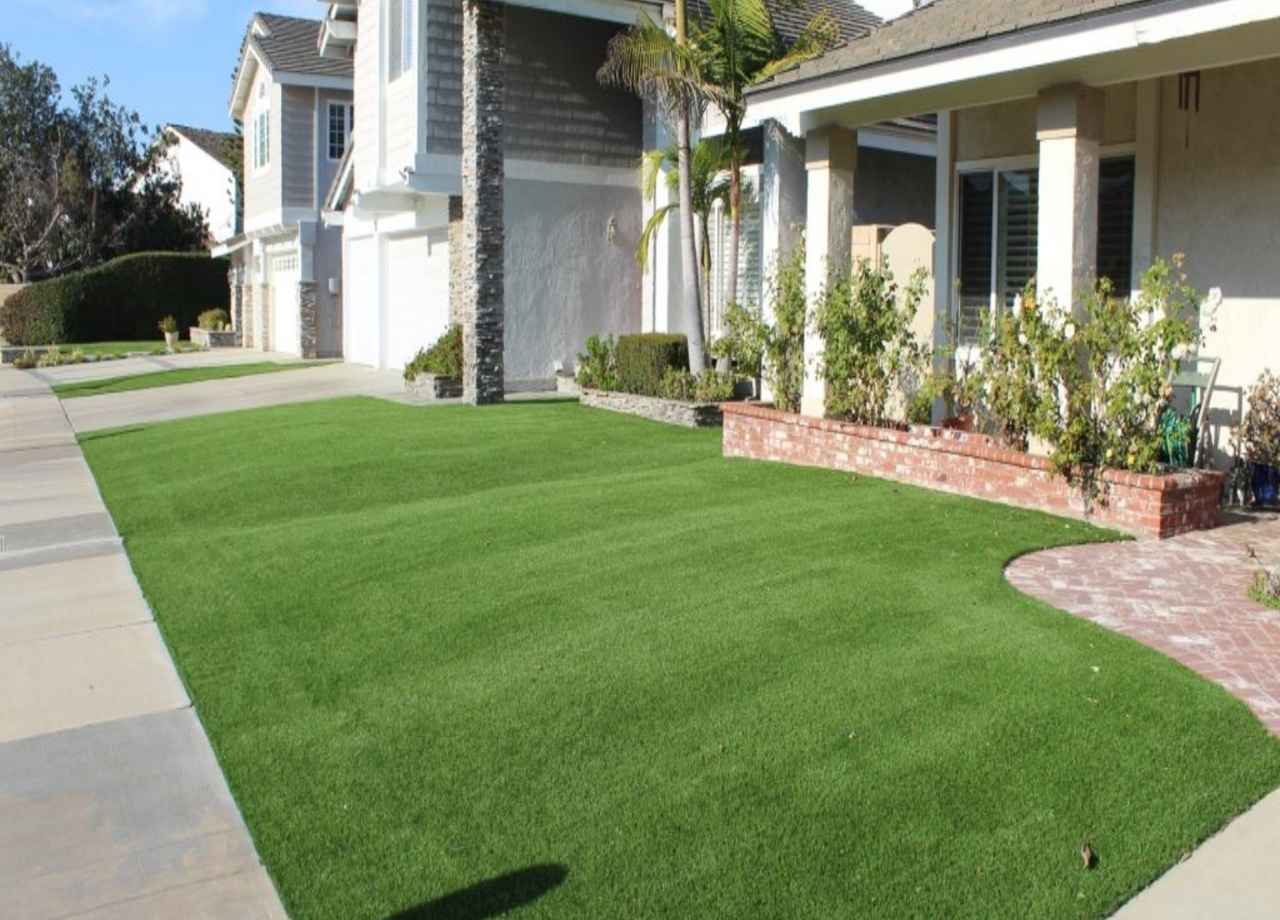
Artificial turf is often chosen because it looks clean, drains well, and reduces the day-to-day upkeep associated with natural grass. What tends to get overlooked is that it still requires structured maintenance to perform the way it’s supposed to.
Over time, debris builds up. Infill shifts. Bacteria accumulates. Drainage slows down. The surface may still look acceptable from a distance, but performance and hygiene start to decline long before it becomes obvious.
Astro turf cleaning services are designed to restore the surface, protect the investment, and keep the area safe for regular use. This applies across sports facilities, schools, commercial landscapes, and recreational spaces.
What Actually Happens to Artificial Turf Over Time?
Artificial turf systems are layered. You have the synthetic fibers, the infill that supports those fibers, and the base system underneath that handles drainage. All three are affected by usage and environmental exposure.
Dust, organic matter, food waste, leaves, and airborne pollutants settle into the turf. In high-use areas, the infill becomes compacted and uneven. That compaction reduces shock absorption and affects how the surface feels underfoot.
Moisture combined with organic debris creates the perfect conditions for bacteria and odor buildup. This is especially common in sports fields and pet-friendly environments.
Drainage also becomes less effective as debris blocks the system over time. Water may start pooling in areas that previously drained without issue.
None of these problems appear overnight. They develop gradually, which is why many facilities underestimate the need for professional cleaning.
Why Regular Cleaning Is Not Optional
Surface-level cleaning only addresses what’s visible. Brushing or blowing debris off the top layer does not remove contaminants embedded within the infill.
Without proper cleaning, turf surfaces begin to show signs of wear much earlier than expected. Fibers start to flatten. Infill loses its structure. The surface becomes harder and less consistent.
For sports facilities, this directly affects performance and safety. Athletes rely on predictable traction and cushioning. Uneven or compacted turf increases the risk of slips and impact-related injuries.
In commercial settings, poorly maintained turf creates hygiene concerns and leaves a negative impression. Odors, discoloration, and uneven surfaces are often the result of neglected maintenance rather than material failure.
Routine professional cleaning extends the life of the turf and keeps it functioning as designed.
What a Professional Astro Turf Cleaning Service Involves
A proper cleaning process goes well beyond basic maintenance. It is a multi-step approach designed to restore the surface from within.
The process typically includes:
- Deep cleaning to remove embedded debris and contaminants from the infill
- Mechanical brushing to lift and realign turf fibers
- Decompaction of infill to restore cushioning and performance
- Sanitization to eliminate bacteria and control odors
- Inspection of seams, edges, and high-wear areas
Specialized equipment is used to reach below the surface without damaging the turf structure. This is where professional services differ from general cleaning methods.
Water pressure, suction systems, and rotating brushes work together to extract contaminants while preserving the integrity of the turf.
Odor and Bacteria Control
One of the most common issues with artificial turf is odor, particularly in areas exposed to food waste or pet use. Standard cleaning methods rarely solve this problem because the source sits within the infill layer.
Professional cleaning services apply sanitizing solutions designed to neutralize bacteria at the source. This process addresses both the odor and the underlying cause.
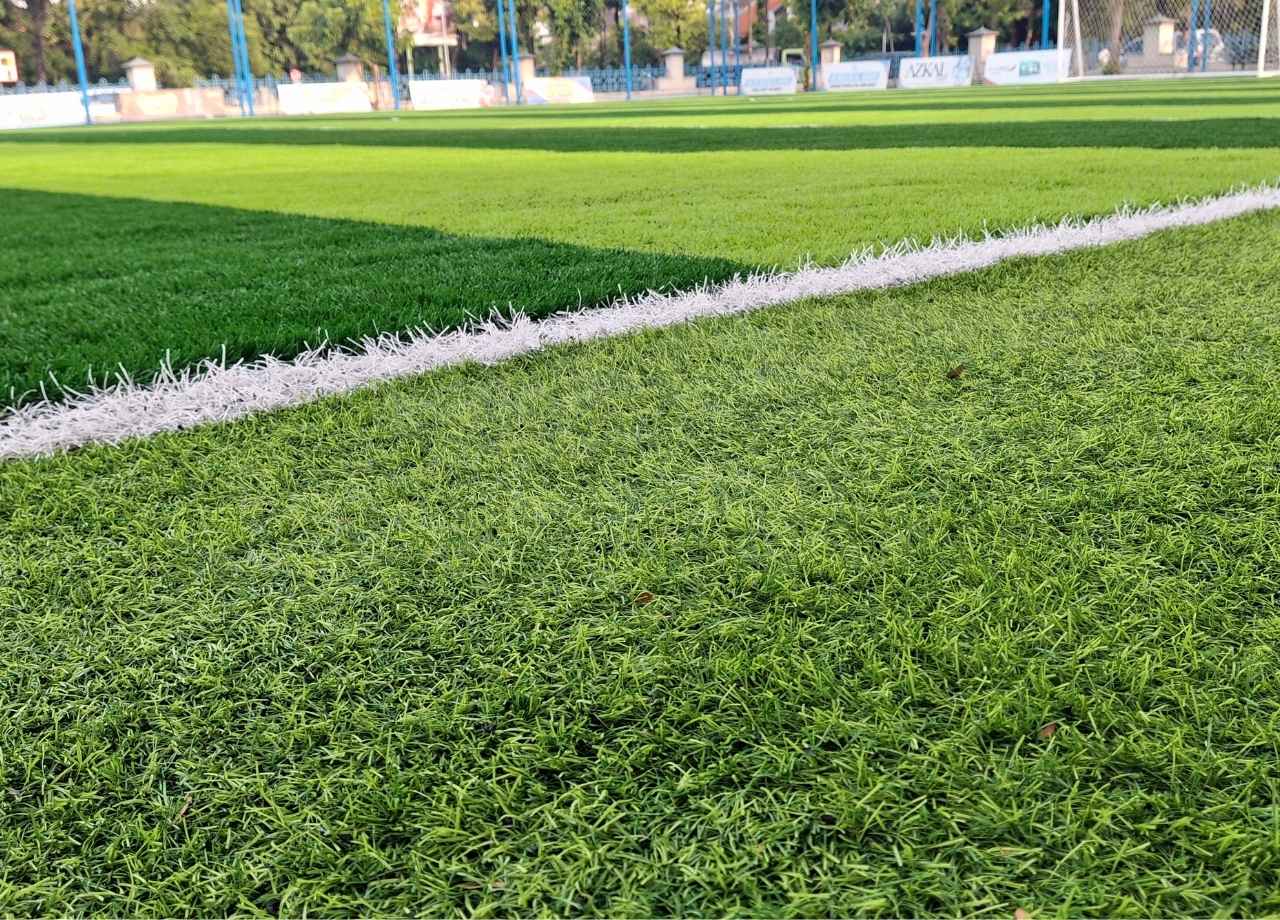
Facilities that rely on regular sanitization maintain a fresher environment and reduce the risk of hygiene-related complaints.
This is especially important for schools, daycare centers, and public recreational areas where surface cleanliness directly affects user safety.
Restoring Drainage and Surface Performance
Drainage is one of the key advantages of artificial turf, but it only works when the system remains clear. Blocked drainage leads to standing water, which accelerates wear and creates usability issues.
Deep cleaning removes the fine particles that clog the drainage layer. Once cleared, water flows through the system as intended.
At the same time, decompacting the infill restores the surface’s ability to absorb impact. This improves comfort underfoot and reduces stress on joints for athletes and frequent users.
The difference is noticeable immediately after a proper service. The turf feels more even, responsive, and consistent.
High-Use Areas Require Targeted Attention
Not all sections of a turf surface wear evenly. Entry points, goal areas, sidelines, and pathways typically show the most compaction and contamination.
A professional service identifies these high-use zones and applies targeted treatment. This ensures that problem areas are restored without over-processing sections that remain in good condition.
Ignoring these zones often leads to localized failure, even if the rest of the surface remains intact.
Consistent monitoring and maintenance prevent uneven wear from turning into larger repair issues.
Protecting the Investment
Artificial turf installations represent a significant capital investment. Replacement costs are high, and downtime can disrupt operations.
Routine cleaning is one of the most effective ways to protect that investment. It delays the need for major repairs and helps maintain warranty conditions in many cases.
Facilities that skip professional cleaning often face premature replacement or expensive restorative work that could have been avoided.
A structured maintenance plan keeps costs predictable and extends the usable life of the surface.
Scheduling and Frequency
Cleaning frequency depends on usage levels, environment, and exposure. Sports fields and school playgrounds typically require more frequent service than decorative commercial landscapes.
High-traffic areas may benefit from quarterly or biannual deep cleaning. Lower-use spaces may require annual service combined with regular surface maintenance.
Seasonal factors also play a role. Post-winter cleaning helps remove accumulated debris and restore drainage, while pre-season maintenance prepares sports fields for heavy use.
Consistency matters more than intensity. Regular upkeep prevents the buildup that leads to larger problems.
The Difference Between Maintained and Neglected Turf
Well-maintained artificial turf looks cleaner, performs better, and lasts longer. The fibers remain upright, the surface feels consistent, and drainage works as intended.
Neglected turf tells a different story. It becomes compacted, uneven, and less hygienic. Odors develop. Water begins to pool. The surface no longer performs the way it was designed to.
The difference comes down to whether maintenance is treated as part of the lifecycle or as an afterthought.
Astro turf is built for durability, but it is not maintenance-free. The facilities that understand this get the full value out of their investment without unexpected surprises.