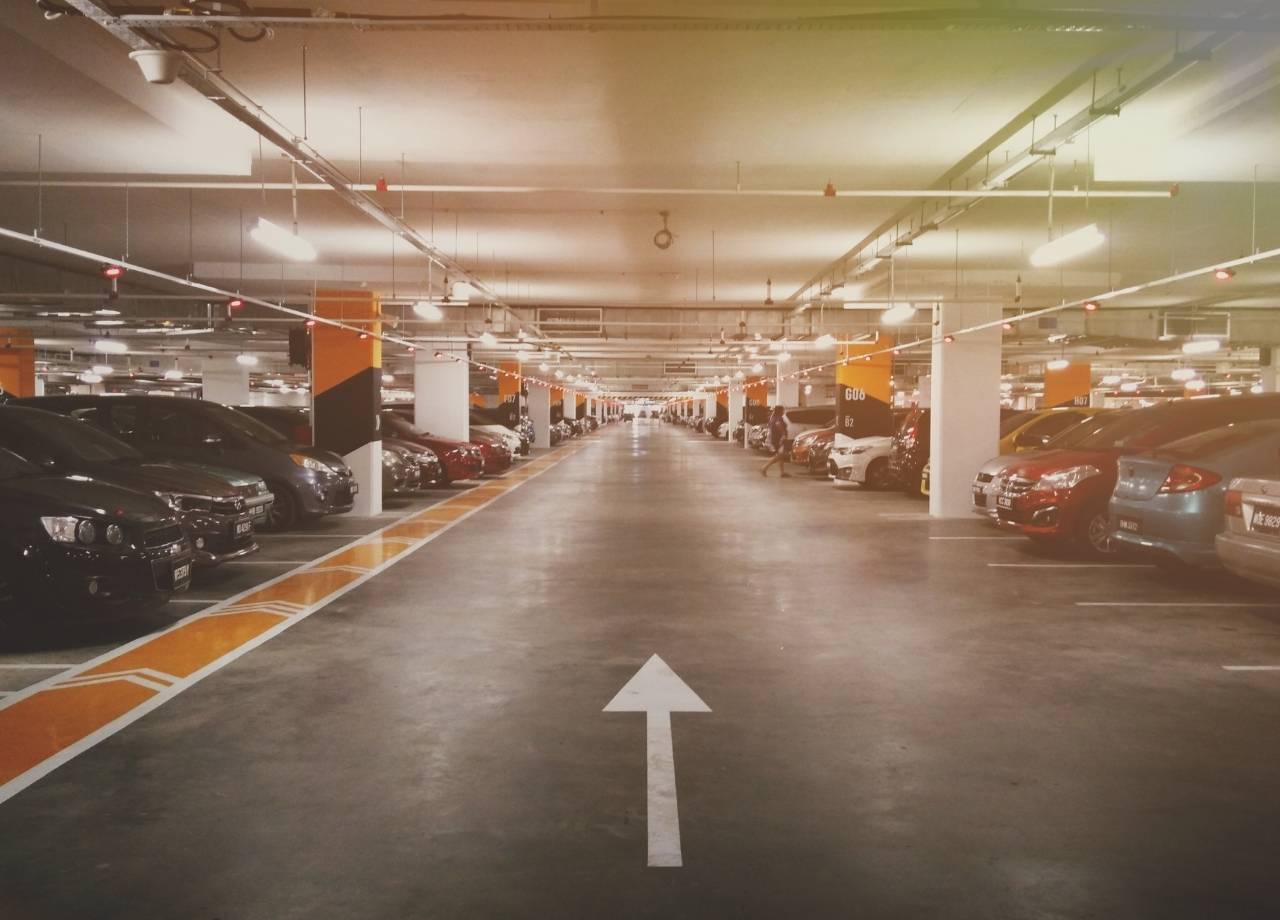
Walk into any commercial building and the experience technically starts long before the lobby.
It starts in the car park.
That’s where people form their first impression, whether they realize it or not. The lighting, the smell, the floor condition, the general cleanliness—these things register instantly. If the car park feels neglected, everything that follows has to work harder to make up for it.
This is exactly why more property managers are turning to dedicated car park cleaning services instead of treating it as an occasional cleanup task. Because once a parking area slips, it rarely improves on its own.
What Actually Builds Up in a Car Park?
Car parks don’t get dirty in the same way indoor spaces do. It’s not just dust or trash. It’s a mix of everything that vehicles and the outside environment bring in.
Oil drips, tire marks, brake dust, fuel residue, mud, rainwater runoff, litter, leaves, and even chemical contaminants all collect over time. In covered or underground structures, the problem compounds because there’s limited natural cleaning from weather.
What starts as light staining gradually turns into embedded grime. Floors darken. Markings fade. Drainage points begin to clog. Air quality can even shift in enclosed areas.
Left untreated, the surface doesn’t just look worn—it starts to degrade.
Why Basic Cleaning Doesn’t Cut It
A quick sweep or occasional rinse might make a car park look better for a day or two, but it doesn’t solve the underlying buildup.
Oil and grease don’t disappear with water. Tire residue bonds to concrete. Fine dust settles into pores in the surface. Over time, standard cleaning methods stop having any real impact.
This is where many facilities get stuck. The space is technically being “cleaned,” but the condition keeps declining.
Proper car park cleaning requires equipment and methods designed for heavy-duty surfaces. High-pressure washing, degreasing, mechanical scrubbing, and targeted stain removal all play a role depending on the condition of the area.
Without that level of intervention, you’re only dealing with the surface layer.
The Impact on Safety
Cleanliness in a car park isn’t just about appearance. It directly affects safety.
Oil patches and fluid spills create slip hazards for pedestrians and reduce tire traction for vehicles. Dust buildup can make surfaces unpredictable, especially in multi-level structures where turning and braking are frequent.
Blocked drains introduce another layer of risk. Water pooling in certain areas can lead to slippery conditions, structural wear, and long-term damage to the surface.
Lighting also becomes less effective when dirt accumulates on floors and walls. The space feels darker, even if the fixtures are working properly.
Regular cleaning helps maintain clear, predictable surfaces. That’s critical in environments where both vehicles and people are moving constantly.
Odor and Air Quality in Enclosed Spaces
Underground and enclosed car parks have their own set of challenges.
Without proper cleaning, odors start to develop. Oil, moisture, and organic debris combine to create a stale, sometimes unpleasant environment. Over time, this affects how people feel moving through the space.
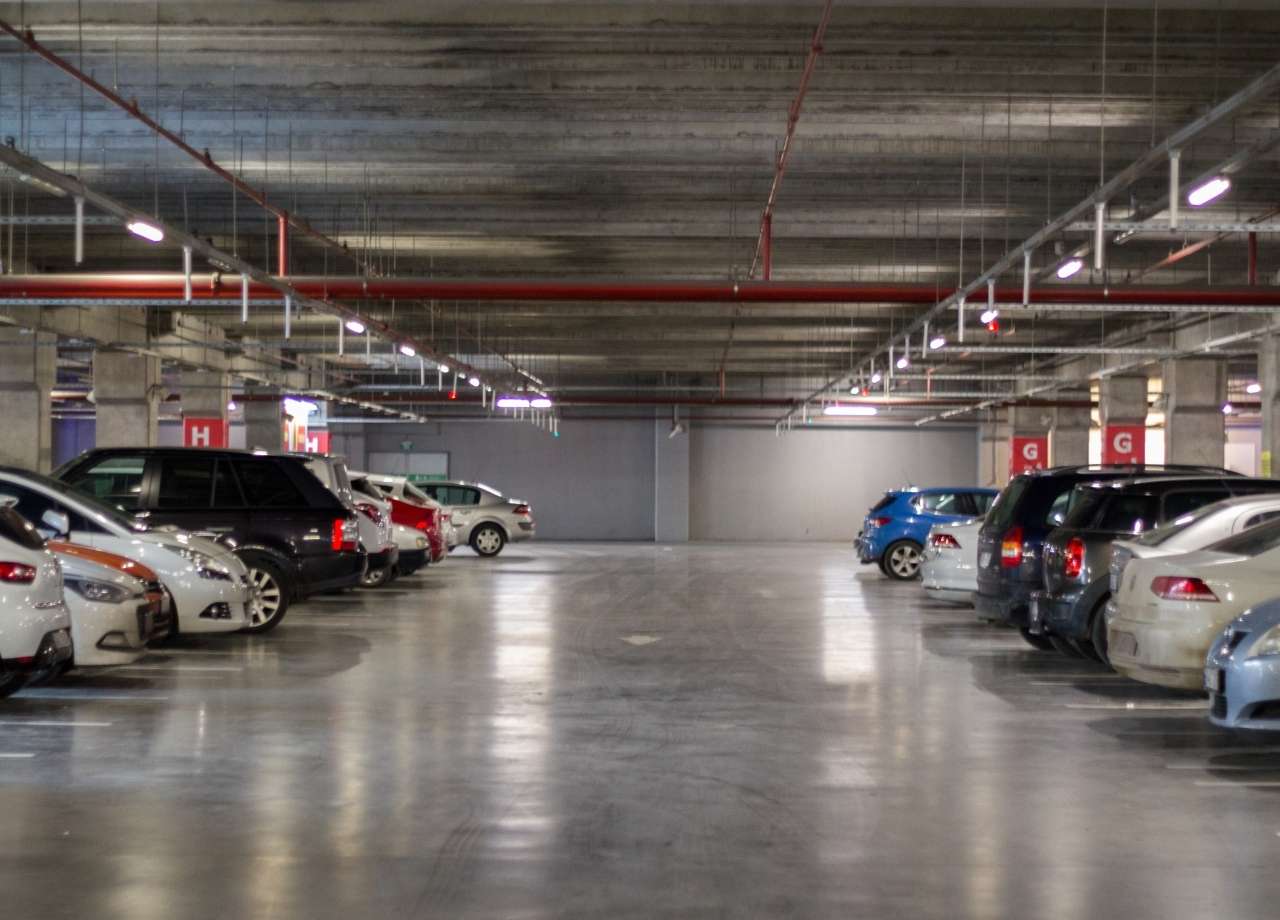
Air circulation systems help, but they don’t solve the root issue. If the surface itself is holding contaminants, the environment will continue to feel off.
Deep cleaning removes the source rather than masking it. Once the buildup is gone, the space feels noticeably fresher, even without changes to ventilation.
Markings, Visibility, and Organization
One of the first things to fade in a neglected car park is clarity.
Line markings become harder to see. Directional arrows lose definition. Parking bays blur at the edges. This might seem minor, but it affects how efficiently the space is used.
Drivers hesitate more. Traffic flow becomes less organized. Small confusion points turn into bottlenecks during peak hours.
Cleaning plays a role here by restoring contrast. When surfaces are free of grime, markings become visible again. Combined with periodic repainting, it keeps the car park functional, not just usable.
The Hidden Cost of Neglect
Car parks are often treated as secondary spaces when it comes to maintenance budgets. That usually changes when repair costs start to show up.
Contaminants like oil and chemicals can break down concrete over time. Water intrusion through clogged drainage can lead to structural issues. Surface wear accelerates when dirt and debris are left in place.
What could have been managed through routine cleaning turns into resurfacing, repairs, or even partial reconstruction.
Regular cleaning is one of the simplest ways to extend the life of the structure without major capital expense.
Timing Matters More Than Frequency
Not every car park needs the same cleaning schedule.
A retail center with constant turnover will require more frequent attention than a corporate office with predictable usage. A multi-level parking structure behaves differently from an open-air lot exposed to weather.
What matters is aligning cleaning with how the space is actually used.
Peak traffic periods, weather patterns, and seasonal changes all influence how quickly buildup occurs. Facilities that adjust their cleaning approach based on these factors maintain better conditions with less effort over time.
It Changes How the Entire Property Feels
This is the part that’s easy to underestimate.
A clean car park doesn’t just improve the parking experience. It sets the tone for everything that follows. People walk into the building already feeling like the place is maintained, organized, and taken seriously.
On the other hand, a neglected parking area creates friction before anyone even reaches the entrance.
No one compliments a clean car park out loud. But they definitely notice when it’s not.
And in commercial environments where perception matters, that difference carries further than most people expect.