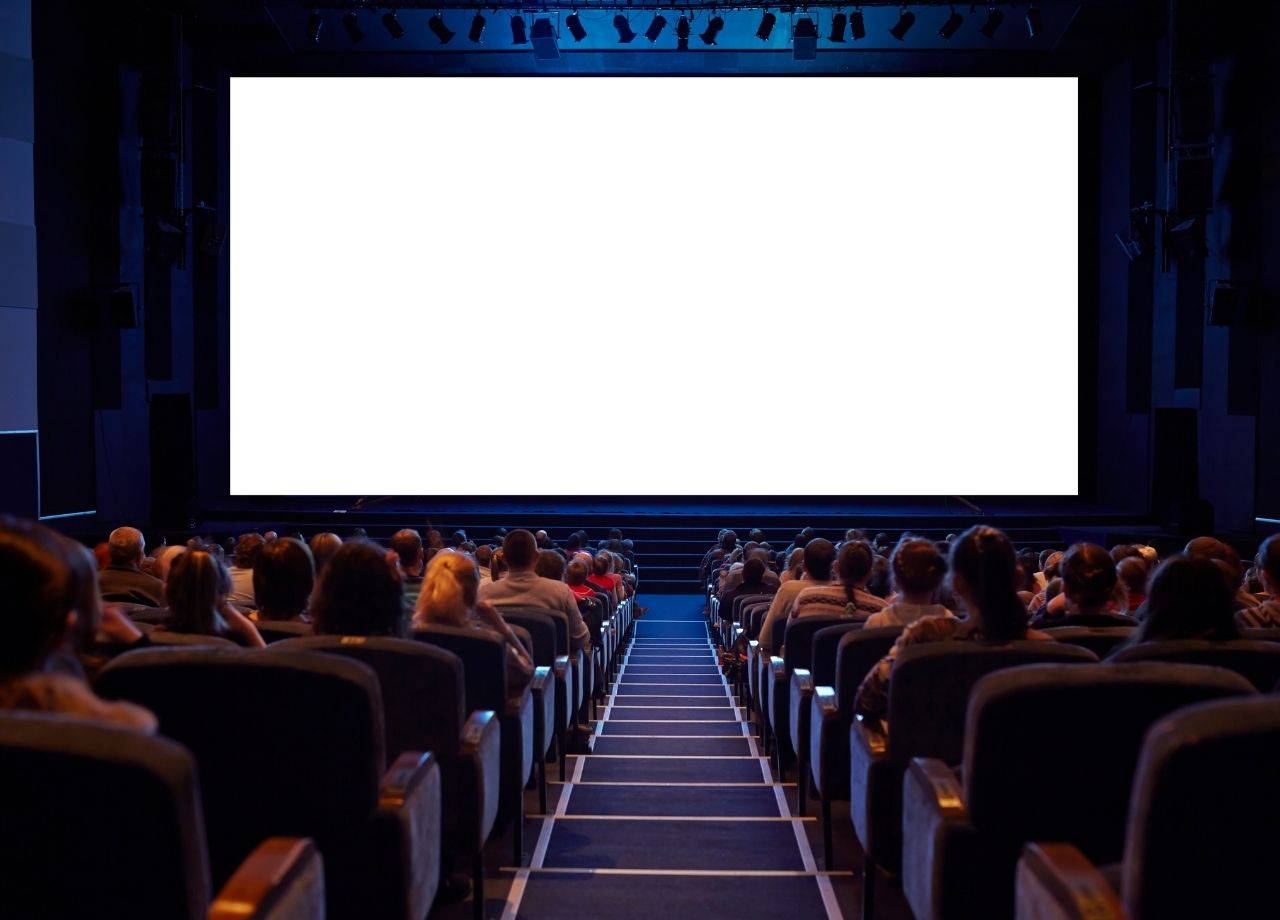
Walk into a cinema right before a movie starts and everything feels set. The seats are clean. Floors look clear. Screens are spotless. The space feels ready.
Walk into that same theatre five minutes after a show ends, and it’s a completely different environment.
Popcorn everywhere. Spilled drinks. Sticky floors. Seats used back-to-back. That contrast is what defines cinema cleaning. It’s not about maintaining a steady level of cleanliness throughout the day. It’s about resetting the space repeatedly, often under tight time pressure.
That’s where specialized cinema cleaning services come in. This isn’t routine janitorial work. It’s fast, systematic turnaround cleaning designed for high-traffic, high-turnover environments.
The Turnover Window Is Everything
Cinema cleaning is built around one constraint: time.
Between shows, there’s a narrow window to clear, clean, and reset the entire auditorium before the next audience walks in. Depending on the schedule, that window can be as short as 10 to 20 minutes.
There’s no room for trial and error. Cleaning teams need a structured approach that allows them to move efficiently without missing critical areas.
Trash removal happens first. Every row, every seat area, aisles, cup holders—everything needs to be cleared quickly. After that, attention shifts to surfaces, floors, and high-contact points.
Speed matters, but so does consistency. A rushed clean that misses sticky spots or debris is noticeable immediately when the next audience arrives.
The Reality of What Gets Left Behind
Cinema cleaning isn’t dealing with light dust or occasional spills. It’s dealing with concentrated mess created in a short period of time.
Food waste is the biggest factor. Popcorn, nachos, candy wrappers, drink spills—all of it ends up on floors, seats, and surrounding areas. Sticky residues are common, especially from sugary drinks.
Cup holders and armrests collect more than people expect. These areas often hold residue that isn’t immediately visible but becomes obvious when touched.
Then there’s the issue of repeated use. Seats are occupied for hours at a time, often back-to-back throughout the day. Without proper attention, they quickly start to feel worn and unclean.
Floors Take the Most Impact
If there’s one area that defines the cleanliness of a cinema, it’s the floor.
Sticky flooring is one of the fastest ways to ruin the experience for customers. It’s also one of the most common complaints when cleaning isn’t handled properly.
Basic sweeping isn’t enough. Residue from drinks and food needs proper treatment to prevent buildup. Over time, if not addressed correctly, floors start to feel permanently tacky.
Professional cleaning services use the right combination of equipment and cleaning agents to break down residue without damaging flooring materials. This keeps surfaces clean, safe, and comfortable to walk on.
Seats and Upholstery Need Ongoing Attention
Seats are often overlooked during quick turnovers, but they play a major role in overall perception.
Visible debris can be cleared quickly, but deeper cleaning requires scheduled maintenance beyond between-show cleaning. Upholstery absorbs odors and can hold onto spills if not treated properly.
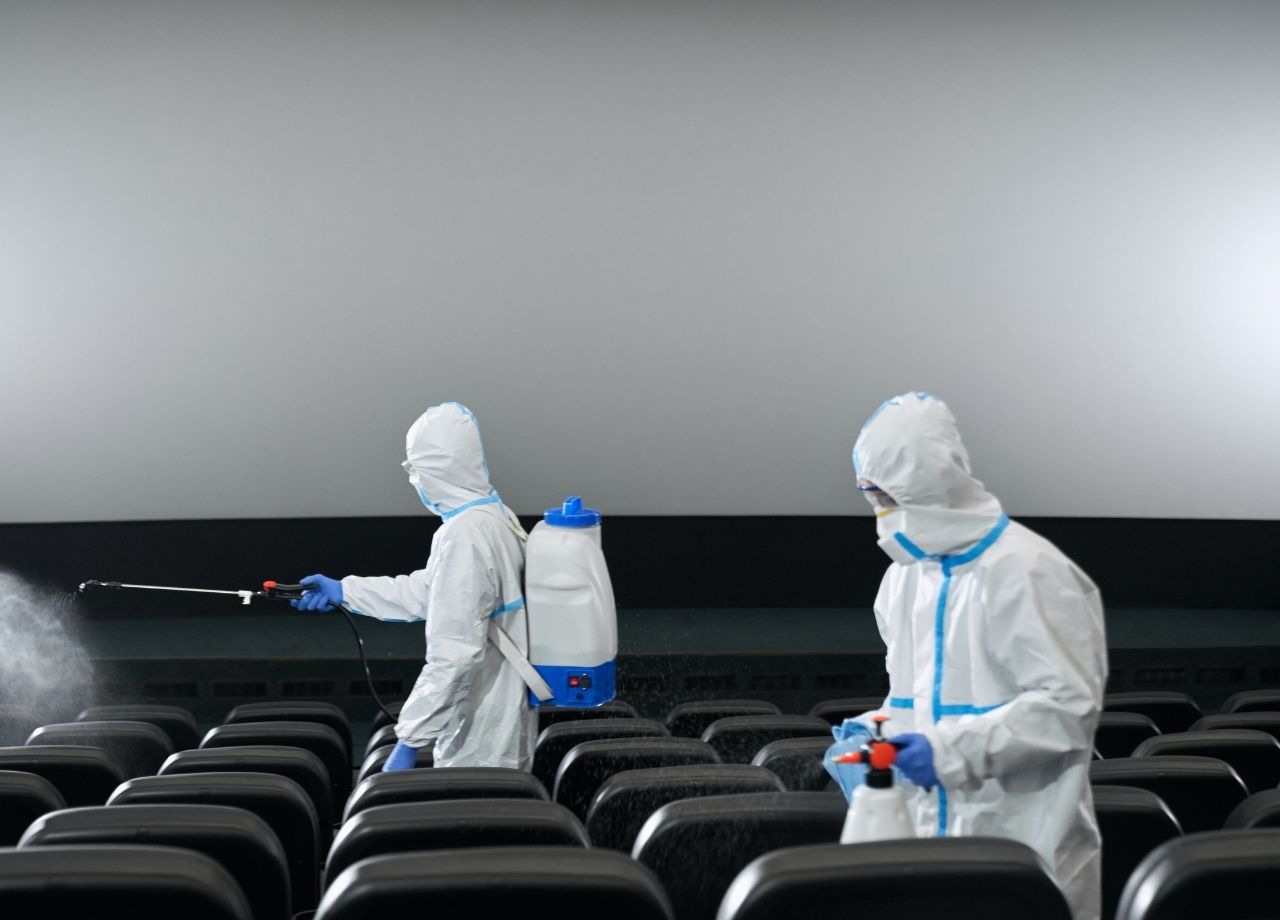
Armrests and headrests are high-contact areas that need regular sanitization. These are the points people touch the most, even if they don’t think about it.
A well-maintained seating area makes a noticeable difference in how the entire theatre feels.
Lobbies and Common Areas Tell a Different Story
While auditoriums deal with fast turnover cleaning, lobbies and concession areas face continuous use.
These spaces don’t reset between shows. They stay active all day.
Spills at concession counters, high foot traffic, and constant movement mean these areas need ongoing attention. Floors need to be monitored throughout operating hours. Trash bins need to be cleared regularly to avoid overflow.
Restrooms also fall into this category. Peak times can quickly overwhelm these spaces if cleaning isn’t consistent.
Cinema cleaning services often include daytime crews focused on maintaining these high-use areas while turnover teams handle auditoriums.
It’s Not Just About Cleaning—It’s About Experience
People go to the cinema for the experience. Cleanliness is part of that, even if it’s not the main attraction.
A clean theatre fades into the background, which is exactly what you want. It allows the focus to stay on the movie.
A dirty one does the opposite. Sticky floors, unclean seats, or leftover debris become distractions. They break immersion before the film even starts.
Consistency is what matters most. Customers expect the same standard whether they’re watching the first show of the day or the last one at night.
Scheduling Around Peak Hours
Cinema operations don’t follow a typical schedule. Evenings, weekends, and holidays bring the highest traffic.
Cleaning plans need to align with these patterns. More staff may be required during peak hours. Turnaround teams need to be positioned and ready as soon as shows end.
Deep cleaning tasks are often scheduled during off-hours or overnight. This includes carpet cleaning, detailed seat maintenance, and thorough sanitation of all surfaces.
Balancing quick turnaround cleaning with deeper maintenance is what keeps cinemas operating at a high standard.
Why Specialized Cleaning Makes a Difference
Cinemas are one of those environments where general cleaning approaches fall short.
The pace is different. The type of waste is different. The expectations are higher because the environment is tied directly to customer experience.
Specialized cinema cleaning services are built around these realities. Teams are trained to work within tight timelines, handle high volumes of waste, and maintain consistency across multiple showings.
It’s not about making the space look clean once a day. It’s about resetting it again and again, without anyone noticing the work that went into it.
And when it’s done right, the audience never thinks about cleaning at all. They just walk in, sit down, and focus on the screen.