Maintaining a commercial kitchen requires a systemized cleaning schedule that protects staff safety, supports regulatory compliance, and sustains operational performance. Key areas such as exhaust hoods, ice machines, floor surfaces, and drains need routine attention. Cleaning frequencies vary by use, equipment type, and local codes. This guide provides specific intervals, practical techniques, and performance considerations for essential kitchen cleaning tasks.
Why Cleaning Frequency Matters in a Commercial Kitchen
Regular cleaning reduces fire risk, supports food safety, preserves equipment life, and prevents unscheduled downtime. Grease accumulation in exhaust systems is a known fire hazard. Contaminants in ice machines and drains can harbor bacteria. Flooring that is not maintained becomes slippery, increasing injury risk. A defined cleaning schedule aligns housekeeping with risk reduction and compliance.
How Often Should Commercial Kitchen Hoods Be Cleaned: Code and Best Practice
Commercial kitchen hood systems collect grease, smoke, and particulate matter from cooking operations. The buildup of grease in the hood and ductwork is a significant fire hazard.
For high-volume operations such as 24-hour kitchens or those using charbroilers and deep fryers, cleaning is typically required weekly to every 30 days. Kitchens with standard daily service can often maintain hood cleanliness on a 30 to 90-day cycle. In contrast, kitchens with lighter or infrequent use may be able to stretch intervals up to 90 days, provided regular inspections confirm safety and cleanliness.
Most jurisdictions refer to NFPA 96 standards for exhaust system maintenance. These standards define both minimum cleaning frequencies and expectations for proper documentation. Insurance providers and fire inspectors often require documented proof of cleaning in accordance with these regulations.
A proper hood cleaning service should address all accessible and hidden components of the system. This includes wiping and degreasing all exposed surfaces, removing and washing hood filters, and accessing duct interiors all the way to the exhaust fan. The fan housing and blades must also be degreased to prevent buildup. After service, the vendor should provide written documentation of the work performed, including service dates and current system condition. Maintaining these logs either digitally or near the system’s electrical panel helps ensure compliance during inspections.
Ice Machines: Preventing Bacterial Growth and Ice Contamination
Ice machines operate in a moist environment where mineral deposits and organic matter accumulate quickly, creating ideal conditions for bacterial growth. Contaminated ice presents a serious risk to public health, making routine cleaning essential.
In kitchens with light to moderate use, cleaning every 30 days is typically sufficient. However, facilities with high production volume, exposure to hard water, or service to vulnerable populations—such as hospitals or daycare centers—should aim for biweekly cleaning. Seasonal operations or those with fluctuating demand should perform full cleanings before and after peak periods.
Effective maintenance starts with disconnecting the power source to ensure safety. All ice and removable internal components such as bins and trays should be taken out and cleaned with an EPA-registered sanitizer. Descaling agents must be used where applicable, especially in hard water zones where mineral buildup is a known problem. After descaling, the system should be flushed thoroughly to remove chemical residues. It is also important to inspect rubber seals and gaskets, as deteriorating parts can harbor mold and bacteria. Addressing these areas during scheduled cleaning extends the unit’s life and ensures sanitary ice production.
Floor Cleaning in Commercial Kitchens: Frequency and Methods
Kitchen floors are exposed to constant foot traffic, grease spills, and cleaning chemicals. These conditions require routine cleaning to maintain safe and sanitary work environments.
On a daily basis, all visible debris should be removed at the start and end of shifts. The surface should be cleaned with a degreasing solution suitable for kitchen flooring. Wet mopping should target high-use areas near cooking stations, prep counters, and dishwashing areas.
Beyond the daily routine, deeper cleaning is necessary to maintain long-term performance. Areas with tile flooring often accumulate grease and grime in the grout lines, which should be scrubbed weekly or biweekly depending on traffic and soil load. Facilities with floor drains may benefit from monthly pressure washing, provided the space is designed to handle water discharge safely. If quarry tile or porous stone is used, applying a sealant every few months can help protect against long-term staining and deterioration.
Routine cleaning not only supports sanitation but also helps prevent slips and falls, a common workplace injury in foodservice environments. Kitchens should maintain cleaning schedules for different floor zones based on use intensity.
Drains and Grease Traps: Keeping Waste Flowing
Drain lines and grease traps in commercial kitchens handle large volumes of food solids, fats, and wastewater. Without scheduled cleaning, these systems quickly become sources of odor, blockage, and health violations.
Drains should be cleaned daily as part of closing duties. This includes removing surface debris, flushing the lines with hot water, and applying an enzyme-based cleaner approved for kitchen use. Kitchen staff should also inspect floor drain covers and remove any buildup around them to prevent slow drainage.
More intensive cleaning is needed on a weekly basis. This may include using a plumbing snake or a hydro-mechanical cleaner to agitate and flush interior pipe walls. In kitchens with known drainage issues, these cleanings may need to occur more frequently.
Grease trap cleaning frequency depends on how quickly the unit fills. In general, traps should be emptied when they reach 25 percent of their capacity. This often translates to a weekly or biweekly schedule in full-service kitchens. Contractors should provide volume reports and note any signs of wear during service. Maintenance is especially important before peak service periods or major events, when backup could disrupt operations.
Equipment Cleaning Outside the Primary Areas
Many other components of a commercial kitchen also require routine cleaning to function properly and meet health department standards.
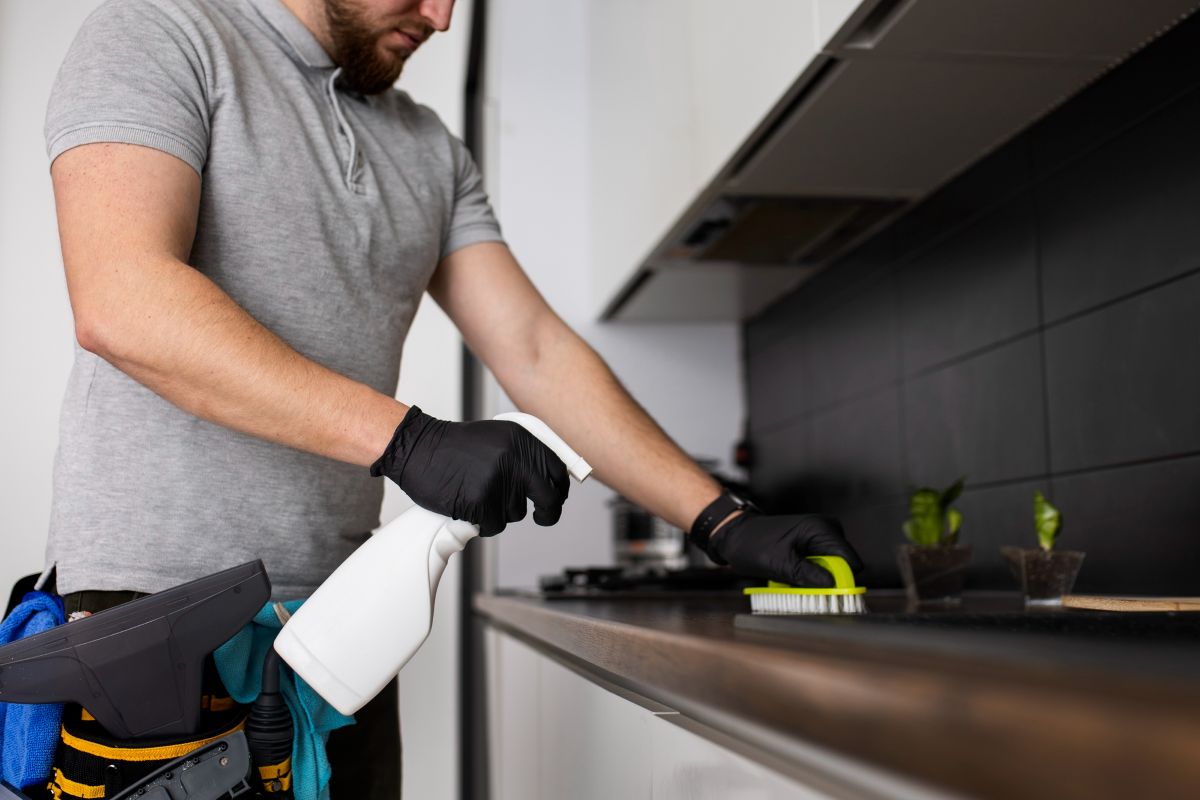
Refrigerators and freezers should be cleaned weekly. This includes wiping shelves, sanitizing contact surfaces, and checking for expired food items. Inconsistent temperatures and spoiled inventory are often linked to neglected interiors.
Cooking equipment like ovens, grills, and fryers accumulate heavy soils and require regular deep cleaning. Grills should be scrubbed daily to remove carbon deposits and grease. Fryer tanks should be filtered daily and fully emptied and cleaned weekly. Ovens can typically be cleaned biweekly, focusing on racks, liners, and control panels. Grease and food waste in these systems can not only degrade performance but also contribute to cross-contamination.
Documentation and Inspection: Keeping Cleaning Accountable
No cleaning program is effective without consistent documentation and regular inspection. A daily log system allows team members to track tasks and flag issues. Supervisors should review these logs weekly and verify task completion.
Monthly checklists can be used to manage recurring deep-cleaning tasks across all kitchen zones. Vendor service reports for hoods, ice machines, and grease traps should be filed and kept accessible for inspection. Where possible, use a digital maintenance platform to set reminders and store records.
Routine inspections help prevent tasks from falling through the cracks. Whether through internal audits or third-party assessments, visual checks and temperature readings should be used to verify sanitation levels.
Adjusting Frequency Based on Operational Reality
These recommended intervals serve as a starting point, but kitchens must adjust based on their specific conditions. A shift to a high-grease menu or the addition of new cooking equipment may require increased hood cleaning frequency. An increase in foot traffic or a new prep process may raise the need for more frequent floor cleaning. Hard water may accelerate scale buildup in ice machines. Operators should review and revise cleaning schedules on a quarterly basis or after any operational change.
A structured cleaning program ensures a safer and more efficient commercial kitchen. Regular service for hoods, ice machines, drains, and floors limits risk and supports compliance. Following manufacturer recommendations, staying within regulatory timelines, and keeping detailed records will help facilities maintain performance and avoid unexpected shutdowns. With consistency and accountability, cleaning becomes a routine part of kitchen success—not a crisis waiting to happen.