Before we get into any kind of numbers, here’s a quick note: the estimates in this article are meant to give you a general idea of what commercial cleaning might cost. They are not fixed prices you’ll see on a contract or quote from a cleaning company. Costs vary widely based on facility size, services included, frequency, location, condition of the space, staffing costs, supply quality, and more.
Think of this as a starting point that helps you understand the range of what’s typical.
Facility cleaning is one of those essential services most businesses don’t think about until it becomes urgent. A clean facility does more than keep employees and visitors healthy; it reflects your brand and helps protect your assets. But budgeting for cleaning services can feel confusing. How much should you expect to spend? What drives prices up or down? What services do you really need versus what might feel like extras?
In this article we’ll break down how estimates work, what influences cost, and what you should consider when planning your facility cleaning budget. We’ll also share rough ranges so you can begin building your own estimate framework.
What Is a Facility Cleaning Estimate?
A facility cleaning estimate is a projected cost for the cleaning services a contractor would provide for your business.
Estimates are typically based on:
- The total square footage of the space.
- The type of facility (office, warehouse, school, medical facility, retail store, etc.).
- The scope of services (general cleaning, deep cleaning, disinfection, floor care, restroom sanitation, windows, etc.).
- The frequency of service (daily, weekly, bi-weekly, monthly, one-time).
- Special requirements, like food-safe cleaning, hazardous waste handling, or night shifts.
Unlike a quote, which is usually a firm price after a site assessment, an estimate is a helpful tool when you’re planning your budget and comparing options. Since it’s based on typical parameters rather than a full walkthrough, it won’t reflect every nuance of your facility.
Why Facility Cleaning Costs Vary
The reason cleaning estimates can seem all over the place is that no two facilities are exactly alike and cleaning needs differ significantly. Key factors that influence cost include:
1. Size of Your Facility
It might seem obvious, but square footage is one of the biggest cost drivers. Cleaning a 10,000-square-foot office is very different from a 10,000-square-foot manufacturing floor with heavy machinery, high ceilings, and specialized equipment.
Larger spaces usually benefit from volume pricing, but they will still cost more overall because there is simply more area to service. In most cases, cleaners calculate pricing based on a rate per square foot.
2. Type of Facility and Use
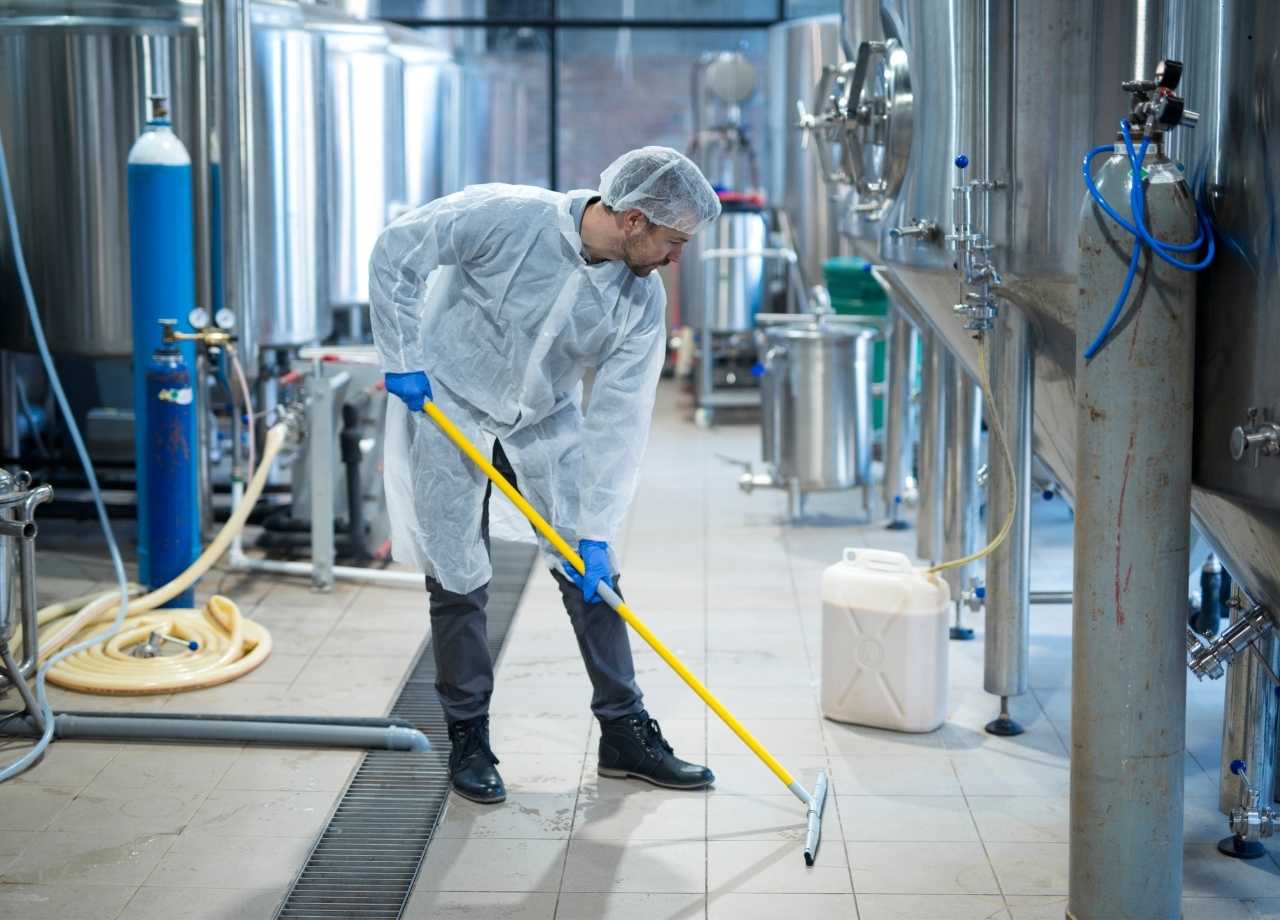
The type of business you run matters. A warehouse with dusty shelving, forklifts, and loading docks probably requires different cleaning processes and supplies than a corporate office.
Some facilities, like medical clinics, schools, and food service environments, have stricter sanitation standards that often require more labor, certified disinfectants, and additional training to meet regulatory requirements.
3. Frequency of Service
How often you clean will affect your estimate. Daily cleaning brings costs down on a per-visit basis because crews become familiar with the space, but the overall monthly spend is higher than weekly service.
One-time cleanings (for move-in/move-out, events, post-construction, or deep cleans) are typically priced differently because they require more labor in a shorter timeframe and often involve more intensive work.
4. Service Levels and Add‑Ons
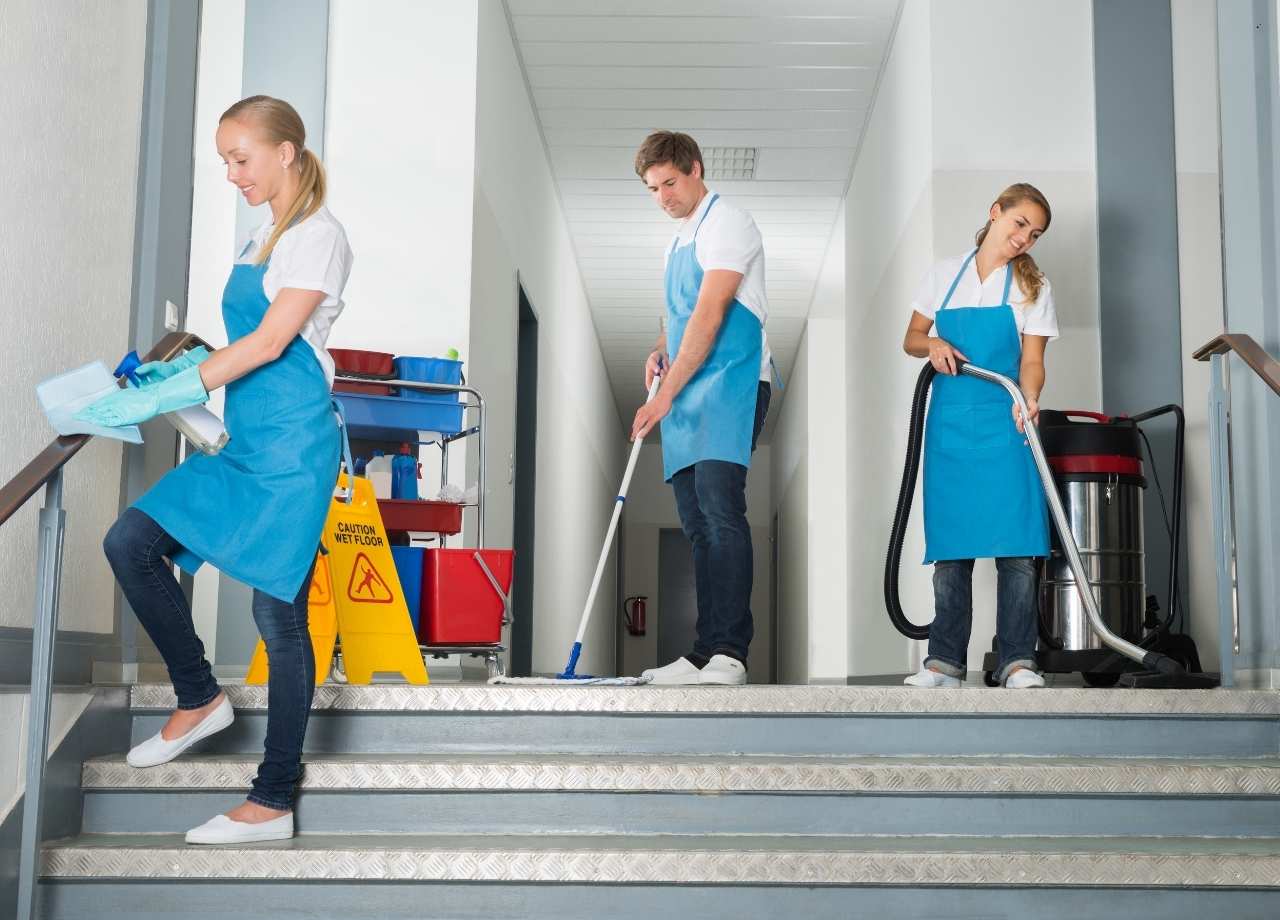
Basic cleaning usually includes sweeping, mopping, vacuuming, trash removal, and restroom sanitation. But many facilities require additional services such as:
- Carpet deep cleaning
- Hard floor stripping and waxing
- High dusting and vents
- Window cleaning
- Sanitizing high-touch surfaces
- Specialty disinfection (e.g., fogging or electrostatic spraying)
Each add-on brings extra labor hours, supplies, and sometimes specialized equipment. Your base estimate should reflect only the core services, and then additional services are priced on top.
5. Local Labor and Supply Costs
Cleaning companies price their bids based on local labor rates, supplies, and overhead. Urban areas with higher minimum wages and rents tend to have higher cleaning costs. Remote locations may incur travel charges.
6. Condition and Age of the Facility
If your facility hasn’t been cleaned regularly, you might need an initial deep clean before establishing a routine schedule. Deep cleaning takes more time and often includes more expensive chemicals and machinery.
Older buildings with older carpets, worn surfaces, and outdated layouts might also increase labor time and material costs.
Typical Facility Cleaning Price Ranges
As a rule of thumb, commercial cleaning is often priced in one of two ways, per square foot, or flat monthly or weekly rate based on frequency and services.
Here are rough ranges many businesses encounter:
Per Square Foot
Most basic commercial cleaning services fall into a range such as:
$0.05 to $0.20 per square foot per visit
This covers general office cleaning like vacuuming, trash removal, restroom cleaning, and surface wiping.
Remember, this range assumes basic service and regular schedules. If you have high-traffic spaces, frequent sanitization needs, or special floor care, your per-square-foot rate will be toward the higher end or above.
Weekly or Monthly Contracts
For a facility that’s around 10,000 to 50,000 square feet with weekly service, you might see estimates like:
$500 to $2,500 per month for basic weekly cleaning.
Higher if you add restocking of supplies, special disinfection, or floor care.
Daily service increases the estimate. A daily cleaning routine for a similar space might range from $1,500 to $5,000 per month.
Keep in mind that these are general ranges, not quotes. Actual bids from cleaning contractors will differ.
How to Request and Compare Estimates
When you’re ready to reach out to cleaning professionals, follow these steps to get helpful estimates:
1. Know Your Facility Metrics
Provide:
- Total square footage
- Number of rooms, restrooms, and meeting areas
- Type of surfaces (carpet, tile, wood)
- Any specialty areas (kitchens, labs, production floors)
- The more accurate your details, the better the estimates you’ll receive.
2. Define Your Service Needs
List the services you want, such as:
- Daily vacuuming and trash removal
- Monthly floor polishing
- Quarterly deep carpet cleaning
- High-touch disinfection after flu season
- Clear expectations help you compare apples to apples.
3. Ask About Their Pricing Structure
Contractors may use different pricing models. Ask whether the estimate is:
- Per square foot
- Time and materials
- Fixed monthly rate
- Also clarify whether supplies and equipment are included or billed separately.
4. Get Multiple Bids
Reach out to at least three vendors. Compare not only price but also service details, references, contracts terms, and insurance coverage.
5. Check Certifications and Compliance
For facilities with regulatory requirements (like healthcare or food service), ensure the cleaning company uses proper products and follows industry standards.
Questions to Ask When Reviewing an Estimate
Here are useful questions that ensure you understand what you’re paying for:
- Does the estimate include all supplies and equipment?
- How does pricing change if we increase frequency?
- Are there extra charges for nights or weekends?
- What guarantees or service level agreements are included?
- How do they handle complaints or missed areas?
Ways to Control Facility Cleaning Costs
If your budget is tight, you can manage cost in several ways:
- Prioritize essential spaces for more frequent cleaning.
- Negotiate bundled services that combine regular cleaning with periodic deep cleaning.
- Schedule during off-peak hours to reduce premium pricing.
- Consider performance‑based contracts tied to satisfaction or checklist completion.
Balancing cost and quality is key; the cheapest bid isn’t always the best value if it leads to poor outcomes.
Facility cleaning estimates aren’t one-size-fits-all. They are influenced by square footage, use, frequency, service level, geography, and the condition of your space. By understanding the typical price ranges and what drives costs, you can plan a cleaning budget that’s realistic and supports your operational needs.
If you’re ready to move forward, gather your facility details and start requesting estimates from qualified vendors. Comparing offers and clarifying expectations upfront will make your cleaning budget more predictable and help you find the right service partner.