Workplace dining has evolved far beyond a cafeteria line and a few tables. In many corporate environments, dining spaces serve as collaboration hubs, recruitment tools, cultural touchpoints, and daily traffic centers. They are high-use, high-expectation environments where food safety, comfort, and operational efficiency intersect.
Facilities management plays a central role in keeping these spaces functional, compliant, and aligned with broader workplace goals. Unlike standard office areas, dining facilities combine commercial kitchen infrastructure, public seating, sanitation standards, and peak-time occupancy pressures.
Managing them requires a specialized approach.
The Operational Complexity Behind Workplace Dining
Workplace dining spaces operate like scaled-down commercial restaurants embedded inside corporate buildings. They include grease-laden exhaust systems, high-capacity refrigeration, cooking equipment, dishwashing infrastructure, and food storage areas that demand strict environmental control.
At the same time, they are heavily trafficked public spaces. Flooring must withstand spills and constant foot traffic. HVAC systems must balance comfort while managing heat loads from cooking equipment. Plumbing systems must handle significant drainage demand during peak service windows.
Facilities teams must coordinate closely with food service operators to ensure infrastructure supports daily operations without interruption.
Unlike traditional office spaces, downtime in dining areas affects employee schedules and workplace morale quickly.
Kitchen Infrastructure and Preventive Maintenance
Commercial kitchen equipment operates under intense conditions. High temperatures, moisture, grease accumulation, and frequent cleaning cycles accelerate wear on mechanical systems.
Facilities management solutions for workplace dining should prioritize preventive maintenance for:
- Exhaust hoods and grease duct systems
- Make-up air units
- Walk-in coolers and freezers
- Commercial dishwashers
- Cooking equipment gas and electrical connections
- Floor drains and grease traps
Grease management is especially critical. Failure to maintain hood and duct systems increases fire risk and can trigger compliance violations. Routine cleaning and inspection schedules should be tightly controlled and documented.
Refrigeration systems also require close monitoring. Temperature fluctuations compromise food safety and can result in inventory loss. Integrating temperature sensors with centralized monitoring systems provides early alerts before product spoilage occurs.
Proactive maintenance in dining facilities is not optional. It directly impacts safety and operational continuity.
Food Safety and Regulatory Compliance
Workplace dining environments are subject to health department regulations similar to standalone restaurants. Facilities teams must coordinate with food service providers to ensure compliance with local health codes.
Key facility-related responsibilities include maintaining proper ventilation rates, ensuring adequate lighting in prep areas, verifying water temperature standards, and preventing cross-contamination risks in waste handling areas.
Regular inspections should verify that handwashing stations function correctly, drains are clear, and pest control measures remain effective.
Documentation matters. Health inspections can occur without much notice. Maintenance records, cleaning logs, and repair documentation should be readily accessible.
Facilities teams that treat dining spaces with the same rigor as other regulated environments reduce risk exposure significantly.
Managing High Occupancy and Peak Load Conditions
Workplace dining areas experience predictable surges in occupancy during breakfast and lunch hours. HVAC systems must handle rapid temperature shifts as crowds gather. Restroom facilities adjacent to dining spaces often experience concentrated use.
Facilities management solutions should account for these peak load conditions. Air distribution systems may require zoning adjustments to maintain comfort during high-traffic windows. Seating layouts should consider egress paths and safety compliance.
Flooring and finishes should be selected for durability and ease of cleaning. Slip resistance is particularly important due to frequent spills.
The goal is to design and maintain infrastructure that performs reliably during peak demand without compromising comfort or safety.
Integration With Building Systems
Modern workplace dining spaces often connect to broader building systems, including access control, occupancy sensors, and energy management platforms.
Facilities management can leverage this integration to optimize operations. For example, occupancy data can inform ventilation adjustments during peak meal times. Energy management systems can coordinate cooking equipment loads with overall building demand to reduce peak energy charges.
Lighting systems can adjust based on natural daylight availability, improving ambiance while reducing consumption.
Integration enhances both efficiency and user experience.
Waste Management and Sustainability
Workplace dining generates significant waste, including food scraps, packaging, and disposable materials. Facilities teams must coordinate waste handling systems that are efficient and hygienic.
This includes maintaining compactor systems, ensuring proper ventilation in waste rooms, and supporting composting or recycling initiatives when applicable.
Sustainability goals increasingly influence workplace dining operations. Energy-efficient cooking equipment, water-saving dishwashers, and smart refrigeration systems contribute to environmental targets.
Facilities management plays a key role in ensuring these systems are maintained properly to achieve their intended performance.
Sustainability initiatives lose impact when equipment drifts out of calibration or maintenance lapses occur.
Vendor Coordination and Service Alignment
Workplace dining typically involves third-party food service providers. Facilities teams must establish clear boundaries and responsibilities between infrastructure management and food operations.
Communication protocols should address equipment issues, emergency procedures, and maintenance scheduling. Coordinating service windows outside of peak dining hours minimizes disruption.
Clear service level expectations reduce confusion. If refrigeration fails, response time must be immediate. If grease traps require cleaning, scheduling should avoid meal preparation periods.
Alignment between facilities and dining operators strengthens overall service quality.
Designing for Experience and Longevity
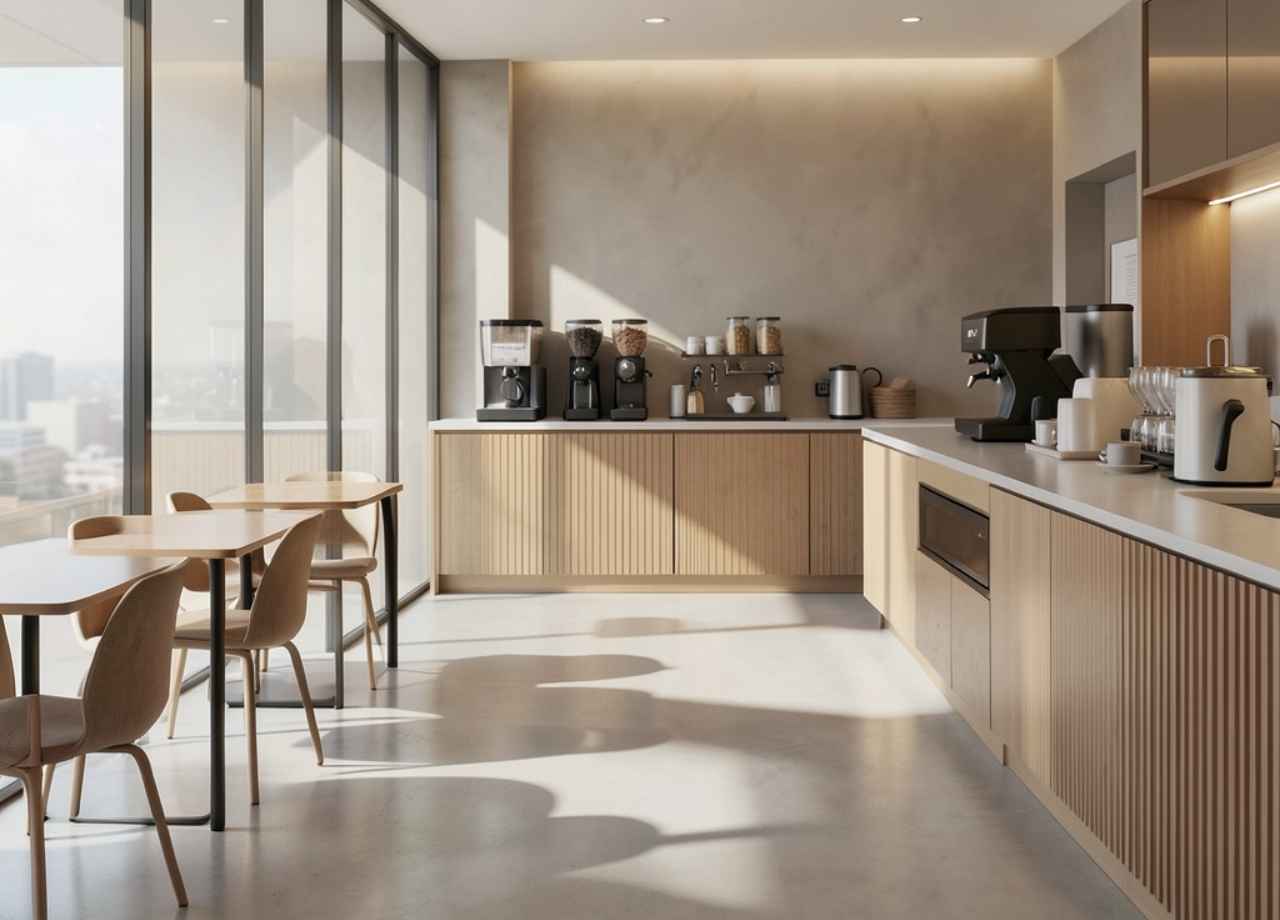
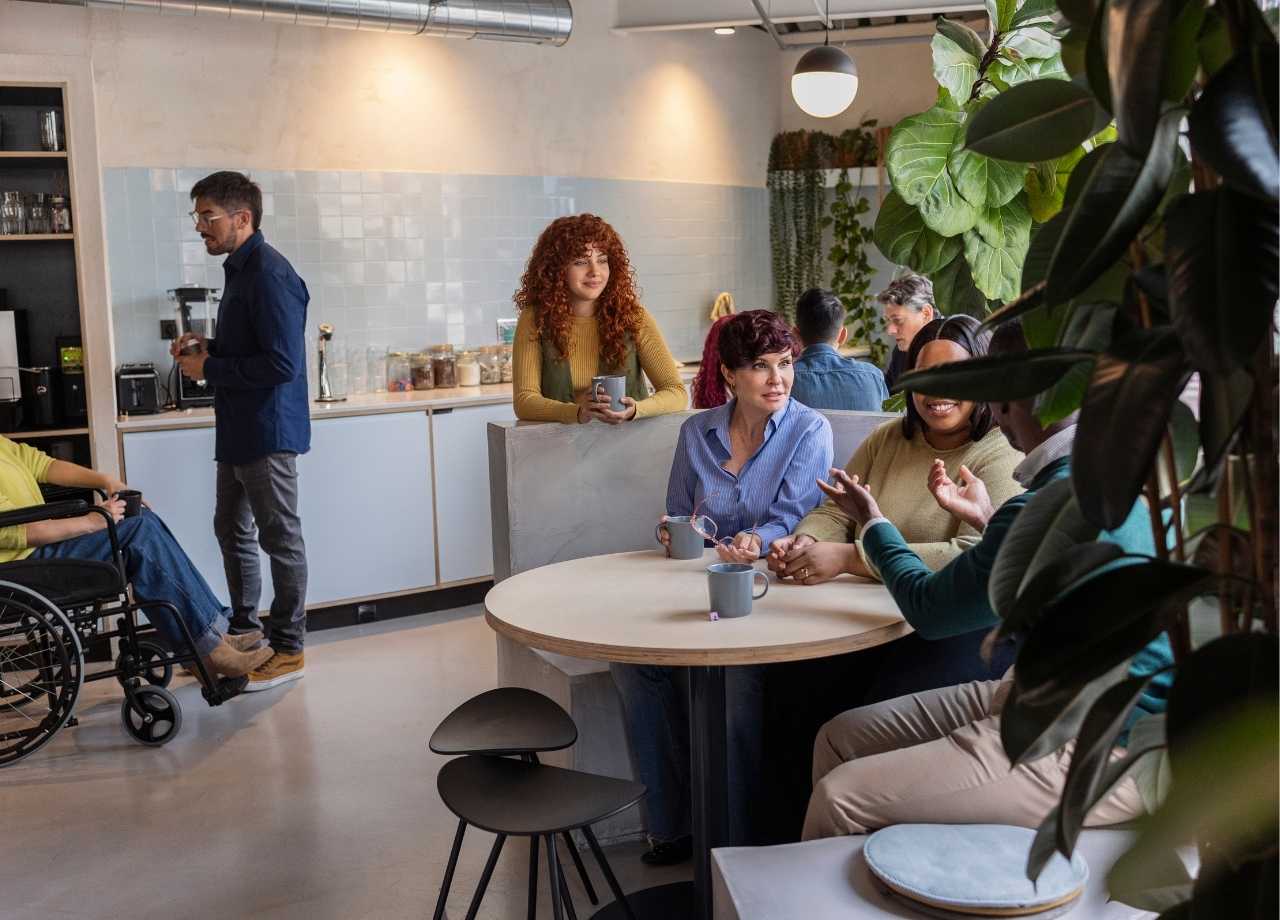
Workplace dining is no longer purely functional. Companies view these spaces as extensions of their brand and culture. Comfort, lighting, acoustics, and layout influence how employees use the space.
Facilities management solutions should support these experiential goals. Acoustic treatments can reduce noise during busy periods. HVAC zoning can prevent temperature discomfort near kitchen areas. Seating arrangements should balance collaboration and individual use.
Maintenance planning should protect aesthetic finishes. High-end materials in dining spaces require thoughtful cleaning protocols to prevent premature wear.
The physical environment influences perception. Well-maintained dining spaces signal organizational care and professionalism.
Data-Driven Oversight
Forward-thinking organizations apply data analytics to workplace dining facilities. Monitoring equipment runtime, maintenance frequency, and energy consumption allows facilities leaders to identify inefficiencies.
If dishwashers require repeated service calls, it may indicate usage patterns exceeding design assumptions. If ventilation systems show rising energy consumption, airflow balancing may be required.
Integrating dining-related assets into the broader CMMS platform ensures consistent tracking and reporting.
Data transforms dining facilities from isolated service areas into measurable components of overall building performance.
Facilities management solutions for workplace dining require more than standard building maintenance. They demand attention to food safety, mechanical intensity, occupancy fluctuations, and experiential design.
When properly managed, dining facilities operate smoothly, support workplace culture, and enhance employee satisfaction. When neglected, they quickly become sources of disruption and risk.
The most effective approach combines preventive maintenance, regulatory discipline, integrated building systems, and close collaboration with food service providers.
Workplace dining spaces sit at the intersection of infrastructure and experience. Managing them well strengthens both operational reliability and workplace engagement.