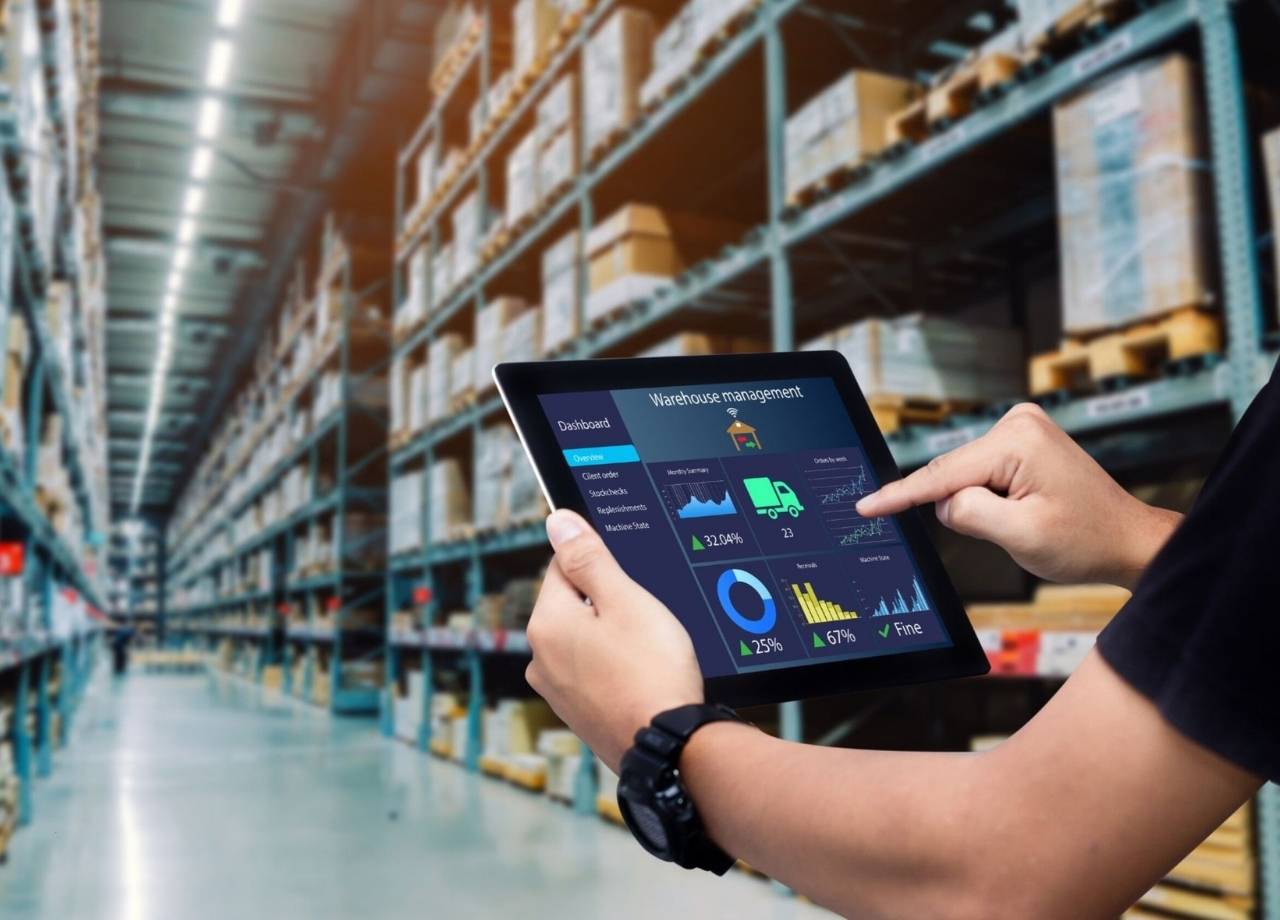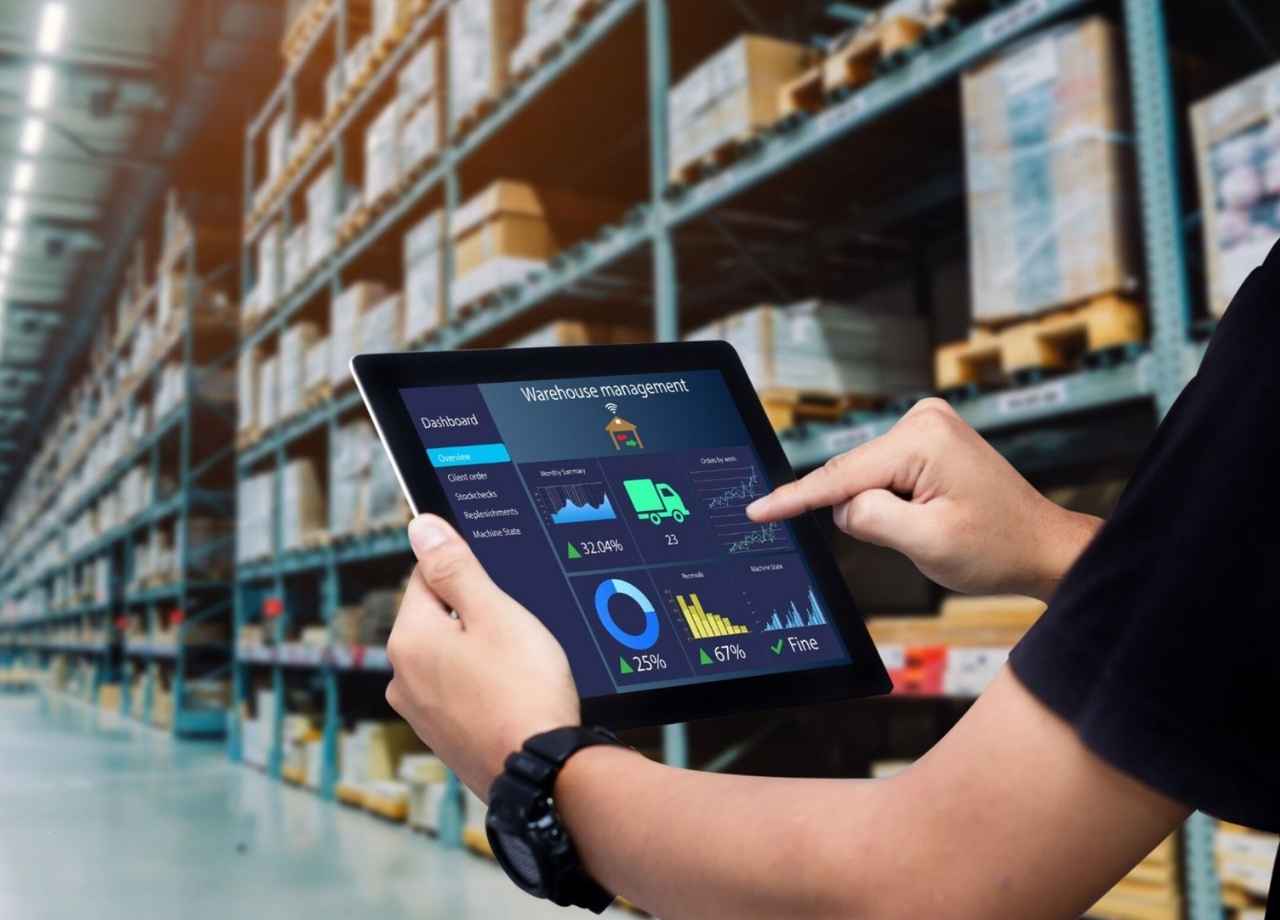
Connected sensors, intelligent devices, and advanced analytics can now allow buildings to communicate their condition continuously. Internet of Things technology has become one of the most influential forces shaping modern facility operations.
IoT facility management moves building oversight from scheduled inspections toward continuous awareness. Sensors measure environmental conditions, equipment behavior, and occupancy patterns in real time. Data flows into analytics platforms where artificial intelligence and machine learning identify patterns, detect anomalies, and recommend actions.
Facilities teams no longer need to wait for complaints or failures to understand how a building is performing. Infrastructure now reports its own status, creating an operational environment where insight arrives earlier and decisions happen faster.
The Foundation of Connected Building Infrastructure
IoT facility management begins with sensor networks distributed throughout the building environment. These sensors collect granular operational data that traditional building systems never captured.
Temperature, humidity, vibration, air quality, occupancy, water pressure, lighting levels, and energy consumption can all be measured continuously. Each sensor becomes part of a larger digital ecosystem that reflects how the building behaves moment by moment.
Modern IoT deployments often rely on low-power wireless technologies such as LoRaWAN, Zigbee, Bluetooth Low Energy, and Wi-Fi 6. Edge computing devices process some information locally before transmitting data to cloud platforms where deeper analytics occur.
Continuous monitoring transforms buildings from static infrastructure into dynamic operational systems.
From Monitoring to Predictive Intelligence
Raw sensor data alone does not create value. Intelligence emerges when analytics platforms evaluate patterns across thousands of data points.
Machine learning models examine historical equipment performance and correlate it with sensor readings. Vibration signatures from pumps and motors reveal early signs of mechanical wear. Subtle changes in airflow patterns can signal HVAC imbalances long before occupants notice discomfort.
IoT facility management platforms translate these signals into predictive maintenance alerts. Maintenance teams receive early warnings that equipment performance is trending outside expected ranges.
Predictive insight dramatically reduces emergency repairs. Spare parts can be ordered before failure occurs. Service visits can be scheduled during low-impact windows. Equipment lifespan often increases because issues are resolved before damage spreads.
Facilities shift from reacting to breakdowns toward actively preventing them.
Environmental Intelligence and Indoor Experience
Workplace environments increasingly prioritize occupant comfort and well-being. IoT systems provide precise insight into environmental quality across the building.
Air quality sensors measure particulate matter, carbon dioxide levels, and volatile organic compounds. Humidity sensors track moisture conditions that affect both comfort and building materials. Temperature monitoring ensures climate control remains consistent throughout different zones.
Facility teams can respond immediately when environmental metrics drift outside optimal ranges. HVAC systems adjust airflow automatically when occupancy sensors detect crowded meeting rooms. Lighting systems adapt to natural daylight availability and room usage patterns.
These adjustments occur without manual intervention, creating indoor environments that adapt continuously to human activity.
Energy Optimization Through Real-Time Data
Energy efficiency represents one of the most significant opportunities for IoT facility management. Traditional energy monitoring often relies on monthly utility reports that arrive long after consumption occurs.
IoT systems track energy usage in real time at the equipment level. Power sensors installed on mechanical systems reveal how individual components contribute to overall consumption.
Machine learning algorithms analyze this data alongside occupancy patterns and weather forecasts. HVAC schedules adjust dynamically based on predicted building demand. Lighting systems reduce output in underutilized areas. Ventilation rates adapt to actual occupancy rather than fixed schedules.
Buildings begin operating as energy-aware systems that balance comfort with efficiency automatically.
Smart Water and Infrastructure Monitoring
Water infrastructure is another area where IoT technologies are making significant progress. Leak detection sensors placed in mechanical rooms, restrooms, and piping networks provide early alerts when moisture appears unexpectedly.
Smart flow meters monitor water consumption across the building. Unusual patterns may signal hidden leaks or malfunctioning equipment. Early intervention prevents structural damage and costly repairs.
Infrastructure monitoring also extends to structural health. Sensors embedded in bridges, large commercial buildings, and industrial facilities can measure vibration patterns, stress loads, and material fatigue. Facilities teams gain early insight into structural performance trends.
Infrastructure becomes observable in ways that were previously impossible.
Digital Twins and Real-Time Building Models
IoT data feeds directly into digital twin platforms, creating virtual models that mirror the physical building environment. Digital twins update continuously as sensor data streams into the system.
Facility leaders can analyze system performance through the digital model rather than relying solely on physical inspections. Simulation tools allow teams to explore how building systems respond to operational changes.
Energy consumption scenarios can be modeled before adjustments are implemented. HVAC configurations can be tested virtually to determine which approach maintains comfort while reducing consumption.
Digital twins turn IoT data into an interactive decision-making environment.
Portfolio-Wide Visibility
Organizations managing large property portfolios often struggle with inconsistent operational performance across sites. IoT platforms unify building data from multiple locations into centralized dashboards.

Facilities leaders can compare environmental conditions, energy usage, and equipment health across the entire portfolio. Performance anomalies become visible immediately.
A building consuming significantly more energy than similar properties can be flagged for investigation. Equipment failure trends can be tracked across regions. Vendor performance can be evaluated through service response metrics tied to sensor alerts.
Portfolio oversight becomes data-driven rather than anecdotal.
Cybersecurity and Infrastructure Protection
Greater connectivity introduces additional cybersecurity responsibilities. IoT sensors and connected devices must be deployed within secure network architectures.
Modern facility management systems implement encrypted communications, segmented networks, and strict access controls to protect building infrastructure. Collaboration between facility operations and IT security teams is essential during deployment.
Secure device management ensures that sensors receive firmware updates and maintain reliable communication with central platforms.
Protection of operational technology networks becomes as important as protecting traditional IT systems.
Edge Computing and Real-Time Processing
Many modern IoT deployments rely on edge computing to process data closer to the source. Edge gateways analyze sensor signals locally before transmitting summarized information to cloud platforms.
This approach reduces latency and bandwidth requirements. Immediate decisions, such as shutting down a malfunctioning pump or triggering an alarm, can occur instantly at the edge without waiting for cloud processing.
Edge computing also improves system resilience. Buildings maintain operational awareness even if external network connectivity experiences temporary disruption.
Local intelligence complements centralized analytics.
The Human Role in IoT-Driven Facilities
IoT facility management enhances the capabilities of facility professionals rather than replacing them. Technicians still perform inspections, repair equipment, and implement system improvements.
Sensor networks and analytics platforms provide deeper insight into operational conditions. Facility teams spend less time searching for problems and more time addressing confirmed issues.
Data literacy becomes increasingly important within facility management teams. Professionals who understand how to interpret IoT analytics will lead the transition toward more intelligent building operations.
Technology expands the reach of human expertise.
Future IoT developments will push facility management even further toward autonomous operations. Artificial intelligence models will integrate sensor data with predictive algorithms capable of adjusting building systems automatically.
Smart grids will allow buildings to interact dynamically with energy providers, adjusting consumption during peak demand periods. Urban infrastructure will connect multiple buildings into shared data networks that optimize energy use across entire districts.
Facilities will evolve from isolated structures into intelligent nodes within broader digital ecosystems.
IoT facility management is redefining how buildings operate. Continuous data collection, predictive analytics, and intelligent automation transform infrastructure from reactive assets into responsive systems.
Buildings equipped with IoT capabilities deliver greater efficiency, improved occupant comfort, stronger risk management, and clearer operational insight.
Facility leaders who adopt connected technologies early will gain deeper visibility into building performance and greater control over operational outcomes.