The quality of a learning environment depends not only on curriculum and faculty, but also on the physical space that supports students and staff each day. From K–12 schools to large public universities, facility conditions influence academic performance, health, safety, and even enrollment decisions. School facility management plays a central role in sustaining these environments with a unique set of challenges rarely seen in commercial or industrial sectors.
Education leaders must ensure buildings are safe, operational, and conducive to learning while managing tight budgets, aging infrastructure, and seasonal usage patterns. Facility decisions carry long-term impact, both financially and socially. Parents, teachers, students, and the community expect school buildings to reflect institutional integrity, security, and care.
The Demands of Educational Facility Management
Educational facilities function with rhythms and requirements that differ from private sector buildings. Class schedules, testing seasons, extracurricular activities, and summer programs all affect how and when maintenance can occur. Occupancy is high, wear and tear is constant, and interruptions must be avoided.
Schools also face intense public scrutiny. Facility failures—even minor ones—can attract media attention and shake community confidence. A leaking roof or malfunctioning HVAC system is not just a maintenance issue, but a public concern. School facility managers carry responsibility not just for operational performance, but for public trust.
Unlike commercial buildings, education facilities are long-term public assets. Decisions made today—about upgrades, repairs, or deferred maintenance—will affect students for decades. That puts pressure on administrators to make informed, strategic decisions with limited resources.
Student Safety as a Primary Responsibility
Safety is the defining standard in school facility management. Physical security, air quality, fire protection, emergency readiness, and ADA compliance are not optional—they are expectations. With growing awareness of school safety nationwide, facility leaders must work in close coordination with district security teams, local fire departments, and emergency planners.
A single building might house thousands of students, many of whom are minors. That creates legal and ethical responsibilities far beyond what’s found in a standard office or retail environment. Building systems, custodial services, access control, and environmental health all contribute to a safe space.
Facility staff must ensure that egress paths are unobstructed, that HVAC systems maintain safe air exchange rates, and that playground surfaces meet injury-prevention standards. These aren’t abstract concerns—they are daily realities. The quality of facility management directly supports a school’s ability to protect its students.
Managing Maintenance Around the Academic Calendar
One of the most distinct challenges in school facility management is the seasonal schedule. With classrooms and hallways occupied throughout the academic year, many of the most disruptive or resource-intensive maintenance projects must be compressed into summer months.
Roof repairs, deep cleaning, equipment replacements, floor refinishing, and mechanical upgrades are often scheduled in narrow windows between semesters. Delays or missteps during this period can lead to incomplete work when students return. Facilities teams must plan months in advance and coordinate with vendors and administrators to meet strict timelines.
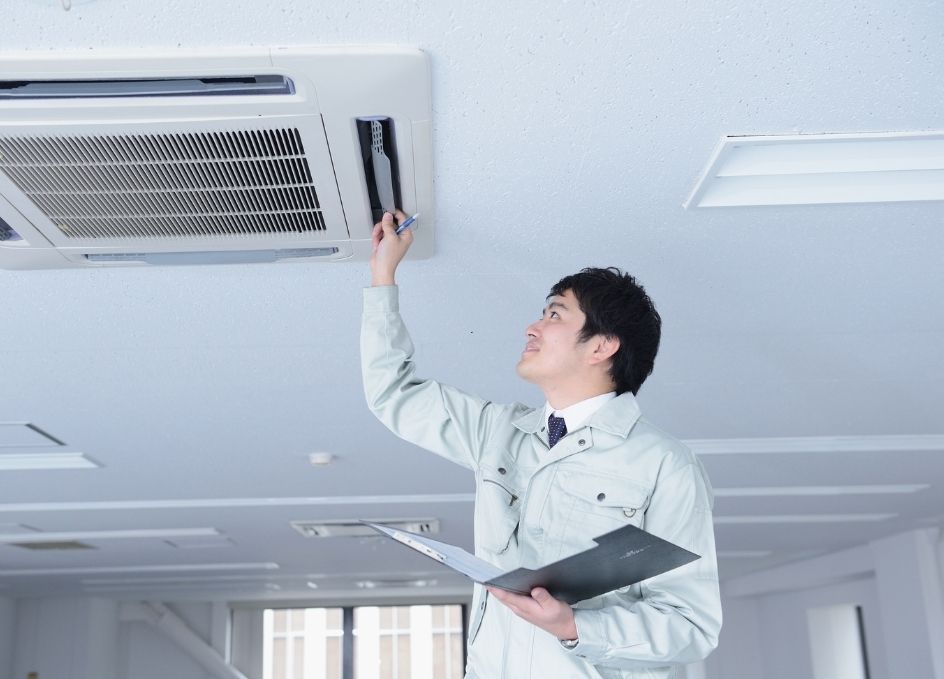
Unscheduled issues during the school year require rapid response with minimal disruption. A failed heating unit in January or a water leak near a lab must be addressed immediately—without cancelling instruction or displacing students.
Well-run school facilities departments treat the academic calendar as a critical project schedule. They track asset condition, forecast maintenance needs, and prepare to execute capital work during designated breaks. This minimizes academic interference while protecting infrastructure.
Dealing with Aging Infrastructure
Many school systems are grappling with buildings constructed decades ago. Mechanical systems, plumbing, electrical wiring, roofing, and windows may be long past their original service life. Even when buildings remain structurally sound, older systems often create rising operational costs and frequent service interruptions.
Retrofits are often expensive, and complete overhauls may be beyond current budgets. This places facility managers in a difficult position: stretching performance from outdated equipment while planning upgrades in stages. It requires experience, creativity, and discipline to deliver reliability under these constraints.
Energy efficiency upgrades, classroom comfort improvements, and ADA retrofits are frequently needed, but rarely affordable in a single budget cycle. Facilities teams must prioritize based on risk, lifecycle cost, and educational impact. Strong recordkeeping and transparent reporting help administrators make the case for funding.
In higher education, aging infrastructure is often combined with expanding technology demands. Classrooms built for chalkboards and overhead projectors now need to support streaming lectures, digital lab equipment, and networked devices—all while maintaining legacy systems that were never designed for this load.
Budget Pressure and the Need for Strategic Planning
Public schools and universities often operate under budget constraints that challenge even the most basic facility goals. Maintenance is one of the first areas affected by cuts, but also one of the most costly areas to defer. Neglected roofs leak. Uninspected boilers fail. Deferred maintenance doesn’t go away—it becomes more expensive.
Facility management teams are expected to do more with less, often without increasing headcount or expanding vendor resources. Preventive maintenance programs help mitigate future costs, but require long-term thinking. Administrators must weigh short-term savings against long-term risk.
Strategic planning, life-cycle cost analysis, and capital forecasting become essential. Facility management must be fully integrated into the district’s or university’s operational strategy. When data supports decisions, school boards and finance committees are more likely to approve necessary funding.
Community members, parents, and faculty also need to see evidence that school environments are being maintained responsibly. Transparency builds trust, especially when budgets are tight.
Building Community Through Better Facilities
Well-managed facilities support more than academics. They foster community. Clean, comfortable, and well-maintained spaces reflect a commitment to student well-being and educational excellence. They become places where families gather, teams practice, and events are held. In many communities, schools serve as emergency shelters or public meeting places.
Facility conditions influence perception. Schools that are bright, safe, and functional reinforce public confidence. Those that appear neglected undermine enrollment and may even drive families elsewhere.
School facility management, then, is not just about operations. It is about stewardship—of public funds, student safety, and institutional reputation.
Effective school facility management balances complex demands: student safety, academic schedules, aging systems, and budget constraints. Success in this field requires leadership, planning, and accountability. School Board Administrators and University Deans must treat facility operations as strategic assets that support education, protect students, and serve the broader community.
Strong facilities don’t just house learning. They help make it possible. With the right planning, support, and investment, schools and universities can maintain environments that reflect their commitment to excellence.