Transportation corridors depend on more than pavement and bridges to remain functional and attractive. Healthy landscaping helps control erosion, stabilize soil, improve stormwater management, and create a more welcoming environment for the traveling public. Restoring those landscapes requires careful planning, experienced project management, and the ability to work safely within active roadway environments.
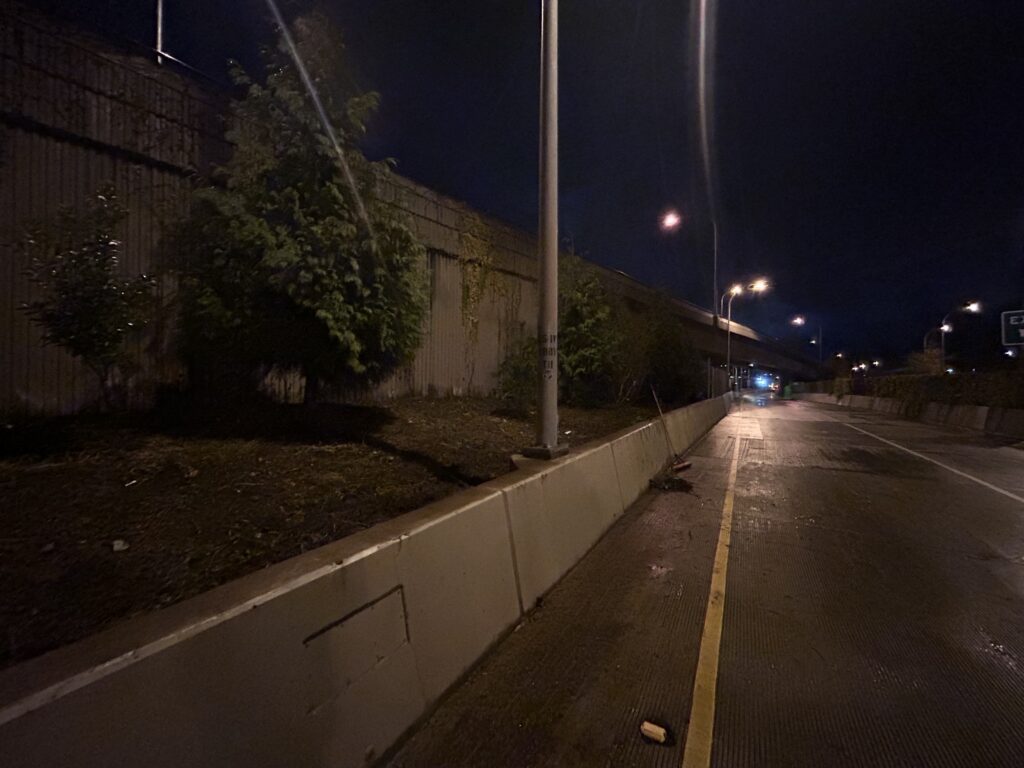
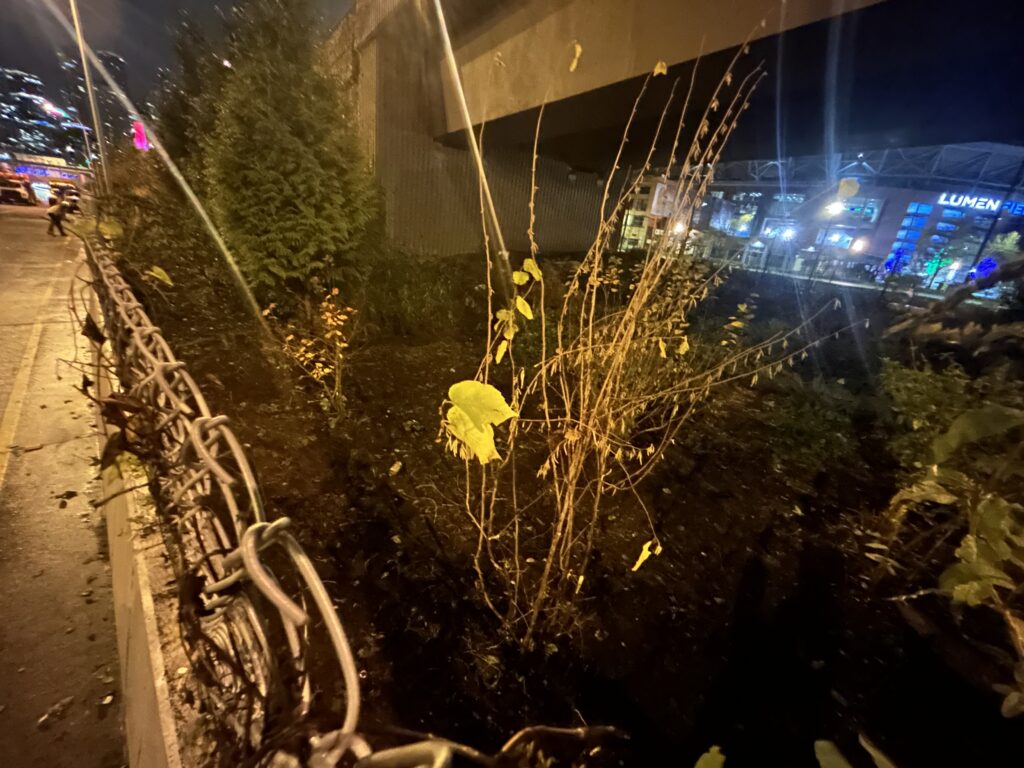
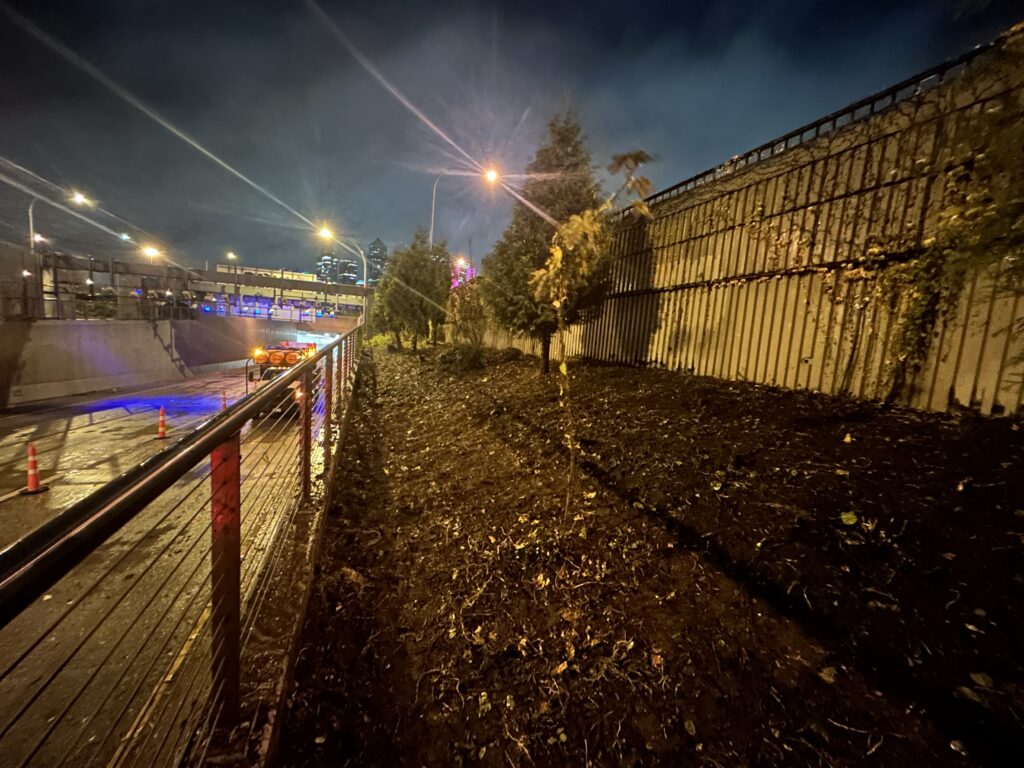
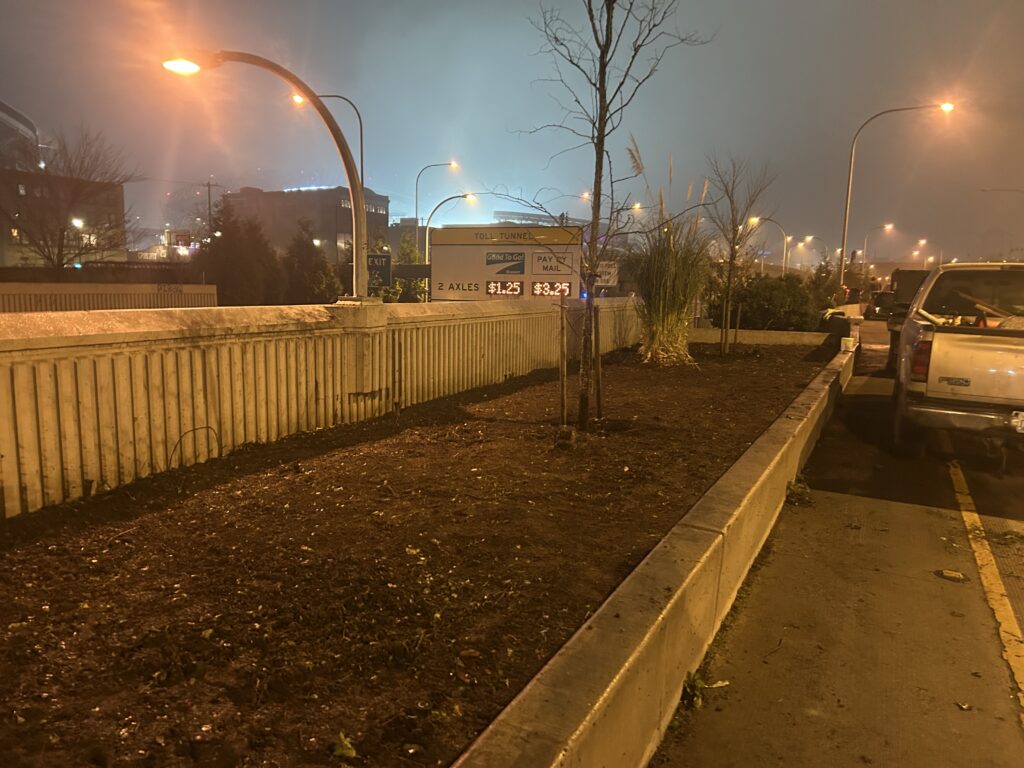
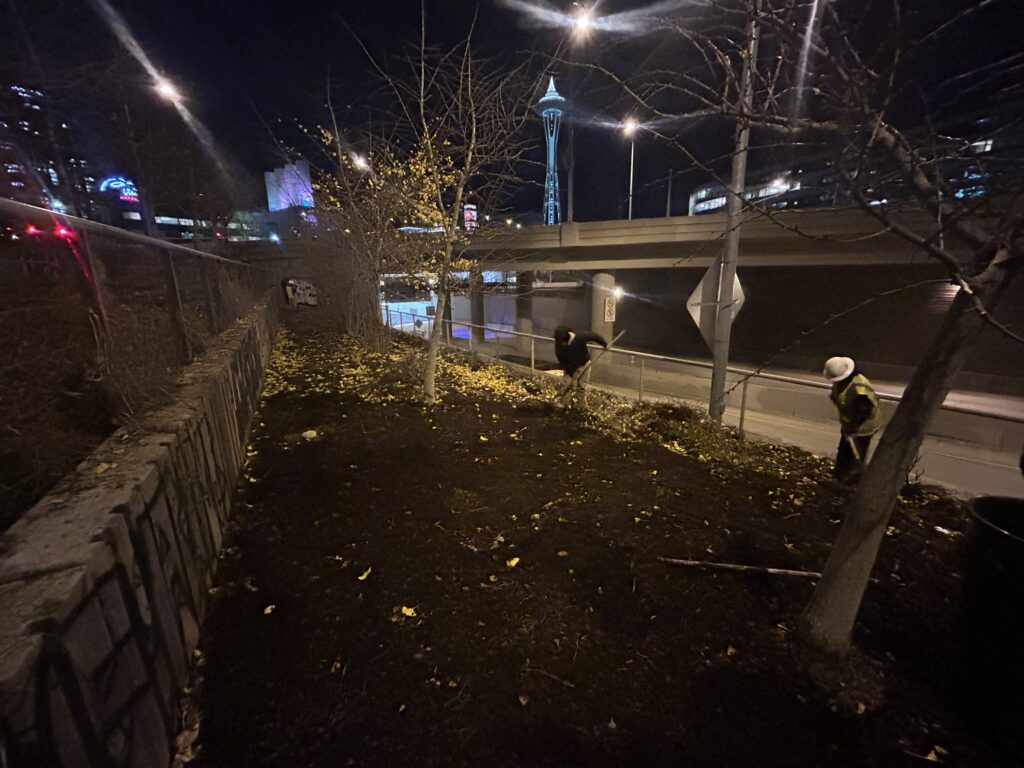
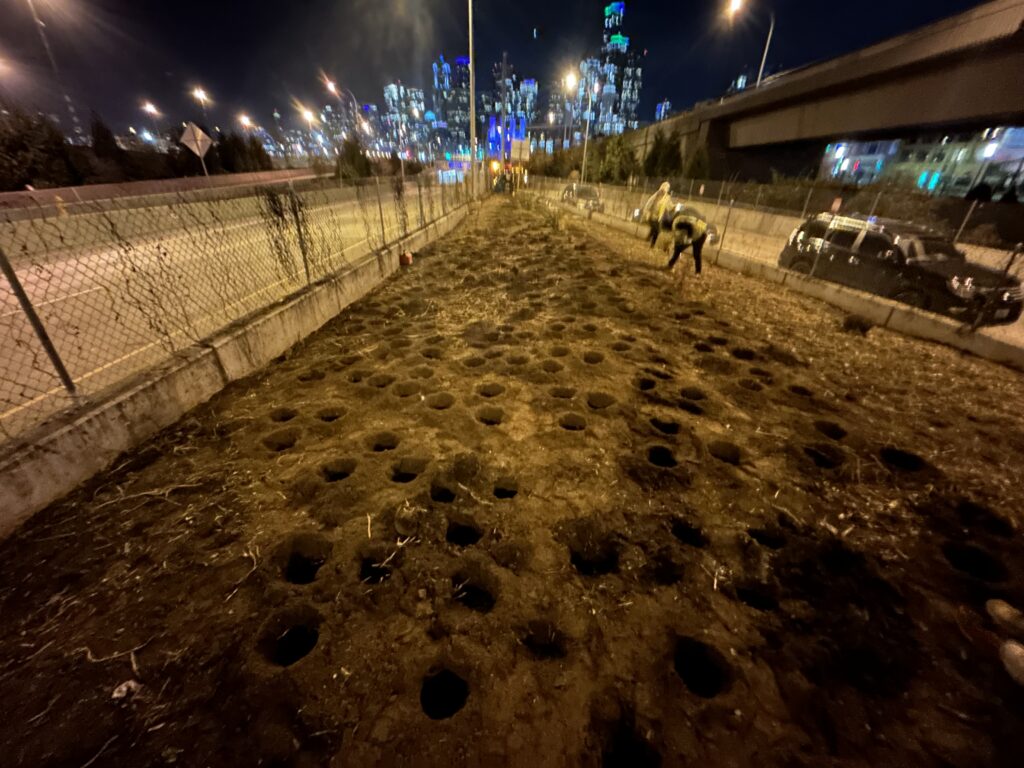
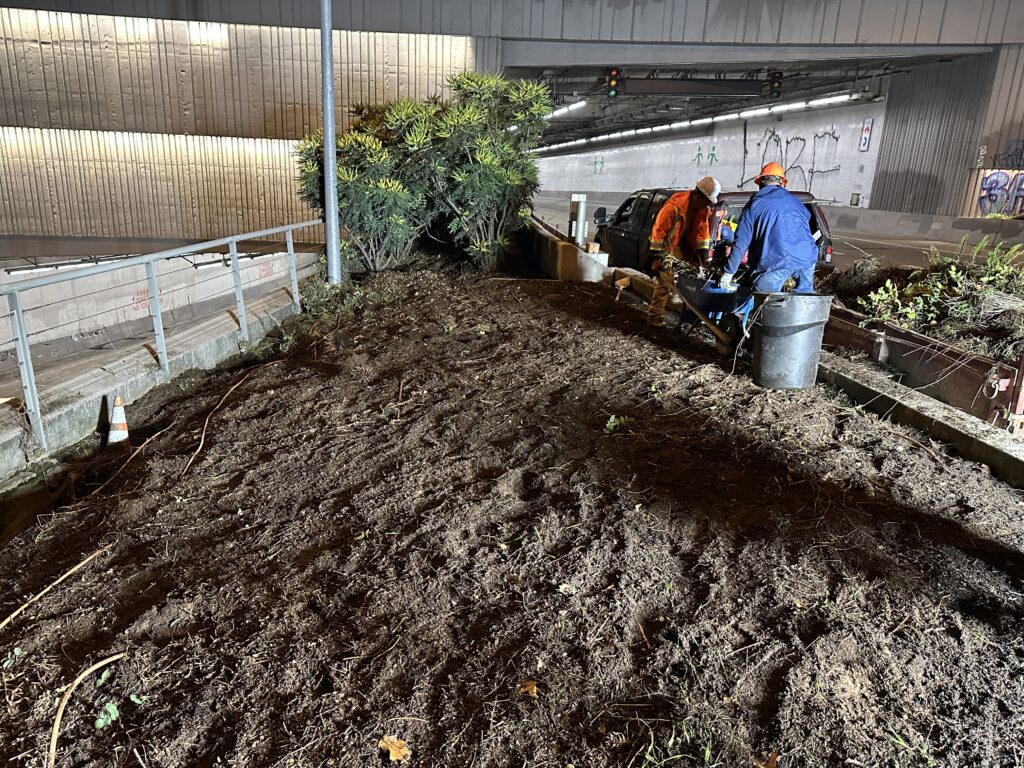
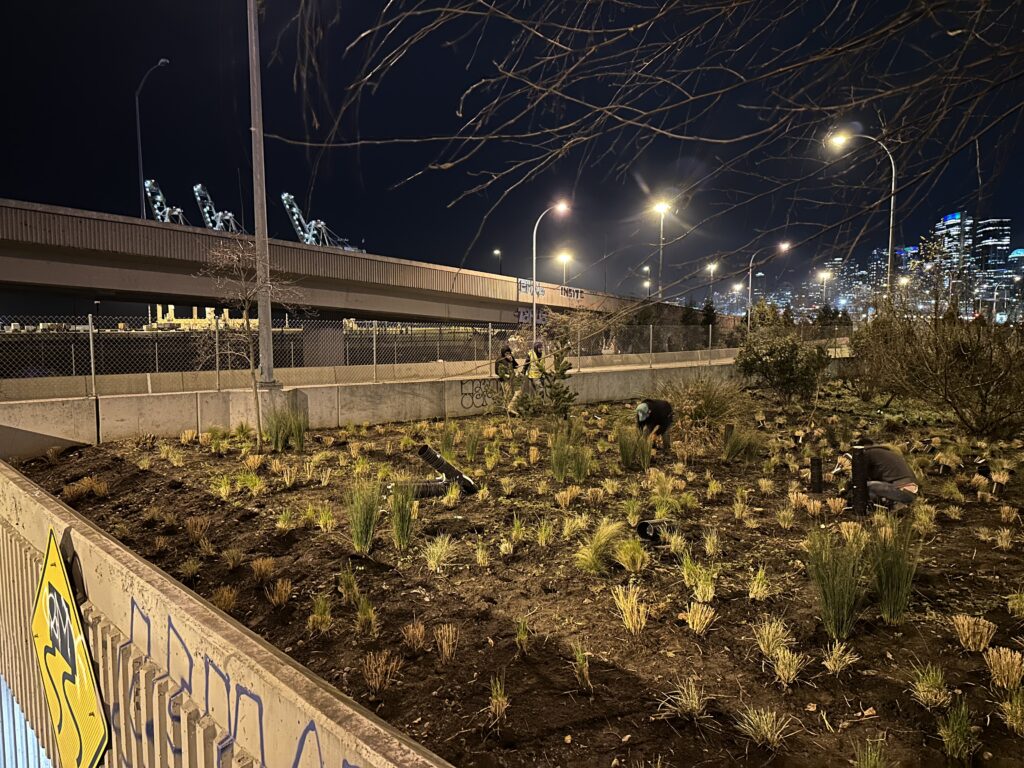
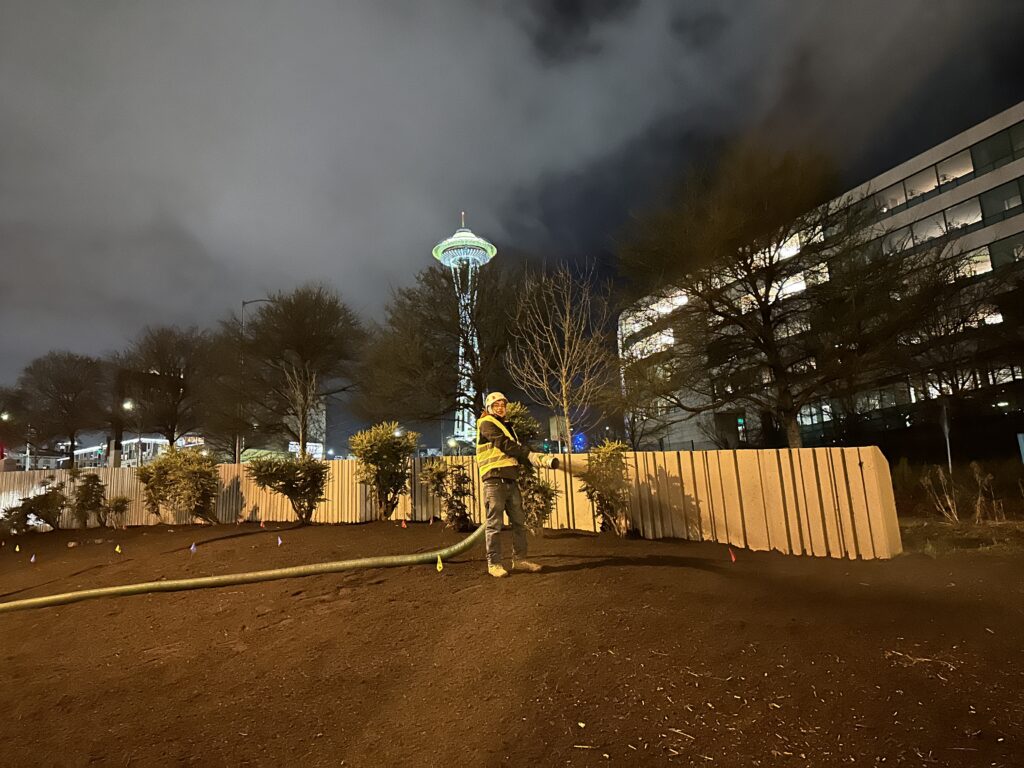
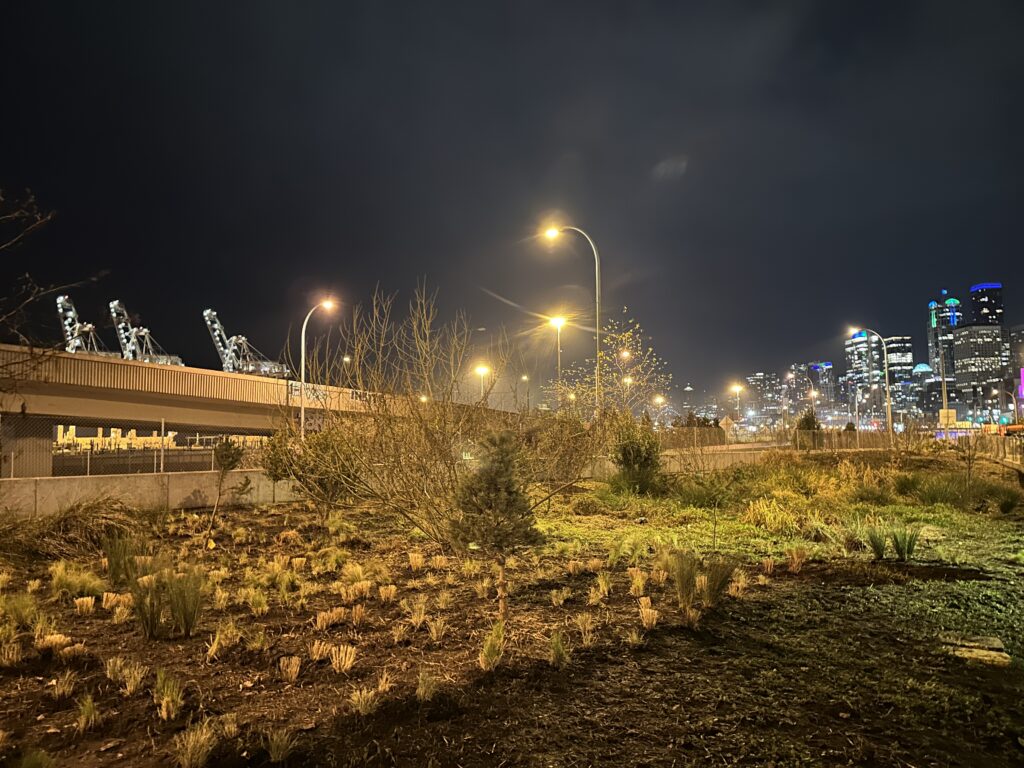
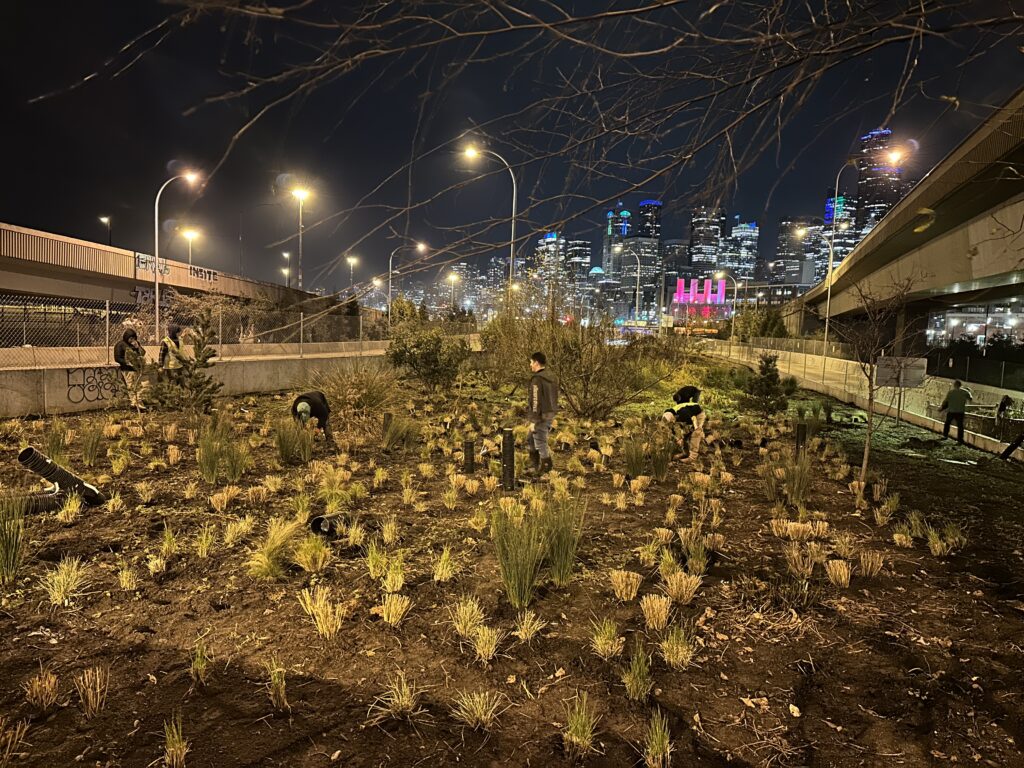
National Facility Contractors recently completed a landscape restoration project for the Washington State Department of Transportation (WSDOT) at the SR 99 Tunnel in Seattle. The project restored approximately 1.5 acres of landscaped areas across 11 separate planter zones located at the tunnel’s north and south portals.
Managing Landscape Restoration in Active Transportation Corridors
Unlike traditional commercial landscaping, highway landscape restoration presents unique challenges. Every work area must be carefully coordinated around traffic control requirements, public safety, existing infrastructure, and strict project specifications.
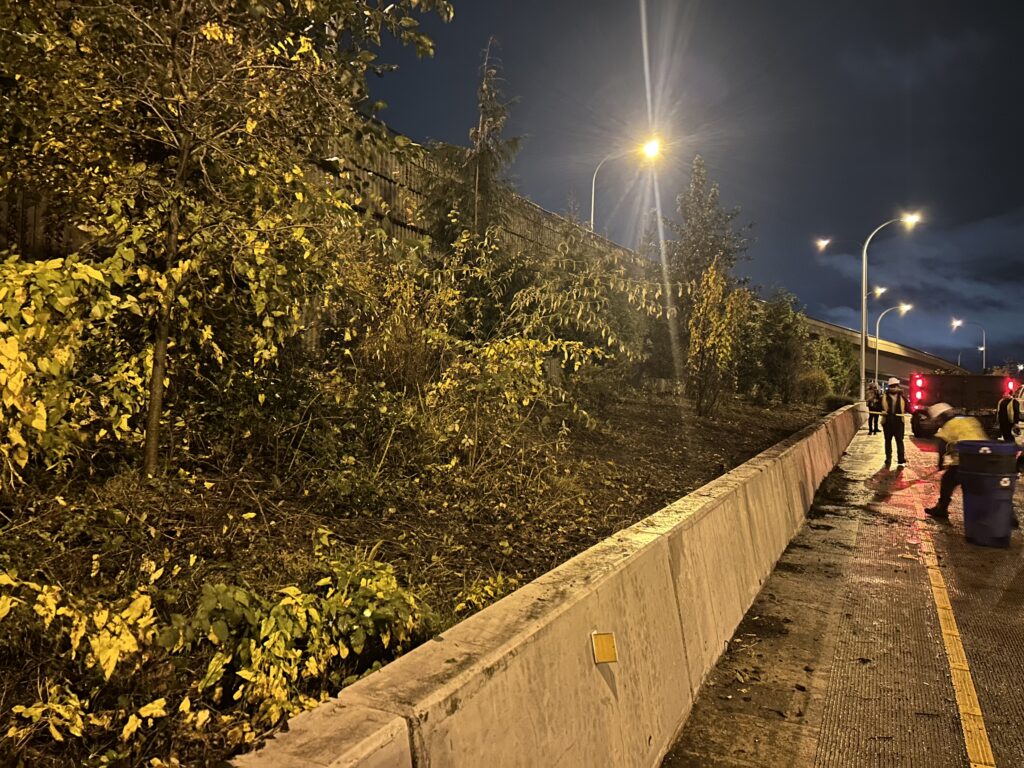
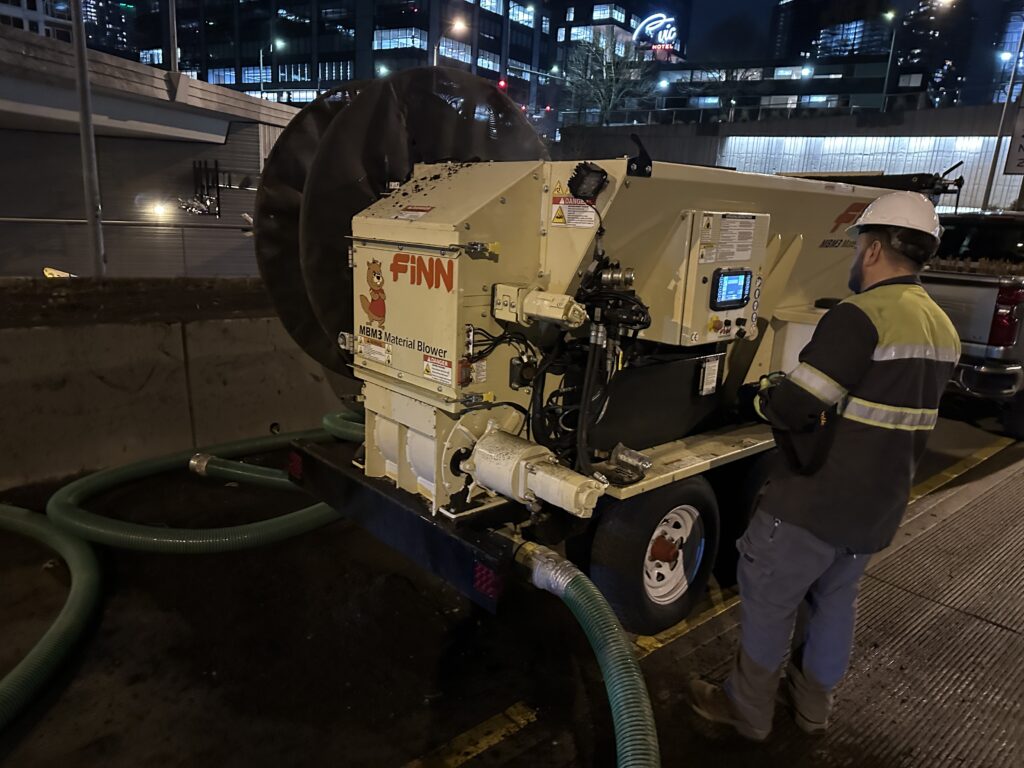
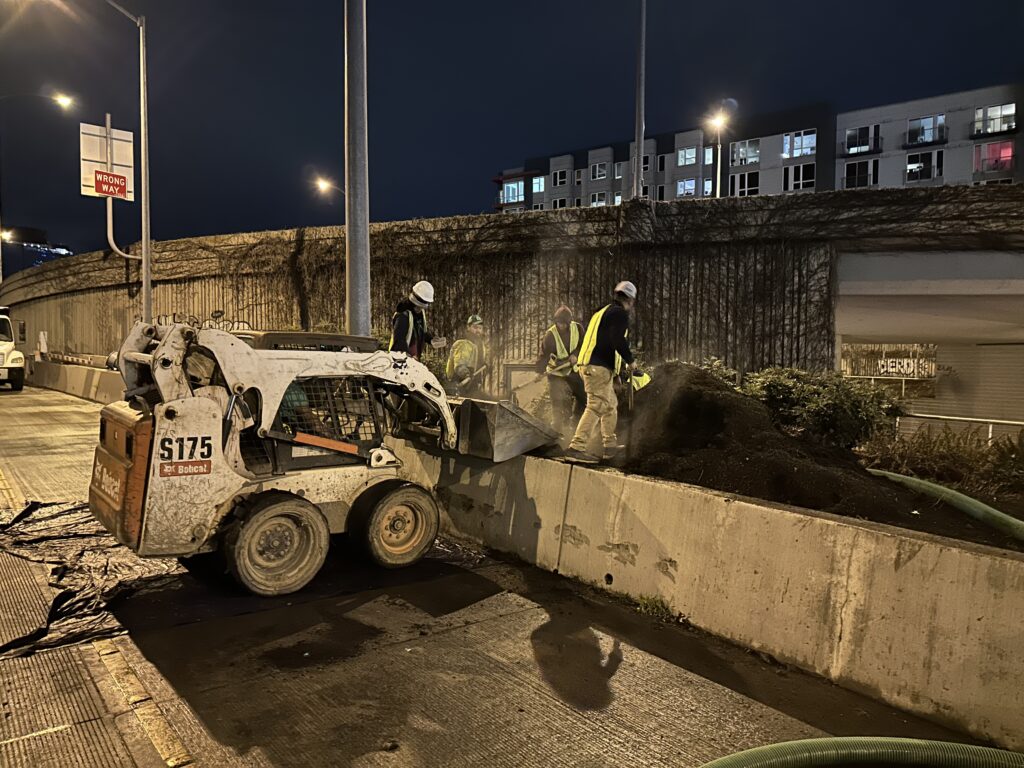
For the SR 99 project, each of the 11 planter areas functioned as its own traffic-controlled work zone. Crews coordinated site access, material deliveries, equipment movement, and installation schedules to complete work efficiently while minimizing disruption to one of Seattle’s busiest transportation routes.
Projects of this scale require more than skilled installation crews. They demand detailed scheduling, communication between stakeholders, and experienced field management to keep work moving safely and efficiently from start to finish.
Preparing the Site for Long-Term Success
Successful landscape restoration begins below the surface. Before new vegetation can thrive, the existing site must be properly cleared and prepared.
During the SR 99 project, National Facility Contractors:
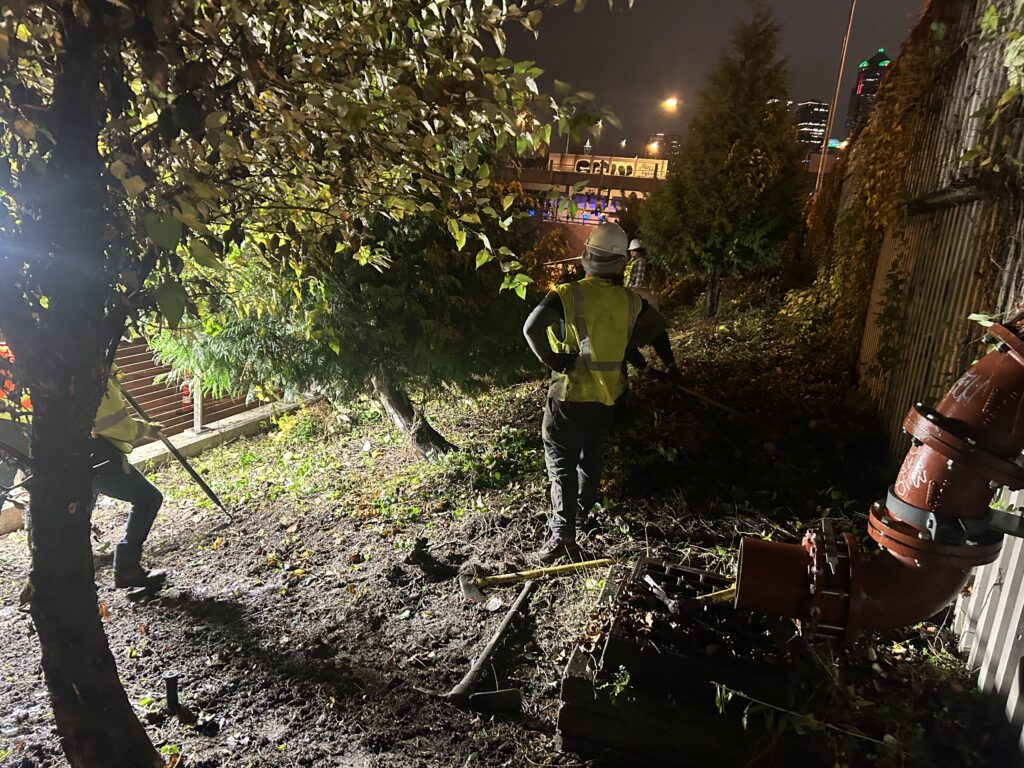
- Cleared and grubbed 195 cubic yards of vegetation and waste material
- Prepared approximately 1.5 acres of planting beds
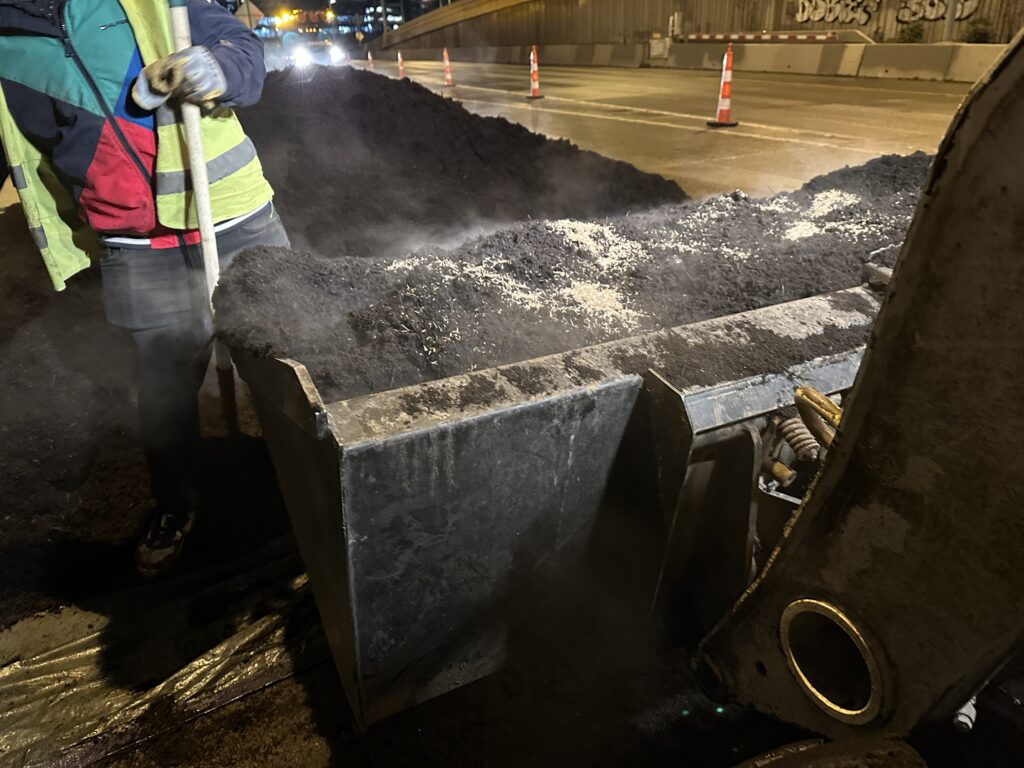
- Installed 18,000 square feet of compost seeding mixture
- Added nearly 100 cubic yards of mulch and soil amendments
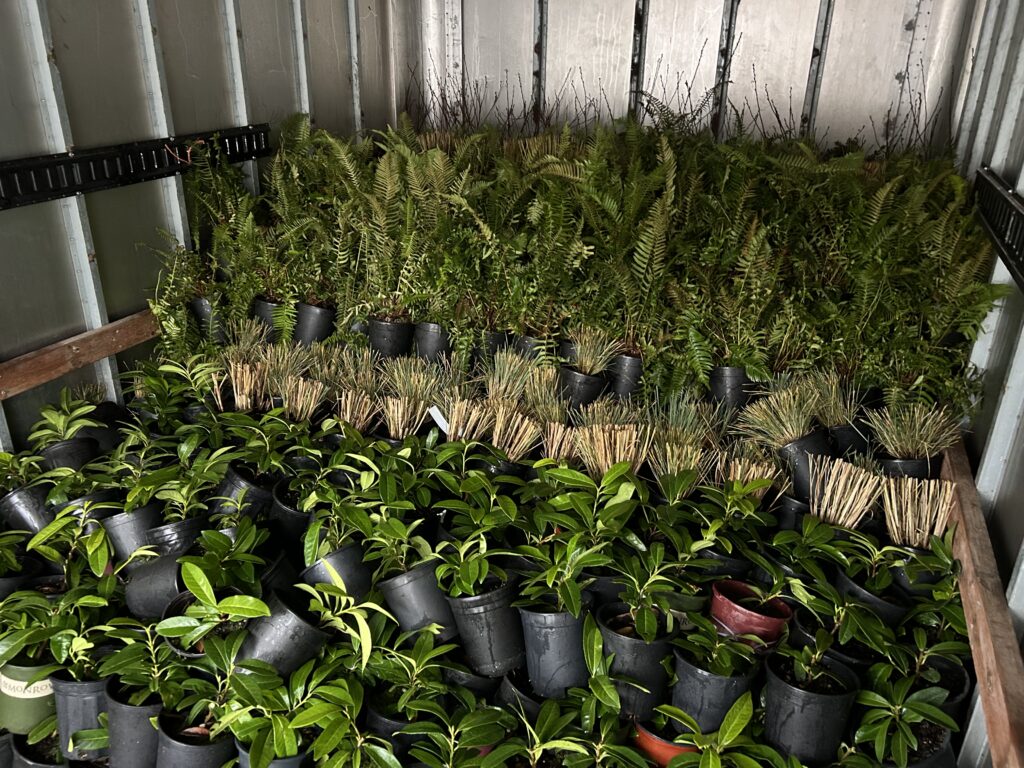
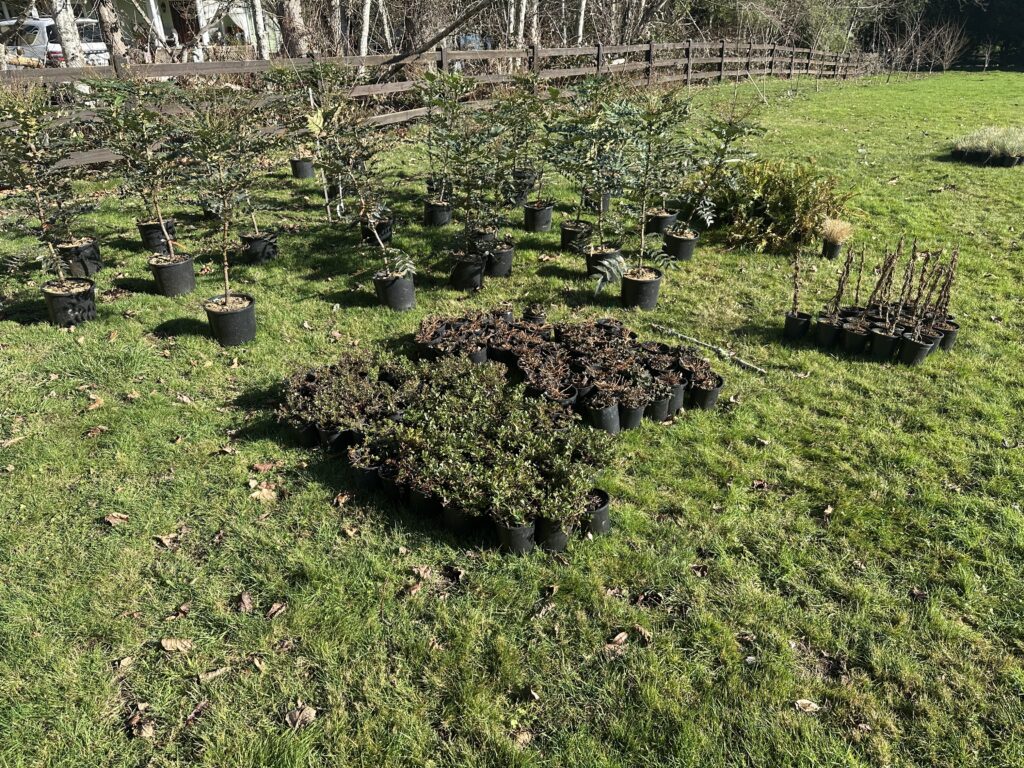
- Installed 5,980 new plants throughout the restoration area
Proper soil preparation improves drainage, increases organic matter, supports healthier root development, and creates the foundation for long-term landscape performance. These practices also help reduce erosion and improve the overall resilience of roadside plantings.
Coordinating Thousands of Plant Installations
Large public infrastructure projects require far more coordination than simply installing plants.
The SR 99 restoration included thousands of trees, shrubs, grasses, and groundcover plants placed according to detailed WSDOT landscape plans. Each planting area required careful sequencing following vegetation removal, soil preparation, compost installation, and mulching activities. The project specifications also included protection of existing trees, irrigation systems, retaining walls, sidewalks, and other roadway infrastructure throughout construction. The restoration plan provides for three years of plant establishment to help ensure long-term success.
Executing work at this level requires experienced project managers who can coordinate crews, materials, inspections, traffic control, and client communication while maintaining consistent quality across every phase of the project.
Why Project Management Matters in Large Landscape Restoration Projects
The success of large-scale landscape restoration depends as much on management as installation.
With multiple work zones operating simultaneously, project managers must coordinate schedules, allocate labor efficiently, monitor material deliveries, maintain safety compliance, and respond quickly to changing site conditions. Effective management reduces delays, keeps projects on schedule, and helps ensure every phase of work meets owner specifications.
Whether restoring highway corridors, commercial campuses, municipalities, or multi-site properties, organized project management allows complex landscape projects to move forward without sacrificing quality or safety.
Delivering Complex Government Landscape Projects
The SR 99 Tunnel landscape restoration demonstrates the level of planning, coordination, and execution required for transportation infrastructure projects. From site preparation and soil improvement to large-scale planting and ongoing establishment planning, every phase required close coordination with WSDOT standards and multiple traffic-controlled work areas.
National Facility Contractors continues to support public agencies, municipalities, and commercial organizations with large-scale landscape restoration projects that demand experienced management, detailed planning, and consistent execution. By combining national resources with disciplined project oversight, NFC delivers landscape improvements that are built for long-term performance while keeping complex projects on schedule and under control.
Lorem ipsum dolor sit amet, consectetur adipiscing elit. Ut elit tellus, luctus nec ullamcorper mattis, pulvinar dapibus leo.