Floor Maintainance for High-Traffic Warehouse Facilities
In high-traffic warehouse environments, flooring takes a beating every hour. Forklifts, pallet jacks, and foot traffic grind down coatings faster than most realize. Left unchecked, this wear leads to safety hazards, slower operations, and costly resurfacing. Proper maintenance isn’t just about appearance—it’s essential to keeping warehouses safe, efficient, and productive.
Daily Surface Care That Keeps Things Rolling
Step onto a warehouse floor just after a shift change and you’ll feel it under every boot: grit, dust, and fine debris. Grit wears down coatings faster than forklifts. My own routine became: sweep at shift start, dust-mop midday, then run an auto-scrubber with soft pads. That three-step approach removed particles before they ground against finish and wheels. Operators reported smoother forklift rides and fewer slip hazards.
Timing Matters More Than You Think
Peak traffic often hits during dock loading or lunch breaks. I scheduled light sweeping during shift overlaps, allowing cleaning without slowing movement. Wet scrubbing came mid-shift—after major bin relocations—when traffic eased and scrubbers caused less disruption. Clean floors, no bottlenecks.
Trading Pad Types for Better Results
Auto-scrubber pads matter. I moved from firm abrasive pads to soft, non-abrasive ones for epoxy surfaces. Micro-scratches vanished, and the floors’ subtle shine returned—without added burnishing. Within a week, cleaning cycles stretched further apart and coatings looked fresher.
Recognizing Early Warning Signs
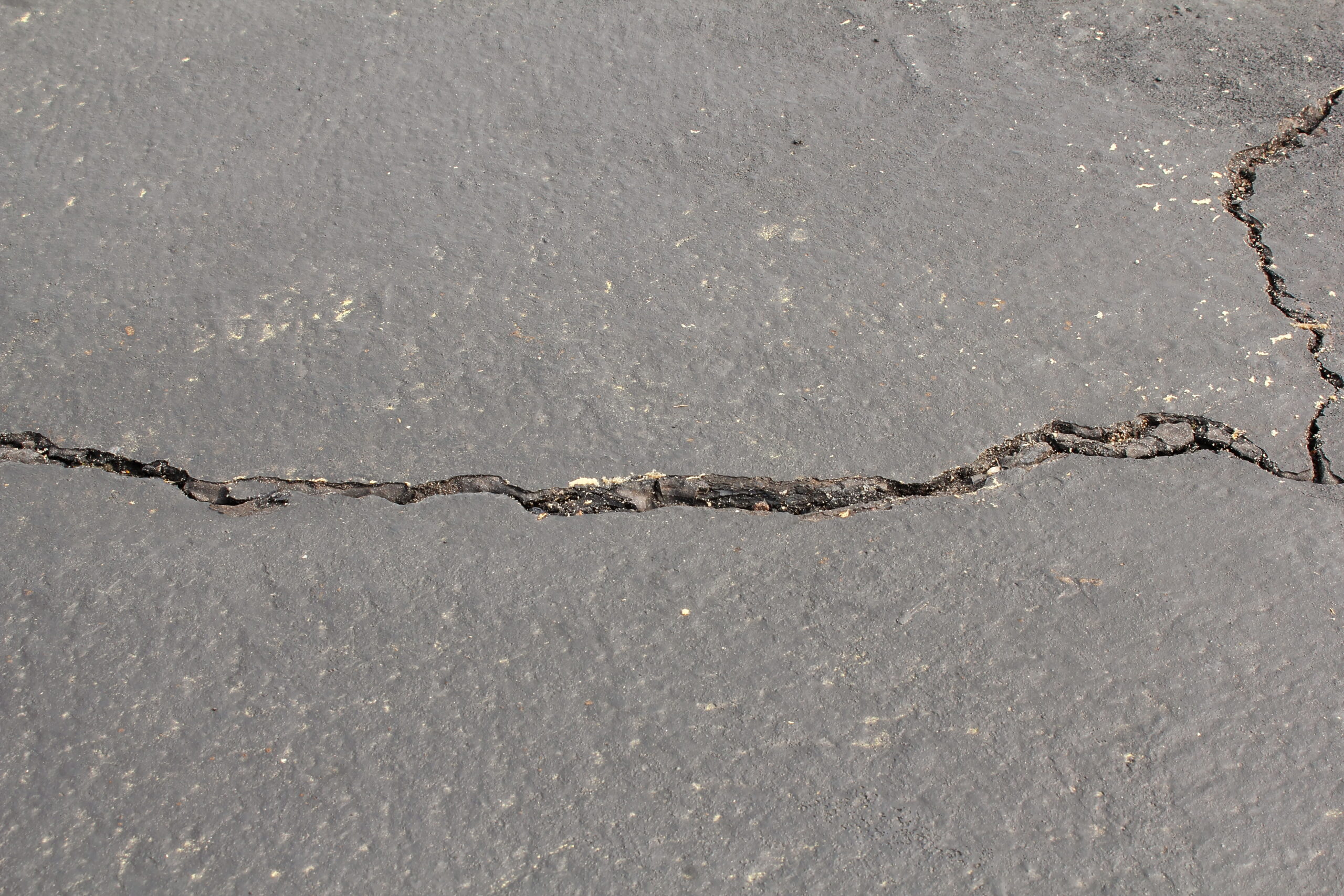
One morning while moving a loaded pallet, I hit rough patches near a drain. That tactile feedback led me to investigate. Moisture had seeped into cracks, weakening sealer adhesion. Quick repair and re-sealing followed. Waiting for visible stains would’ve allowed more costly damage.
Prioritizing Quality Sealers
Water-based sealers wear out fast under forklift traffic. I tested solvent-based epoxy and polyaspartic sealers. The upfront cost was higher, but durability paid off. Epoxy handled loading cycles better, resisted fork abrasion, and extended visible wear time. Applying under the right humidity and temperature locked in performance.
Gear That Fits the Floor
Forklift wheel type impacts coating lifespan. Hard wheels beat up concrete; poly wheels ride softer and reduce chipping. We switched to poly wheels in staging zones. They picked up more debris, so we increased vacuuming near load areas.
Empowering Everyone as Observers
Hazards aren’t just crates and cords—hydraulic drips, spilled drinks, or dust buildup pose risks. I trained staff to spot and report slick spots early. One team’s vigilance likely prevented at least one slip-and-fall claim during my tenure. Small actions, big safety wins.
Adding Grip Where It Counts
In walkways and around equipment, non-slip coatings improved traction. Safety reports showed a drop in near-miss incidents. Coated zones also reinforced safe walking paths, encouraging better traffic discipline visually and physically.
Lighting the Way to Better Observations
Low lighting hides damage. We installed LED strips along racking lines. Suddenly, cracks and gouges stood out. Operators began messaging maintenance with photos. Repairs happened faster, before water could seep or coatings delaminate.
Choosing Durable Floor Markings
Tape couldn’t survive heavy cleaning cycles or forklift pivots. We switched to thermoplastic line paint. After proper surface prep and curing, the markings lasted through steam cleaning and solvent exposure—fewer touch-ups, more uptime.
Responding to Chemical Incidents
Battery acids, rust inhibitors, hydraulic fluid—each reacts differently with coatings. Keeping neutralizers and absorbents near risk zones preserved concrete integrity. After one acid spill, fast neutralization prevented surface pitting. Quick action beats late apologies.
Draining Moisture Away
Improper slope near loading docks introduced hidden moisture under coatings. Efflorescence—white powder rings—gave it away. Fixing exterior water flow and sealing slab joints helped. Floors dried out, stayed sealed, and resisted bubbling or breakdown.
Keeping a Log That Speaks Volumes
We tracked floor care in a spreadsheet: date, location, issue, product used, team member. Monthly reviews revealed patterns—heavy wear zones, frequent spill areas. Before-and-after photos helped justify budget requests. Staff added notes and suggestions, making the log a living tool.
Recognition Makes It Stick
One team earned “Zone of the Month” after keeping their section spotless. A certificate and shoutout created pride. Other teams stepped up, asking what made them stand out. Simple recognition created ripple effects across shifts.
Scheduling With Operations in Mind
Hard-floor maintenance requires downtime. I watched production rhythms and slotted sealing during slow periods—inventory counts, vendor tours. This avoided rushed coatings or blocked aisles during peak shipping.
Planning New Sections Ahead
New warehouse wings used different concrete blends. We ran test patches to observe wear. Matched sealing schedules and finishes ensured transitions felt consistent—no rough seams or inconsistent traction.
Bringing in the Pros at the Right Time
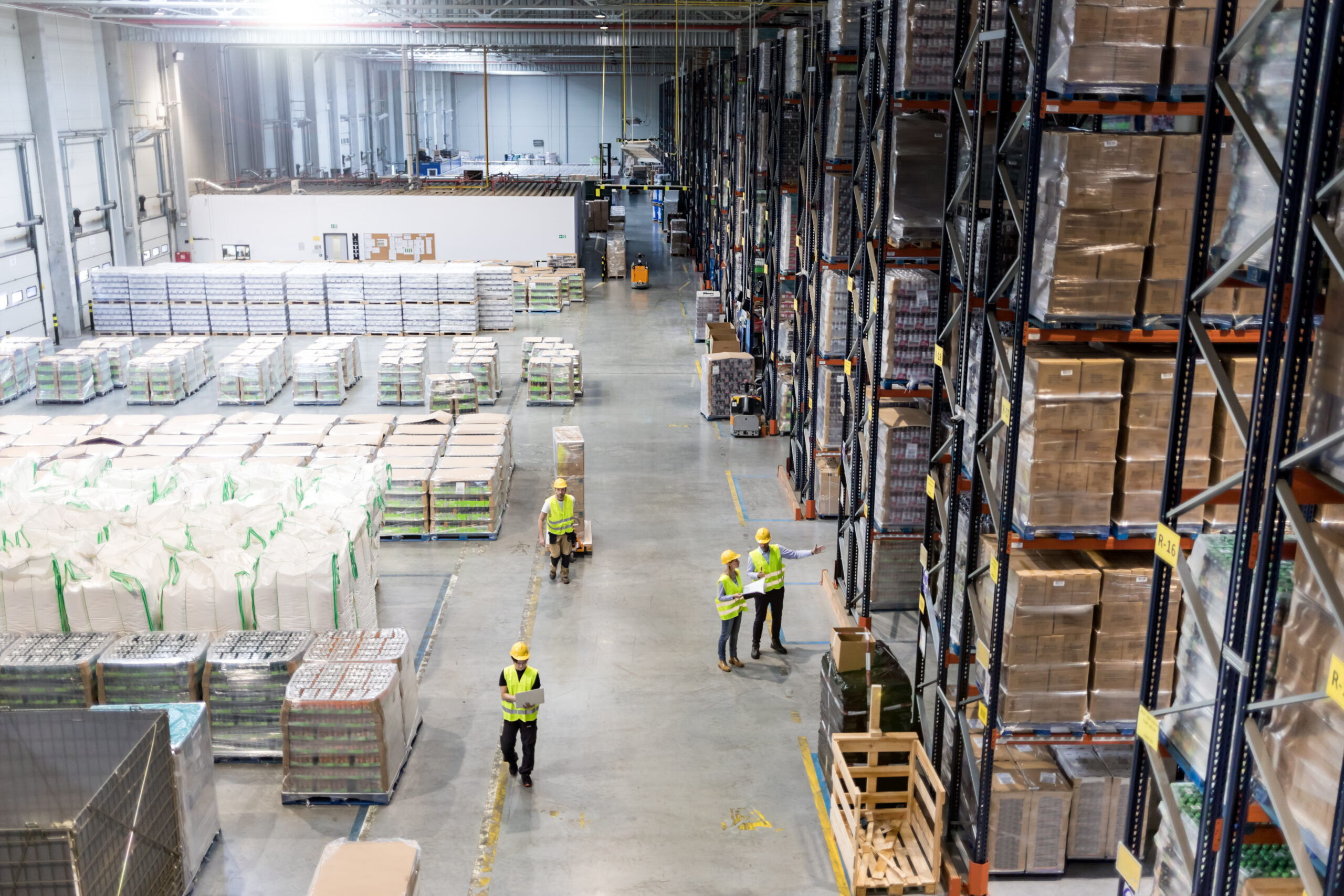
General crews can sweep, polish, or recoat. But wash bays, weigh scales, and high-impact zones need specialists. We hired pros to grind and apply polyaspartic coatings. Their results held up against chemical washdowns and daily weight shifts without cracking.
Quality Tools Backed by Genuine Results
Low-grade brushes left fibers behind. Cheap pads shredded mid-shift. We switched to manufacturer-recommended pads and brushes, which protected warranties and delivered consistent results. Cleaners matched pH specs to avoid degrading sealers.
Systemizing With Color Codes
Color-coded mop handles and scrubber pads reduced cross-contamination. Red for docks, blue for offices. Visual systems simplified accountability. No more guessing what tool goes where.
Environmental Conditions Shape Maintenance
Moisture sensors embedded mid-slab revealed seasonal shifts. Winter humidity surged. Scheduling sealing in early spring reduced vapor pressure and improved coat adhesion. Sensors gave data we couldn’t guess by sight alone.
Listening to Workplace Feedback
Operators noticed what machines didn’t. Comments like “floor feels gritty here” or “that corner’s louder” often revealed trouble zones. Tying this anecdotal input to sensor data made our plans smarter. Floor care became a two-way conversation.
Ongoing Maintenance as Collaboration
Successful floor maintenance doesn’t rest on one crew. Operators, janitors, safety officers, outside consultants—everyone played a part. Regular check-ins became mini-audits. Team input drove changes, not just top-down decisions.
Linking tire purchases to wear logs, choosing sealants based on lifespan data, and backing budget requests with safety stats created a culture of smart upkeep. Preventive care stopped being “extra” work—it became how we worked.
At National Facility Contractors, we’ve helped facility teams implement these floor care systems at scale—reducing injuries, improving operational flow, and extending coating lifespan across high-traffic environments.
Final Observations That Make a Difference
With daily care, smart timing, durable materials, and team-wide ownership, warehouse floors went from being weak points to foundational assets. The next time someone steps onto your warehouse floor, it shouldn’t be grit that greets them—it should be a clean, safe surface that supports everything your operation needs to move forward.