Every building has two layers. The visible layer is what occupants interact with every day: lighting, temperature, clean floors, working restrooms. Beneath that is the technical layer that makes all of it possible. Electrical distribution, mechanical systems, life safety infrastructure, automation controls, water systems, and structural components operate continuously behind the scenes.
Technical facility management is the discipline that keeps this hidden infrastructure stable, compliant, and efficient. It is not general maintenance. It is structured oversight of critical building systems that directly affect safety, uptime, and long-term asset performance.
When technical FM is done well, occupants rarely think about it. When it fails, the consequences are immediate and costly.
What Falls Under Technical Facility Management
Technical facility management focuses on the mechanical, electrical, and structural systems that keep a building operational. It requires specialized knowledge, certified technicians, and strict adherence to regulatory standards.
Core technical responsibilities typically include:
- HVAC systems and central plant operations
- Electrical infrastructure and backup power systems
- Fire detection and suppression systems
- Plumbing and water distribution networks
- Building automation and control systems
- Elevators and vertical transportation
- Structural inspections and integrity monitoring
Each of these systems carries its own compliance requirements, inspection intervals, and performance benchmarks. Overlooking any one of them can create safety risks or operational downtime.
Unlike soft services, which focus on cleanliness and occupant comfort, technical FM deals with systems that directly support life safety and core operations.
The Shift From Reactive to Predictive
Historically, technical FM was reactive. Equipment ran until it failed. Repairs were scheduled after complaints surfaced. Preventive maintenance existed, but often followed fixed time intervals rather than actual system conditions.
Modern technical facility management is more data-driven. Building automation systems, IoT sensors, and integrated CMMS platforms allow teams to monitor runtime hours, energy consumption, vibration levels, temperature fluctuations, and fault codes in real time.
This data enables condition-based maintenance. Instead of replacing components based on the calendar, facilities teams act based on performance indicators. A pump showing abnormal vibration patterns can be serviced before failure. An electrical panel showing heat irregularities can be inspected before it becomes a hazard.
This shift reduces emergency repairs, extends equipment lifespan, and stabilizes maintenance budgets.
Compliance and Risk Management
Technical systems operate under regulatory oversight. Fire systems must be inspected. Emergency lighting must function under load. Elevators must meet safety codes. Backup generators must perform during outages.
The risk exposure is significant. Non-compliance can lead to fines, failed inspections, insurance complications, or operational shutdowns.
Strong technical FM programs incorporate compliance tracking directly into daily workflows. Inspection schedules are automated. Documentation is centralized. Service records are timestamped and accessible for audit review.
Facilities that treat compliance as a continuous process rather than a periodic event avoid the scramble that often accompanies inspections.
Risk management also includes redundancy planning. Critical facilities such as hospitals, data centers, and manufacturing plants require backup systems that can support operations during primary system failure. Technical FM ensures these redundancies are tested regularly and maintained under load conditions.
Energy and Performance Optimization
Technical facility management plays a major role in energy performance. Mechanical and electrical systems account for the majority of energy consumption in commercial and industrial buildings.
Optimization requires more than adjusting thermostats. It involves calibrating control sequences, balancing airflow, verifying sensor accuracy, and ensuring equipment is operating within design parameters.
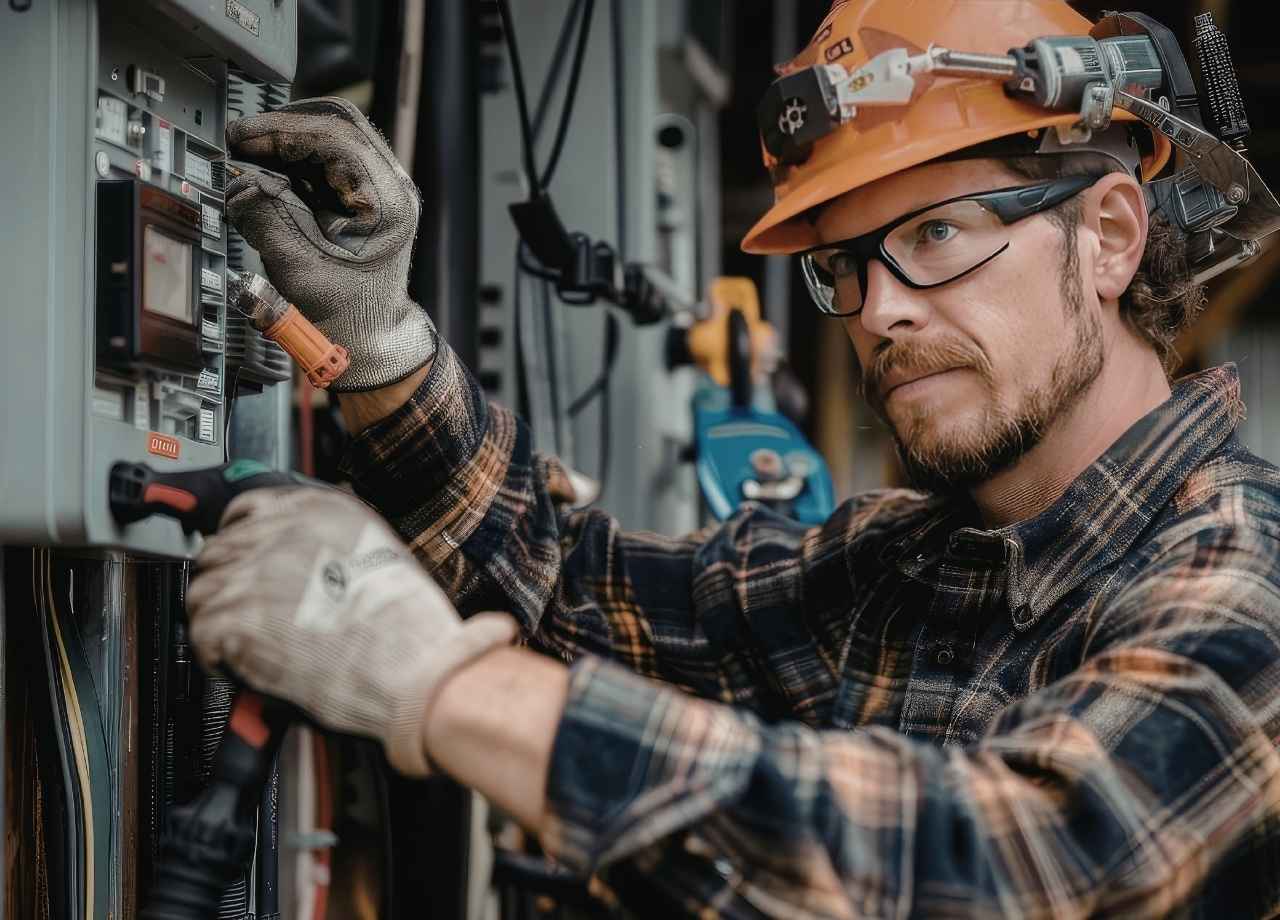
Over time, building systems drift from original performance benchmarks. Dampers stick. Control logic becomes outdated. Equipment efficiency declines. Without active technical oversight, these inefficiencies accumulate.
Facilities teams that monitor energy trends alongside maintenance data gain deeper insight into system performance. Rising energy consumption may signal failing components long before visible breakdown occurs.
Energy optimization, when tied to technical FM, becomes both a cost control strategy and a sustainability initiative.
Capital Planning and Asset Lifecycle Management
Every technical system has a lifecycle. Rooftop HVAC units may last 15 to 20 years. Boilers and chillers may last longer with proper maintenance. Electrical switchgear may operate for decades but require periodic upgrades.
Technical facility management includes tracking asset age, repair frequency, downtime events, and performance trends. This data supports informed capital planning.
Rather than replacing equipment reactively after catastrophic failure, organizations can schedule phased replacements aligned with budget cycles and operational demands.
Lifecycle planning also allows facilities to evaluate upgrade opportunities. Replacing outdated equipment with higher-efficiency systems can reduce long-term operating costs and support environmental goals.
Without structured asset tracking, capital decisions become reactive and more expensive.
The Human Expertise Factor
Technical FM requires skilled professionals who understand complex systems. Diagnosing a chiller performance issue or troubleshooting electrical distribution faults demands experience and training.
As buildings incorporate more automation and integrated systems, technicians must also understand software interfaces, networked controls, and data analytics.
Ongoing training is essential. Codes change. Technologies evolve. Equipment manufacturers update system designs. Facilities that invest in technical development maintain stronger internal capability and reduce reliance on emergency external support.
At the same time, collaboration with specialized contractors remains important for highly technical or regulated systems.
Technical facility management is a blend of in-house knowledge and strategic vendor partnerships.
Integration With Building Technology
Modern buildings rely heavily on interconnected systems. HVAC communicates with occupancy sensors. Lighting integrates with access control. Energy meters feed into centralized dashboards.
Technical FM must oversee these integrations. Poorly configured control systems can lead to simultaneous heating and cooling, inconsistent ventilation, or energy waste.
Integration also enhances monitoring. When building automation, CMMS, and analytics platforms work together, facility teams gain visibility into system performance at a granular level.
This integration enables predictive modeling, automated alerts, and faster decision-making.
The future of technical facility management will increasingly rely on data analytics and AI-assisted diagnostics, but the core objective remains the same: maintaining reliable, compliant infrastructure.
Why Technical FM Is Strategic, Not Supportive
In many organizations, facilities management is viewed as a support function. Technical FM challenges that perception.
When mechanical and electrical systems fail, operations stop. Revenue is impacted. Safety is compromised. Regulatory exposure increases.
Technical facility management directly influences business continuity. It protects capital investments. It stabilizes operating costs. It reduces risk exposure.
Organizations that treat technical FM as a strategic priority rather than a maintenance expense consistently experience fewer disruptions and more predictable budgets.
Infrastructure stability is not accidental. It is engineered, monitored, and maintained deliberately.
Technical facility management is the operational backbone of every modern building. It requires structured maintenance programs, accurate data, skilled technicians, and disciplined compliance tracking.
As buildings grow more complex and interconnected, the role of technical FM becomes even more critical. Reactive approaches are no longer sufficient. Predictive monitoring, lifecycle planning, and integrated system oversight define the modern standard.
When technical infrastructure runs properly, everything else follows. Occupants remain comfortable. Operations remain stable. Leadership maintains confidence in the physical environment.
Strong technical facility management is not visible when it works. But its absence is impossible to ignore.