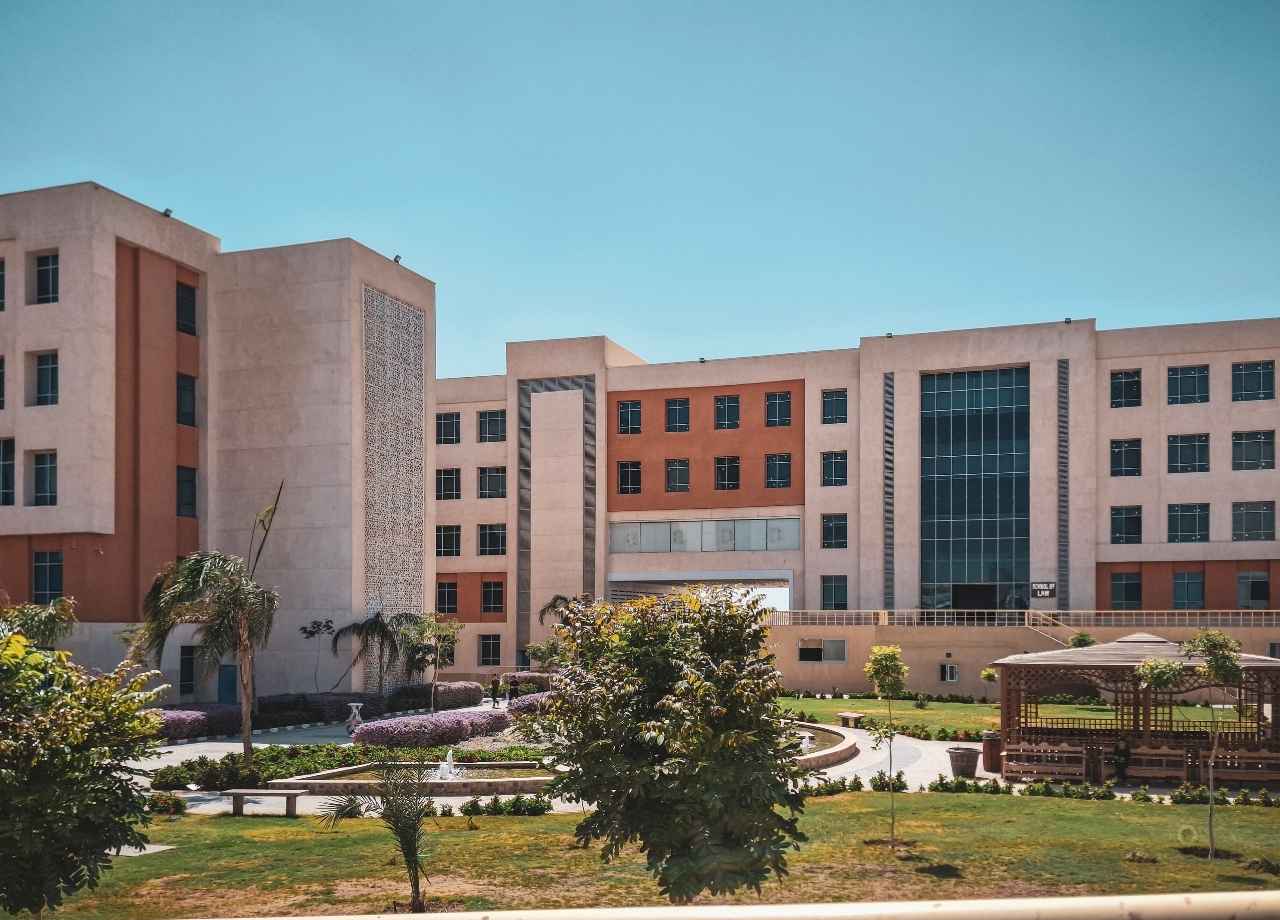
Universities rely on well-planned landscaping to support everything from daily campus life to long-term institutional branding. Unlike smaller facilities or single-use properties, university campuses function as full-scale environments — combining academic buildings, student housing, dining halls, sports complexes, research labs, green spaces, and public-access areas across dozens or even hundreds of acres. Commercial landscaping for universities is not a matter of simple beautification. It’s a service rooted in planning, safety, and functionality that must align with the demands of constant use and decades-long site evolution.
At National Facility Contractors, we support educational institutions by delivering scalable, practical landscaping solutions tailored for high-use, multi-zone campuses. Whether the need is for capital project support or phased grounds maintenance planning, we help universities build and maintain outdoor environments that last.
Working with experienced commercial landscaping contractors allows universities to develop and manage grounds that are attractive, sustainable, and aligned with their mission. This guide outlines what that process entails and what decisions matter most when landscaping higher education properties.
The Purpose of Landscaping on a University Campus
Landscaping on university grounds must satisfy more than aesthetic goals. These spaces shape how the campus functions, how it feels, and how it performs under pressure. They direct pedestrian and vehicle flow, control erosion, buffer noise, and provide opportunities for learning, rest, and recreation. They also shape perceptions during campus tours, alumni events, and public gatherings.
A well-executed landscape supports safety, reinforces identity, and reduces the total cost of grounds management over time. Missteps in plant selection, pathway design, or drainage planning can lead to constant maintenance issues, unsafe conditions, or difficult retrofits later on.
Core Considerations in University Landscaping Projects
Campus Scale and User Density
University properties serve thousands of people daily. Traffic is continuous, and events create sudden spikes in volume. This requires materials and layouts built for resilience — wide, ADA-compliant pathways, reinforced turf zones, and entry points that can handle heavy foot and equipment loads without deterioration.
Academic and Operational Diversity
A university isn’t a single-use facility. Landscaping must serve academic buildings, student housing, service yards, outdoor classrooms, donor gardens, and high-profile venues like stadiums or performing arts centers. Each type of space has different lighting, circulation, and noise control needs, which should all be reflected in the design.
Long-Term Planning and Phasing
Universities plan in 10-, 20-, even 50-year increments. Landscape projects often align with capital improvement schedules, utility upgrades, or master plans. That means landscapes must be built to evolve — with plantings that mature gradually, underground infrastructure left accessible, and future expansions considered during the initial layout.

Multi-Stakeholder Oversight
Campus projects often involve multiple stakeholders, including facilities management, student services, academic departments, and administration. Landscapes must satisfy aesthetic expectations while also meeting practical concerns around safety, maintenance, budget, and accessibility.
Site Design Strategies That Work
Zoning Based on Use and Visibility
Landscaping should be tailored to the expected level of use. High-traffic zones near lecture halls, residence halls, or transit stops need durable hardscapes, simplified planting schemes, and fast-draining surfaces. Lower-traffic zones — like peripheral research sites or faculty offices — can use more layered plantings and slower-growing vegetation.
Perimeter and Access Control
Many campuses blend public and private access zones. Landscaping helps enforce those boundaries passively. Grade changes, plant massings, and pedestrian-scale walls guide movement and limit access without the need for fencing. These design features are especially useful around restricted areas or parking facilities.
Wayfinding and Circulation Support
Signage, lighting, and landscape features must work together to guide students and visitors effectively. Walkways should align with logical movement patterns. Plantings should never obscure signs or building entries. Benches, trash receptacles, and bicycle parking need to be integrated without interrupting circulation flow.
Seasonal and Event Preparedness
Landscapes should be easy to transition between academic seasons and event schedules. That includes strategic plant selection for year-round structure, clear snow management zones, and staging areas that don’t require frequent replanting after high-traffic events.
Plant Selection and Site Sustainability
Durability and Maintenance Load
University landscapes must be able to withstand foot traffic, weather extremes, and irregular maintenance schedules. That means selecting plants with proven success in institutional settings — species that resist drought, hold shape without constant pruning, and don’t create excessive litter or root disruption.
Climate Responsiveness and Resilience
Universities increasingly adopt sustainability goals that include reduced water use, native planting, and biodiversity support. Rain gardens, bioswales, and drought-tolerant trees contribute to these goals while also easing the burden on stormwater systems and maintenance crews.
Lawn Area Strategy
Lawn use should be deliberate. Large grass expanses can be expensive and time-consuming to maintain unless they serve an active purpose, like recreation, events, or stormwater absorption. Where passive use is the goal, ground covers or prairie-style plantings can offer better value and lower maintenance.
Infrastructure and Support Systems
Smart Irrigation and Drainage
Campuses benefit from zone-controlled irrigation with weather-responsive controllers. Efficient systems reduce water waste and prevent overwatering that leads to turf damage and erosion. Drainage must be engineered with building protection in mind — keeping water away from foundations, entries, and pedestrian paths.
Lighting and Security Integration
Landscape lighting should support nighttime safety and navigation while avoiding glare or obstructions. Trees and plantings must be selected and placed with lighting coverage and camera sightlines in mind. Overgrowth near entries or walkways is a common hazard and liability.
Access for Maintenance and Emergency Vehicles
Designs must account for equipment access without causing damage to plantings or turf. Load-bearing paths, reinforced turf zones, and removable bollards provide access without compromising appearance or layout.
Long-Term Maintenance Considerations
University landscapes must be maintainable by in-house crews or contracted providers without specialized labor. That includes manageable pruning schedules, minimal replanting needs, and hardscape materials that don’t require constant sealing or repairs.

Clear separation between turf, mulch, and planting beds reduces edge breakdown and saves time during mowing and seasonal transitions. Mulching strategies should focus on weed suppression and moisture retention without contributing to buildup or contamination of nearby drains.
Some universities now use layered maintenance strategies — allocating more frequent attention to central or high-visibility areas, while outer campus zones are planted for naturalized, lower-care management.
Common Challenges in University Landscaping
Foot Traffic Degradation
Without proper layout, shortcut paths form across lawns or beds. The best prevention is thoughtful pathway design that reflects real student behavior — not just design intent.
Event and Move-In Damage
High-traffic periods like orientation or graduation can cause temporary landscape damage. Reinforced surfaces, modular turf protection, and staging zones help reduce long-term impact.
Utility Conflicts
Underground utilities — irrigation, power, fiber optics — are a constant presence on university grounds. Coordination between trades and future-proofing during installation are essential to prevent unnecessary rework or plant loss.
Budget Changes and Deferred Maintenance
University budgets shift. Landscapes must be resilient to periods of reduced attention. That means choosing plant materials and site layouts that can tolerate short gaps in weeding, irrigation, or pruning without a noticeable decline.
Commercial landscaping for universities is about designing for longevity, usability, and identity. These aren’t passive spaces — they are lived-in environments that evolve with the institution. When planned and maintained properly, the landscape supports both everyday function and long-term mission.
Professional contractors who understand the complexity of higher education campuses — including regulatory constraints, phasing challenges, and multi-use integration — are essential partners in building and preserving outdoor environments that meet the needs of everyone who passes through.