Facility management used to be fragmented by design. Maintenance lived in one system. Energy data sat somewhere else. Vendor coordination happened through emails and calls. Compliance tracking relied on spreadsheets. Each function worked, but rarely together.
That model doesn’t hold up anymore.
Modern operations demand visibility across everything at once. That’s where an integrated facility management system changes the game. It brings all moving parts—assets, people, performance, and data—into a single connected environment.
Not as a reporting layer, but as an operating system for the building itself.
From Disconnected Tools to One Operating Layer
Most facilities already have the pieces in place. A CMMS for work orders. A building automation system for HVAC. Separate tools for energy monitoring, vendor management, and compliance.
The issue is not lack of technology. It’s lack of connection.
An integrated facility management system doesn’t replace everything. It connects everything.
Data flows between systems instead of staying locked inside them. A fault detected by the building automation system can automatically trigger a maintenance workflow. Energy spikes can be tied to specific equipment performance. Vendor activity can be tracked against actual outcomes, not just scheduled tasks.
This shift removes the gaps where issues usually hide.
Real-Time Visibility Changes Decision-Making
When systems are integrated, visibility becomes immediate.
Instead of waiting for reports or updates, facility teams can see what’s happening across the entire operation in real time. Equipment performance, maintenance status, energy consumption, and compliance metrics all sit in one place.
This changes how decisions are made.
A rising energy trend isn’t just a number. It can be traced to specific assets. A recurring maintenance issue isn’t just a ticket. It becomes part of a pattern tied to performance history.
Decisions move from reactive to informed.
Automation Becomes Practical, Not Theoretical
Automation only works when systems talk to each other.
In a disconnected setup, automation is limited. In an integrated environment, it becomes part of daily operations.
A temperature deviation can trigger an alert, generate a work order, assign a technician, and log the issue—all without manual input. Preventive maintenance schedules adjust based on actual equipment usage instead of fixed intervals.
Escalations can be built into the system. If a critical issue isn’t resolved within a defined time, it moves up automatically.
This kind of workflow removes delays that usually come from manual coordination.
Data Starts to Work Instead of Just Existing
Facilities generate massive amounts of data, but most of it goes unused.
Integration changes that by connecting data points that were previously isolated. Maintenance history, asset performance, energy usage, and operational activity all become part of the same dataset.
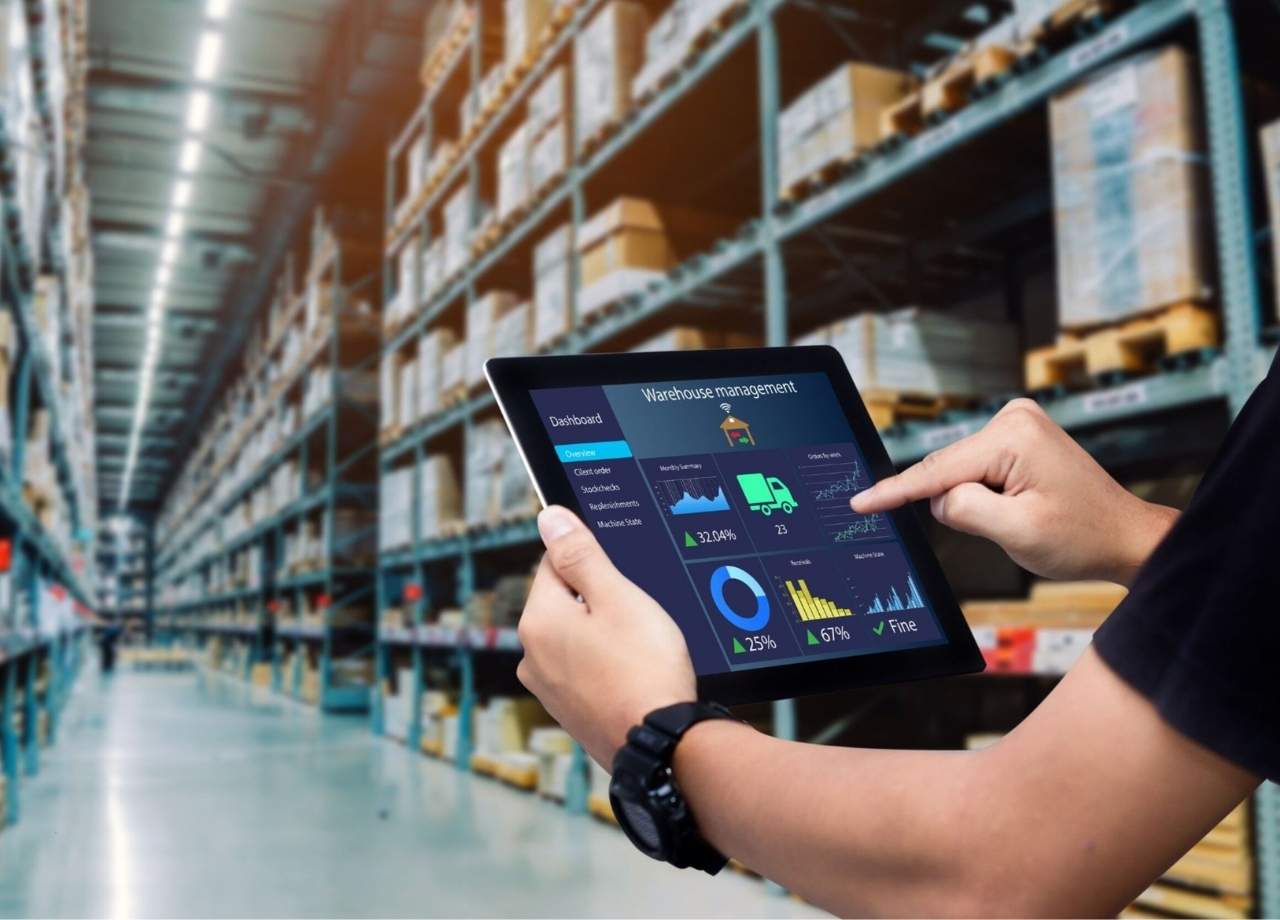
This is where advanced analytics and machine learning begin to add real value.
Patterns emerge. Equipment that looks fine on the surface may show early signs of inefficiency when viewed alongside energy data. Assets with frequent minor repairs may indicate a larger issue developing.
The system doesn’t just store information. It starts to interpret it.
AI and Predictive Capabilities
The latest generation of integrated facility management systems is built with AI at the core.
Machine learning models analyze historical and real-time data to predict what’s likely to happen next. Instead of reacting to failures, facilities teams receive early warnings based on probability.
A pump may show subtle performance changes that indicate future failure. An HVAC system may begin drifting from optimal efficiency. The system flags these trends before they become visible problems.
This allows maintenance to be scheduled with intention rather than urgency.
It also reduces downtime, which is one of the biggest operational risks in any facility.
Vendor and Workforce Coordination in One System
One of the less obvious benefits of integration is how it simplifies coordination.
Vendors, internal teams, and service providers can all operate within the same platform. Work orders, updates, documentation, and performance tracking are centralized.
This removes the need for constant follow-ups. Everyone works from the same information.
Performance becomes measurable. Response times, completion rates, and service quality can be tracked consistently across locations and vendors.
It becomes much easier to identify what’s working and what isn’t.
Energy, Sustainability, and Operational Control
Energy management becomes far more effective when it’s integrated into the broader system.
Instead of treating energy as a separate function, it becomes part of operational decision-making. Equipment performance, occupancy data, and environmental conditions all influence how energy is used.
Integrated systems can adjust building performance dynamically. HVAC output can align with real-time occupancy. Lighting systems can respond to usage patterns. Energy consumption can be optimized continuously rather than reviewed after the fact.
This not only reduces costs but also supports sustainability goals in a measurable way.
The Role of Digital Twins and Simulation
Advanced integrated systems are starting to incorporate digital twins.
A digital twin is a live, data-driven model of the building that reflects real-world conditions. It allows facility teams to simulate changes before applying them.
Operational adjustments, energy strategies, and maintenance decisions can be tested in a virtual environment. This reduces risk and improves accuracy.
Instead of guessing outcomes, teams can model them.
Integration Requires Discipline
The technology is powerful, but it only works if the foundation is solid.
Asset data needs to be accurate. Systems need to be properly configured. Naming conventions, data structures, and workflows must be consistent.

Without this discipline, integration creates noise instead of clarity.
Facilities that invest time in structuring their data and processes see the strongest results. The system becomes reliable, and the insights become actionable.
Where This Is Heading
Integrated facility management systems are moving toward greater autonomy.
Buildings will increasingly manage themselves within defined parameters. Systems will detect issues, adjust performance, and optimize operations with minimal human input.
Facility teams will shift further toward oversight and strategy rather than manual coordination.
The role of the facility manager evolves alongside the technology. Less time is spent chasing updates. More time is spent improving performance.
What It Comes Down To
An integrated facility management system is not just another platform.
It’s the point where operations, data, and technology finally connect in a way that makes sense.
When everything is visible, coordinated, and continuously analyzed, facilities stop reacting to problems and start running with intent.
And once that shift happens, going back to disconnected systems isn’t really an option.