Food safety is not optional. It’s a legal, operational, and ethical imperative for any business that handles, processes, stores, or serves food. At the center of that mandate is cleaning: not just wiping surfaces, but fully integrating sanitation into a risk‑based food safety management system that aligns with regulatory expectations and industry best practices. When food facilities contract external cleaning service providers, they are entrusting a critical part of their compliance framework to a partner—one whose methods, training, and documentation must meet rigorous standards.
Unlike routine commercial cleaning, food facility cleaning is governed by multiple layers of risk‑based controls, codified through systems like Hazard Analysis and Critical Control Point (HACCP), prerequisite programs, and internationally recognized standards such as ISO 22000. These frameworks recognize that cleanliness is not a cosmetic goal, but a critical control in managing chemical, physical, and biological hazards that lead to food contamination and foodborne illness outbreaks.
What Compliance Really Means in Food Facility Cleaning
Food safety compliance for cleaning services goes well beyond a checklist for wiping down equipment. It entails systematic planning, execution, verification, and documentation within a broader food safety management system that is recognized by regulators.
One of the central frameworks in the industry is HACCP, a structured method that requires facilities to identify every point in food handling where contamination could occur and to establish controls to prevent it. Cleaning and sanitation programs are often identified as prerequisite programs in HACCP, meaning they must be implemented before effective control of specific hazards can be assured.
In practice, this means cleaning service providers must be fluent not only in sanitation techniques but also in how these processes intersect with food safety control points. Cleaning cannot be treated as a standalone chore; it must be considered a continuous control activity integrated into the facility’s safety plan.
Regulatory Foundations and Authority Expectations
Cleaning providers working in food environments must align with legal and regulatory expectations that span several domains:
Good Manufacturing Practices (GMPs): These are foundational expectations for prevention of food contamination through design, maintenance, and operation of facilities. They include requirements for sanitation of equipment, handling of chemicals, and control of environmental factors that might compromise food safety. GMPs are typically enshrined in national food safety laws and interpreted by health agencies.
Sanitation Standard Operating Procedures (SSOPs): In the United States, SSOPs are legally required components of HACCP plans. They describe in detail how cleaning and sanitation activities are to be performed, verified, and reviewed. These are not generic documents; they must be tailored to the specific facility, its equipment, and its processes.
Hazard Analysis Critical Control Point (HACCP): Through HACCP principles, facilities must analyze hazards, establish critical limits, monitor sanitation practices, and document corrective actions. Cleaning service providers should therefore understand how their work contributes to maintaining critical control points rather than treating cleaning as an operational afterthought.
ISO 22000 and Other Management Systems: Many facilities adopt or certify under ISO 22000, a food safety management system that embeds HACCP principles within a broader operational framework. This standard requires a coherent system for planning, implementing, monitoring, and improving food safety, and treats cleaning and sanitation as an indispensable prerequisite. Food facility cleaning providers that can align with ISO 22000 expectations typically offer greater reassurance in compliance environments.
Beyond Cleaning: Integration With Food Safety Culture
A compliant cleaning service provider does far more than arrive with mops and sprays. They collaborate with facility management to ensure that sanitation practices reinforce the facility’s food safety culture. This involves:
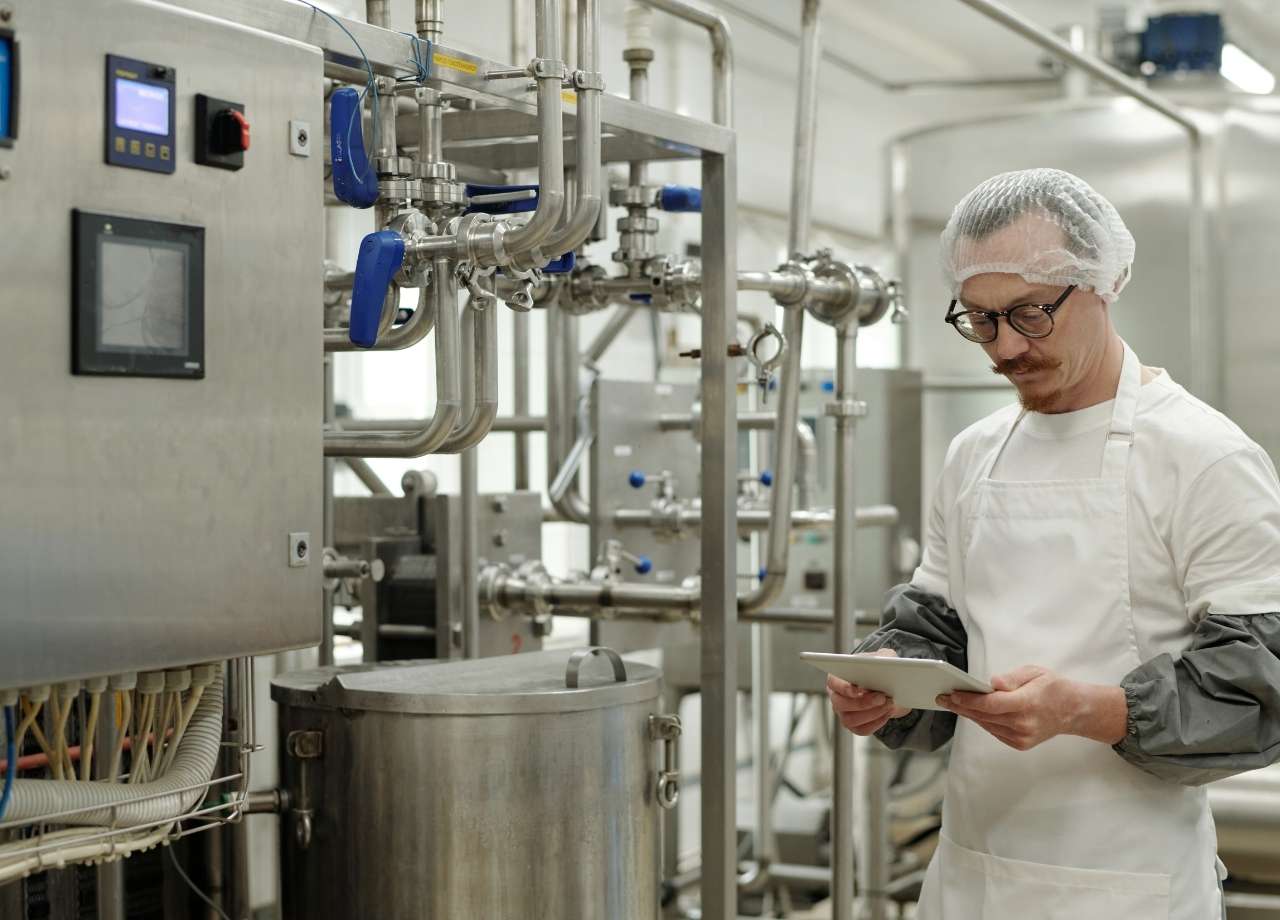
- Risk awareness: Understanding how different areas and surfaces interact with food products, from contact surfaces and conveyor belts to non‑food zones that can still harbor contaminants which migrate into processing areas.
- Training and competency: Ensuring cleaning staff receive ongoing training not just in sanitation procedures, but in food safety principles, cross‑contamination prevention, and chemical safety (including proper handling, storage, and dilution of sanitizing agents).
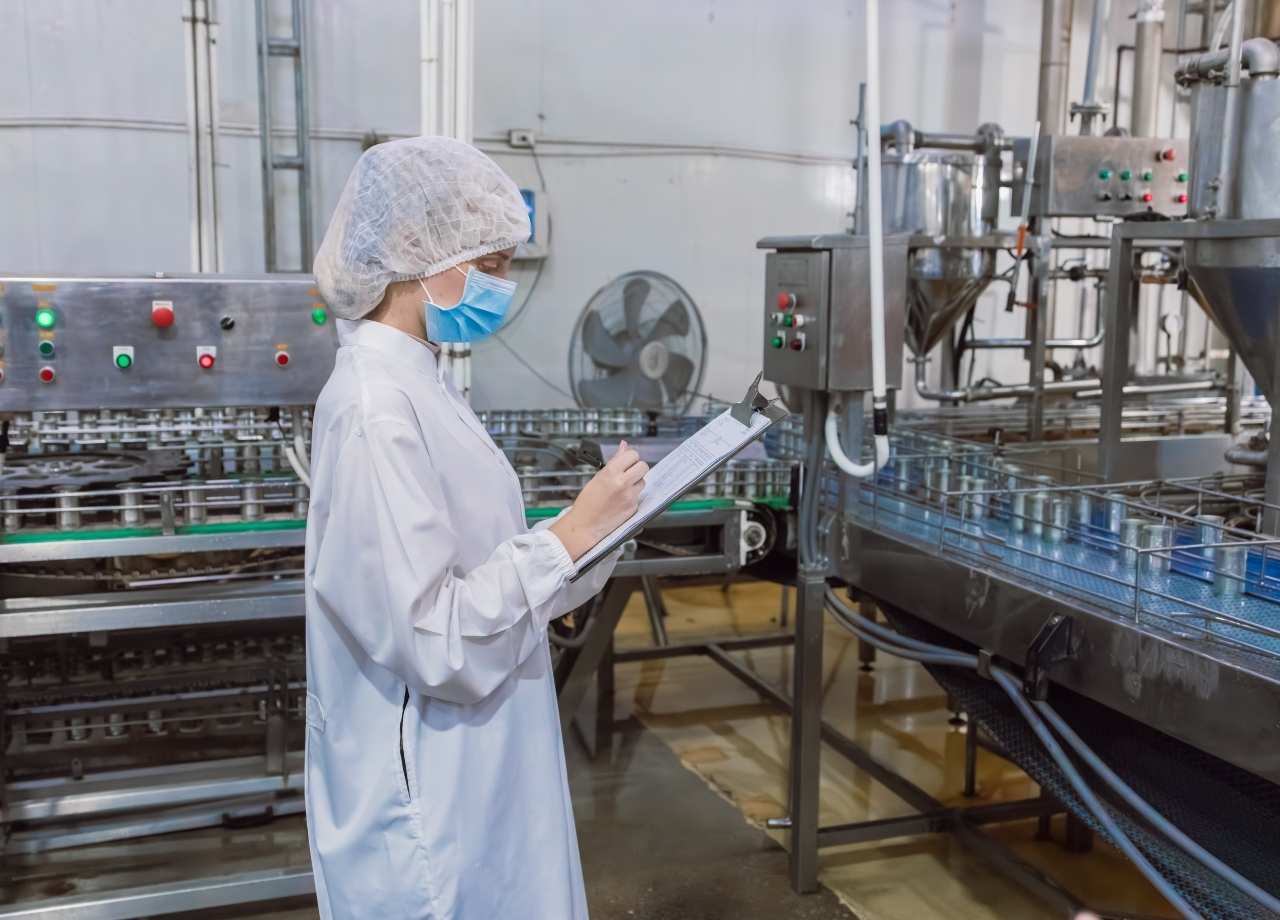
- Communication and documentation: Maintaining clear records of cleaning activities, verification checks, corrective actions, and any deviations from sanitation procedures. These records are essential during internal audits and external inspections.
This level of engagement is what separates a compliant, risk‑aware cleaning provider from a basic janitorial contractor. It also aligns with what regulatory agencies increasingly focus on: not just whether a surface was cleaned, but whether cleaning practices are part of a system that actively prevents hazards.
Real Compliance Challenges Food Facilities Face
Even experienced food businesses can struggle with sanitation compliance if cleaning is treated in isolation. Common pitfalls include:
- Misunderstanding verification: Cleaning efficacy must be verified through measurable methods—not just visual inspection. Techniques like ATP testing or microbiological swabbing are part of robust sanitation verification plans.
- Weak documentation: Without clear, auditable records, facilities can fail inspections even if actual cleaning is thorough. Documentation demonstrates not only that cleaning occurred, but that it was carried out in accordance with standard procedures and verified.
- Lack of integration with operational controls: Cleaning must sync with production schedules, personnel flows, and critical control points. Disjointed cleaning programs can inadvertently introduce risks, for example by contaminating cleaned surfaces through poor sequencing or inadequate segregation of zones.
The Business Value of Compliance‑Focused Cleaning Services
Selecting a cleaning service provider with deep food safety compliance expertise is not just a regulatory requirement—it’s strategic risk management. When providers bring an understanding of food safety systems, they enable facilities to:
- Reduce risk of contamination and recalls: Robust cleaning programs, when properly executed and verified, reduce the likelihood of microbial contamination that can lead to product recalls or foodborne illness outbreaks.
- Perform more effectively in audits: Auditors look for evidence of structured sanitation programs, consistent implementation, and corrective actions. Experienced providers help facilities satisfy these expectations.
- Streamline operations: Cleaning partners that understand food safety can coordinate sanitation schedules with production timelines, minimizing downtime without sacrificing hygiene.
Food facilities that outsource to specialists versed in HACCP, GMP, and international standards often find themselves better prepared for regulatory inspections and more resilient to evolving compliance demands.
Food safety compliant facility cleaning service providers are not commodity vendors. They are partners in a facility’s risk management strategy, helping to uphold frameworks that protect public health and assure product integrity. Compliance in this context is about programmatic approach, competent execution, measurable verification, and comprehensive documentation—not merely the act of cleaning.
In 2026, as food safety expectations tighten globally and regulatory scrutiny increases under regimes such as the Food Safety Modernization Act in the U.S. and ISO 22000 internationally, facilities that invest in compliant cleaning partners will find themselves both safer and more competitive.