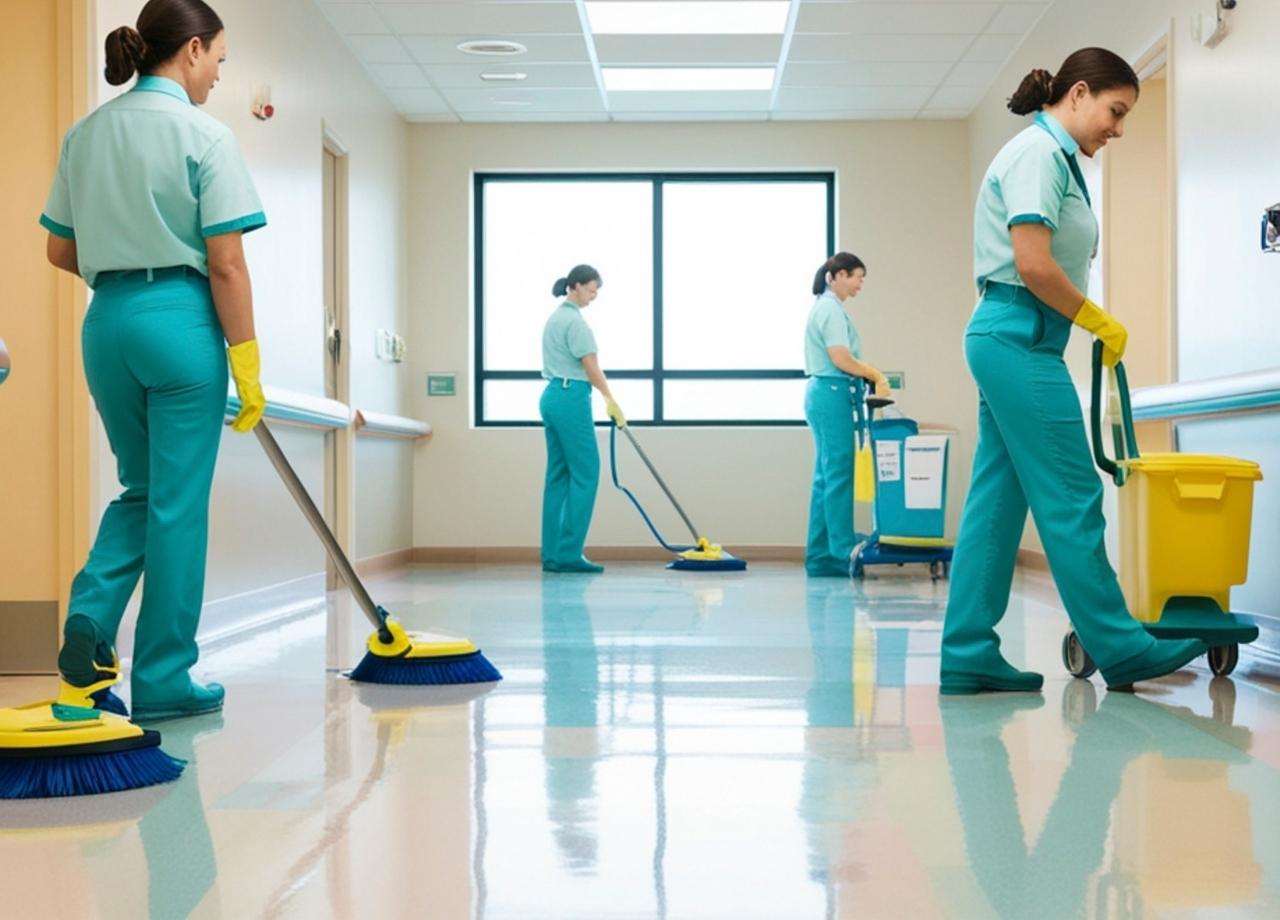
Maintaining a safe, sanitary environment in a medical facility is non‑negotiable. In healthcare settings, cleaning isn’t just about appearances; it’s a fundamental part of patient safety and care quality. Cleanliness directly affects infection risk, staff safety, regulatory compliance, and ultimately, public trust in your facility. In this article, we’ll unpack the essential standards and expectations for cleaning in medical environments, drawing on guidance from national health authorities and regulatory frameworks.
At the heart of medical facility cleaning standards are infection prevention and control principles driven by evidence and risk assessment. These standards encompass not only the act of cleaning surfaces but also laying out systems, training, documentation, and compliance practices that help facilities manage risk systematically and consistently.
Cleaning in Healthcare Is About Preventing Harm, Not Just Removing Dirt
Unlike a commercial or office setting, a medical facility sees frequent contact with bodily fluids, high‑touch surfaces, and patients with compromised immune systems. This means routine cleaning practices need to be guided by formal infection‑control protocols and regulatory frameworks. Simply wiping down surfaces is not enough; cleaning methods, products, staff training, and documentation must align with recognized standards to truly reduce the risk of healthcare‑associated infections (HAIs).
Key Agencies and Guidelines That Shape Cleaning Standards
Medical facility cleaning standards are shaped by several major authorities:
Centers for Disease Control and Prevention (CDC)
The CDC provides foundational guidance on environmental cleaning and infection control. Its Environmental Cleaning in Healthcare Facilities outlines best practices for how cleaning programs should be structured, how surfaces should be disinfected, and how high‑touch areas should be tackled to minimize pathogen transmission.
Occupational Safety and Health Administration (OSHA)
Cleaning protocols must also address worker safety. OSHA’s standards, including the Bloodborne Pathogens Standard (1910.1030)—require training and protective measures for staff potentially exposed to infectious materials. Appropriate use of personal protective equipment (PPE) including gloves, gowns, and respirators is not optional; it’s mandated to prevent occupational exposure to hazardous agents.
The Joint Commission and CMS (Centers for Medicare and Medicaid Services)
Accreditation and federal reimbursement hinge on environment‑of‑care and infection control standards that emphasize documented, repeatable cleaning processes. The Joint Commission’s infection control standards challenge facilities to demonstrate not only that policies exist, but that they are actively implemented and monitored.
EPA (Environmental Protection Agency)
The EPA regulates which disinfectants can be used in medical settings and maintains lists of approved products, especially those effective against specific pathogens. Medical facilities are expected to use EPA‑registered disinfectants appropriate for the risks present in a healthcare environment.
What “Standards” Really Mean in Practice
Having standards on paper is one thing; implementing them consistently is another. In practice, cleaning standards in medical facilities involve several interlocking components:
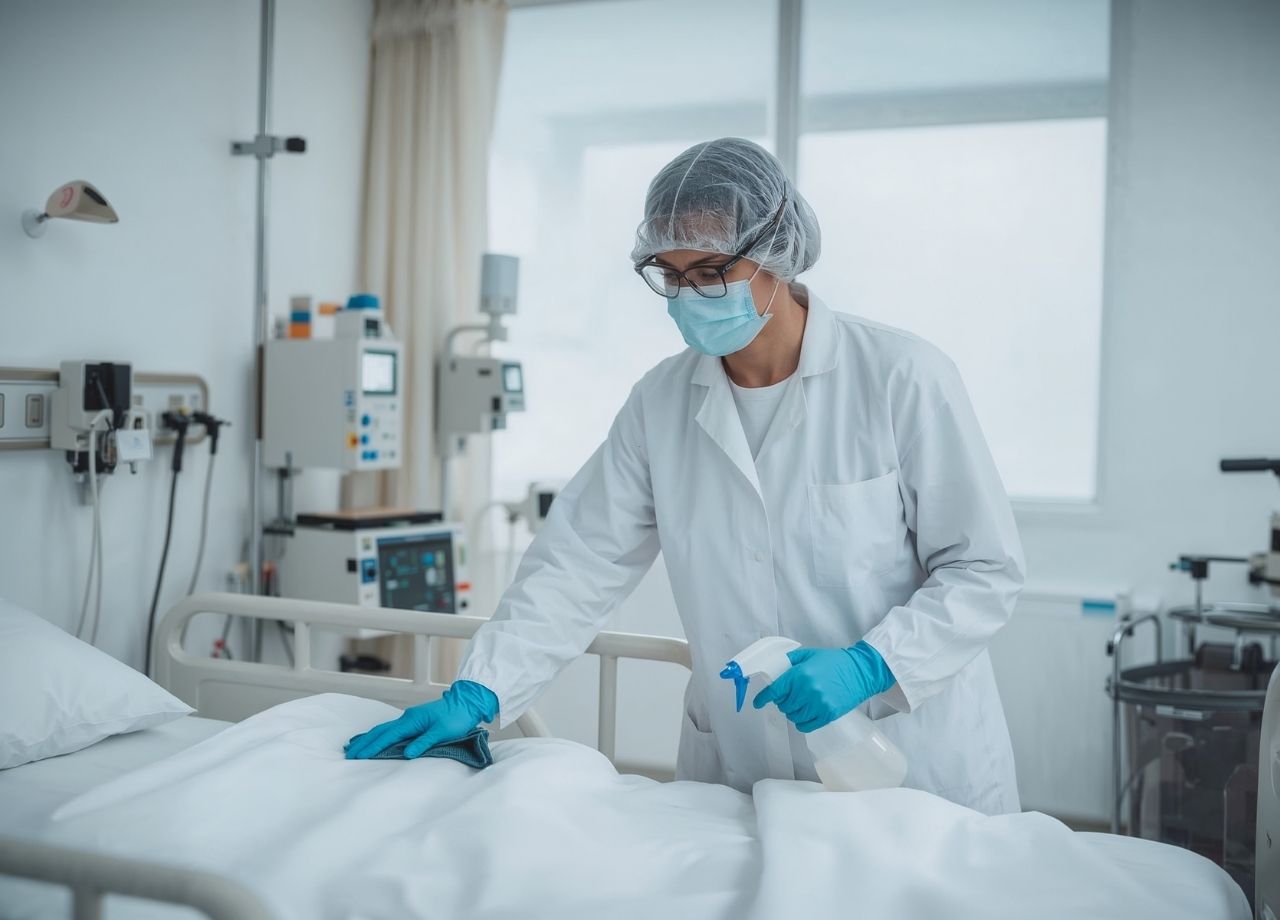
Systematic Cleaning Programs
Effective cleaning isn’t ad hoc. It’s part of a documented environmental cleaning program that spells out:
- Scope of cleaning tasks by area and risk level.
- Categories of surfaces, from high‑touch bed rails and doorknobs to low‑touch structural surfaces.
- Frequency and methods of cleaning and disinfecting.
- Training requirements for environmental services (EVS) staff.
This level of engagement is what separates a compliant, risk‑aware cleaning provider from a basic janitorial contractor. It also aligns with what regulatory agencies increasingly focus on: not just whether a surface was cleaned, but whether cleaning practices are part of a system that actively prevents hazards.
Risk‑Based Cleaning Methods
Medical cleaning standards differ by area and potential exposure risk. For example, patient rooms, especially those with known infections, require more rigorous cleaning including terminal cleaning (a thorough disinfection after a patient is discharged). CDC guidance outlines cleaning sequences—starting with shared equipment and common surfaces and working toward high‑touch and patient‑contact areas—to reduce cross‑contamination.
Infection Prevention as the Core Objective
The core objective of cleaning in healthcare isn’t aesthetic. It is infection control. This is why protocols emphasize:
- Two‑step processes that involve cleaning to remove organic material followed by disinfection with an EPA‑registered agent effective against relevant pathogens.
- Documentation of cleaning activities to support inspections and quality assurance.
- Monitoring and audit systems to check adherence to protocols.
PPE and Occupational Safety
Cleaning professionals in medical settings face potential exposure to bloodborne pathogens and other infectious materials. OSHA and CDC recommend—and in many cases require—the use of proper PPE, training on correct donning and doffing procedures, and protocols for safe handling and disposal of medical waste.
Documentation and Accountability
Medical facility inspections—whether by The Joint Commission, state health departments, or CMS auditors—scrutinize documentation. Simply cleaning a surface is not enough; facilities must be able to show when, how, and by whom cleaning tasks were performed. This includes logs, checklists, training records, safety data sheets for chemicals, and corrective action reports when standards aren’t met. Regular audits help maintain standards, identify gaps, and strengthen compliance.
The Impact of Standards on Outcomes
Evidence supports the connection between strong cleaning standards and improved health outcomes. Proper environmental cleaning is associated with reduced rates of HAIs, protecting patients, staff, and visitors. In a field where vulnerable populations are common, the stakes are high: inadequate cleaning can directly contribute to infection outbreaks, regulatory penalties, and reputational damage.
It’s also important to recognize that these standards evolve. Best practices are periodically updated to incorporate new scientific evidence, emerging pathogens, and changes in regulatory expectations, so ongoing training and review of protocols are essential.
Medical facility cleaning standards are comprehensive, multi‑layered, and grounded in public health science. They require more than routine housekeeping; they demand structured programs, compliance with regulatory frameworks, trained personnel, and documented processes. For healthcare leaders, understanding these standards is essential not just for compliance, but for protecting patient safety and enhancing the quality of care.