Most buildings are designed and constructed with completion in mind. Facility managers think differently. They are responsible for what happens after the ribbon cutting. If maintainability, access, lifecycle cost, and system integration are not considered during construction, the problems show up for years afterward.
Facility management in construction projects is about embedding operational intelligence into the build phase. It ensures that what gets designed and installed today can be maintained efficiently, operated safely, and replaced strategically tomorrow.
When FM teams are brought in too late, buildings often look impressive on opening day but become difficult and expensive to operate long term.
Why Early FM Involvement Matters
Construction teams focus on delivering projects on schedule and within budget. Architects focus on design intent. Engineers focus on system performance. Without facility management input, maintainability often falls through the cracks.
Examples are common. Air handling units installed without adequate service clearance. Electrical panels located in hard-to-access areas. Roofing penetrations placed without considering future equipment upgrades. Control systems that do not integrate with existing platforms.
These issues are not design failures. They are coordination gaps.
When facility managers participate early in planning and design meetings, they can identify long-term operational challenges before they become permanent. This includes reviewing equipment placement, verifying access paths, evaluating lifecycle costs, and ensuring compatibility with existing infrastructure.
The cost of addressing these concerns during design is minimal compared to correcting them after construction.
Designing for Lifecycle Cost, Not Just Capital Cost
Construction budgets often prioritize upfront cost. Facility management evaluates total cost of ownership.
Two mechanical systems may have similar installation prices, but dramatically different maintenance requirements and energy consumption profiles. Selecting equipment without evaluating lifecycle implications can lock the building into higher operating costs for decades.
Lifecycle analysis should include:
- Expected equipment lifespan
- Preventive maintenance requirements
- Energy efficiency performance
- Replacement part availability
- Service accessibility
When these factors are considered during procurement, the building’s long-term financial performance improves significantly.
Facility managers bring practical knowledge about which manufacturers provide reliable service support and which systems historically require frequent repairs.
Commissioning and System Validation
A construction project is not complete when systems are installed. It is complete when systems are tested, validated, and confirmed to operate as intended.
Commissioning plays a central role in facility management integration. Proper commissioning verifies that HVAC, electrical, life safety, and automation systems perform according to design specifications.
Without thorough commissioning, facilities teams inherit systems that may already be misaligned, poorly calibrated, or improperly integrated.
Functional performance testing should include full operational scenarios, not just partial checks. Backup generators must be tested under load. HVAC sequences should be validated across occupancy levels. Fire alarm systems should be fully verified.
Facility managers should participate in commissioning reviews to ensure that documentation and training are complete.
Asset Data and Documentation Handover
One of the most overlooked aspects of construction is asset data transfer. At project completion, facility teams should receive more than binders of manuals.
A structured handover process ensures that all installed equipment is logged accurately in the CMMS or facility management system. This includes model numbers, serial numbers, warranty information, maintenance schedules, and digital documentation.

Incomplete or inconsistent asset data creates long-term operational inefficiencies. If equipment is not properly entered into the system, preventive maintenance tasks may be missed. Warranty claims may be delayed due to missing records.
Digital turnover packages are becoming the standard. Integrating asset data directly into management platforms at project closeout reduces errors and saves time.
Building Automation and Technology Integration
Modern construction projects involve complex building automation systems. HVAC controls, lighting systems, access control, energy monitoring, and security infrastructure must communicate effectively.
Facility managers should verify that new systems integrate seamlessly with existing platforms. Proprietary control systems that do not align with portfolio standards create fragmentation and increase training requirements.
Integration planning should occur early in the project. Control architecture, cybersecurity considerations, and remote monitoring capabilities must be addressed before installation.
Future scalability should also be considered. Buildings constructed today should support technology upgrades tomorrow without requiring full system replacement.
Training and Operational Readiness
A technically advanced building is only as effective as the team operating it. Before project closeout, facility staff should receive hands-on training for all major systems.
Training should cover normal operation, emergency procedures, maintenance routines, and troubleshooting basics. Recorded sessions and digital reference materials help reinforce learning.
Operational readiness reviews ensure that maintenance schedules are activated, spare parts inventories are established, and vendor contacts are confirmed.
The transition from construction to operation should feel controlled, not abrupt.
Risk Management During Construction
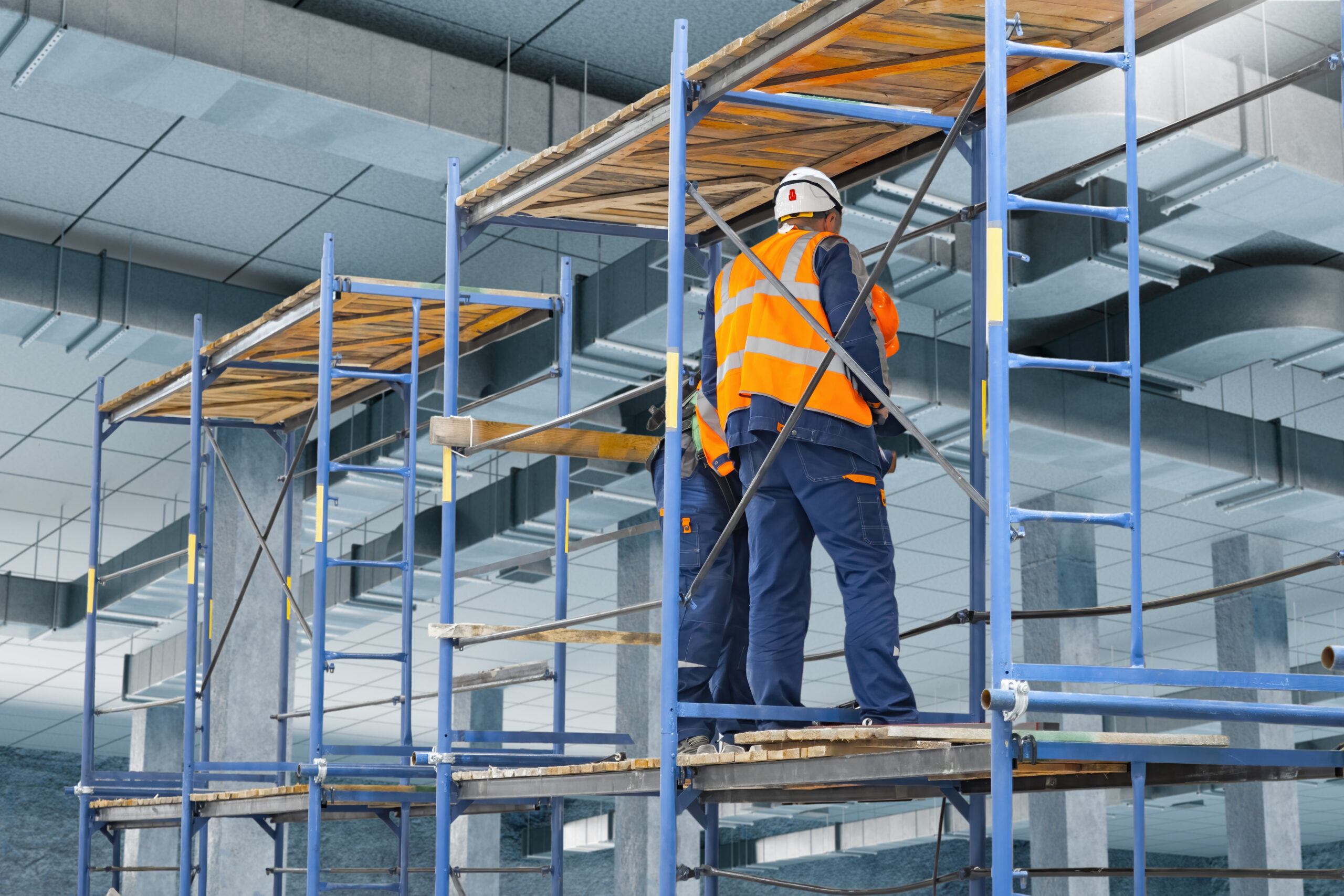
Construction sites introduce risks that affect future facility operations. Improper installation practices, rushed schedules, and inadequate quality control can lead to premature system failure.
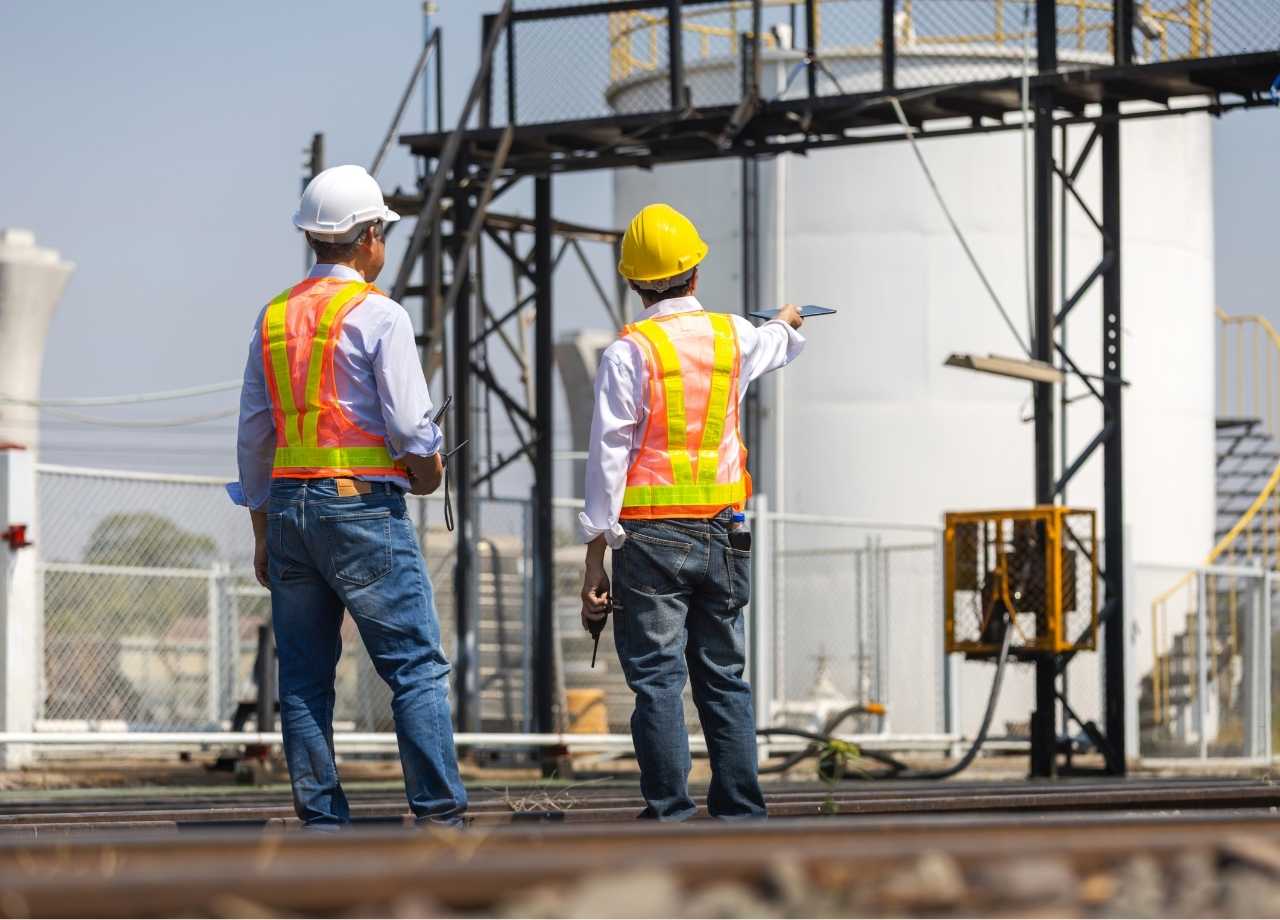
Facility managers can contribute to quality assurance by participating in periodic site walks and reviewing installation progress. Observing how systems are installed provides insight into potential long-term maintenance challenges.
Ensuring that roofing membranes are installed correctly, verifying mechanical clearances, and reviewing fire stopping practices all reduce operational risk after handover.
Early detection of installation issues prevents costly post-occupancy corrections.
Sustainability and Long-Term Performance
Modern construction increasingly emphasizes sustainability. Energy-efficient systems, water conservation measures, and renewable technologies are often integrated into new builds.
Facility management must ensure that these systems are maintainable and properly monitored. High-efficiency equipment that is poorly maintained quickly loses its performance advantage.
Energy dashboards, monitoring systems, and reporting tools should be operational at handover. This allows facility teams to track performance from day one and ensure sustainability goals are met.
Sustainable design does not end at installation. It requires continuous oversight.
The Strategic Value of FM in Construction
Facility management in construction projects is not a support function. It is a strategic safeguard for long-term asset performance.
When FM expertise informs design decisions, lifecycle costs decrease. When commissioning is thorough, system reliability improves. When asset data is accurate, preventive maintenance becomes effective immediately.
Organizations that integrate facility managers into construction planning experience smoother transitions, fewer warranty disputes, and better operational stability.
Buildings are long-term investments. Construction lasts months. Operations last decades.
Bringing facility management into the construction process ensures that what is built today performs reliably tomorrow.