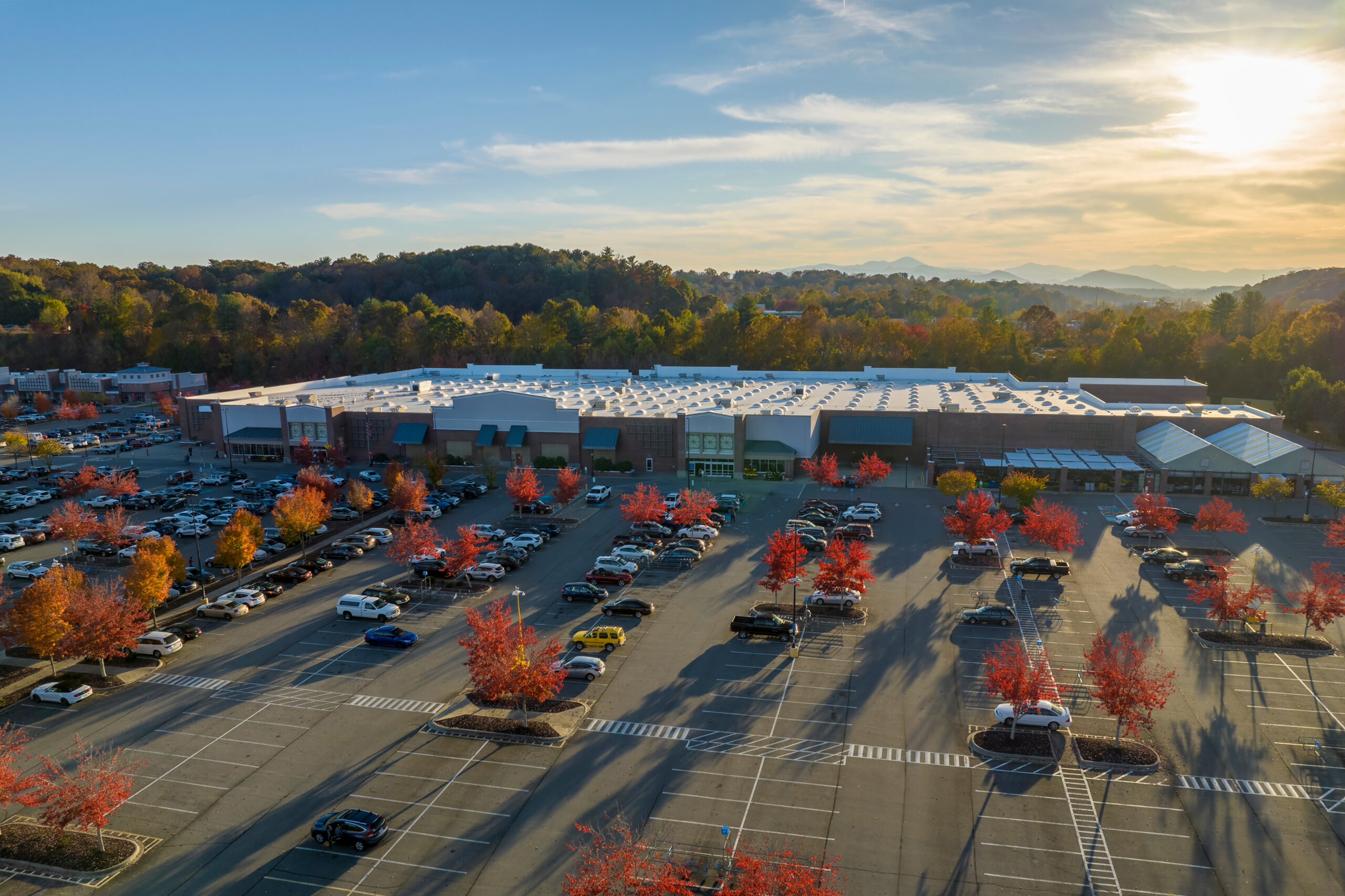
Landscaping is not a one-time task. It is an ongoing process that changes with the seasons. For facility managers, a clear seasonal landscaping planning guide helps maintain curb appeal, prevent property damage, and control long-term costs. When each season is approached with intention, landscaping becomes more predictable, efficient, and effective across every site.
1. Spring: Preparing for Growth and Recovery
Spring sets the tone for the entire year. After months of cold weather, properties often show signs of stress, including damaged turf, compacted soil, and debris buildup.
Start with a full site cleanup. Remove leaves, branches, and any leftover winter debris. Inspect turf areas for dead patches and begin reseeding where necessary. Early fertilization supports healthy growth, while pruning shrubs and trees encourages proper structure.
Spring is also the ideal time to inspect irrigation systems. Leaks, broken heads, or uneven coverage can lead to inconsistent growth and wasted water if left unaddressed.
For best practices on seasonal landscaping preparation, the National Association of Landscape Professionals guides the maintenance of healthy commercial landscapes.

2. Summer: Maintaining Health and Appearance
Summer is the peak growing season, and consistent maintenance is essential. Grass, plants, and trees require regular attention to remain healthy under heat and increased foot traffic.
Mowing schedules should be adjusted based on growth rates, not fixed calendars. Cutting grass too short can stress turf and make it more vulnerable to drought. Irrigation should be monitored closely, ensuring water is applied efficiently and during appropriate times of day to reduce evaporation.
Weed control also becomes a priority during this season. Left unchecked, weeds compete for nutrients and quickly impact the overall appearance of the property.
Explore how structured maintenance programs support consistent results across locations by visiting our Landscaping Services page.
3. Fall: Preparing for Dormancy
Fall is often overlooked, but it plays a critical role in long-term landscape health. This is the time to prepare plants and turf for colder temperatures and reduced growth.
Aeration helps relieve soil compaction and allows nutrients to reach root systems more effectively. Overseeding strengthens turf density and fills in weak areas before winter. Removing fallen leaves prevents mold growth and protects grass from suffocation.
Fall is also the best time to trim back perennials and prepare planting beds for the next season. Taking these steps now reduces the amount of work required in spring and helps landscapes recover faster.
4. Winter: Protecting and Planning Ahead
While growth slows during winter, landscaping responsibilities do not stop. Protecting your property during this season prevents damage that can be costly to repair later.
Monitor for broken branches caused by snow or ice and remove hazards promptly. Avoid piling snow on landscaped areas whenever possible, as this can damage plants and compact soil.
Winter is also the time for planning. Review what worked well during the year and identify areas for improvement. Budgeting, site evaluations, and vendor coordination are all more effective when handled before the next growing season begins.
5. Why Seasonal Planning Matters for Multi-Site Properties
For organizations managing multiple locations, consistency is everything. A structured seasonal landscaping planning guide ensures that every property receives the same level of care, regardless of region or climate differences.
Standardized schedules, regular inspections, and clear communication between teams help maintain brand consistency and reduce unexpected maintenance issues. When landscaping is planned seasonally, it becomes easier to manage costs and maintain a professional appearance year-round.
A Strong Landscape Starts With a Plan
Landscaping success comes from preparation, not reaction. By approaching each season with a clear plan, facility managers can protect their properties, improve appearance, and avoid unnecessary costs.
If your properties could benefit from a more structured approach, consider scheduling a seasonal landscaping evaluation with National Facility Contractors. A proactive plan today leads to stronger, more consistent results throughout the year.