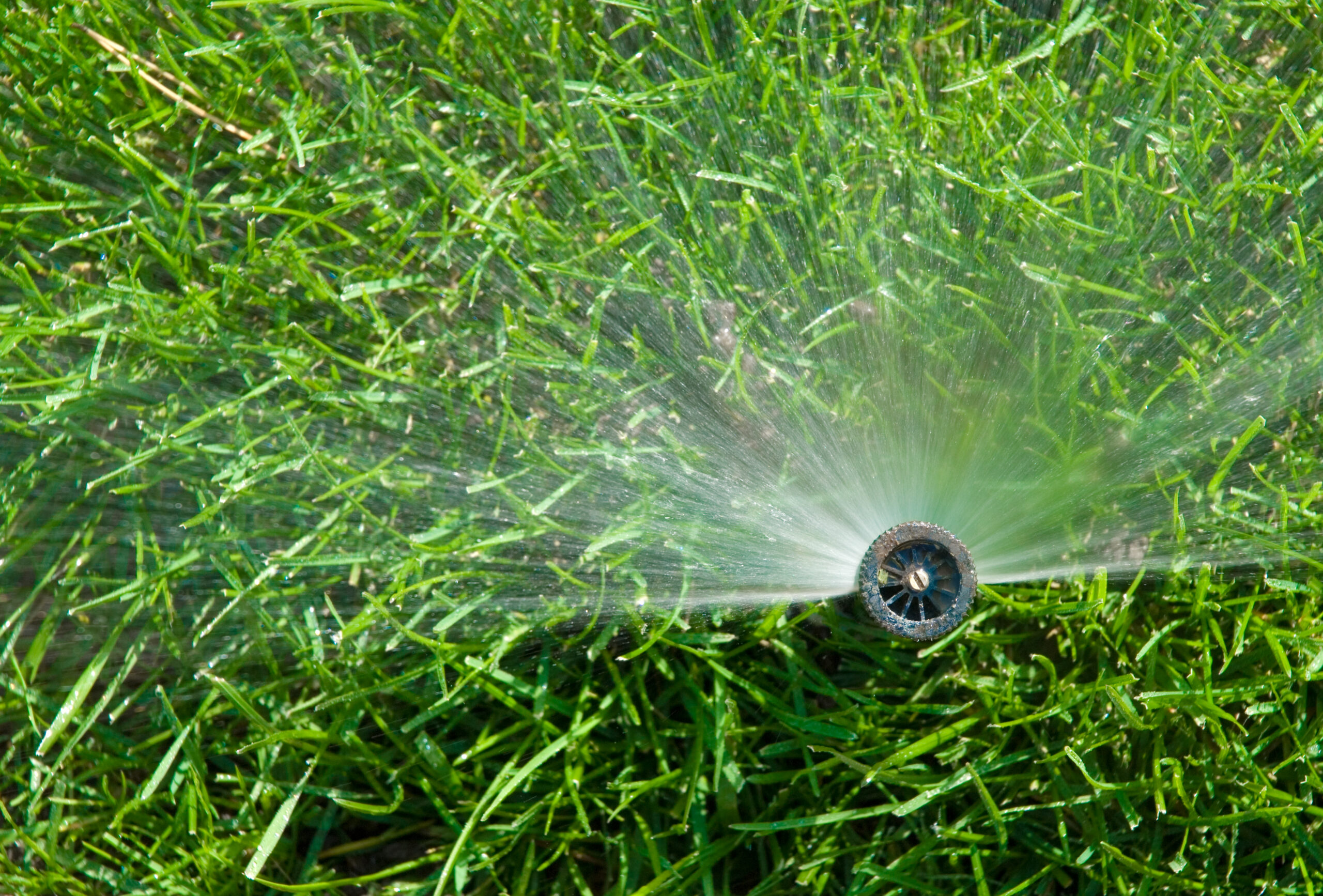
Water is one of the most valuable resources in commercial landscaping, yet it is often one of the most mismanaged. A well-designed commercial irrigation management guide helps facility managers maintain healthy landscapes while controlling water usage and preventing unnecessary expenses. With the right approach, irrigation becomes a tool for efficiency rather than a source of waste.
1. Overwatering Causes More Damage Than Drought
It is a common assumption that more water leads to healthier landscapes. In reality, overwatering is one of the leading causes of plant stress and turf decline. Excess water prevents roots from growing deeper, making plants more dependent on frequent irrigation. It also creates ideal conditions for mold, fungus, and root rot.
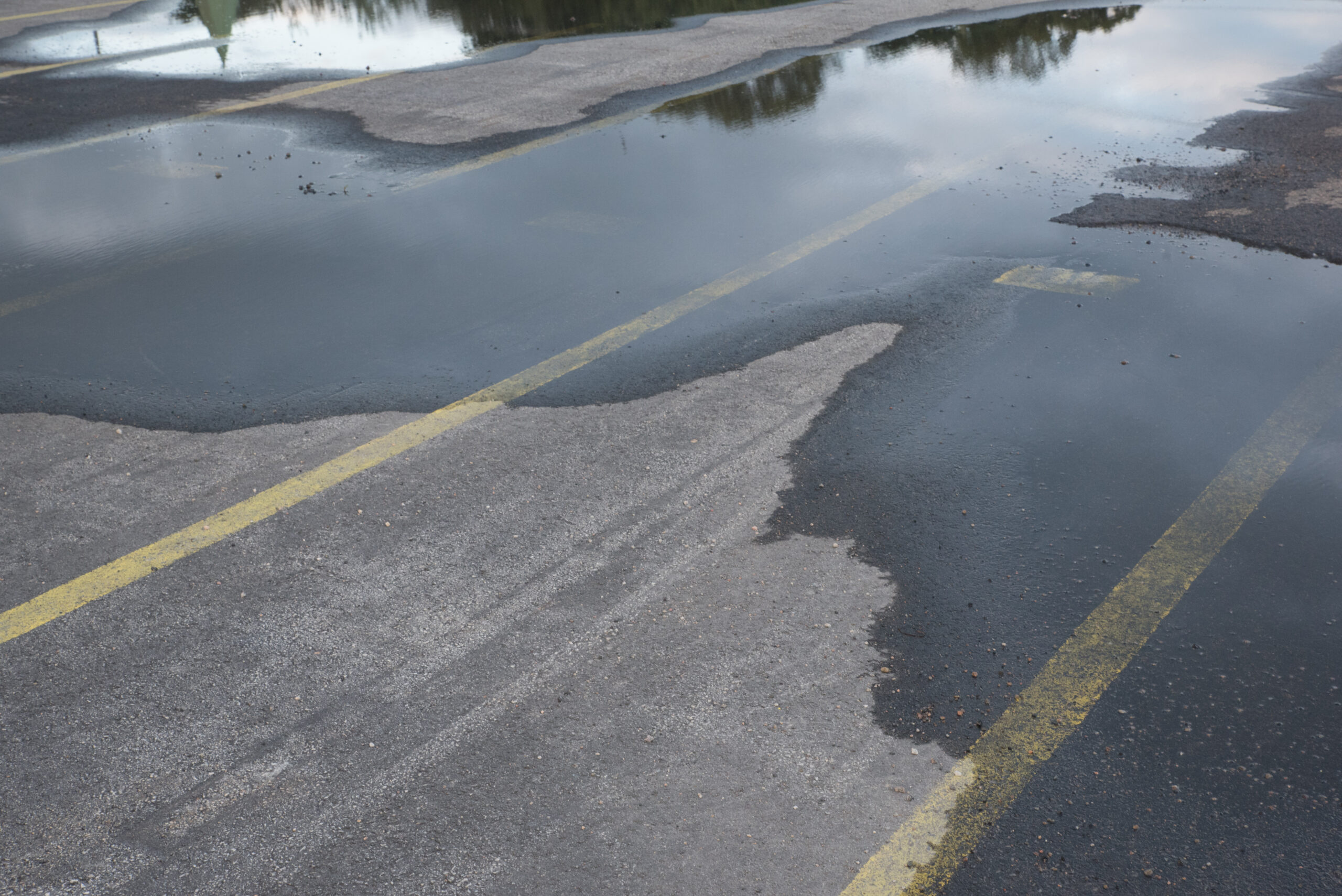
Signs of overwatering include yellowing grass, soft soil, and pooling water. Addressing these issues early prevents long-term damage and reduces the need for costly plant replacement.
The Environmental Protection Agency (EPA) highlights that efficient irrigation practices can reduce outdoor water use by up to 30 percent.
2. Timing Matters as Much as Volume
When irrigation systems run is just as important as how much water they deliver. Watering during peak daylight hours leads to rapid evaporation, meaning much of the water never reaches plant roots.
Early morning irrigation allows water to absorb into the soil before temperatures rise. Evening watering can be effective, but it must be carefully managed to avoid prolonged moisture that encourages disease.
Adjusting irrigation schedules seasonally also plays a key role. Systems that run on fixed timers often waste water during cooler months or after rainfall.

3. System Efficiency Starts with Regular Inspections
Even the best irrigation systems lose efficiency over time. Broken sprinkler heads, clogged nozzles, and uneven coverage can lead to dry patches in some areas and oversaturation in others.
Routine inspections ensure that water is distributed evenly across all landscaped areas. Small issues, such as a misaligned sprinkler head, can have a significant impact on both water usage and plant health.
At National Facility Contractors, we emphasize regular system checks to maintain consistent performance across every property.
4. Smart Irrigation Technology Improves Control
Modern irrigation systems use weather data and soil moisture sensors to adjust watering schedules automatically. These systems prevent unnecessary watering during rainfall and adapt to changing environmental conditions.
Smart controllers provide a more precise approach to irrigation, reducing waste while improving landscape health. For multi-site properties, centralized control systems allow facility managers to monitor and adjust irrigation remotely, improving consistency across locations.
5. Proper Irrigation Protects Long-Term Landscape Investment
Landscaping is an investment, and irrigation plays a direct role in protecting it. Consistent, balanced watering promotes deeper root growth, stronger turf, and healthier plants. Over time, this reduces the need for replanting, repairs, and excessive maintenance.
Efficient irrigation also supports sustainability goals by conserving water and reducing runoff. When systems are properly managed, they contribute to both environmental responsibility and operational efficiency.
Smarter Irrigation Leads to Stronger Landscapes
Effective irrigation is not about using more water. It is about using the right amount, at the right time, in the right places. A structured approach helps facility managers maintain healthy, attractive landscapes while reducing waste and controlling costs.
If your properties could benefit from improved irrigation performance, consider scheduling a system evaluation with National Facility Contractors. A proactive approach today helps protect your landscape investment for years to come.