Managing landscaping across multiple properties requires consistency, efficiency, and cost control. Complex designs and high-maintenance plant selections often create unnecessary work and inconsistent results. A thoughtful low-maintenance landscaping strategy for multi-site facilities helps simplify operations while maintaining a clean, professional appearance year-round.
1. Start with the Right Plant Selection
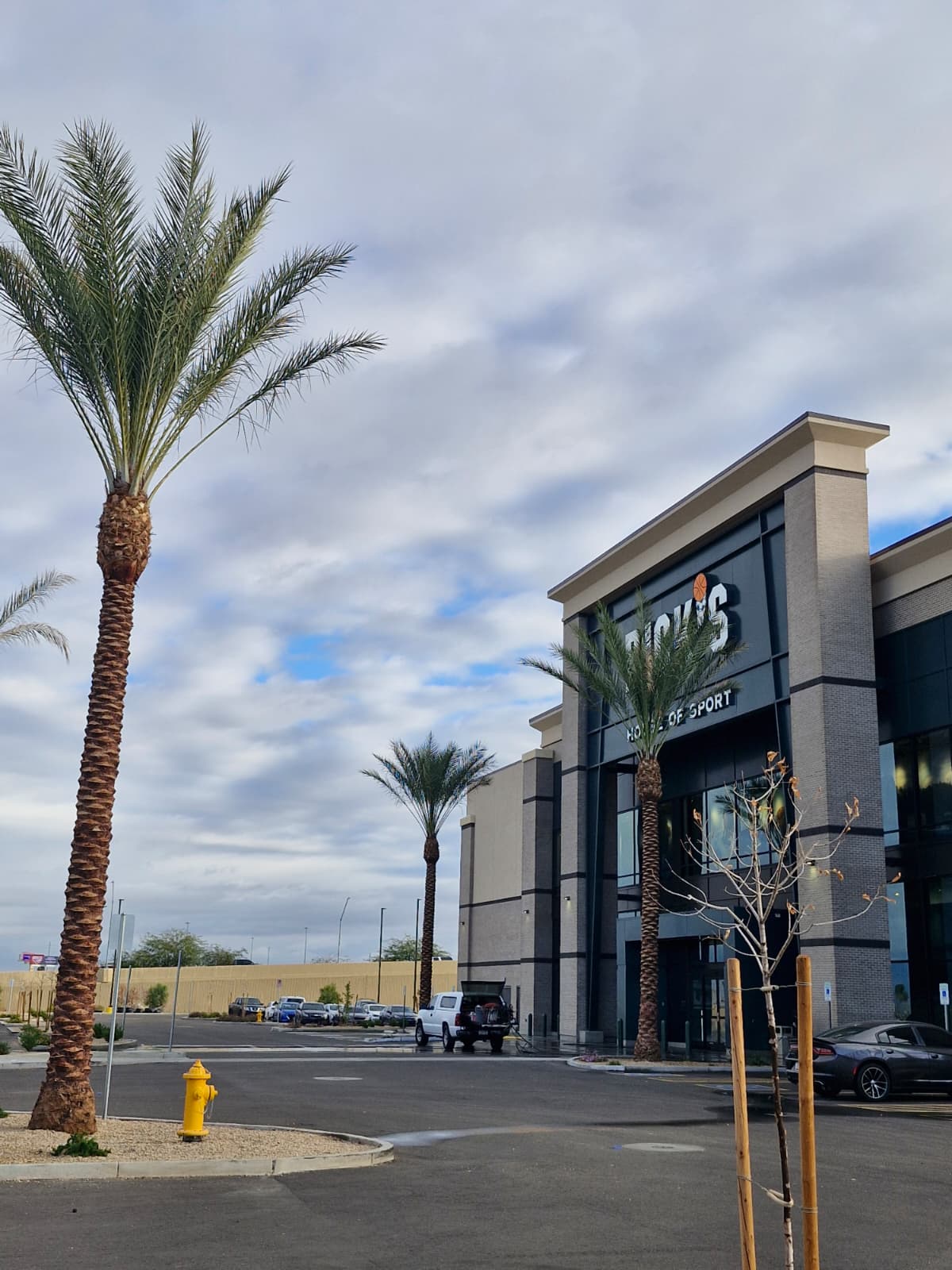
The foundation of low-maintenance landscaping begins with plant choice. Native and climate-adapted plants require less water, fertilizer, and ongoing care because they are suited to local conditions.
Avoid high-maintenance species that demand frequent pruning, watering, or seasonal replacement. Instead, focus on hardy plants that can thrive with minimal intervention. This reduces labor demands and improves consistency across locations in different regions.
The National Association of Landscape Professionals recommends selecting plants based on climate, soil conditions, and long-term sustainability rather than short-term appearance.

2. Simplify Landscape Design
Complicated layouts often lead to higher maintenance requirements. Multiple plant varieties, intricate bed designs, and irregular shapes increase the time needed for upkeep and create more opportunities for inconsistency.
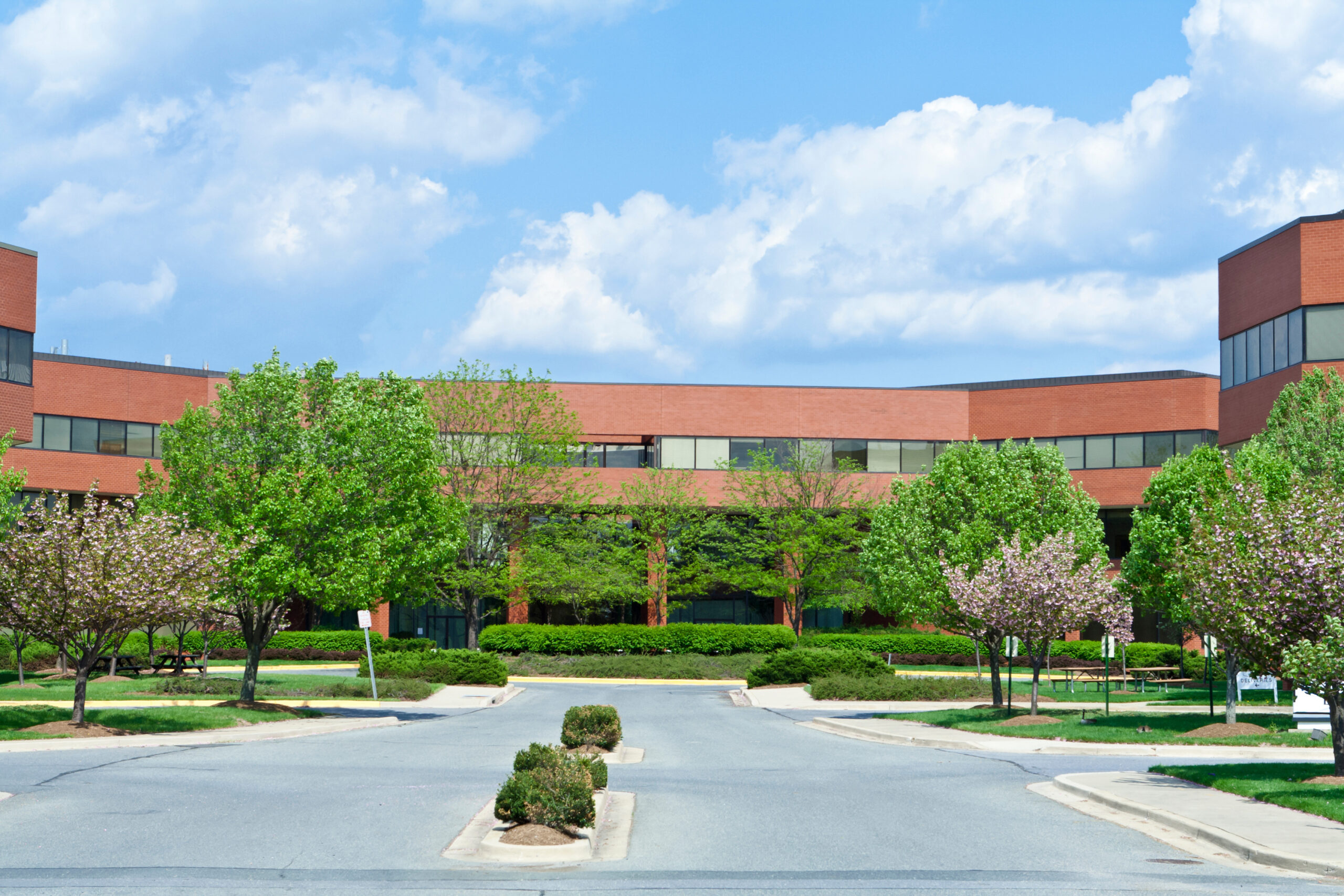
Simplified designs with clean lines, defined edges, and fewer plant types are easier to maintain and replicate across multiple properties. This approach also supports brand consistency by creating a uniform look across all locations.
3. Reduce Turf Areas Where Possible
Grass requires frequent mowing, watering, and fertilization. For multi-site portfolios, large turf areas significantly increase maintenance costs and resource use.
Consider reducing turf in low-visibility or low-traffic areas and replacing it with mulch beds, decorative rock, or ground cover plants. These alternatives require less maintenance while still maintaining a polished appearance.
Strategic turf reduction helps balance aesthetics with long-term efficiency.
4. Improve Irrigation Efficiency
Low-maintenance landscaping and efficient irrigation go hand in hand. Even the most durable plants require proper watering to stay healthy.
Install irrigation systems that deliver water directly to plant roots, such as drip irrigation, to reduce waste and improve efficiency. Regular inspections ensure systems operate correctly and prevent overwatering or dry spots.
For additional insight into water-efficient practices, visit the Environmental Protection Agency WaterSense program.
5. Standardize Maintenance Across Locations
Consistency is one of the biggest challenges in multi-site landscaping. Without a clear plan, each property can develop its own maintenance patterns, leading to uneven results.
A standardized, low-maintenance landscaping strategy for multi-site facilities ensures that all locations follow the same guidelines for mowing, pruning, irrigation, and seasonal care. This improves efficiency, simplifies vendor management, and supports a consistent brand image.
At National Facility Contractors, we focus on scalable landscaping programs that deliver predictable results across every property.
Efficiency Without Sacrificing Appearance
Low-maintenance landscaping is not about doing less. It is about doing the right work, in the right way, with the right materials. When landscapes are designed with efficiency in mind, they require fewer resources while still maintaining a professional, well-kept appearance.
If your properties could benefit from a more efficient approach, consider scheduling a landscaping evaluation with National Facility Contractors. A simplified strategy can reduce maintenance demands while improving consistency across every location.