A property manager once told me the worst decision he ever made was choosing flooring based solely on upfront cost. Within three years, his warehouse had multiple repairs, downtime for resurfacing, and tenants complaining about the floors wearing down unevenly. That facility had been coated with a low-grade epoxy system. He later switched to polished concrete in a similar building and saw almost no maintenance requests related to flooring for five years.
That comparison stuck with me—because it highlights what many overlook when weighing epoxy vs. polished concrete: durability under real-world conditions.
Both finishes are popular in commercial and industrial settings, especially in environments where durability isn’t just a feature—it’s a necessity. Auto shops, warehouses, hospitals, schools, food processing plants, showrooms—all rely on floor systems that can handle heavy loads, spills, scrapes, temperature changes, and high foot traffic. But how each one performs over time varies significantly.
Surface Strength and Impact Resistance
Epoxy flooring forms a protective surface layer that bonds to a prepared concrete slab. It’s often praised for its chemical resistance and its ability to stand up to heavy rolling loads. High-grade epoxy systems with urethane topcoats can resist impacts from dropped tools or machinery. But they aren’t invincible. Over time, impacts can chip or crack the coating, especially if it wasn’t installed properly or if subfloor prep was rushed.
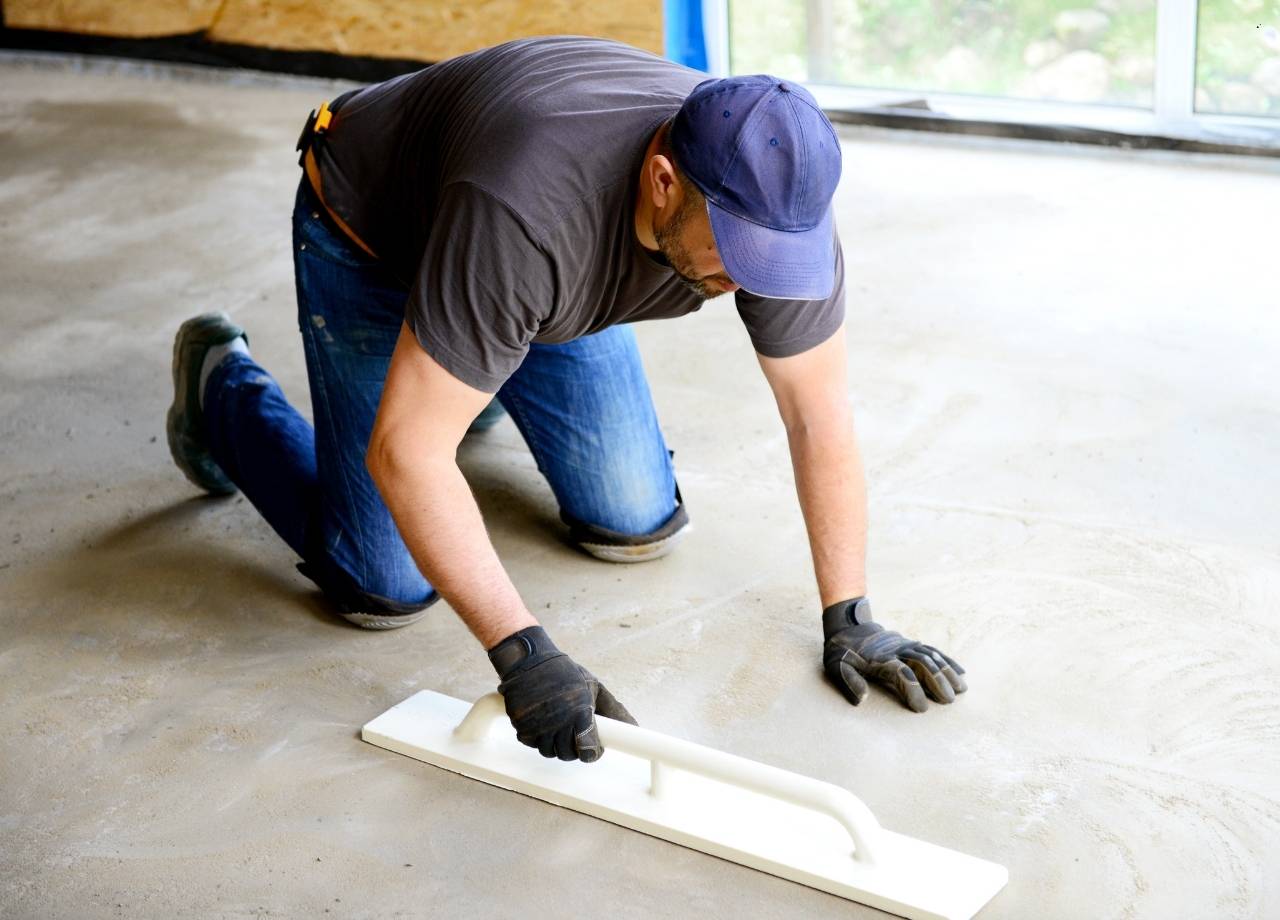
Polished concrete relies on the existing slab, mechanically ground and treated with densifiers. Once polished to a desired grit level, the surface hardens and gains resistance to abrasion. There’s no coating to crack or peel. A properly polished floor can resist impact and surface wear for years with minimal degradation—especially in static environments. However, it can show surface scratching if exposed to constant scraping by pallets or forklifts without proper maintenance.
Chemical and Moisture Resistance
Epoxy systems shine in environments where spills are frequent. Think chemical storage, auto bays, commercial kitchens. Depending on the formulation, epoxy can resist oils, solvents, acids, and caustic agents that would normally damage bare concrete. The topcoat acts like a barrier, locking out moisture and contaminants.
Polished concrete, by contrast, is porous unless sealed. Densifiers reduce permeability, and guard sealers can help resist staining, but chemical exposure over time can still lead to etching or discoloration. High-moisture environments pose another risk—polished concrete breathes more than epoxy, which can be a plus in areas where vapor transmission is a concern. But without sealing, water intrusion can leave marks or mineral buildup.
Wear Over Time
After five years of forklift traffic, a well-installed epoxy floor might start showing wear patterns along paths of constant movement. The top layer may lose gloss, and high-friction zones may need recoating. Epoxy systems can be patched, but matching gloss and color can be tricky unless the entire floor is resurfaced.
Polished concrete wears in a different way. It develops a patina, often seen as desirable in retail or showroom settings. It doesn’t peel or flake, and re-polishing can restore gloss without removing or replacing material. That said, once deep surface scratches or gouges appear, repair becomes more labor-intensive since blending patches into a polished surface is challenging.
Temperature Resistance and Thermal Cycling
Warehouse managers often ask how well these systems perform in non-climate-controlled environments. Epoxy expands and contracts with temperature swings. In cold storage or facilities with wide daily temperature swings, cracking or delamination can occur—especially at control joints or near wall edges.
Polished concrete is more stable in this regard. The slab itself undergoes thermal expansion, but with no added coating to stress or delaminate, performance remains consistent. That’s one reason why food distribution centers with freezer sections often favor polished floors near cold zones.
Maintenance Needs and Downtime
Every facility manager wants to minimize downtime. Installing epoxy can take days: surface prep, base layer, cure time, and topcoat. Add in ventilation requirements and dry time, and a production area could be out of commission for several days. Maintenance also requires care: scratches, gouges, or chemical damage may need complete resurfacing in affected zones.
Polished concrete requires a good amount of prep too—grinding, densifying, polishing—but once installed, it needs less frequent intervention. Routine cleaning with an auto scrubber and periodic burnishing keeps the surface performing. There’s no recoating required, which makes long-term maintenance planning simpler.
Safety and Slip Resistance
Slip-and-fall incidents are a major liability. Epoxy systems can be customized with anti-slip additives during installation. This is useful in kitchens, labs, or food prep zones where liquids are common. But without those additives, epoxy can become slick, especially when wet.

Polished concrete, contrary to what some assume, can offer decent slip resistance—particularly at lower gloss levels. Honed finishes, often used in public areas like airports and malls, strike a balance between appearance and traction. In wet environments, however, sealers can make the surface slippery unless treated with grip-enhancing products.
Initial Cost vs. Long-Term Value
Budget pressures often lead buyers toward the lowest upfront cost. Epoxy can be more affordable to install initially, especially in small areas. But long-term cost adds up if resurfacing or repair is needed every few years. High-end epoxy systems with multiple layers and moisture barriers narrow the gap, but that pushes the price up.
Polished concrete has a higher initial cost due to the labor-intensive process. But it often wins on long-term value, especially in high-traffic areas. With fewer material inputs over the years, less downtime, and minimal rework, facilities see savings by year four or five. One logistics firm shared that after seven years, their polished floor had outlasted the previous epoxy finish by double the time—without major repairs.
Customization and Appearance
Brand-conscious clients sometimes lean toward epoxy because of the customization options. Metallic finishes, color flakes, or vivid patterns give more aesthetic flexibility. That’s useful in retail settings or showrooms where branding and design matter.
Polished concrete has a cleaner, more industrial look. It’s popular in minimalist designs, tech offices, or modern interiors. Concrete staining can add color, and different aggregate exposure levels offer visual variety. But it doesn’t match the decorative versatility of epoxy.
Installation Variables and Risk
Performance doesn’t depend only on the product—it comes down to the install crew. Epoxy flooring is sensitive to substrate moisture, ambient temperature, and curing times. Rushed installs or skipping prep steps lead to bubbling, delamination, or weak adhesion.
Polished concrete also requires skill, especially with large spaces. If grinding isn’t uniform or densifiers are misapplied, the finish will wear unevenly. Choosing experienced installers for either system is non-negotiable.
Use Case Matches
Auto shops, chemical plants, or food prep areas typically favor epoxy for its chemical resistance. High-end showrooms, tech campuses, and distribution centers often lean toward polished concrete for longevity and lower upkeep.
If the facility has ongoing exposure to oil or solvents, epoxy wins. If downtime is a major concern and maintenance staff is limited, polished concrete may be the better choice.
The Right Partner Makes the Difference
Choosing the right flooring system is only half the equation—getting it installed properly, by a team that understands your traffic patterns, moisture conditions, and long-term goals, is what determines success. That’s why facility managers across commercial, healthcare, and industrial environments turn to National Facility Contractors for expert guidance and seamless flooring execution that stands the test of time.
Final Thought
No flooring system is perfect for every space. The right choice depends on the nature of operations, the type of traffic, environmental conditions, and how long the owner expects the floor to last before resurfacing. What matters is matching performance expectations to actual facility needs—not just going with what looks best on a sample board.
For commercial spaces where durability directly impacts operations, neither epoxy nor polished concrete should be selected casually. Each offers strong advantages. Each comes with tradeoffs. The better the match, the fewer regrets down the road. Just ask that property manager.