Choosing between asphalt and concrete for a parking lot is not just about appearance or cost. It’s about performance over time, total lifecycle value, how the material handles stress, and how well it supports your facility’s long-term goals. Plenty of contractors will push one or the other without looking at the full picture. But when your property’s performance and cost-efficiency are on the line, you need more than surface-level advice.
Material Composition Impacts Performance
Asphalt uses a petroleum-based binder that creates a flexible pavement. That flexibility helps it absorb slight ground shifts or temperature swings, which can extend surface life under the right conditions. Concrete, built on a rigid cement matrix, brings greater compressive strength but less give. That rigidity supports heavier loads without distortion but cracks more easily if not properly installed or maintained.
Understanding the core makeup of each surface helps clarify why they behave so differently in the field. Asphalt bends. Concrete resists. That alone shapes how each material performs under pressure, weather, and traffic.
Initial Cost Favors Asphalt, but There’s More to the Story
Asphalt usually carries a lower sticker price. It installs faster, requires fewer labor hours, and can often be completed in a day or two with minimal equipment staging. That’s attractive when timelines are tight or capital budgets are limited. Concrete costs more upfront, takes longer to install, and needs time to cure before opening to vehicles. But that doesn’t mean it’s the wrong choice. It just means you’re paying more now to avoid frequent maintenance down the road.
If short-term savings are critical, asphalt gets you open for business quickly. But if ownership expects to hold and operate the facility for decades, concrete’s higher upfront investment often pays off.
Maintenance Frequency Sets the Materials Apart
Every parking lot needs maintenance. The question is how often, how intensive, and at what cost. Asphalt requires routine care: sealing every few years, crack repair, and eventually resurfacing. It’s a maintenance-driven surface. That makes budgeting predictable but recurring. Concrete typically requires less maintenance if installed correctly. Joint sealing, occasional surface cleaning, and limited patching can keep a concrete lot functional for decades. But when repairs do happen, they tend to be more costly and time-consuming.
It’s not just about whether maintenance is needed. It’s about how often you’ll need to shut down sections of the lot, how long repairs will take, and how much each event will cost.
Surface Performance Under Heat, Cold, and Load
Asphalt can soften in extreme heat, which can lead to surface depressions or rutting under turning vehicles. Cold climates bring their own issues, with freeze-thaw cycles opening up cracks that let in water and weaken the base layer. Concrete, when poured and jointed properly, holds its shape through heat and cold. It also handles heavy vehicle loads with ease. That’s why it’s a go-to for industrial facilities and freight yards.
Climate matters. If the site sits in a region with long summers and high heat, asphalt’s flexibility can work against it. In freeze-prone zones, both materials need proper sub-base prep and drainage—but concrete tends to hold up better over time.
Aesthetics and Heat Reflection Matter More Than You Think
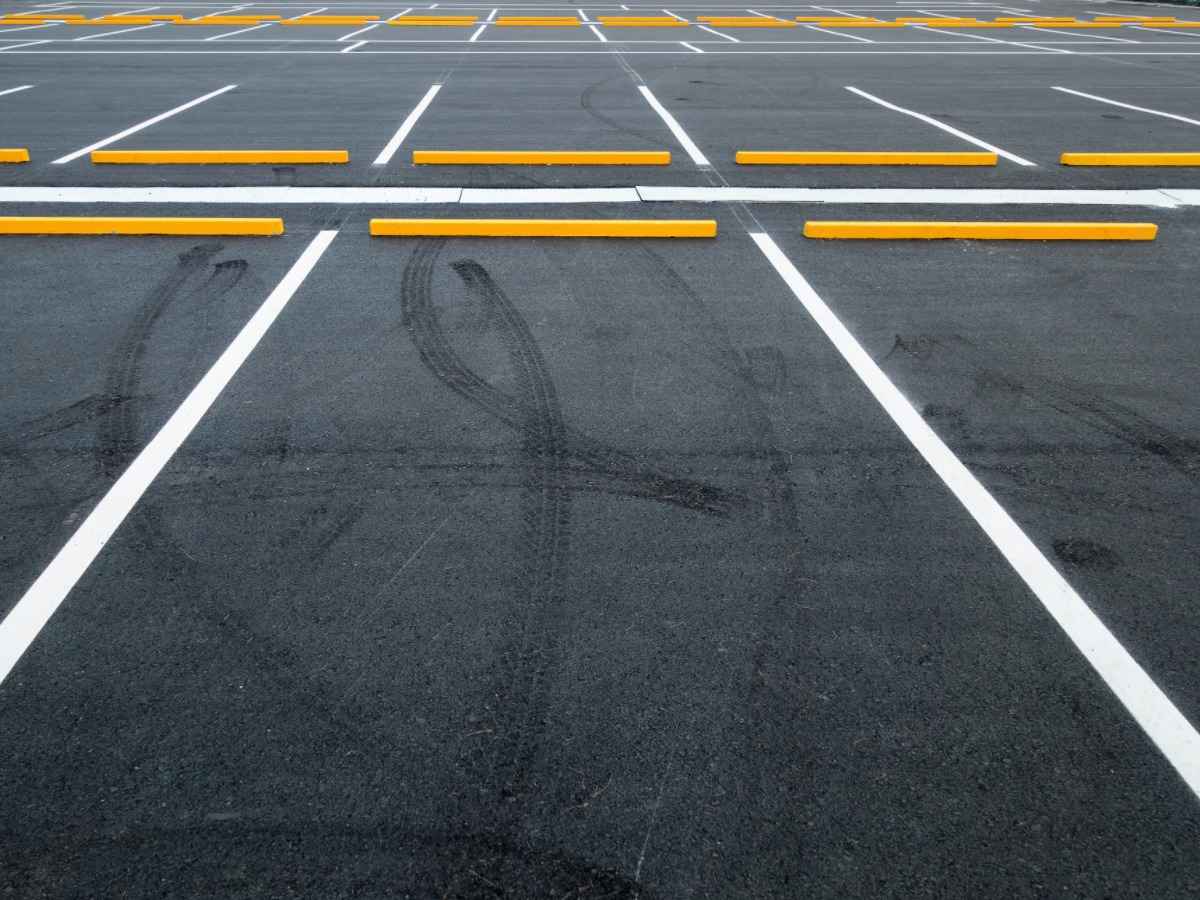
Asphalt gives you that clean, dark finish with crisp striping. It hides stains and imperfections well, which helps keep a lot looking clean even when it’s not freshly sealed. But it also traps heat. Walk across an asphalt lot on a sunny day, and it becomes clear why the heat island effect is a real concern for urban sites
Concrete reflects light, stays cooler, and gives a brighter appearance. That can improve both safety and visual appeal, especially for commercial or retail properties where customer experience begins the moment they park. A lighter lot surface also cuts down on nighttime lighting costs since it reflects more light from fixtures.
Speed of Installation Can Drive the Decision
If fast turnover is a must, asphalt delivers. With the right crew and conditions, you can prep and pave in a matter of days. That means less disruption, earlier occupancy, and quicker revenue. Concrete takes longer. Curing adds days to the timeline, and depending on weather, those days can stretch out.
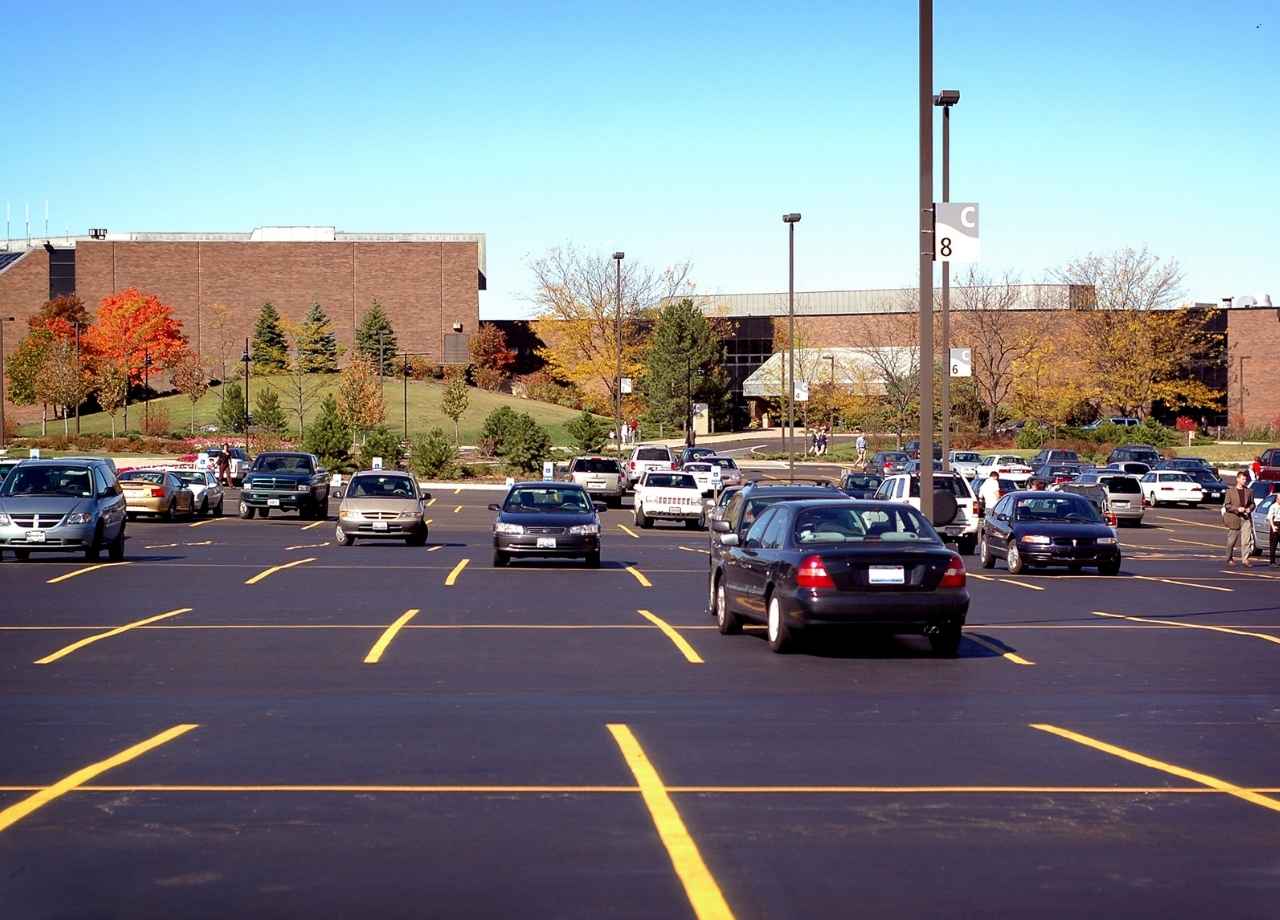
Facilities that can’t afford long construction windows often lean toward asphalt for its speed. But that speed sometimes comes at the cost of long-term stability.
Long-Term Cost Control Comes with Strategic Planning
Over a 30-year period, total cost of ownership starts to tell a different story. Asphalt’s lower initial price gets offset by regular resurfacing, sealing, and patchwork. Concrete costs more upfront but demands fewer interventions over time. The lifecycle advantage often goes to concrete, especially for large lots where maintenance disrupts operations and hits revenue.
That doesn’t mean asphalt is wrong—it just means the budget strategy needs to account for regular service. For owners planning to sell within 10 years or managing short-term leases, asphalt’s short ROI curve makes it a smart play.
Drainage and Sub-Base Quality Can Make or Break the Lot
Regardless of material choice, drainage design is non-negotiable. Poor slope, inadequate grading, or weak sub-base preparation leads to failure. Water sitting on a surface finds its way into joints, cracks, and underlayers. Once that happens, neither asphalt nor concrete will perform well.
Good drainage protects both materials from early damage. And that means engaging a contractor who understands more than paving—someone who takes base prep, compaction, and water movement seriously.
Environmental Factors Influence the Choice
Both materials come with environmental impact. Asphalt relies on petroleum, emits VOCs during installation, and requires recurring resurfacing that adds to its carbon footprint. Concrete has a higher initial environmental load due to cement production, but stretches its lifecycle impact across more years with fewer interventions.
Some jurisdictions favor concrete for its reflectivity and lower heat retention. Others accept asphalt as long as stormwater and runoff requirements are met. If your project targets LEED credits or sustainability metrics, concrete often checks more boxes over time.
User Safety and Accessibility Shouldn’t Be Overlooked
Safety matters, especially for commercial or public-facing facilities. Asphalt, when neglected, can develop potholes and depressions that create hazards. Concrete maintains a flatter surface over time, reducing trip risks and maintaining ADA compliance more easily.
Good lighting, clear striping, and regular inspections help either surface stay safe, but concrete offers a longer period of worry-free use between major upgrades.
Repair Approach Affects Operational Disruption
Fixing a damaged asphalt section is straightforward. Crews cut, fill, and compact. Turnaround is quick. Concrete repairs often involve cutting, formwork, pouring, and curing. That means longer downtime and higher disruption.
For 24/7 operations or lots that serve critical services, asphalt’s repairability becomes a key advantage. But if the goal is to minimize how often those repairs happen, concrete wins the longevity argument.
Striping Visibility and Longevity Differ by Material
Painted lines and directional signage need strong contrast. Asphalt’s dark background makes traffic markings pop and remain visible even as paint fades. Concrete needs high-quality traffic paint to maintain visibility, and in high-sun areas, fading can happen faster.
Facilities that re-stripe frequently due to traffic wear or seasonal repainting may find asphalt more forgiving. But concrete striping holds up well when done with durable coatings.
Heat Retention and Pedestrian Comfort Play a Role
Parking lots absorb and radiate heat. Asphalt gets significantly hotter during the summer months, which affects pedestrian comfort and vehicle interiors. Concrete stays cooler. That contributes to a more comfortable walking experience and reduces urban heat island effect, especially on large lots with limited shade.
Retail centers, medical facilities, and community spaces often benefit from concrete’s cooler surface.
Every Project Needs a Material Fit, Not a Default Option
No single material wins across all categories. The best choice depends on property type, ownership horizon, traffic loads, climate, operational downtime tolerance, and budget flexibility. Asphalt works well for short-term use, flexible scheduling, and fast repairs. Concrete performs better for long-term stability, heavy usage, and reduced maintenance frequency.
There’s no magic answer. But with proper planning, the right choice becomes obvious based on your property’s demands and your long-term goals.