Concrete doesn’t fail overnight. It gives warnings. The problem is most property owners and even some facility teams don’t recognize those warnings until the damage is widespread and expensive to fix.
Two of the most common forms of surface deterioration are scaling and spalling. They’re often used interchangeably, but they are not the same thing. Understanding the difference between concrete scaling vs spalling is critical if you want to protect your structure, avoid liability issues, and control long-term repair costs.
Let’s break it down the right way.
What Is Concrete Scaling?
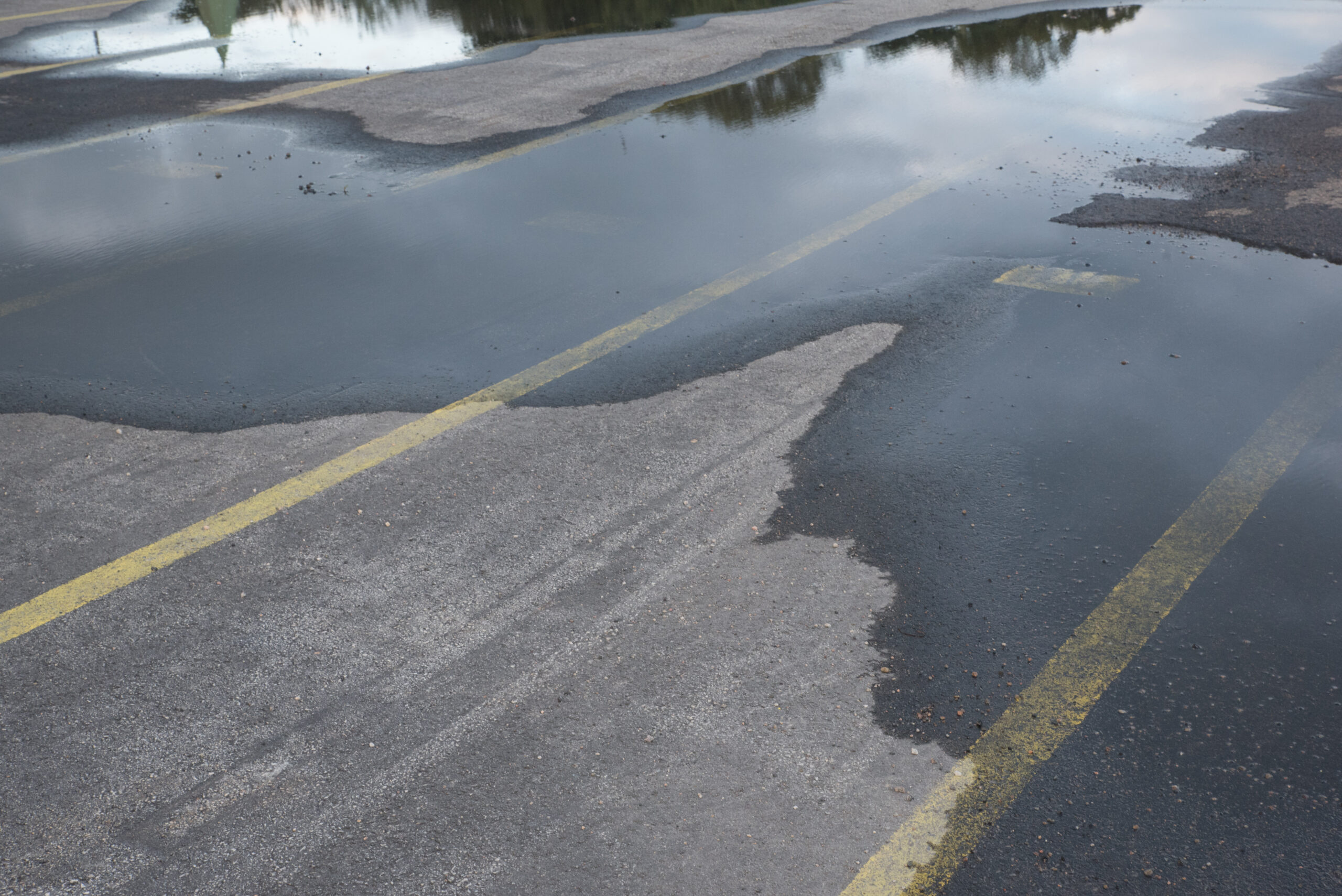
Concrete scaling is surface-level deterioration. It shows up as flaking, peeling, or chipping of the top layer of concrete. You’ll usually see it on exterior slabs, sidewalks, loading docks, parking garages, and driveways—especially in colder climates.
At first glance, scaling looks cosmetic. The surface appears rough or patchy. Small fragments come loose. The aggregate underneath may start to show through.
The common causes include:
- Freeze-thaw cycles
- Deicing salts
- Improper finishing during installation
- Weak surface mix
- Inadequate curing
When water penetrates the surface and freezes, it expands. That expansion creates internal pressure. Over time, the top layer separates and flakes off. Add road salts or deicers into the mix, and the damage accelerates quickly.
Scaling typically affects the top 1/8 to 1/4 inch of concrete. The structural integrity underneath may still be intact, especially in early stages. But if left untreated, it opens the door to deeper deterioration.
What Is Concrete Spalling?
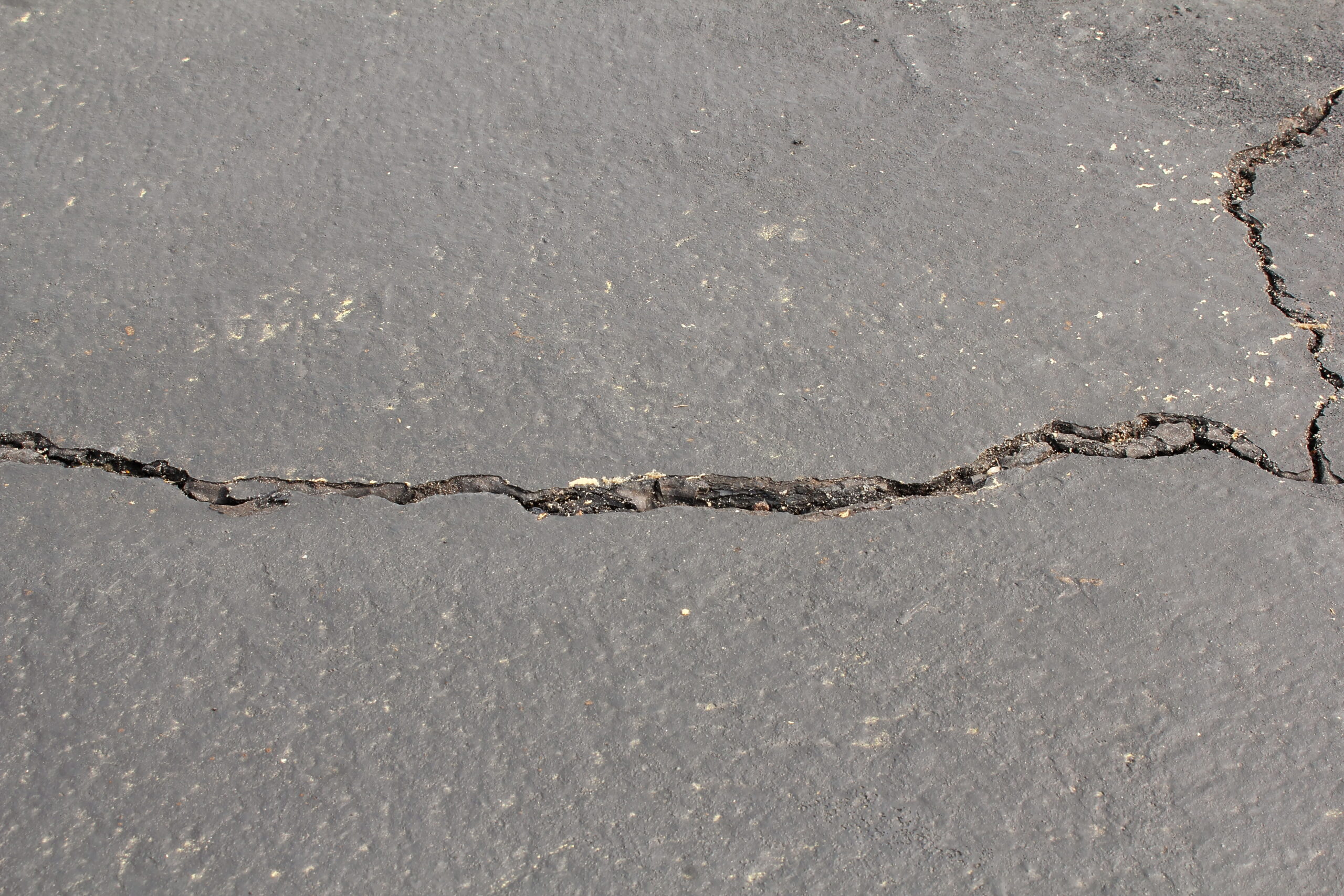
Spalling is more aggressive and more serious. Instead of just surface flaking, spalling involves deeper breakage. Pieces of concrete crack, detach, and sometimes expose reinforcing steel underneath.
This is not just cosmetic damage. It’s a structural concern.
Spalling is usually caused by:
- Corrosion of embedded rebar
- Long-term water intrusion
- Freeze-thaw expansion deeper in the slab
- Poor concrete mix or inadequate cover over reinforcement
- Structural stress or overloading
When reinforcing steel corrodes, it expands. That expansion creates internal pressure inside the slab, eventually forcing chunks of concrete to break away. You’ll often see cracks radiating from the damaged area. In parking structures and balconies, this can create falling debris hazards.
Spalling often starts small but spreads quickly if moisture continues to enter the system.
Concrete Scaling vs Spalling: Key Differences
The easiest way to think about it is depth and severity.
Scaling is a surface issue. It affects the top layer and is typically driven by environmental exposure.
Spalling goes deeper. It involves internal stress and often exposes reinforcement, which means structural performance can be compromised.
From a facilities management standpoint, the response strategy differs significantly. Scaling may require resurfacing, sealing, or applying protective coatings. Spalling may require structural patching, corrosion treatment, partial-depth or full-depth repairs, and sometimes engineering review.
Ignoring either one is where costs multiply.
Why Facilities Should Act Early
In commercial and industrial environments, concrete isn’t just a surface. It’s infrastructure. Loading docks carry heavy equipment. Parking decks support thousands of pounds daily. Sidewalks and entryways affect liability exposure.
When scaling begins, it allows water to penetrate deeper into the slab. Once that moisture reaches reinforcing steel, the risk of spalling increases dramatically. What could have been a surface repair becomes a structural repair.
In colder regions, this cycle accelerates each winter. Small surface damage becomes a recurring problem if it isn’t sealed or addressed properly.
Facility managers should schedule regular concrete inspections, especially after winter months. Look for surface flaking, cracks, rust stains, exposed rebar, or hollow-sounding areas when tapped. Those are early indicators that deeper deterioration may be developing.
Repair Approaches for Scaling
If caught early, scaling can often be repaired without major reconstruction.
Typical solutions include grinding the surface to remove loose material, applying bonding agents, resurfacing with polymer-modified overlays, and sealing the slab to prevent further moisture intrusion. The key is proper surface preparation. Without it, overlays fail prematurely.
In high-traffic areas, protective coatings or water-repellent sealers can extend the life of the slab significantly.
However, if scaling has been ignored for multiple freeze-thaw cycles, the surface may need partial replacement.
Repair Approaches for Spalling
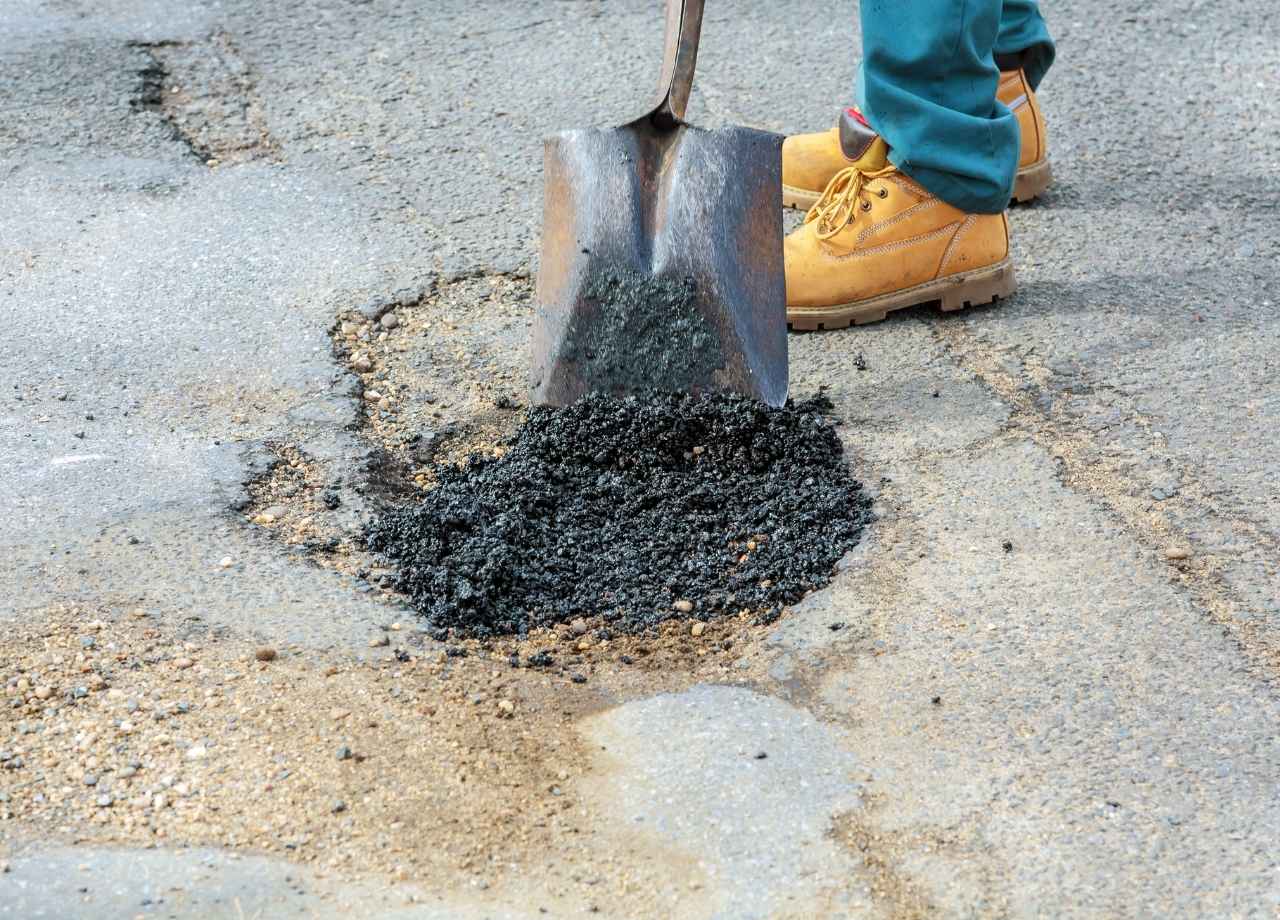
Spalling repairs require more precision. First, the damaged area must be cut back to sound concrete. Any exposed rebar must be cleaned and treated to prevent continued corrosion. In some cases, additional reinforcement is required.
Patch materials must be compatible with the existing slab and designed for structural repair. Poor patching leads to repeat failure, often within a few seasons.
In parking garages or elevated slabs, spalling may require engineering review to ensure structural capacity hasn’t been compromised.
This is not a cosmetic patch job. It’s corrective structural maintenance.
Prevention Is More Cost-Effective Than Repair
The most overlooked part of concrete maintenance is prevention. Proper drainage, routine sealing, controlled use of deicing salts, and consistent inspections go a long way.
During new construction or major renovations, proper concrete mix design, air entrainment for freeze-thaw resistance, adequate curing time, and correct reinforcement placement are critical. Many long-term problems trace back to shortcuts taken during installation.
For existing facilities, a preventive maintenance plan should include annual concrete condition assessments. This is especially important for high-exposure areas like:
- Parking structures
- Loading docks
- Exterior walkways
- Ramps
- Balconies
Early identification reduces long-term capital costs and extends asset life.
The Liability Factor
From a risk management standpoint, spalling presents real safety concerns. Falling concrete in garages or from overhead slabs can injure occupants. Surface deterioration in pedestrian areas increases slip and trip hazards.
Insurance carriers and inspectors are paying closer attention to structural concrete conditions. Deferred maintenance can quickly become a compliance issue.
Concrete deterioration is rarely sudden. It’s progressive. When documented inspections show that a facility has been proactive, it reduces exposure and supports better budgeting conversations with ownership.
When comparing concrete scaling vs spalling, the difference comes down to depth, severity, and structural impact. Scaling is the early warning sign. Spalling is what happens when that warning gets ignored.
Facility managers who treat surface deterioration as cosmetic often end up dealing with structural repair bills later. The smarter approach is consistent inspection, timely intervention, and working with experienced contractors who understand both the visible damage and the underlying causes.
Concrete is durable, but it is not maintenance-free. With the right attention and planning, you can keep minor surface issues from turning into major structural problems.