Pricing a new parking lot isn’t as simple as multiplying square footage by a rate. Owners and property managers often search for a ballpark figure, only to find a wide range of numbers that raise more questions than answers. That’s because the cost to pave a parking lot depends on multiple factors, some visible, some hidden beneath the surface.
Understanding what drives the total investment is the best way to prepare for the process. While no two lots cost the same to build or resurface, there are consistent variables that shape the final number. Getting familiar with those will help you set a realistic budget and avoid costly surprises.
What Goes Into the Price Per Square Foot
Most people expect a per-square-foot quote. And that’s a reasonable place to start. But that figure is shaped by what lies beneath the asphalt or concrete, not just what goes on top. Base preparation, grading, drainage, and material choice can swing the cost significantly.
Even rough estimates tend to land anywhere from several dollars per square foot on the low end to much higher per square foot for more complex projects. These ranges can widen depending on access, layout, and local conditions.
Size also matters, but not in a straight line. Larger lots often benefit from economies of scale. Mobilization and equipment costs don’t increase at the same rate as the square footage. That means the cost per square foot usually drops on bigger jobs. Small lots, on the other hand, carry many of the same fixed costs with less area to spread them across.
New Construction vs Resurfacing
A brand-new parking lot starts with excavation, grading, and a new aggregate base. That adds labor, time, and materials. New builds cost more upfront but allow for complete control over the drainage and sub-base, key elements that determine longevity.
Resurfacing an existing lot, when the base is still sound, reduces costs. That usually involves milling the top layer, repairing damaged areas, and installing fresh pavement over the surface. While less expensive than full reconstruction, it only works if the base hasn’t been compromised by erosion or water damage.
If the lot has cracks, rutting, or drainage issues, partial resurfacing may only delay the need for full reconstruction. That’s why assessment matters more than square footage when pricing a project.
Asphalt vs Concrete: Two Different Pricing Models
Material choice drives long-term costs as much as initial price. Asphalt tends to come with a lower upfront cost. Installation is faster, and the surface can often be used within 24–48 hours. However, asphalt requires regular maintenance, including sealcoating and occasional resurfacing, which adds up over time.
Concrete usually costs more to install but lasts longer with less frequent maintenance. It also stays lighter and cooler, which benefits buildings in heat-sensitive regions or where reflectivity and aesthetics matter.
Ballpark figures for asphalt can start in a lower range per square foot, while concrete tends to begin closer to double that, depending on location, thickness, and finishing.
Thickness and Load Requirements Add Cost
Not all parking lots carry the same weight. A light-use lot serving passenger vehicles doesn’t need the same base or pavement thickness as one handling delivery trucks or garbage haulers. Areas exposed to constant turning, braking, or heavy loads need extra reinforcement.
Thicker pavement, a deeper base, and reinforced edges will increase the cost, but those measures are essential if the surface is going to hold up under pressure. Trying to cut corners here often leads to costly repairs later.
Drainage, Grading, and Site Work Can Swing the Price
Site conditions often drive as much of the budget as the paving itself. If the site is flat but needs water redirected, expect additional work to install swales, catch basins, or underground stormwater systems. If it’s uneven or has poor soil conditions, excavation and base stabilization add to the cost.
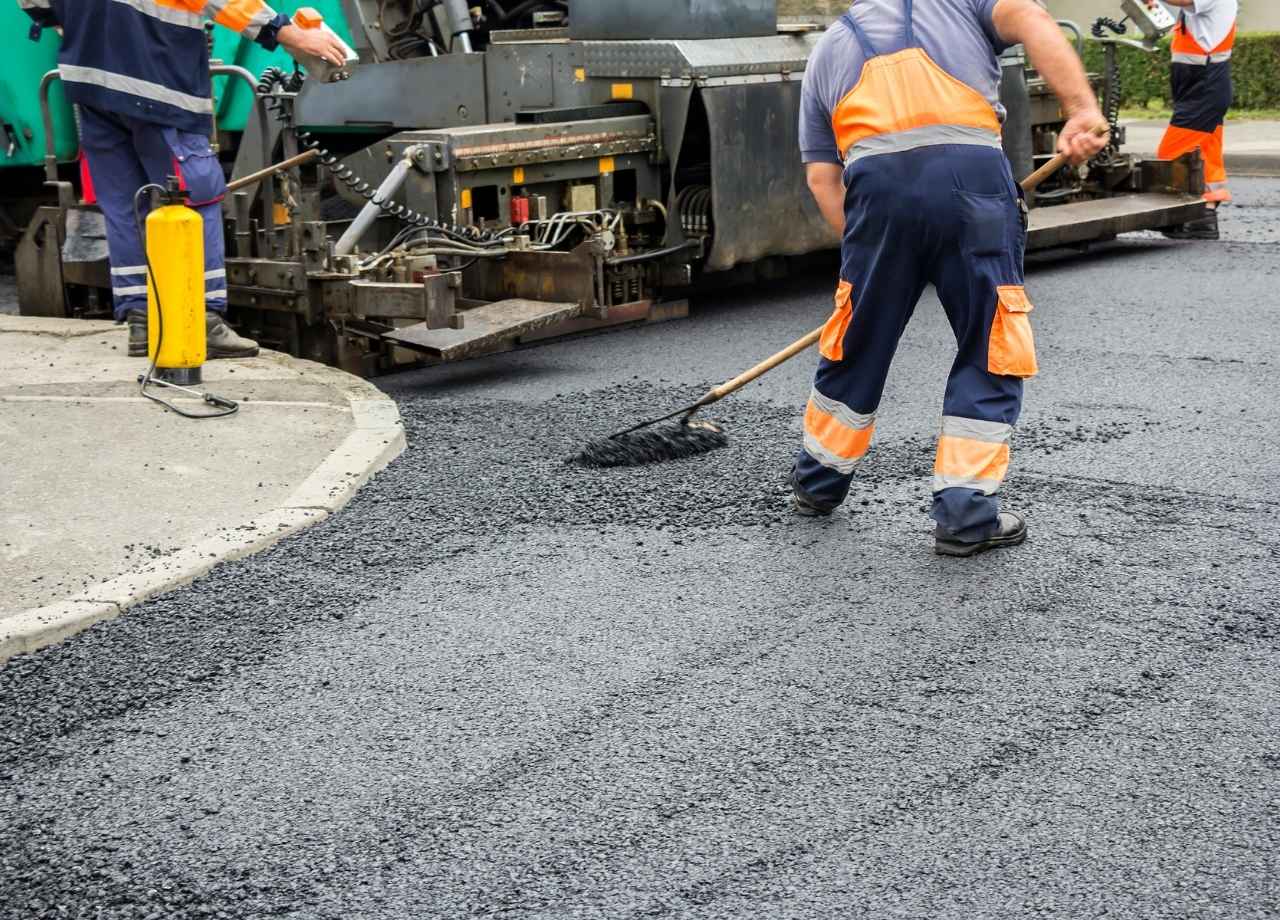
Utilities also matter. Relocating access panels, protecting storm drains, or working around existing infrastructure may not be part of the paving estimate but can influence total cost. Access for equipment, debris removal, and staging areas also affect logistics and pricing.
Striping, Signage, and Finishing Touches
Don’t forget what happens after the pavement is in place. Striping, ADA-compliant markings, wheel stops, signage, and lighting all contribute to the total cost of a functional lot. These finishing details are often itemized separately but can add a meaningful percentage to the project total.
High-traffic facilities may also want to consider traffic flow planning, concrete curbs, or bollards for safety, all of which require coordination during the design phase and increase the scope.
Permits and Local Regulations
Municipal codes can influence design and cost. Some jurisdictions require stormwater retention systems, permeable paving, or green infrastructure to meet environmental standards. Others impose restrictions on lighting, drainage runoff, or setbacks.
Permit fees, inspections, and compliance documentation should be included in the planning process to avoid delays and unplanned expenses.
Ongoing Maintenance Should Factor Into Budget Planning
Even a well-built parking lot isn’t set-and-forget. Asphalt needs sealcoating every few years and may require crack sealing or patch repairs between resurfacing. Concrete needs less frequent work, but joints, surface treatment, and occasional repairs still apply.
Factoring in annual maintenance allows for a more accurate total cost of ownership. That’s especially important for owners managing portfolios or budgeting across multiple properties.
What You Can Do to Control Cost?
Start with a professional assessment. Understanding the current condition of the sub-base, drainage, and surface condition helps avoid overbuilding or underestimating the scope. Design for durability, not just appearance. Plan for traffic flow, heavy-use areas, and realistic maintenance cycles.
Requesting a clear scope of work and a phased estimate, breaking out site prep, paving, and finishing, helps you see where the dollars are going. That also makes it easier to adjust the plan without compromising long-term performance.
A Range Is Just a Starting Point
Cost ranges will always vary based on region, market conditions, fuel prices, and materials availability. Even rough estimates can shift depending on time of year, contractor workload, and changes to local regulations.
Rather than chasing a universal number, property owners are better served by understanding the elements that shape the quote. That allows for informed decisions, smarter trade-offs, and ultimately a more successful project.