Every organization faces competing priorities when allocating capital budgets. When resources are limited, it can be tempting to postpone large projects in favor of more immediate needs. While this approach may provide short-term financial relief, delaying critical improvements often leads to significantly higher costs over time.
This deferred capital projects guide explains how postponing facility upgrades can affect operations, asset lifespan, safety, and long-term budgeting.
1. Small Issues Rarely Stay Small
Many capital projects begin as relatively manageable concerns. A minor roof leak, aging HVAC equipment, or deteriorating parking lot may not appear urgent at first. However, these issues often worsen when left unaddressed.
For example, a small roof leak can eventually damage insulation, ceilings, electrical systems, and interior finishes. Similarly, minor asphalt cracking can allow water infiltration that weakens the pavement base and accelerates deterioration.
Addressing problems early is often far less expensive than repairing the secondary damage that follows.
According to the Building Owners and Managers Association (BOMA), proactive facility investment is one of the most effective ways to control long-term operating costs.
2. Deferred Projects Increase Repair Expenses
As building systems age, maintenance requirements typically increase. Organizations often find themselves spending more money on temporary fixes while postponing permanent solutions.
Examples include:
- Repeated HVAC repairs instead of system replacement
- Frequent roof patching instead of full restoration
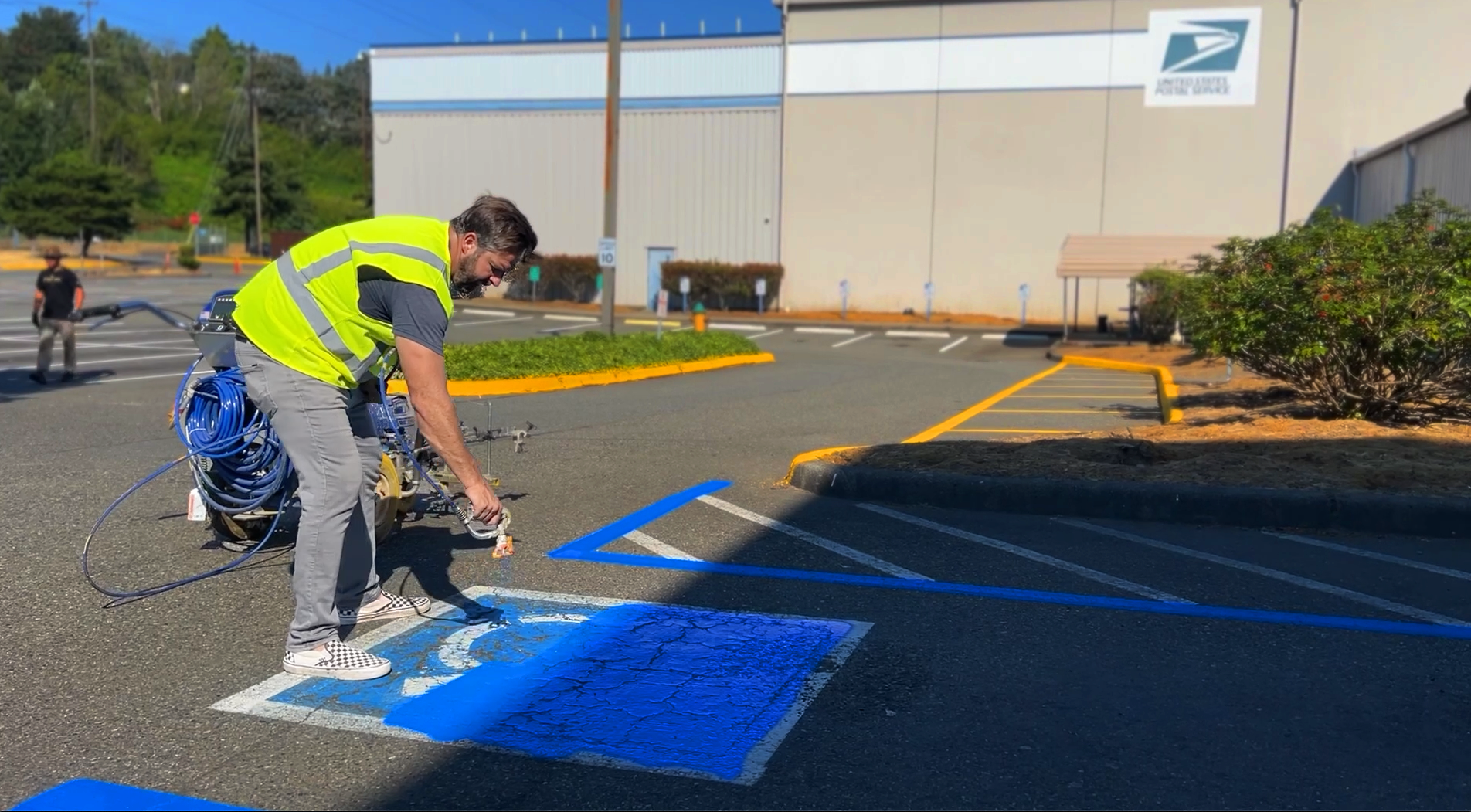
- Ongoing asphalt repairs instead of resurfacing
- Continuous plumbing repairs on aging infrastructure
These recurring expenses can quickly exceed the cost of the original capital project while still failing to resolve the underlying issue.
A comprehensive capital strategy helps organizations avoid becoming trapped in a cycle of reactive spending.
3. Operational Disruptions Become More Likely
Deferred capital projects can have a direct impact on daily operations. Equipment failures, utility interruptions, and facility closures often occur when aging systems finally reach the point of failure.
Unexpected disruptions may lead to:
- Lost productivity
- Reduced customer satisfaction
- Emergency repair costs
- Scheduling challenges
- Increased liability exposure
Unlike planned projects, emergency repairs often require immediate action and limited contractor availability, which can increase costs and extend downtime.
At National Facility Contractors, we work with organizations to identify infrastructure concerns before they become operational emergencies.
4. Asset Lifecycles Become Shorter
Commercial facilities contain assets that are designed to operate for a specific lifespan. Regular maintenance helps maximize that lifespan, but eventually major upgrades or replacements become necessary.
When capital projects are delayed beyond recommended replacement timelines, systems often deteriorate more rapidly.
Examples include:
- HVAC equipment operating inefficiently
- Roofing systems losing weather protection
- Parking lots experiencing structural failure
- Lighting systems becoming unreliable
The International Facility Management Association (IFMA) notes that lifecycle planning is critical to maximizing asset value and reducing total ownership costs.
5. Safety and Liability Risks Continue to Grow
Deferred capital projects can create risks that extend beyond maintenance costs.
Damaged sidewalks, failing lighting systems, deteriorating parking lots, and aging building components may increase the likelihood of accidents or injuries.
As conditions worsen, organizations may face:
- Higher liability exposure
- Compliance concerns
- Increased insurance claims
- Greater safety risks for occupants and visitors
Addressing these issues proactively helps protect both facility users and organizational resources.
6. Budgeting Becomes More Difficult
One of the most overlooked consequences of deferred capital projects is budget uncertainty.
Planned capital improvements allow organizations to forecast expenses and allocate resources strategically. Emergency replacements, on the other hand, often require immediate funding that was not included in annual budgets.
A structured capital planning process creates greater financial predictability and helps organizations avoid large, unexpected expenditures.
The U.S. Department of Energy also notes that modernizing aging systems often creates opportunities for energy savings that further improve long-term financial performance.
Proactive Investment Reduces Long-Term Costs
Delaying capital projects may appear to save money in the short term, but the long-term consequences are often far more expensive. Aging infrastructure, rising repair costs, operational disruptions, and safety concerns all contribute to a growing financial burden.
Organizations that invest proactively are better positioned to protect assets, maintain operational continuity, and control facility costs over time.
If your organization is evaluating aging infrastructure or developing a long-term facility strategy, consider scheduling a capital planning assessment with National Facility Contractors. Early planning helps reduce risk and support smarter investment decisions across your portfolio.