By the Time the Forecast Changes, Your Window to Prepare Has Already Started Closing
It happens every year.
The weather is still warm, landscaping crews are wrapping up seasonal projects, and winter feels comfortably far away. Snow removal sits on the list of upcoming priorities, but there always seems to be another project that deserves attention first. Then, almost overnight, the forecast changes. Temperatures drop, the first winter storm appears on the horizon, and facility managers everywhere begin making the same phone calls.
Planning a commercial snow removal program rarely tops the priority list during the middle of summer. Facility managers are focused on landscaping, capital improvements, preventive maintenance, and countless other responsibilities. Yet by the time winter appears in the forecast, the organizations with the smoothest operations have already completed one of the season’s most important tasks: developing a commercial snow removal program that fits their properties, operations, and long-term goals.
The challenge is that many snow management providers are already well into their pre-season planning by that point. Site visits have been completed, routes have been developed, crews have been assigned, and equipment has been scheduled. While reputable contractors will always do their best to accommodate new clients, organizations that begin planning earlier often have more time to develop customized service plans, evaluate their properties, and establish clear communication before winter arrives.
Waiting until fall doesn’t automatically mean a property will have a difficult winter. It simply means there is less time to prepare, fewer opportunities to make strategic improvements, and more pressure to make important decisions quickly.
That is why July remains one of the most valuable months on the facility management calendar.
Table of Contents
- Why Winter Planning Gets Delayed
- The Five Hidden Costs of Waiting
- Why Multi-Site Properties Feel the Pressure First
- Planning Creates Better Partnerships
- Key Takeaways
- Frequently Asked Questions
Why Winter Planning Gets Delayed
Very few facility managers intentionally postpone winter preparation. More often, it happens because summer and early fall are filled with competing priorities. Parking lot repairs, capital projects, HVAC maintenance, landscaping improvements, tenant requests, budget planning, and day-to-day operational responsibilities all demand attention.
Snow removal becomes one more item on an already crowded schedule.
There’s also a psychological factor at work. It’s difficult to think about freezing temperatures when the afternoon forecast calls for 90 degrees. Human nature encourages us to focus on what’s directly in front of us, which makes winter planning easy to postpone.
Unfortunately, winter doesn’t wait for our calendars to clear.
The organizations that experience the smoothest snow seasons aren’t necessarily those with the largest budgets or the biggest maintenance teams. They’re the ones that create time to plan before urgency takes over.
NFC Pro Tip
Schedule your annual snow planning meeting before Labor Day. Treat it like any other recurring operational review. By putting it on the calendar months in advance, winter preparation becomes part of your annual planning process instead of another task competing for attention in October.

The Five Hidden Costs of Waiting
Waiting to plan doesn’t always create obvious problems, but it often introduces challenges that ripple throughout the winter season. Here are five of the most common.
1. Less Time to Evaluate Your Property
Every commercial property develops changes throughout the year. Pavement settles, drainage patterns shift, landscaping matures, and traffic flow evolves. A thorough site walkthrough allows facility managers and snow management partners to identify these changes before they become winter hazards.
Planning early creates time for thoughtful evaluations. Waiting until the season is approaching often compresses that process into a much shorter window.
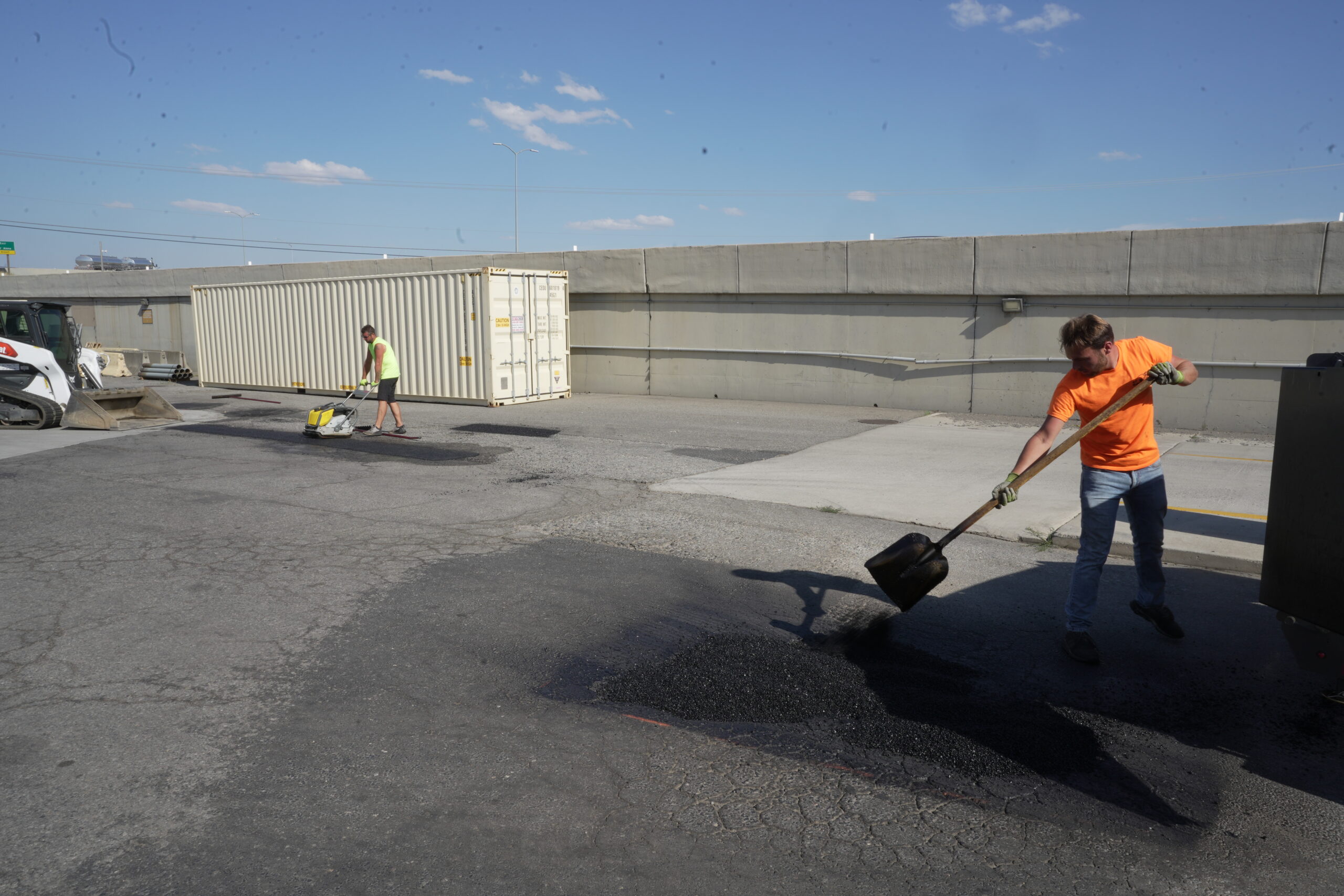
If your walkthrough uncovers damaged pavement or deteriorating sidewalks, summer and early fall are ideal times to address those issues through commercial asphalt maintenance and commercial concrete repair, helping reduce potential winter hazards before freezing temperatures arrive.
2. Reactive Planning Instead of Strategic Planning
There’s a significant difference between preparing for winter and reacting to it.
Strategic planning allows organizations to establish priorities, define service expectations, document property layouts, and coordinate communication before weather becomes a factor.
Reactive planning often focuses on solving immediate problems instead of building long-term solutions.
That difference may seem subtle in July. It becomes much more noticeable during the season’s first major storm.
3. More Operational Uncertainty
Every winter event introduces enough uncertainty on its own. Communication should not be one of them.
When expectations have been discussed well before the season begins, facility managers know who to contact, service providers understand property priorities, and everyone operates from the same playbook.
Clear communication becomes one of the biggest advantages of early planning.
4. Missed Opportunities to Improve the Property
Summer is one of the busiest seasons for property improvements, making it the perfect time to identify projects that can improve winter performance.
These may include:
- Repairing asphalt before cracks become freeze-thaw damage.
- Correcting drainage issues that contribute to recurring ice.
- Replacing damaged sidewalks.
- Improving exterior lighting around pedestrian routes.
- Trimming tree limbs that could become hazardous under heavy snow.
- Updating pavement striping before winter weather reduces visibility.
Many of these improvements benefit the property year-round while also supporting safer winter operations.
5. Increased Administrative Pressure
Facility managers already balance dozens of responsibilities every week.
Adding snow planning to an already compressed fall schedule often means coordinating site visits, reviewing contracts, updating emergency contacts, documenting service areas, and preparing internal communication all within a relatively short period.
Starting in July spreads those responsibilities across several months, making the process more manageable and allowing time for better decision-making.
Multi-Site Properties Benefit the Most from Early Planning
The complexity of snow management increases dramatically as the number of properties grows.
A single office building may require one site visit and one response plan.
A portfolio of retail centers, distribution facilities, restaurants, or municipal properties may require dozens.
Each location has unique operating hours, traffic patterns, pedestrian access points, loading areas, and service priorities. Reviewing those variables takes time, particularly when properties are located across multiple states with different weather patterns and operational requirements.
Beginning that process during the summer allows facility managers to standardize expectations while still accommodating each property’s individual needs.
This is one reason integrated facility partners are often valuable for multi-site organizations. Centralized communication, consistent reporting, and coordinated service standards can simplify winter planning across an entire portfolio rather than treating each location as an independent project.
Learn more about National Facility Contractors’ Integrated Facility Services and how a coordinated approach can streamline maintenance across commercial properties nationwide.
Planning Creates Better Partnerships
The strongest vendor relationships begin long before the first service call.
Early planning creates opportunities to walk properties together, discuss expectations, review previous winters, identify operational priorities, and establish communication procedures before weather becomes a factor.
Instead of viewing snow management as a seasonal transaction, successful organizations treat it as an ongoing partnership focused on protecting people, supporting operations, and maintaining property accessibility throughout the winter.
That collaborative approach benefits everyone involved.
Key Takeaways
- Waiting until fall reduces the time available for planning and property evaluations.
- Summer provides opportunities to complete repairs that improve winter performance.
- Multi-site portfolios benefit significantly from earlier coordination.
- Strong communication begins before the first storm, not during it.
- Proactive planning creates better long-term partnerships and more consistent winter operations.
Frequently Asked Questions
Why is July a good time to plan commercial snow removal?
July allows facility managers to evaluate their properties, review the previous winter, identify potential hazards, and coordinate with service providers before the demands of fall and winter begin. Early planning creates more time for thoughtful decision-making and allows organizations to address maintenance issues before freezing temperatures arrive.
What happens if I wait until fall to arrange snow removal services?
Waiting until fall doesn’t necessarily mean you’ll be unable to secure a snow removal provider, but it can reduce the amount of time available for site evaluations, property walkthroughs, communication planning, and operational preparation. Early planning provides greater flexibility and helps reduce last-minute decision-making.
How early should commercial properties begin preparing for winter?
Many organizations begin reviewing winter operations during the summer months. This allows facility managers to evaluate pavement conditions, inspect drainage, review vendor performance, establish response priorities, and coordinate snow management plans well before the first storm is forecast.
Why is a site walkthrough important before winter?
A summer walkthrough helps identify conditions that may create winter challenges, including poor drainage, damaged pavement, uneven sidewalks, low-hanging tree branches, and areas where snow storage may become an issue. Addressing these concerns before winter often improves both safety and operational efficiency.
Why do multi-site commercial properties benefit from early planning?
Organizations managing multiple facilities often require additional time to evaluate each property, establish consistent service expectations, coordinate communication, and account for regional weather differences. Beginning the planning process during the summer helps simplify these responsibilities before winter operations begin.
What’s Next?
Read Chapter 3: Building a Commercial Snow Response Plan Before the First Storm to learn how facility managers develop site-specific response plans that prioritize safety, communication, and operational continuity throughout the winter season.