Maintaining a clean, safe, and efficient facility is not optional for modern businesses. Whether it’s a corporate office, medical clinic, warehouse, or retail space, professional cleaning goes beyond aesthetics. Hiring a commercial cleaner delivers measurable operational advantages that support health, safety, productivity, and long‑term cost control. This guide explains why investing in commercial cleaning services delivers value that internal staff or ad‑hoc approaches simply cannot match.
What Commercial Cleaners Do: Scope of Professional Services
A commercial cleaner provides dedicated cleaning and maintenance services tailored to the needs of business environments. This includes routine janitorial work, scheduled deep cleaning, floor care, restroom sanitation, window washing, high‑touch surface disinfection, and specialty services such as carpet cleaning or hard surface restoration. Unlike residential cleaning, commercial cleaning addresses higher occupancy levels, heavier soil loads, and safety‑critical standards required by customers, tenants, and regulators.
Commercial cleaners bring established cleaning processes designed around frequency, traffic patterns, and surface types. They use professional‑grade equipment and standardized methods so each facility receives consistent results. For facility managers, this ensures cleaner spaces with predictable performance.
Boosting Health and Safety with Professional Cleaning
One primary reason businesses hire commercial cleaners is to protect the health and safety of occupants. High‑traffic buildings and shared workplaces serve many people daily, which increases the spread of germs and contaminants.
Commercial cleaners enforce sanitation protocols that reduce microbial load on high‑touch surfaces such as door handles, elevator buttons, reception desks, and restrooms. By applying appropriate disinfectants and following public health guidance, these services lower the risk of illness transmission. This is especially important in environments like medical offices or nursing facilities where vulnerable populations may be present.
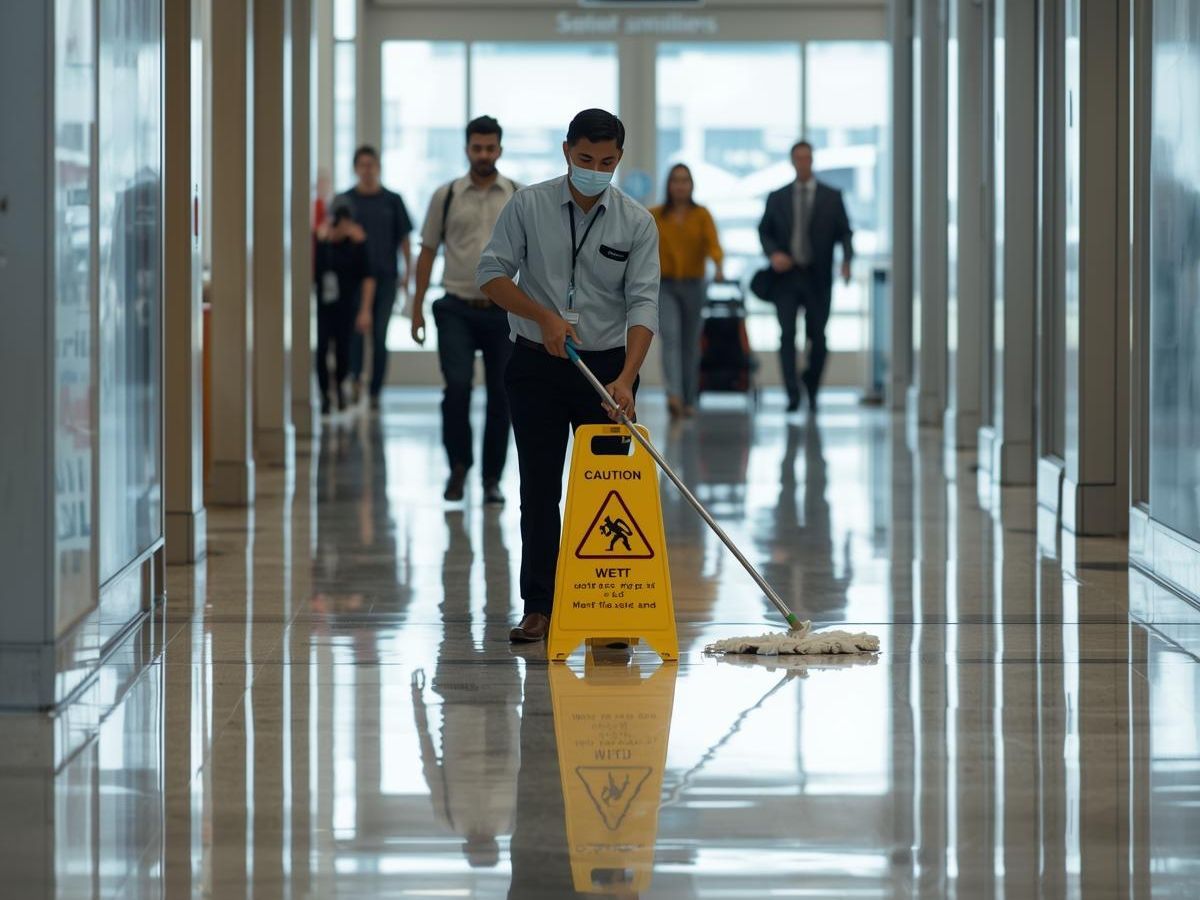
In addition to microbiological concerns, commercial cleaners address slip hazards, dust buildup, and debris that can contribute to workplace accidents. A professional approach to cleaning makes facilities safer for employees, visitors, and tenants.
Protecting Facility Assets and Extending Lifespan
Regular cleaning protects physical assets by removing soil and residues that deteriorate materials over time. Carpets, flooring, upholstery, and hard surfaces experience wear from dirt, oils, and environmental contaminants. Routine cleaning performed by professionals slows this degradation.
For example, hard surface flooring such as tile or polished concrete benefits from scheduled stripping, polishing, and sealing. Carpets that receive routine vacuuming and periodic deep extraction maintain appearance longer and avoid premature replacement. Without this preventive care, facilities face accelerated maintenance costs and shorter asset lifecycles.
Commercial cleaners understand surface care chemistry and can recommend schedules based on traffic patterns and wear rates. This proactive maintenance approach reduces reactive repairs, lowering long‑term facility budgets.
Enhancing Workplace Productivity and Employee Experience
Clean environments have a direct impact on occupant morale and productivity. Research in facilities management highlights the correlation between environmental quality and employee well‑being. Offices and commercial spaces that are clean, organized, and free of odors or visible dirt support focus, comfort, and professionalism.
When businesses hire commercial cleaners, employees are freed from janitorial responsibilities that could otherwise interrupt work tasks. This allows staff to concentrate on core job functions, boosting productivity. Clean restrooms, break rooms, and common areas also contribute to employee satisfaction, which in turn affects retention and workplace culture.
Clients, partners, and visitors form first impressions based on the condition of a facility. Well‑maintained spaces signal professionalism and operational competence. Hiring a commercial cleaner helps create the kind of environment that reflects positively on a business brand.
Compliance with Regulatory and Industry Standards
Many industries are governed by cleanliness and sanitation standards. Healthcare facilities must meet infection control requirements. Foodservice and food processing plants comply with health department codes. Educational institutions and childcare centers have hygiene guidelines from both public health authorities and accreditation bodies.
Commercial cleaners bring an understanding of compliance expectations across these environments. They deliver documentation of services performed and can tailor cleaning plans to meet audit criteria. For regulated industries, this expertise helps avoid fines, closures, or corrective actions triggered by inspections.
Even outside highly regulated sectors, general building codes and insurance requirements may specify cleaning intervals for elements such as ventilation systems, grease traps, and waste handling. Professional cleaners help facilities stay aligned with these obligations.
Cost Efficiency Through Outsourced Expertise
Hiring a commercial cleaner might appear to be an added cost, but it often results in net savings when viewed through a total cost of ownership lens. Facility teams burdened with internal cleaning tasks require recruitment, training, supervision, and equipment investment. They may also incur overtime costs or inconsistent results due to competing priorities.
Outsourcing to a commercial cleaning provider eliminates these internal overheads. Businesses gain access to trained staff, specialized tools, and established workflows without the administrative burden of managing cleaning personnel directly. Predictable service contracts help organizations budget for cleaning as a fixed operational expense.
Professional cleaning providers also help reduce unexpected capital expenditures. Routine care prevents costly premature replacement of flooring, fixtures, and finishes. In this way, outsourcing becomes a strategic investment rather than a recurring chore.
Specialized Cleaning for Unique Facility Needs
Some facilities have unique cleaning requirements that exceed what internal teams can handle effectively. Retail showrooms, event venues, laboratories, fitness facilities, and hospitality spaces often host large numbers of visitors or specialized equipment. Commercial cleaners are equipped to meet these challenges with solutions designed for specific environments.
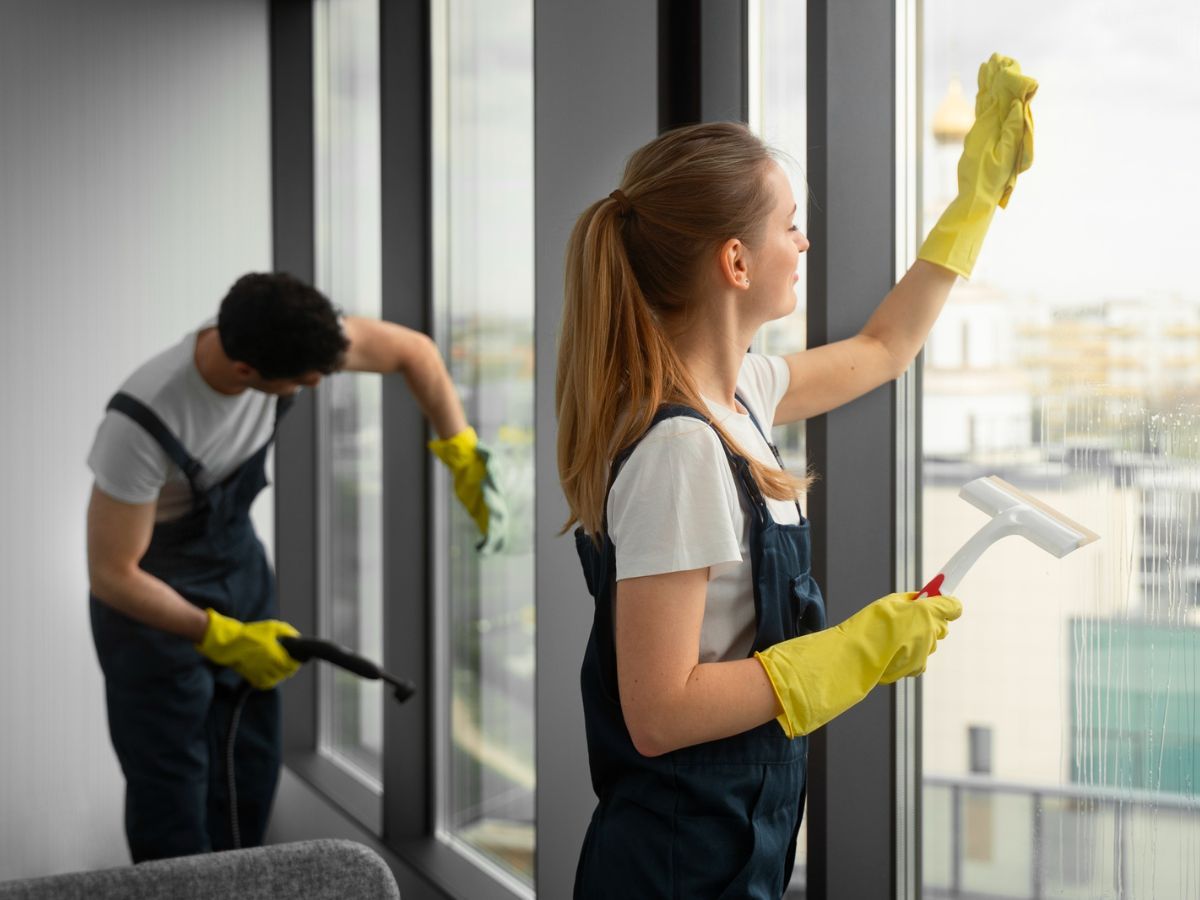
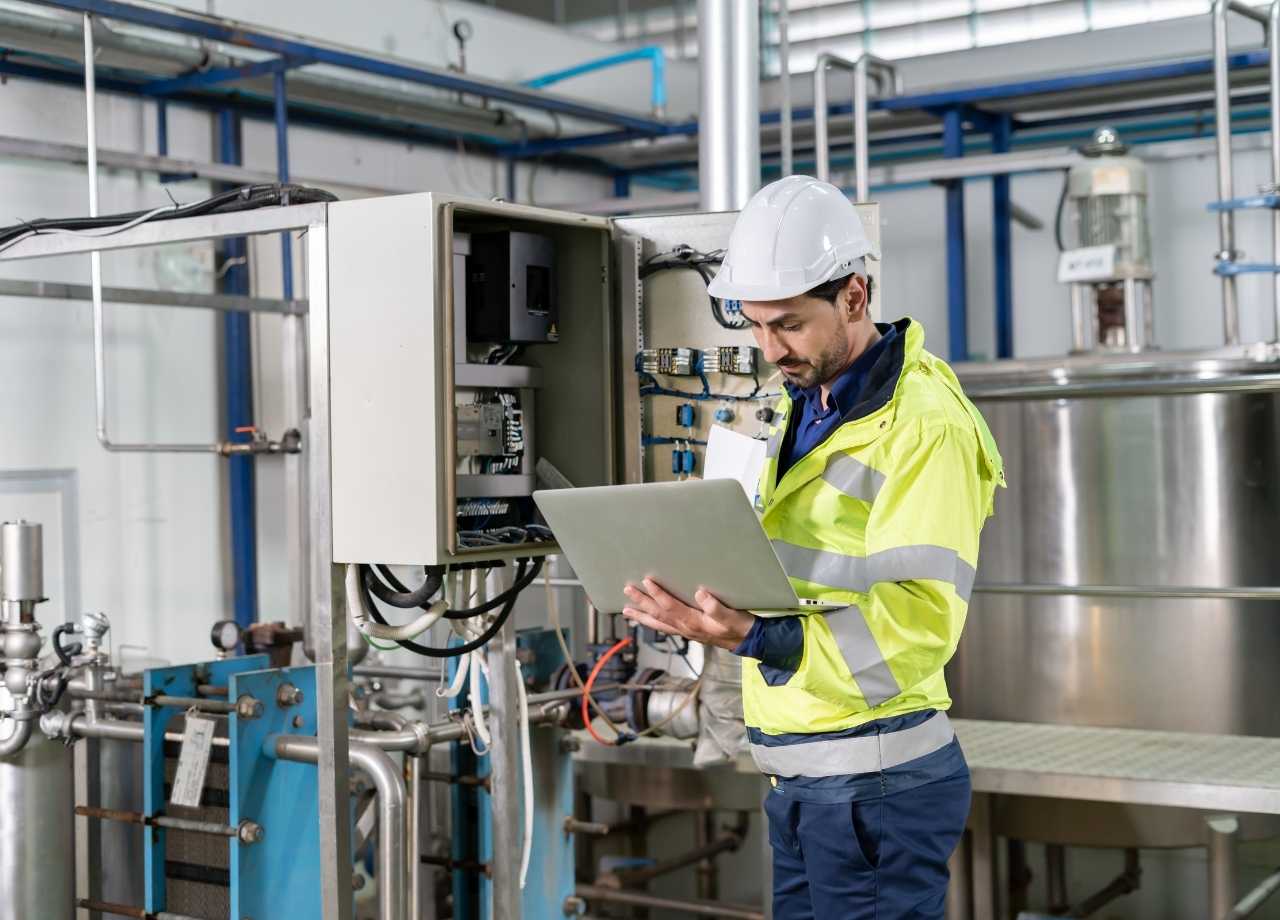
For instance, high‑tech manufacturing spaces may demand stringent dust control and electrostatic cleaning methods. Fitness centers require frequent disinfection of equipment and locker rooms. Retail environments benefit from polished floors and clean glass to enhance product display and customer experience. A commercial cleaner evaluates these needs and deploys service plans accordingly.
This level of specialization improves operational resilience and reduces the likelihood of service disruptions related to cleanliness concerns.
Managing High‑Traffic and Seasonal Facility Demands
Facilities with fluctuating usage patterns, such as event venues or shopping centers, face recurrent spikes in cleaning demand. Seasonal events, promotions, and occupancy surges increase the burden on maintenance teams.
Commercial cleaning providers offer scalable services that adjust to these demand fluctuations. They can increase frequency during peak periods and scale back during slower months. This flexibility ensures that spaces remain presentable and compliant without overstaffing or under‑serving.
Rather than react to problems after they occur, facilities that hire commercial cleaners implement forward‑looking service plans. This minimizes the risk of service backlogs, emergency cleanups, or guest dissatisfaction.
Supporting Sustainability and Indoor Air Quality
Modern commercial cleaners use strategies that align with sustainability goals. Many providers use eco‑certified cleaning products, low‑impact equipment, and waste reduction practices. These methods improve indoor air quality and reduce chemical exposure for occupants.
Indoor air quality is heavily influenced by particulate matter from dust, volatile organic compounds from cleaning chemicals, and HVAC system hygiene. Commercial cleaners manage these elements through filtration maintenance, periodic deep cleaning, and product selection that minimizes indoor pollutants.
For businesses with green building certifications or sustainability commitments, partnering with a commercial cleaner reinforces those initiatives and contributes to healthier, more environmentally responsible operations.
Choosing the Right Commercial Cleaning Partner
Not all commercial cleaners are equal. Facilities should evaluate providers based on service experience, references, training programs, equipment quality, and communication practices. A well‑aligned provider works collaboratively with facility stakeholders to establish service levels, performance measures, and ongoing evaluation.
Service agreements should clearly define cleaning tasks, frequencies, response protocols, and quality assurance processes. Performance checks, site walkthroughs, and documented feedback loops ensure accountability and service continuity.
A strategic commercial cleaning partner becomes an extension of facility operations and helps businesses maintain professional environments day after day.
Hiring a commercial cleaner delivers measurable benefits across health, safety, productivity, compliance, and cost control. From high‑traffic offices to specialized facilities, professional cleaning services manage environments in ways that internal teams often cannot. Businesses that invest in qualified commercial cleaners support operational performance and create spaces that protect occupants, enhance experience, and preserve asset value. Focusing on these outcomes, organizations can optimize facility maintenance and position themselves for long‑term success.