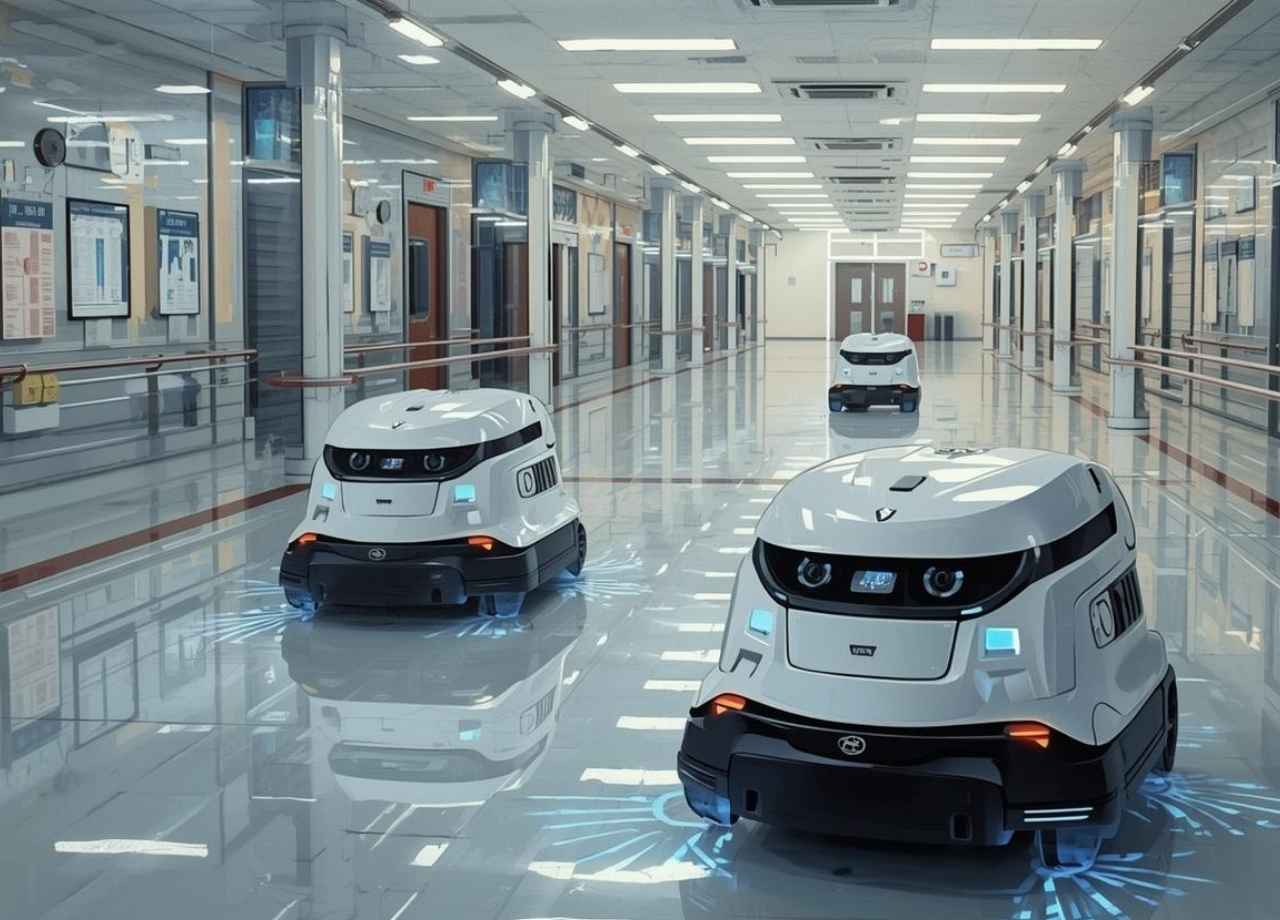
Facility operations are entering a new phase where automation, artificial intelligence, and real-time analytics converge to create buildings that operate with far less manual oversight. Traditional facility management relied on periodic inspections, manual reporting, and reactive maintenance. Modern automated facility management systems shift the entire operating model toward continuous monitoring, predictive insight, and coordinated digital control.
Advanced automation platforms now connect mechanical infrastructure, operational workflows, energy management, and asset intelligence into one unified environment. Buildings equipped with these systems operate more efficiently, respond faster to emerging issues, and provide facility teams with unprecedented visibility into performance.
Automation in facility management is no longer limited to scheduling maintenance tasks. Intelligent systems are now capable of interpreting operational patterns, predicting equipment failure, and recommending corrective action before disruptions occur.
What Defines an Automated Facility Management System
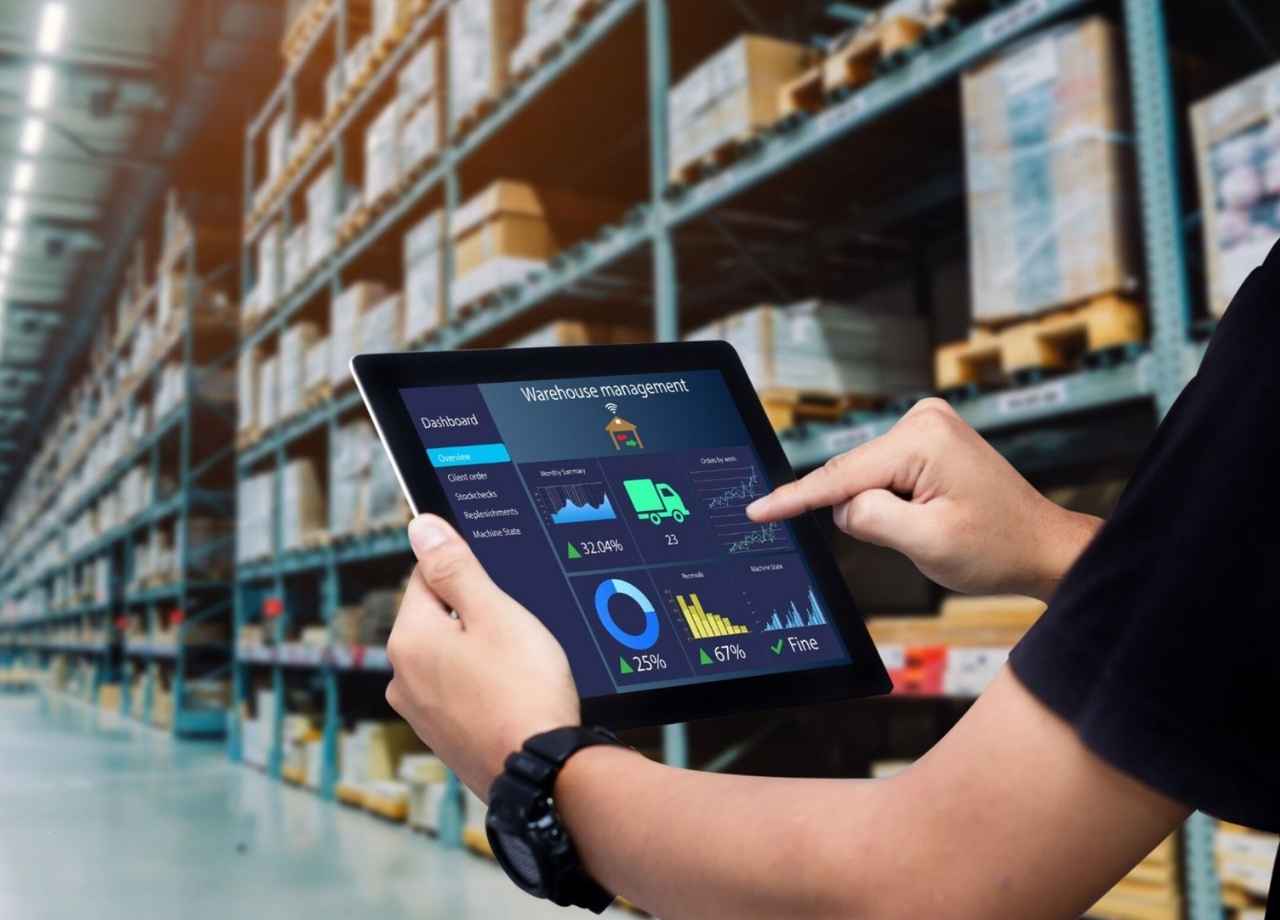
An automated facility management system integrates multiple layers of building technology into a centralized digital environment. Core facility functions such as maintenance management, energy monitoring, environmental controls, and compliance tracking become interconnected through a unified platform.
Modern systems typically connect to building automation systems, IoT sensors, energy meters, asset management platforms, and cloud-based CMMS software. Data flows continuously from these systems into analytics engines that evaluate building performance in real time.
Automation allows certain actions to occur without human intervention. Temperature adjustments can be triggered by occupancy sensors. Maintenance tickets can be generated automatically when equipment performance deviates from expected parameters. Energy optimization routines can run continuously based on weather forecasts and building usage patterns.
Facility teams still remain central to decision-making, yet automation reduces the manual coordination traditionally required to maintain operational stability.
Artificial Intelligence as the Operational Brain
Artificial intelligence has become the most transformative component of automated facility management platforms. Machine learning models analyze large volumes of operational data to identify patterns that human operators would struggle to detect.
Predictive maintenance is one of the clearest applications. Algorithms analyze vibration levels, temperature fluctuations, motor current signatures, and historical service records to estimate the remaining useful life of equipment components. Maintenance teams receive alerts long before mechanical failure occurs.
Machine learning models also evaluate energy consumption patterns across the building. When HVAC units begin operating outside their efficiency range, the system flags anomalies and recommends adjustments. Continuous learning improves the accuracy of these predictions as more data becomes available.
AI-driven automation moves facility operations away from fixed maintenance schedules toward condition-based decision making.
Integration With IoT and Sensor Networks
Sensor networks form the foundation of automated facility environments. Modern IoT devices measure variables such as temperature, humidity, vibration, air quality, occupancy levels, water flow, and electrical load.
Continuous streams of sensor data allow automation systems to observe building behavior in real time. Environmental sensors in conference rooms can detect occupancy and adjust ventilation accordingly. Water sensors placed near plumbing infrastructure can detect leaks early and trigger alerts before damage spreads.
Advanced deployments use edge computing to process sensor data locally before transmitting summarized insights to central analytics platforms. This architecture reduces latency and allows faster response to critical conditions.
Data density across the building increases dramatically when IoT infrastructure is implemented thoughtfully.
Digital Twins and Operational Simulation
Digital twin technology represents one of the most sophisticated developments in automated facility management. A digital twin is a dynamic virtual model of a physical building that updates continuously using live operational data.
Facility teams can use digital twins to simulate how systems respond to operational changes. HVAC performance can be modeled under different occupancy scenarios. Energy consumption can be forecast under varying weather conditions. Maintenance strategies can be tested without affecting real-world operations.
Machine learning enhances digital twin models by refining simulation accuracy over time. Predictive scenarios become more reliable as historical data accumulates.
Strategic planning improves significantly when facility leaders can evaluate operational scenarios before implementing changes.
Autonomous Workflow Automation
Workflow automation represents another critical component of modern facility platforms. Maintenance workflows that previously required manual coordination can now operate autonomously.
When sensors detect abnormal vibration in a mechanical unit, the automated system generates a work order within the CMMS platform. Maintenance supervisors receive notifications, and technicians are assigned based on availability and expertise. Spare parts availability can be verified automatically through inventory systems.
Automated escalation protocols ensure that unresolved issues receive attention. Critical equipment alerts can be routed directly to facility leadership if predefined response windows are exceeded.
Automation eliminates delays that occur when operational issues depend entirely on manual reporting.
AI-Driven Energy Optimization
Energy management has become one of the strongest use cases for automated facility management systems. Buildings consume enormous amounts of energy, and small inefficiencies accumulate quickly.
AI-based optimization engines evaluate external weather forecasts, building occupancy patterns, equipment performance data, and historical energy usage. Control algorithms continuously adjust HVAC output, lighting intensity, and ventilation rates to maintain comfort while minimizing energy consumption.
Reinforcement learning techniques allow these systems to experiment within safe operational boundaries. The system evaluates which control strategies produce the best outcomes and gradually refines its approach.
Energy savings achieved through automation can be substantial, particularly in large commercial or institutional facilities.
Predictive Risk Management
Automated facility management systems also enhance risk monitoring. Continuous analytics allow systems to identify early warning indicators across multiple infrastructure components.

Structural monitoring sensors can detect subtle shifts or stress patterns in building elements. Water pressure irregularities can signal potential pipe failures. Electrical load anomalies may indicate overheating components.
Machine learning models analyze these indicators and estimate failure probability. Facilities teams receive prioritized alerts based on severity and potential operational impact.
Predictive risk management enables proactive intervention before incidents disrupt operations.
Natural Language Interfaces and AI Assistants
User interaction with facility management systems is also evolving. Natural language interfaces allow facility leaders to query operational data conversationally.
A facilities director could ask the system to identify assets with the highest failure probability in the next ninety days. The platform can generate a prioritized list supported by predictive analytics.
AI assistants can also summarize maintenance performance trends, generate compliance reports, and recommend operational adjustments. Decision-making becomes faster because critical insights are presented without requiring extensive manual analysis.
These interfaces reduce the technical barrier to accessing complex operational data.
Cybersecurity and System Architecture
Increased connectivity introduces new cybersecurity considerations. Automated facility management systems connect building infrastructure with cloud platforms, IoT devices, and enterprise networks.
Secure architecture requires encrypted communication protocols, segmented network design, strict access controls, and continuous monitoring for unusual activity. Collaboration between facility teams and information technology departments becomes essential.
Security planning must occur during system design rather than as an afterthought.
Operational resilience depends on protecting the digital infrastructure that supports automated building systems.
Human Expertise in an Automated Environment
Automation does not replace facility professionals. Instead, it elevates their role.
Technicians still perform repairs, evaluate mechanical conditions, and implement upgrades. Engineers still design system improvements. Leadership still defines operational priorities.
Automated systems handle data collection, pattern recognition, and routine coordination. Human teams interpret insights, validate recommendations, and make strategic decisions.
Facility professionals who understand both infrastructure and data analytics will play increasingly important roles as automation expands.
The Future of Automated Facilities
Continuous innovation in AI, machine learning, and sensor technology will further transform automated facility management systems. Autonomous control algorithms may eventually adjust building operations in real time without waiting for human approval within defined safety parameters.
Integration with smart grid infrastructure will allow buildings to respond dynamically to electricity pricing signals. Predictive maintenance models will become more accurate as industry-wide datasets expand.
Buildings will evolve into adaptive environments capable of optimizing performance continuously.
Organizations that adopt automated facility management systems early gain measurable advantages in operational efficiency, risk mitigation, and sustainability performance.
Automated facility management systems represent a fundamental shift in how buildings are operated. Continuous data collection, AI-driven analytics, and integrated control platforms allow facilities to function with greater precision and fewer surprises.
Automation transforms buildings from passive structures into responsive operational environments. Facility teams gain deeper visibility, stronger predictive capability, and improved coordination across complex infrastructure systems.