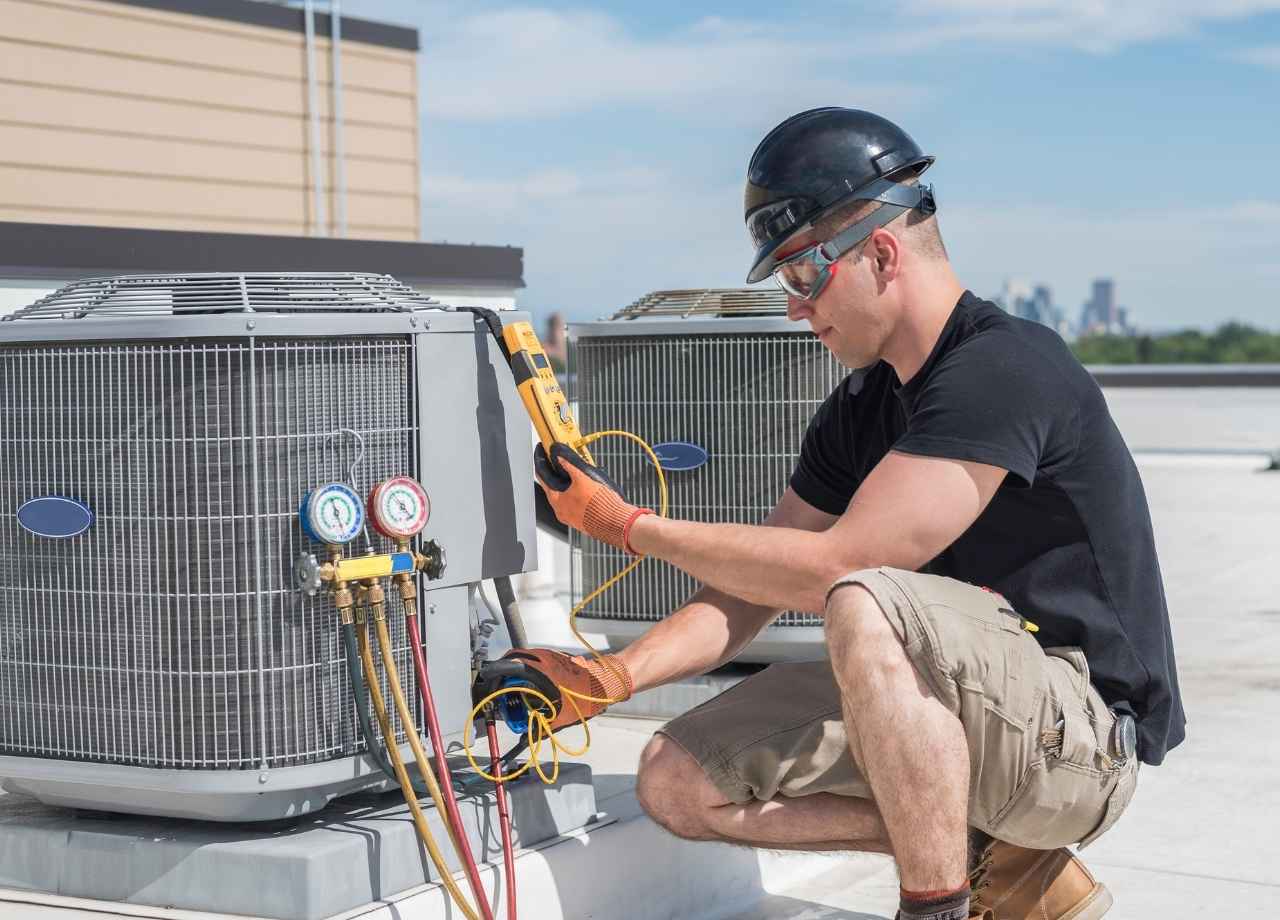
HVAC system is the single largest mechanical investment in most commercial buildings. It’s also the system people notice first when something goes wrong. Temperature complaints travel fast. Air quality concerns escalate even faster.
And once tenants or employees lose confidence in climate control, it becomes a daily disruption.
Commercial HVAC maintenance is not about checking a box once a year. It’s about protecting equipment life, managing energy costs, preventing downtime, and maintaining a healthy indoor environment. Facilities that treat HVAC as a reactive repair issue usually pay for it in emergency calls, shortened equipment lifespan, and higher utility bills.
The difference between a building that runs smoothly and one that constantly struggles often comes down to how seriously HVAC maintenance is handled.
Why Commercial HVAC Systems Fail Prematurely
Most HVAC failures are not sudden. They build up over time. Filters clog. Coils get dirty. Belts loosen. Electrical connections degrade. Drain lines clog. Refrigerant levels drift out of spec. None of these issues start as major problems. They become major problems when ignored.
In commercial environments, systems operate longer hours and handle larger loads than residential units. Rooftop units, chillers, cooling towers, air handling units, and VAV boxes all work together to maintain comfort across thousands or hundreds of thousands of square feet. When one component falls behind on maintenance, it affects the entire system.
Deferred maintenance often leads to:
- Compressor failure
- Frozen coils
- Excessive energy consumption
- Poor air balance
- Premature motor burnout
- Water damage from clogged condensate lines
Emergency repairs always cost more than scheduled maintenance. They also create operational disruption that tenants remember.
The Financial Impact of Preventive HVAC Maintenance
Energy is one of the largest operating expenses in commercial properties, and HVAC accounts for a significant portion of that cost. Dirty coils and restricted airflow force systems to work harder to reach setpoints. That extra strain shows up in utility bills every month.
Routine maintenance improves system efficiency. Clean filters, properly calibrated thermostats, balanced airflow, and inspected electrical components reduce unnecessary load. Over the course of a year, the savings often outweigh the maintenance contract cost.
There’s also the capital planning factor. A well-maintained commercial HVAC system can last several years longer than a neglected one. Stretching the lifecycle of a rooftop unit or chiller by even three to five years has a measurable financial impact.
Facilities that operate with a long-term view understand this. Maintenance is not an expense. It’s asset protection.
Seasonal Maintenance Is Not Enough
Many buildings schedule HVAC service twice a year, typically before summer and winter. While seasonal checks are important, they’re not always sufficient for high-occupancy or high-demand environments.
Commercial HVAC systems should be inspected based on runtime hours and load, not just the calendar. Retail centers, office buildings, healthcare facilities, and industrial spaces all have different demands.
A comprehensive maintenance program includes:
- Filter replacements based on usage, not assumption
- Coil cleaning to prevent airflow restriction
- Inspection of belts, pulleys, and bearings
- Refrigerant level checks
- Electrical component testing
- Thermostat calibration
- Drain line clearing
- Damper inspection and lubrication
Ignoring smaller components like economizers or control dampers can quietly increase energy costs without anyone realizing it.
Indoor Air Quality Is Part of the Equation
Commercial HVAC maintenance also plays a direct role in indoor air quality. Poor filtration, unbalanced ventilation, and dirty ductwork contribute to occupant complaints and, in some cases, health concerns.
In environments like healthcare, education, and corporate offices, air quality is closely tied to productivity and satisfaction. Regular inspection of filters, monitoring outside air intake, and maintaining proper humidity levels are critical.
Facilities should also ensure that air handling units maintain proper pressure relationships, especially in buildings with sensitive areas. Improper airflow balance can cause odors, moisture issues, and inconsistent temperatures throughout the building.
The Risk of Deferred Maintenance
It’s easy to postpone HVAC service when everything appears to be working. The building is cool. Tenants are not complaining. Budgets are tight.
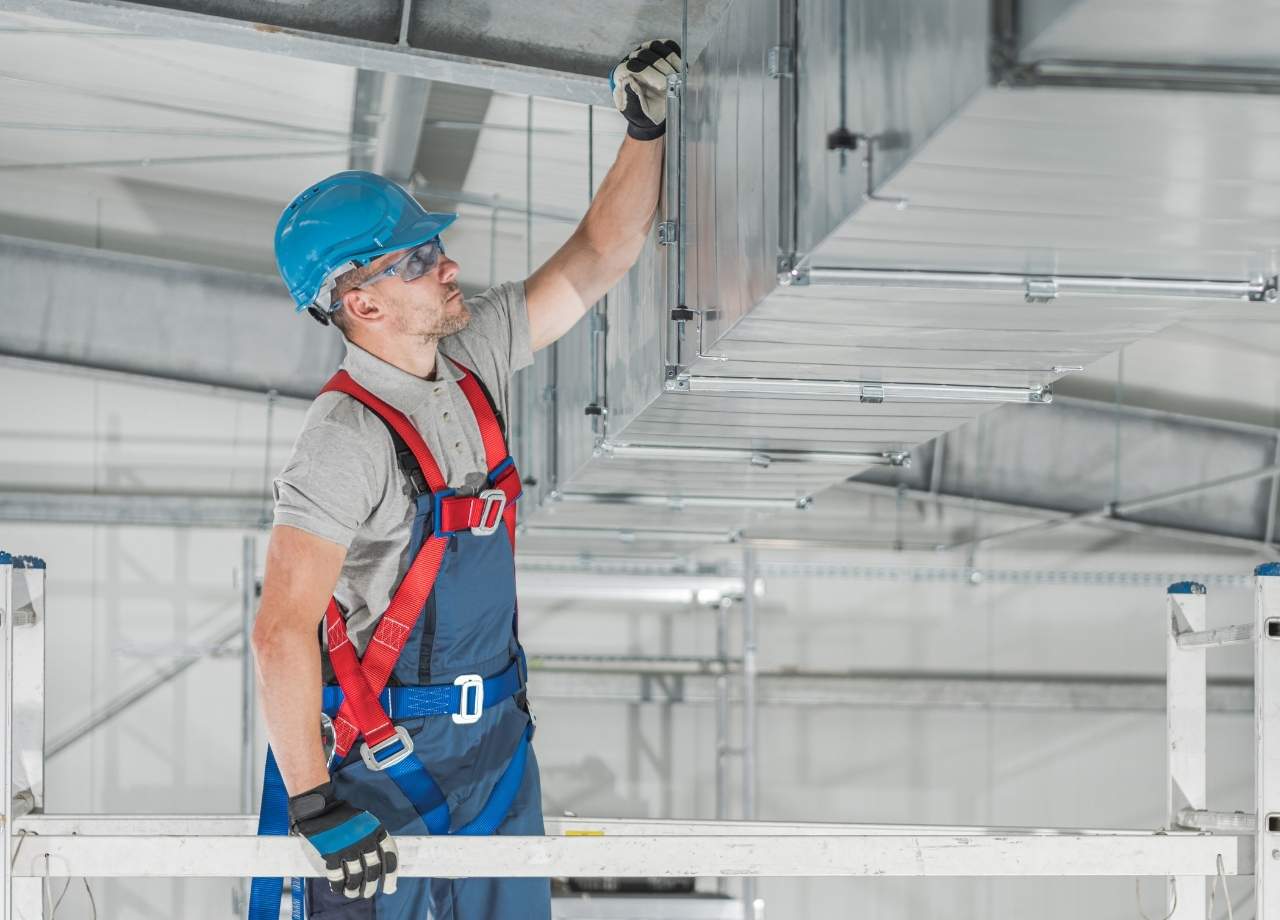
But HVAC systems rarely give dramatic warnings before failure. A compressor doesn’t gradually announce it’s about to fail. A fan motor doesn’t schedule its breakdown around your convenience.
Deferred maintenance often shows up at the worst possible time. Peak summer heat. A major tenant event. A holiday weekend when service rates are higher and parts availability is limited.
Reactive maintenance also creates scheduling challenges. When a unit fails unexpectedly, you’re forced into emergency service windows. That increases labor costs and reduces your ability to negotiate pricing.
Building Automation and HVAC Maintenance
Modern commercial facilities often rely on building automation systems to monitor HVAC performance. These systems provide valuable data, but they do not replace hands-on maintenance.
A building automation system can alert you to temperature drift or equipment alarms. It cannot clean coils, tighten electrical connections, or replace worn belts. Data must be paired with physical inspection.
Facilities that combine automation monitoring with scheduled preventive maintenance see the strongest performance outcomes. Alerts trigger faster response, and routine service prevents most issues from escalating.
Vendor Selection and Accountability
Not all HVAC service providers operate at the same standard. Commercial maintenance requires trained technicians who understand larger systems, not just residential units scaled up.
A reliable provider should document inspections clearly, provide before-and-after reporting, and flag developing issues early. If every visit results in surprise repair recommendations without explanation, it’s worth reevaluating the relationship.
Accountability also means tracking performance metrics. Response times, repair frequency, energy trends, and equipment lifespan should all be reviewed regularly. Without measurement, maintenance becomes routine without improvement.
Planning for Replacement Before Failure
Even with proper maintenance, commercial HVAC systems have finite lifespans. Rooftop units typically last 15 to 20 years depending on environment and upkeep. Chillers and boilers may last longer but require major component replacements along the way.
The goal of a strong maintenance program is not to avoid replacement forever. It’s to control the timing. Planned replacements allow for budgeting, scheduling during off-peak seasons, and minimizing operational disruption.
When systems fail unexpectedly, you lose that control.
Facilities that track asset age, repair frequency, and performance trends are better positioned to make informed capital decisions. That data should drive long-term planning, not emergency conditions.
Commercial HVAC Maintenance Is Operational Stability
When HVAC runs properly, it fades into the background. Temperatures remain consistent. Air feels clean. Occupants stay focused on their work.
When it fails, everything stops.
Commercial HVAC maintenance protects more than mechanical equipment. It protects tenant relationships, energy budgets, productivity, and overall building reputation.
Facilities that approach HVAC strategically rather than reactively spend less over time and experience fewer operational disruptions. It requires discipline, consistent scheduling, proper documentation, and experienced technicians who understand commercial systems inside and out.
Climate control is not optional. It is part of the infrastructure that keeps everything else functioning. Maintaining it properly is simply good business.