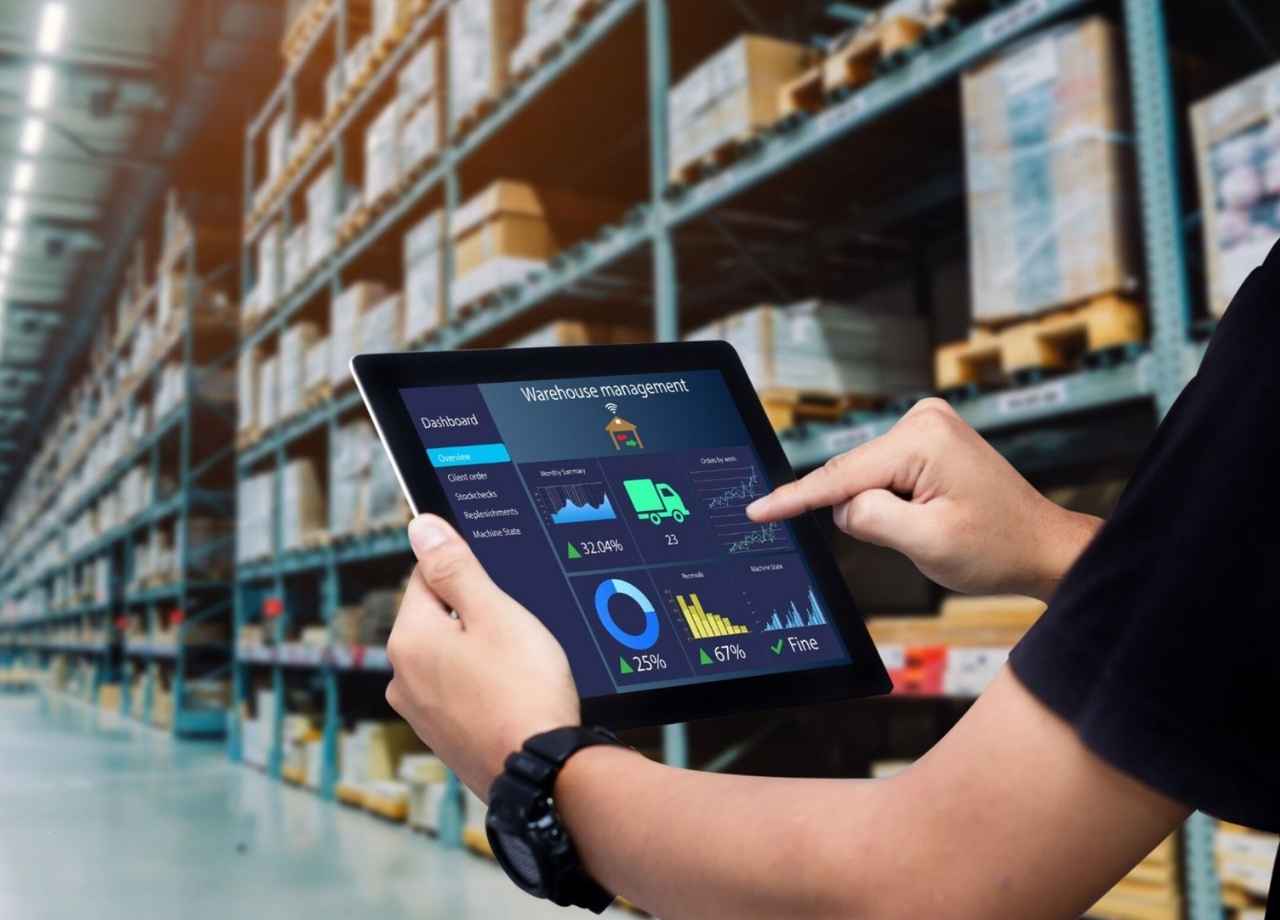
Most facilities generate constant operational data. Work orders are created and closed. Equipment cycles on and off. Energy usage fluctuates hourly. Vendors log service reports. Inspections are completed. Incidents are documented.
The challenge is not lack of information. It is lack of clarity.
A facility management dashboard is the control layer that transforms scattered operational data into real-time intelligence. Done properly, it does more than display metrics. It guides decision-making, highlights risk, and aligns facility operations with broader business goals.
Done poorly, it becomes another screen filled with numbers that no one uses.
The difference lies in design, integration, and intent.
What a Modern Facility Management Dashboard Should Do
A dashboard is not a report. Reports look backward. Dashboards operate in the present.
A well-built facility management dashboard should provide live visibility into operational health. It pulls data from CMMS platforms, building automation systems, energy management tools, vendor portals, and financial systems. It organizes that data into a format that answers immediate questions.
- Are critical assets operating within normal parameters?
- Are preventive maintenance tasks on schedule?
- Are response times meeting service level agreements?
- Is energy consumption trending above baseline?
- Are compliance inspections current?
The purpose is not to overwhelm users with data. It is to surface the signals that matter.
Modern dashboards are interactive. Users can drill down from portfolio-level summaries to individual building metrics, then to asset-level performance. That layered visibility allows executives and facility managers to operate from the same platform while focusing on different levels of detail.
Moving Beyond Static KPIs
Traditional dashboards focus heavily on lagging indicators such as number of work orders completed or monthly maintenance spend. While useful, these metrics do not necessarily predict risk.
Progressive dashboards emphasize leading indicators.
For example, instead of simply showing open work orders, the dashboard highlights aging high-priority tickets. Instead of showing total energy spend, it flags abnormal consumption patterns relative to weather-adjusted baselines. Instead of counting inspections completed, it identifies assets approaching compliance deadlines.
This shift transforms the dashboard from a scorecard into a decision-support system.
Facilities leaders should design dashboards around operational questions rather than generic metrics. If a metric does not drive action, it does not belong on the screen.
Portfolio-Level Intelligence in Real Time
Organizations managing multiple properties often struggle with consistency. One site may perform exceptionally well, while another quietly accumulates maintenance backlog and compliance risk.
A centralized facility management dashboard eliminates this blind spot.
At the portfolio level, leadership can compare:
- Maintenance backlog by site
- Mean time to repair across regions
- Energy intensity by building type
- Vendor response times
- Capital replacement timelines
When performance diverges from expected benchmarks, the dashboard surfaces the anomaly immediately. Instead of waiting for quarterly reviews, facilities teams can intervene early.
This visibility creates accountability. It also enables data-driven conversations between facility teams and executive leadership.
Integration Is the Foundation
A dashboard is only as powerful as the systems feeding it. Fragmented software platforms limit insight.
Modern facility management dashboards rely on integrated data architecture. Building automation systems feed live performance metrics. CMMS platforms provide work order and asset data. Energy management systems contribute consumption trends. Financial tools supply cost information.

Application programming interfaces and data connectors synchronize this information in near real time.
Without integration, dashboards become manual reporting tools that require constant updates. With integration, they become automated command centers.
Before building a dashboard, organizations should evaluate data quality, naming conventions, and system compatibility. Clean and standardized data ensures reliable analytics.
Customization by Role
Not every user needs the same view. Executives require high-level performance summaries. Facility managers need operational detail. Technicians may benefit from task-focused interfaces.
Modern dashboards allow role-based customization.
An executive dashboard might highlight portfolio-wide cost trends, energy performance, and compliance status. A site manager dashboard may focus on active work orders, technician workload distribution, and inspection schedules. A sustainability lead might track emissions data and energy reduction targets.
Custom views increase usability and reduce information overload.
The goal is clarity, not complexity.
Predictive and AI-Enhanced Dashboards
The next evolution of facility management dashboards involves predictive analytics and artificial intelligence.
Rather than simply displaying current metrics, AI-enhanced dashboards analyze historical patterns and forecast potential issues. For example, the system may flag assets with rising failure probability based on past maintenance records and runtime trends.
Predictive energy modeling can anticipate seasonal consumption spikes. Maintenance workload forecasting can identify staffing gaps before backlogs develop.
Some platforms are moving toward conversational interfaces. Facility leaders can query the dashboard using natural language and receive instant analysis.
As AI models mature, dashboards will shift from monitoring tools to recommendation engines.
Visual Design and Human Behavior
Dashboard effectiveness depends on more than data accuracy. Visual design influences how quickly users interpret information.
Color coding, threshold alerts, and trend indicators should highlight urgency without creating alarm fatigue. Overuse of red indicators desensitizes users. Clear hierarchy and minimal clutter improve readability.
Information density must balance depth and simplicity. A crowded dashboard discourages engagement. A streamlined interface encourages regular review.
Facilities teams should periodically evaluate dashboard usability and refine layout based on user feedback.
From Monitoring to Strategic Alignment
A mature facility management dashboard connects operational performance to business objectives.
If the organization prioritizes sustainability, energy intensity and emissions metrics should be prominently displayed. If tenant satisfaction drives revenue, response time and service quality metrics deserve focus. If risk mitigation is a strategic goal, compliance and inspection indicators should be front and center.
The dashboard becomes a translation tool between facilities operations and executive leadership.
When facility performance is visible and measurable, it earns strategic credibility.
Common Pitfalls to Avoid
Dashboards fail when they attempt to display everything. Too many metrics dilute focus. Another common mistake is relying solely on manual data entry, which reduces accuracy and timeliness.
Some organizations also neglect regular updates. A dashboard that remains static while operations evolve quickly loses relevance.
Continuous refinement is essential. Metrics should evolve as operational priorities shift.
The Future of Facility Dashboards
As buildings become more connected, dashboards will serve as centralized control environments. Integration with digital twins will allow simulation modeling directly within the interface. Real-time asset health scoring will guide maintenance prioritization. Automated alerts will trigger workflows without manual intervention.
Eventually, dashboards may not just inform decisions but initiate corrective actions automatically within defined parameters.
Facility management is becoming increasingly data-centric. The dashboard is the visible layer of that transformation.
A facility management dashboard is more than a reporting tool. It is a strategic command center that converts operational data into clear, actionable insight.
When designed thoughtfully and integrated properly, it improves visibility, reduces risk, enhances accountability, and supports smarter decision-making across the portfolio.
Facilities generate enormous amounts of information every day. The dashboard determines whether that information becomes noise or intelligence.
Organizations that treat their dashboard as a living operational tool, rather than a static display, gain a measurable advantage in performance and control.