Landscaping plays a critical role in maintaining both the appearance and function of a commercial property. When done correctly, it protects surfaces, supports drainage, and enhances curb appeal. When done incorrectly, it can lead to costly repairs, safety issues, and ongoing maintenance challenges.
This commercial landscaping mistakes guide highlights common issues that often go unnoticed until damage has already occurred, helping facility managers take a more proactive approach.
1. Poor Drainage Planning
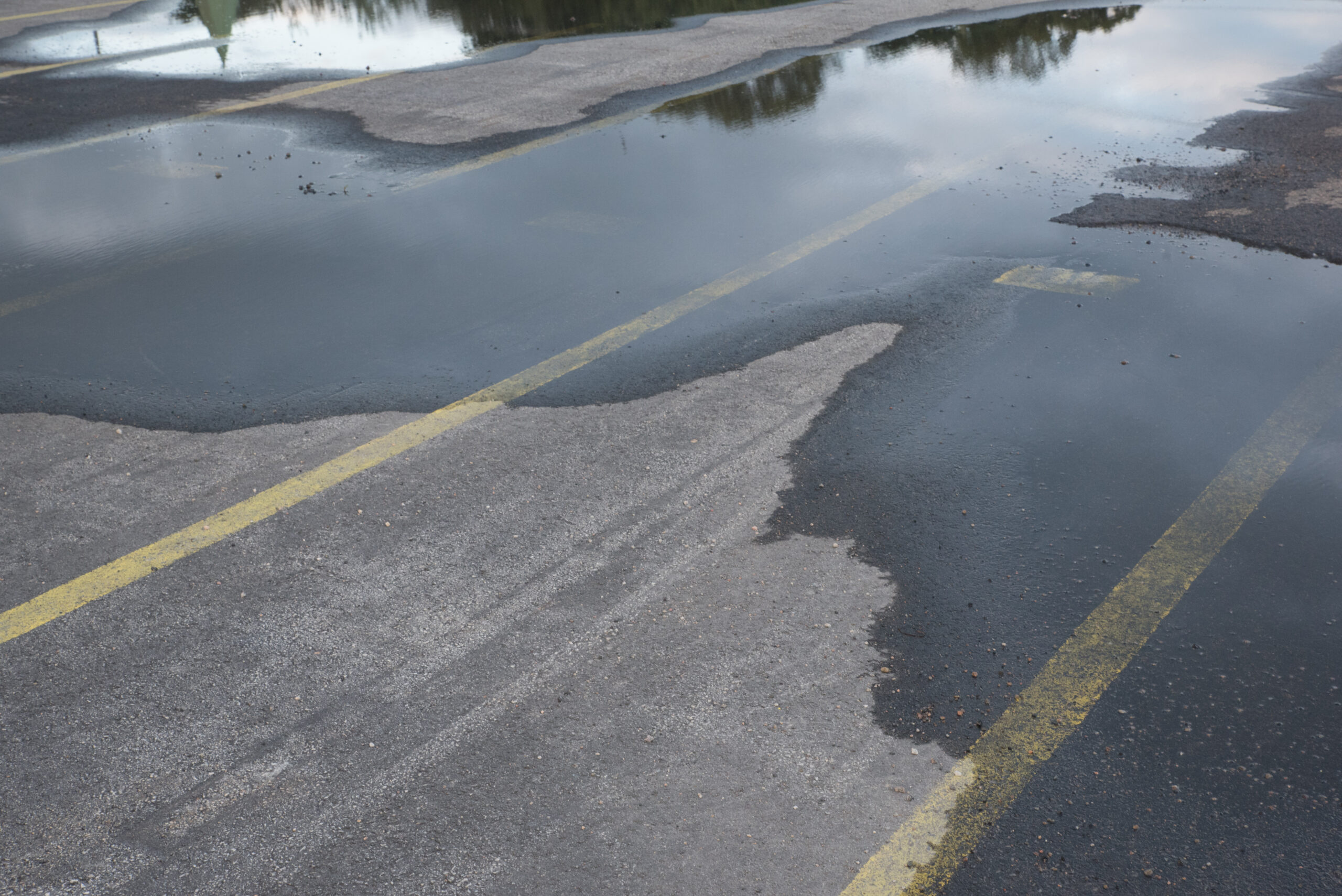
Water is one of the most damaging forces on any property. Improper grading, blocked drains, or poorly placed landscaping features can cause water to pool near buildings, sidewalks, and parking areas.
Over time, standing water weakens soil structure, damages plant roots, and contributes to pavement deterioration. It can also create slip hazards and lead to foundation issues if left unaddressed.
Regularly evaluating drainage patterns, especially after heavy rain, helps identify problem areas early and prevents long-term damage.
2. Planting Too Close to Structures
Plants that are placed too close to buildings, walkways, or parking lots often create more problems than they solve. Roots can grow into foundations or lift sidewalks, while overgrown branches can obstruct visibility or access points.
Proper spacing is essential. Plants should be selected and positioned based on their mature size, not their initial appearance. This prevents overcrowding and reduces the need for frequent trimming or removal.
The National Association of Landscape Professionals emphasizes planning for long-term growth as a key part of sustainable landscape design.
3. Overuse of Turf in High-Stress Areas
Grass may look appealing, but it is not always the right choice for every part of a property. High-traffic areas, shaded zones, and regions with poor soil conditions often struggle to support healthy turf.
Attempting to maintain grass in these areas leads to constant repairs, increased watering, and inconsistent appearance. In many cases, alternative materials such as mulch, stone, or ground cover provide a more durable and cost-effective solution.
Reducing turf in problem areas helps improve both appearance and long-term maintenance efficiency.
4. Inconsistent Maintenance Practices
Landscaping requires consistency. Irregular mowing, pruning, or irrigation can quickly lead to uneven growth and declining plant health.
For multi-site properties, inconsistent maintenance across locations creates noticeable differences in quality. One site may appear well-kept, while another looks neglected, even if both follow the same general plan.
A structured maintenance schedule ensures that all properties are maintained to the same standard, supporting both efficiency and brand consistency.
At National Facility Contractors, we focus on standardized programs that deliver predictable results across every location.
5. Ignoring Soil Health
Healthy landscapes start below the surface. Compacted or nutrient-deficient soil limits plant growth and reduces the effectiveness of irrigation and fertilization.
Without proper soil management, even well-designed landscapes struggle to thrive. Aeration, soil testing, and appropriate amendments help maintain a stable foundation for long-term plant health.
Ignoring soil conditions often leads to repeated plant failure and unnecessary replacement costs.
6. Overwatering and Irrigation Mismanagement
Improper irrigation is one of the most common landscaping mistakes. Overwatering can lead to root rot, fungal growth, and wasted resources, while underwatering stresses plants and weakens turf.
Systems that are not regularly inspected may develop leaks, uneven coverage, or timing issues. These problems often go unnoticed until visible damage appears.
The Environmental Protection Agency WaterSense program recommends routine system checks to improve efficiency and reduce water waste.
Preventing Problems Before They Start
Most landscaping damage does not happen overnight. It develops gradually as small issues go unaddressed. By recognizing common mistakes early, facility managers can take proactive steps to protect their properties and avoid unnecessary costs.
A well-planned approach to landscaping supports both appearance and function, ensuring that properties remain safe, efficient, and visually consistent over time.
If your properties are showing signs of wear or inconsistency, consider scheduling a landscape evaluation with National Facility Contractors. Identifying issues early helps prevent long-term damage and keeps your sites performing at their best.