Facilities management used to mean physical presence. Engineers in the plant room. Supervisors walking the roof. Teams stationed at each property. That model still exists, but it is no longer the only way to operate effectively.
Remote facility management has shifted from temporary solution to permanent strategy. Advances in building automation, IoT sensors, cloud-based CMMS platforms, and centralized command centers now allow organizations to monitor, analyze, and even optimize building performance without being physically present.
This is not about reducing headcount. It is about increasing visibility, response speed, and operational consistency across entire portfolios.
What Remote Facility Management Actually Means
Remote facility management does not eliminate on-site service. Mechanical systems still require hands-on maintenance. Roofs still need inspection. Physical repairs still happen in the field.
What changes is how oversight, monitoring, and decision-making occur.
A remote FM model typically includes:
- Centralized monitoring of building automation systems
- Cloud-based work order management
- Remote diagnostics for HVAC and critical systems
- Digital inspection reportin
- Vendor coordination through shared platforms
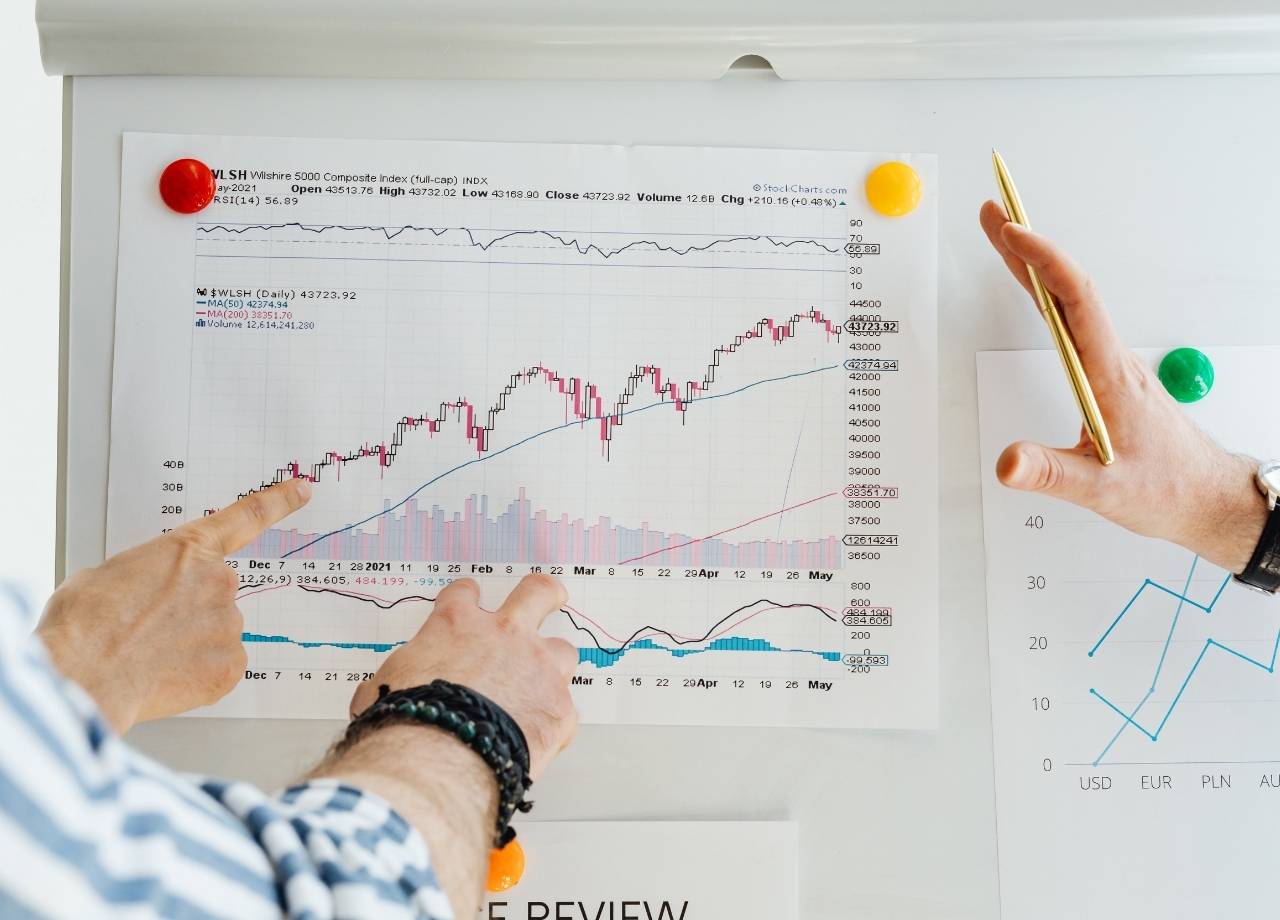
- Energy and performance analytics dashboards
Instead of managing each property independently, organizations operate from a centralized hub with real-time visibility across all sites.
From Reactive Dispatch to Remote Diagnostics
In traditional models, facility teams often respond only after complaints or alarms escalate. Remote systems allow earlier intervention.
When building automation systems, IoT sensors, and environmental monitors feed live data into centralized dashboards, anomalies can be detected immediately. Temperature drift, abnormal energy spikes, pressure imbalances, or equipment runtime irregularities trigger alerts before occupants are even aware of a problem.
Technicians can review trends remotely, diagnose likely causes, and dispatch field teams with clear instructions and parts ready. This reduces diagnostic time on site and shortens repair windows.
In some cases, issues can be resolved entirely through remote adjustments to control systems.
The operational shift is subtle but significant. Instead of sending people out to investigate, teams send them out to fix confirmed problems.
Portfolio-Wide Visibility
For organizations managing multiple properties, remote facility management eliminates blind spots.
Central dashboards allow leadership to compare:
- Energy usage by building
- Maintenance backlog trends
- Response times
- Equipment performance
- Vendor compliance
- Inspection completion rates
Patterns become visible across the portfolio. If one building consistently shows higher HVAC energy consumption compared to similar properties, it signals a deeper issue. If one region has slower ticket closure times, staffing or vendor adjustments may be required.
Without centralized oversight, these patterns remain hidden inside individual sites.
Remote management transforms scattered properties into one connected system.
Labor Optimization Without Compromising Coverage
Skilled facility technicians are increasingly difficult to recruit and retain. Remote management allows organizations to deploy talent more strategically.
Instead of assigning full-time staff to every building regardless of workload, teams can allocate resources based on real-time demand. A centralized monitoring team can oversee dozens of sites, while field technicians are dispatched only when needed.

This approach does not remove local expertise. It ensures that on-site presence is purposeful rather than constant.
Facilities that operate under hybrid models often combine remote monitoring with scheduled preventive visits and rapid-response field teams.
Data-Driven Decision Making
Remote facility management depends on accurate, consistent data. Work orders, equipment runtime, inspection logs, and performance metrics all feed into decision-making processes.
When properly structured, this data supports:
- Predictive maintenance planning
- Capital replacement forecasting
- Energy efficiency initiatives
- Vendor performance reviews
- Budget allocation decisions
Facilities leaders gain access to operational intelligence rather than anecdotal reports.
The key is integration. Building automation systems, CMMS platforms, energy management tools, and vendor portals must communicate effectively. Fragmented systems weaken remote oversight.
Security and Access Control
Remote facility management extends beyond mechanical systems. Security infrastructure such as surveillance systems, badge access controls, and alarm monitoring can also be centralized.
Security teams can monitor multiple properties from a single control room, review incidents in real time, and coordinate with on-site personnel as needed.
Access logs provide additional insight into occupancy patterns and building usage trends. This information can support energy optimization and staffing decisions.
The integration of operational and security systems enhances overall situational awareness.
Remote Management in Critical Environments
Healthcare facilities, data centers, manufacturing plants, and distribution centers cannot afford extended downtime. Remote monitoring adds a layer of protection in these environments.
Backup power systems can be tested and monitored remotely. Environmental conditions in sensitive areas can be tracked continuously. Alerts can be routed to designated personnel instantly.
In high-stakes environments, the speed of response is often the difference between minor disruption and major operational loss.
Remote management enhances that speed.
Challenges to Address
Remote facility management is not plug-and-play. Several challenges must be addressed before implementation.
Data accuracy is foundational. Inconsistent asset naming, outdated sensor calibration, and incomplete maintenance logs undermine confidence in remote systems.
Cybersecurity must be prioritized. Connecting building automation systems to cloud platforms increases exposure. Secure network architecture, strict access controls, and collaboration with IT teams are essential.
Cultural adoption also matters. On-site teams may initially view remote oversight as intrusive. Clear communication about goals and collaboration reduces resistance.
Remote management should support field teams, not replace their expertise.
The Hybrid Future of Facilities Management
The future of facilities management is neither fully remote nor fully on-site. It is hybrid.
Centralized monitoring and analytics provide strategic oversight. On-site teams execute maintenance, inspections, and repairs with better information and faster response times.
Artificial intelligence and predictive analytics will further enhance remote capabilities, allowing systems to identify patterns and recommend actions before human review.
As building systems become more connected and data-rich, remote management will move from operational convenience to strategic necessity.
Remote facility management is not about managing buildings from behind a screen. It is about leveraging technology to improve control, reduce risk, and increase operational efficiency across entire portfolios.
When implemented properly, it delivers faster response times, better asset performance, improved energy management, and stronger accountability.
Facilities are becoming more complex. Managing them effectively requires visibility beyond physical walls.
Organizations that embrace remote facility management strategically will operate with greater precision and fewer surprises, even when their teams are miles away.