Facilities management has moved beyond simple maintenance and cost‑reduction tasks. In 2026 it holds a critical role in environmental responsibility, operational efficiency, and corporate reputation. Leading facility management firms now view sustainability not as a compliance burden but as a strategic asset. Clients expect buildings and infrastructure that respect environmental constraints while delivering comfort, safety, and reliability. Meeting those expectations requires precise tracking of resources, rigorous auditing procedures, and the ability to adapt operations rapidly.
Tracking Performance: Data as Foundation
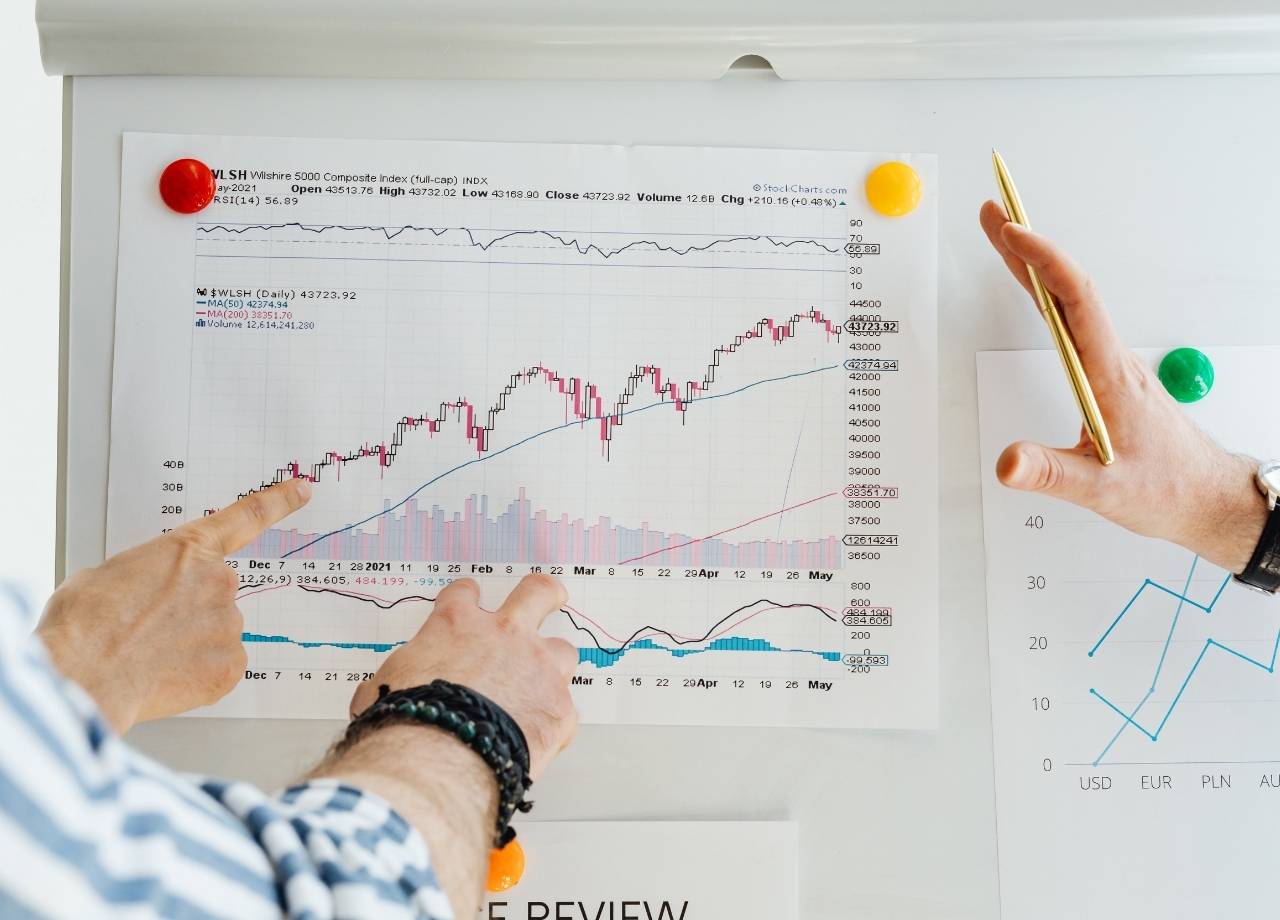
Advanced facilities operate with dense layers of sensors and meters designed to quantify virtually every resource flow. Energy consumption, water usage, indoor air quality, waste generation and disposal, even foot‑traffic patterns get monitored continuously. Smart meters linked to building management systems (BMS) feed data into unified dashboards. Facility managers examine trends hourly, daily, and monthly to spot inefficiencies or abnormal spikes. That level of visibility allows teams to react before issues become expensive or harmful.
Use of digital twin technology has become common. Virtual replicas of physical facilities provide a sandbox where managers can simulate modifications, like adjusting ventilation schedules or upgrading insulation, and view projected energy savings or air‑quality improvements before committing to real‑world changes. Sensors tracking occupancy combined with HVAC and lighting controls enable activation only when zones are in actual use. Water leak detectors send automatic alerts the moment a pipe behaves strangely. Waste-tracking systems tally refuse by volume and type, providing real-time insight into recycling rates. A data-driven view removes guesswork and offers clear evidence of performance.
Tracking extends beyond technical metrics. Surveys and digital feedback tools collect occupant impressions of comfort, noise, air quality, and lighting. Those subjective measures feed into overall sustainability scores. Facility managers who prioritize occupant well‑being alongside resource metrics earn stronger buy-in from building users, leading to better compliance with recycling protocols or energy-saving habits.
Auditing for Compliance and Credibility
Sustainability claims require validation. Audits conducted by certified third parties ensure that resource tracking remains honest and thorough. Firms rely increasingly on international standards such as ISO 50001 for energy management, ISO 14001 for environmental management systems, and regionally recognized green-building certifications. These frameworks provide structure for consistent documentation, energy baselining, and continuous improvement loops.
Auditors assess meter calibration records, review baseline energy consumption, analyze occupancy data, and verify waste disposal receipts. They also inspect indoor environmental quality, ventilation rates, air filtration schedules, humidity controls, to confirm the facility meets health and comfort thresholds. Real-time dashboards and historical logs simplify the documentation process. Transparent audit trails build confidence not only with clients but also with regulatory bodies and investors.
Audit frequency has increased. Facilities now undergo quarterly internal audits and annual independent audits. Regulatory audits occur where local environmental laws demand reporting or when building performance influences city-wide sustainability targets. Facility managers anticipate audit requirements when designing systems. High-quality data collection and record-keeping reduce audit preparation costs and streamline certification renewals.
Adapting Operations through Technology and Behavior
Once tracking and auditing highlight areas for improvement, adaptation becomes central. Retrofitting older buildings remains a major focus. Upgrades include high-efficiency HVAC units, LED lighting with smart controls, enhanced insulation, and double-glazed windows. As materials and installation costs fall, return on investment becomes attractive. Facility managers increasingly schedule upgrades during off-peak periods to avoid disruption for building users.
Predictive maintenance has replaced reactive responses. Data analytics and machine-learning tools analyze vibration, temperature, and performance trends across mechanical systems. When a pump shows signs of wear or a chiller starts consuming excess power, maintenance teams receive alerts before breakdowns occur. That prevents costly downtime and can improve system lifespan by years.
Behavioral adaptations matter alongside hardware changes. Facility management teams deploy mobile apps or digital signage to share real-time performance metrics with building occupants. Presenting energy savings, recycling rates, or even carbon-equivalent reductions in simple, relatable terms encourages individuals to adopt energy-conscious behaviors. Teams run periodic workshops or awareness campaigns to reinforce recycling protocols and responsible water use practices.
Waste management embraces circular principles. Organic waste gets diverted to composting programs. Non-reusable materials go through certified recycling partners. Waste audit reports feed into annual sustainability scorecards. Procurement policies have shifted, favoring materials with low environmental impact, recycled content, and minimal packaging. That shift reduces waste volume and strengthens a facility’s sustainability credentials.
Aligning Sustainability with Business Goals
Sustainable facility management aligns directly with cost control and asset preservation. Reduced energy and water usage lower utility bills. Efficient operations extend the useful life of systems and infrastructure. Predictive maintenance avoids expensive emergency repairs and prolongs equipment lifespan. Retrofitting well‑insulated windows or upgrading to efficient HVAC units reduces strain on mechanical systems and cuts future maintenance costs.

Stakeholder confidence grows when sustainability becomes a measurable part of facility performance. Clients, tenants, investors, regulatory authorities, and even insurers pay closer attention to a facility’s environmental record. A well-documented sustainability profile can reduce insurance premiums, satisfy regulatory zoning or leasing requirements, and enhance corporate social responsibility reporting. That transparency also signals commitment and foresight to potential tenants or buyers.
Competitive differentiation emerges through public disclosure of sustainability achievements. Facility managers and contracting firms demonstrating rigorous data tracking, successful audits, and adaptable operations command greater credibility. Prospective clients seeking environmentally responsible partners view such firms as reliable and forward‑looking.
Role of the Facility Manager and Contractor
Facilities management in 2026 demands a blend of technical knowledge, data-analytic skills, and strong communication capabilities. Managers need to understand sensor integration, building automation systems, and predictive maintenance tools. They also coordinate retrofit projects, monitor regulatory changes, and ensure compliance documentation remains current. Contractors play a vital role by offering expertise in energy-efficient upgrades, sustainable materials sourcing, and waste disposal partnerships.
Facility managers act as intermediaries between occupants, maintenance teams, clients, regulatory bodies, and contractors. Clear communication remains essential. Monthly reports summarizing resource use, audit outcomes, and improvement plans help build trust and align expectations. Regular meetings to review data dashboards keep all stakeholders engaged. Facility leaders who embrace transparency and proactive problem-solving foster confidence and long-term relationships.
Challenges and How Leading Organizations Meet Them
Complex facilities often struggle with legacy systems that resist integration into modern monitoring platforms. Lack of baseline data complicates measurement of subsequent improvements. Resistance to behavioral change among occupants undermines recycling or energy-saving initiatives. Initial investment costs for retrofits and upgrades may seem high.
Successful facility management firms overcome these hurdles by adopting a phased approach. Initial efforts focus on establishing baseline data and integrating sensors. Gradual upgrades follow once savings and inefficiencies become clear. Change management strategies address occupant resistance through engagement sessions and transparent reporting. Return on investment projections presented in financial terms make retrofit decisions sensible. Choosing scalable solutions and modular upgrades reduces upfront costs and allows incremental improvements.
Future Directions for Sustainable Facilities
Advances in renewable energy integration are on the horizon. Onsite solar panels, battery storage, and micro‑grid connections will reduce reliance on conventional power. Smart grid technology will enable facilities to dynamically shift energy usage to off‑peak hours, further trimming utility costs and environmental impact. Water recycling systems and greywater reuse will gain traction in regions facing water scarcity.
Artificial intelligence will refine predictive maintenance and occupant comfort. AI-driven systems will adjust ventilation, lighting, and temperature based on occupancy forecasts, outdoor conditions, and indoor air-quality data. Waste management could evolve to include automated sorting and composting mechanisms, guided by real-time waste composition sensors.
Greater transparency will emerge through public sustainability dashboards accessible by stakeholders including clients, regulators, and occupants. Standardized reporting metrics will facilitate benchmarking among facilities, driving competition and raising overall industry standards. Facility management firms that build processes now will be positioned to lead that shift.
Sustainability in facility management no longer sits on the sidelines. It defines the modern operational standard. Tracking resource use and building performance, auditing compliance and efficiency, and adapting operations to new technologies and behaviors shape outcomes that matter to clients, occupants, and communities. Organizations delivering on those expectations earn trust and build durable value.