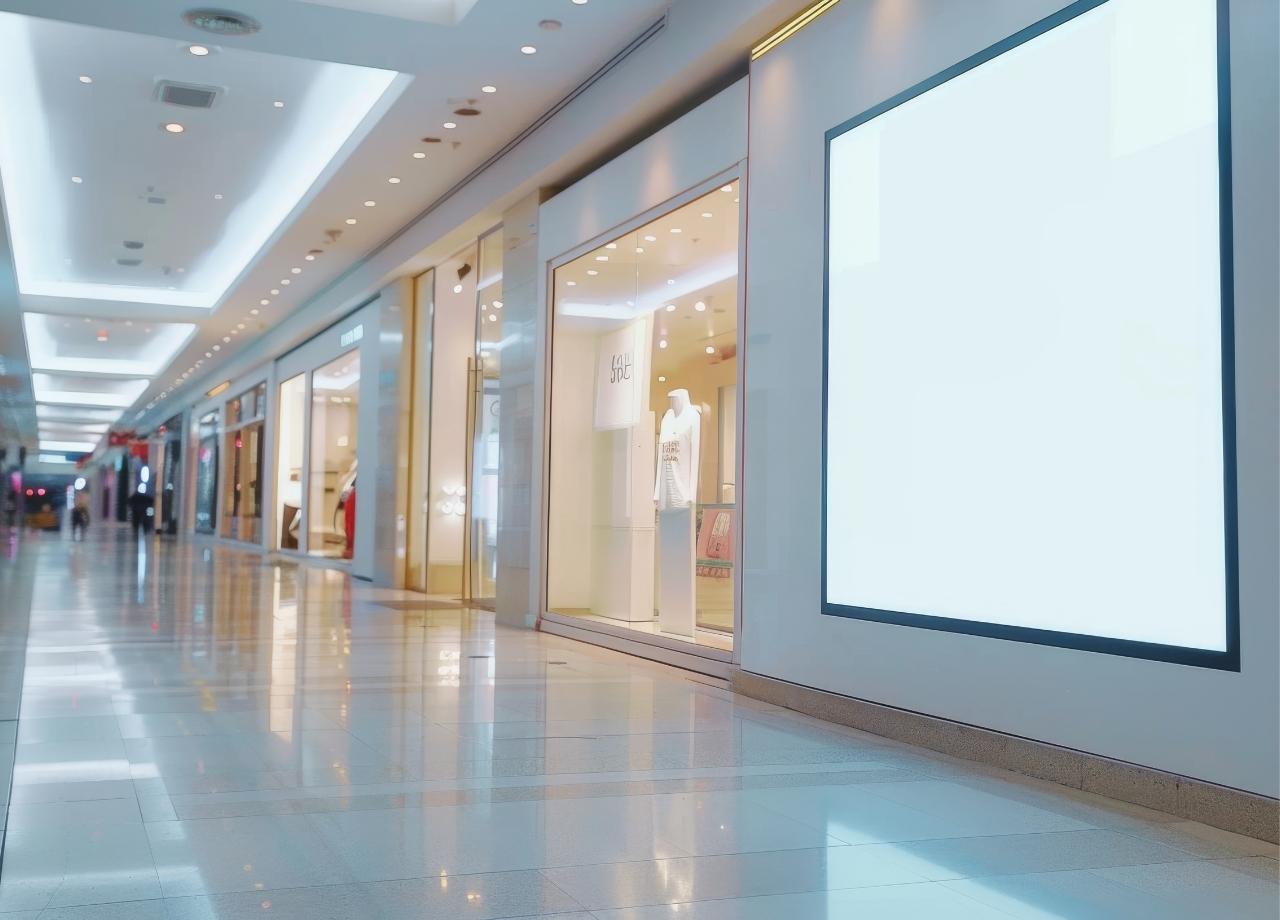
Commercial flooring takes a beating. Day after day, it absorbs the wear and tear of heavy foot traffic, rolling carts, moisture, dirt, and everything else that comes through the door. Whether it’s vinyl composition tile (VCT), luxury vinyl tile (LVT), ceramic tile, carpet tile, polished concrete, or epoxy-coated surfaces, your flooring is one of the first things people notice when they enter your facility, and one of the most expensive features to replace if it fails prematurely.
Too often, floor care is treated as an afterthought, only becoming a concern when flooring looks dull, stained, or damaged. But with the right cleaning program and maintenance schedule, commercial flooring can last significantly longer, look better year-round, and perform more safely across its lifespan.
Why Floor Maintenance Matters
Aside from the obvious goal of keeping your space clean and attractive, there are other compelling reasons to prioritize floor care:
- Safety: Dirty or worn flooring increases the risk of slips and falls, especially in entryways, kitchens, and restrooms.
- Durability: Neglected floors degrade faster, leading to cracks, fading, or surface failure that require expensive replacement.
- Brand Perception: Visitors and customers form impressions quickly. Dingy flooring makes a space look unkempt, even if everything else is in order.
- Compliance: In healthcare, food service, and industrial environments, poorly maintained floors can violate sanitation standards or OSHA regulations.
An effective floor care program doesn’t just respond to problems—it prevents them.
Know What You’re Working With
Before you can care for your floors properly, you need to know exactly what type of material you’re dealing with. Each surface has different maintenance requirements, cleaning tolerances, and compatibility with chemicals or equipment.
For instance, VCT typically requires regular sweeping, wet mopping, and periodic strip-and-wax services. LVT, while lower maintenance, can still scuff or lose its factory finish if cleaned with harsh chemicals. Carpet tile needs vacuuming and occasional hot water extraction to remove embedded dirt and stains. Polished concrete benefits from auto-scrubbing with neutral pH cleaners, while ceramic tile often calls for grout-focused cleaning to prevent discoloration and bacteria buildup.
Applying the wrong cleaner or method to the wrong floor can cause permanent damage. That’s why an accurate floor inventory, detailing what surfaces exist in each part of your facility, is the first step in a solid maintenance plan.
Daily Cleaning: The First Line of Defense
The most important floor care happens every day. Dirt, sand, salt, and other debris act like sandpaper on flooring surfaces. If they’re not removed promptly, they get ground into the finish and cause dulling or scratches that no amount of scrubbing can reverse.
Routine tasks include:
- Dry dust mopping or vacuuming to remove grit and surface debris before it gets embedded.
- Damp mopping or auto-scrubbing with appropriate cleaner to remove spills, sticky residue, and light soils.
- Entry mat maintenance to trap debris at the door and prevent it from traveling deeper into the facility.
High-traffic areas like entrances, lobbies, restrooms, and cafeteria zones—may require spot cleaning throughout the day, not just after hours.
This daily attention keeps dirt from building up and reduces how often you’ll need restorative or deep cleaning work.
Scheduled Deep Cleaning: Restoring and Protecting
Over time, even well-maintained floors lose their luster. Finishes wear down, stains settle in, and surface buildup can affect appearance and performance. That’s where periodic deep cleaning comes into play.
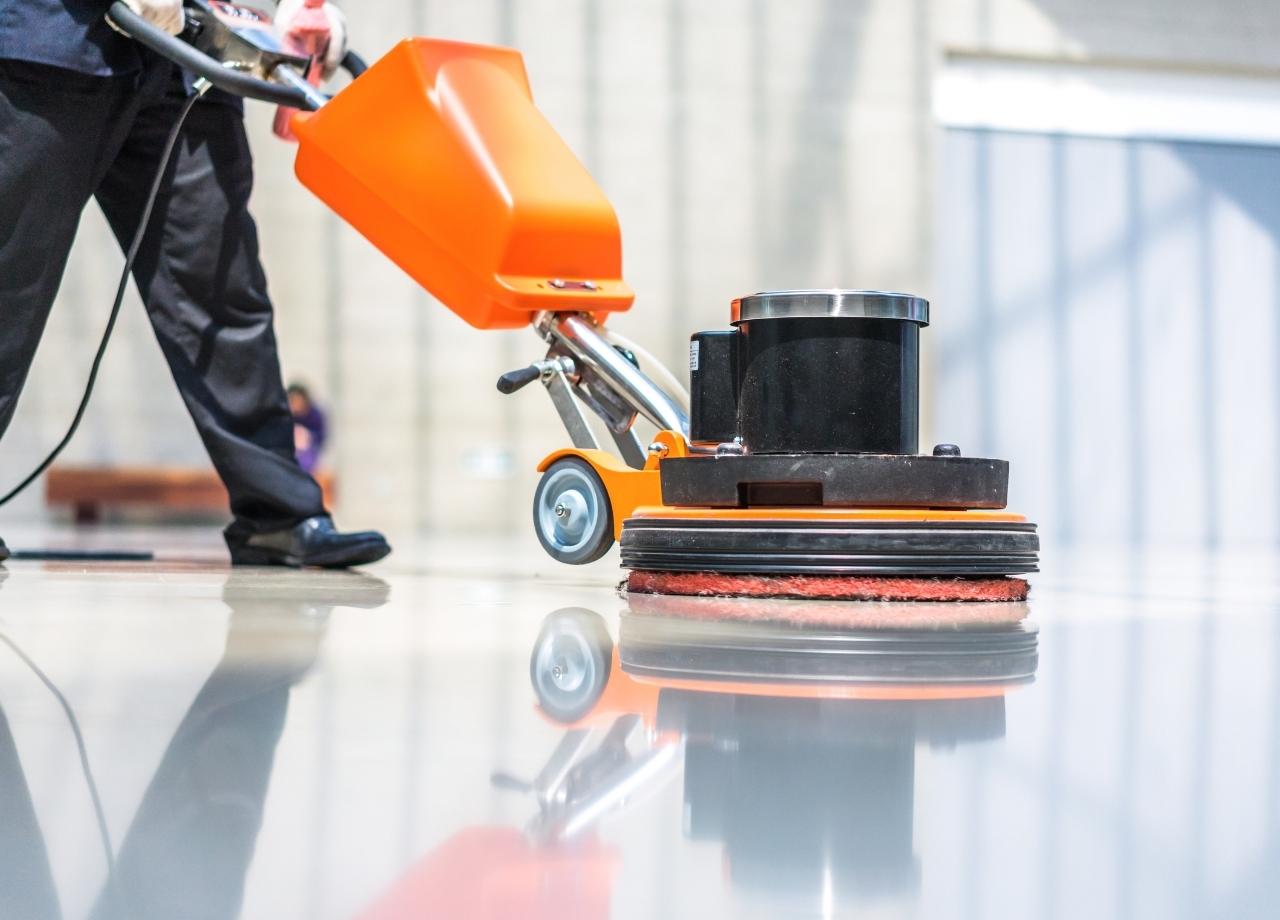
The frequency and method depend on the material. For VCT, this might mean a quarterly scrub-and-recoat and an annual strip-and-wax to remove the old finish and apply a fresh layer. For carpet tile, hot water extraction every six months keeps fibers clean and extends the life of the backing. Epoxy floors in warehouse or production areas often need degreasing and polishing on a set schedule, depending on traffic and exposure to chemicals.
Deep cleaning isn’t just aesthetic, it protects your investment. Surface treatments help resist scuffing, make daily cleaning more effective, and maintain compliance in environments where hygiene is critical.
Avoid Common Floor Care Mistakes
Many floor failures or appearance issues stem from preventable errors in cleaning. Using dirty mop water across multiple rooms spreads soil instead of removing it. Skipping proper drying techniques on slippery surfaces can lead to safety issues. Applying harsh degreasers to LVT can discolor the finish or void the warranty. Even using the wrong type of floor pad during machine scrubbing can leave swirl marks or wear down protective coatings.
Mistakes like these usually happen when staff aren’t trained properly, or when a service provider uses a one-size-fits-all approach. Commercial flooring isn’t something you “just clean.” It requires attention to detail, product knowledge, and the discipline to follow a defined process.
That’s why it’s often more efficient and cost-effective to work with a cleaning provider that understands floor systems and can tailor their work accordingly.
Seasonal Considerations
Floor care also shifts with the seasons. In winter, ice melt, sand, and slush can damage floors quickly if not removed daily. This often requires more frequent auto-scrubbing and aggressive entry mat management. In the summer, humidity can impact drying times and lead to streaking or film if not managed carefully.
A good floor care schedule accounts for these variables. Entry areas should receive more frequent attention in adverse weather. Restorative cleaning can be timed around low-traffic periods to allow finishes to cure without disruption.
Being proactive about seasonal adjustments helps preserve floor appearance year-round and avoids costly damage from overlooked conditions.
When to Call in Professional Floor Care Services
Even with an in-house janitorial team handling daily maintenance, most commercial spaces eventually need professional floor care. This is especially true for:
- Stripping and waxing VCT
- Deep cleaning grout lines
- Carpet stain treatment and extraction
- Polishing concrete or applying protective sealants
- Correcting slip hazards
- Recoating epoxy or urethane floors
Professional services bring commercial-grade equipment, trained technicians, and experience with complex floor systems. They also reduce risk—especially when it comes to chemical handling, OSHA safety requirements, and quality control in sensitive environments.
Scheduling regular floor assessments with a trusted vendor can help identify needs early, budget for larger restorative work, and avoid surprises during audits or inspections.
Commercial flooring is one of the hardest working surfaces in your facility, and it deserves more than the occasional mop or vacuum. A well-planned care program, combining daily cleaning, scheduled deep services, and surface-specific techniques, protects your investment and keeps your building looking professional.
Whether you’re managing a healthcare facility, office, retail space, or industrial site, floor care isn’t just about appearance. It’s about safety, durability, and the overall experience of everyone who walks through your building.
If your floors aren’t holding up the way they should, it’s worth reviewing your current maintenance plan. With the right approach and the right partner, commercial flooring can look great and perform well for years to come.