Cleaning services used to be defined mostly by labor. A crew arrived with basic equipment, worked through a checklist, and the job was considered complete once surfaces looked clean. That model still exists in many places, but large commercial facilities are moving in a different direction.
High technology janitorial services combine advanced equipment, connected devices, and data-driven management systems to improve cleaning quality, efficiency, and accountability. Facilities that operate large campuses, hospitals, airports, corporate offices, and educational environments increasingly rely on these technologies to maintain consistent sanitation standards.
Technology does not replace cleaning professionals. Instead, it provides them with better tools, clearer visibility into facility conditions, and more efficient ways to manage large spaces.
The Rise of Smart Cleaning Equipment
One of the most visible changes in janitorial services involves the equipment used on-site. Traditional cleaning tools have evolved into machines capable of collecting performance data and optimizing cleaning tasks automatically.
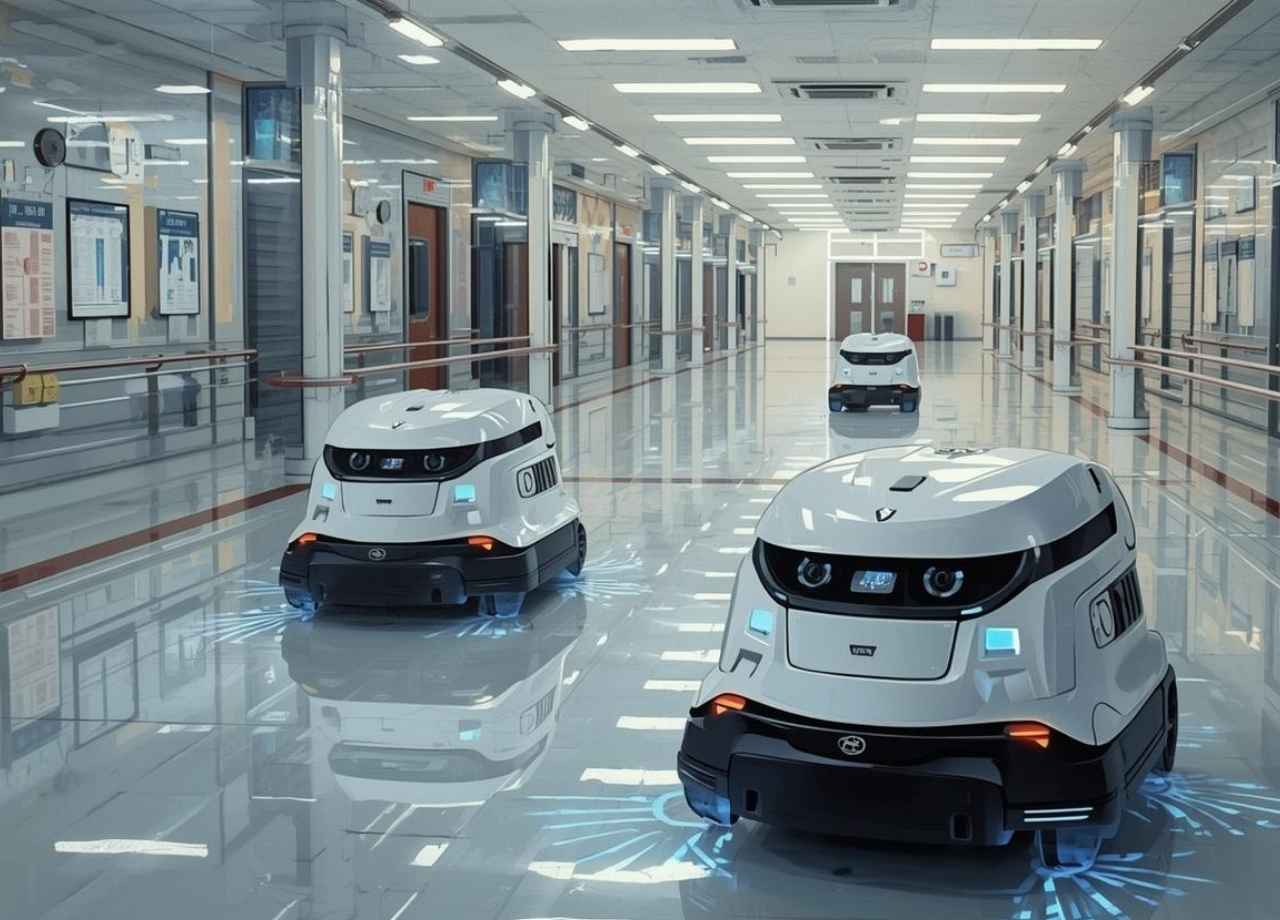
Autonomous floor scrubbers are a good example. These machines use sensors and mapping technology to navigate large spaces such as airports, hospitals, and distribution centers. Once programmed, they can clean floors consistently while avoiding obstacles and adjusting routes based on traffic patterns.
Battery technology has also improved significantly. Modern equipment operates longer on a single charge and includes smart battery management systems that track energy usage and charging cycles. This helps prevent downtime and extends equipment lifespan.
These machines do not eliminate the need for janitorial staff. Instead, they allow teams to focus on detailed sanitation tasks while automated equipment handles repetitive floor cleaning.
Real-Time Cleaning Monitoring
Facility managers have traditionally relied on visual inspections or manual reports to confirm that cleaning tasks were completed. High technology janitorial services introduce real-time monitoring tools that provide greater transparency.
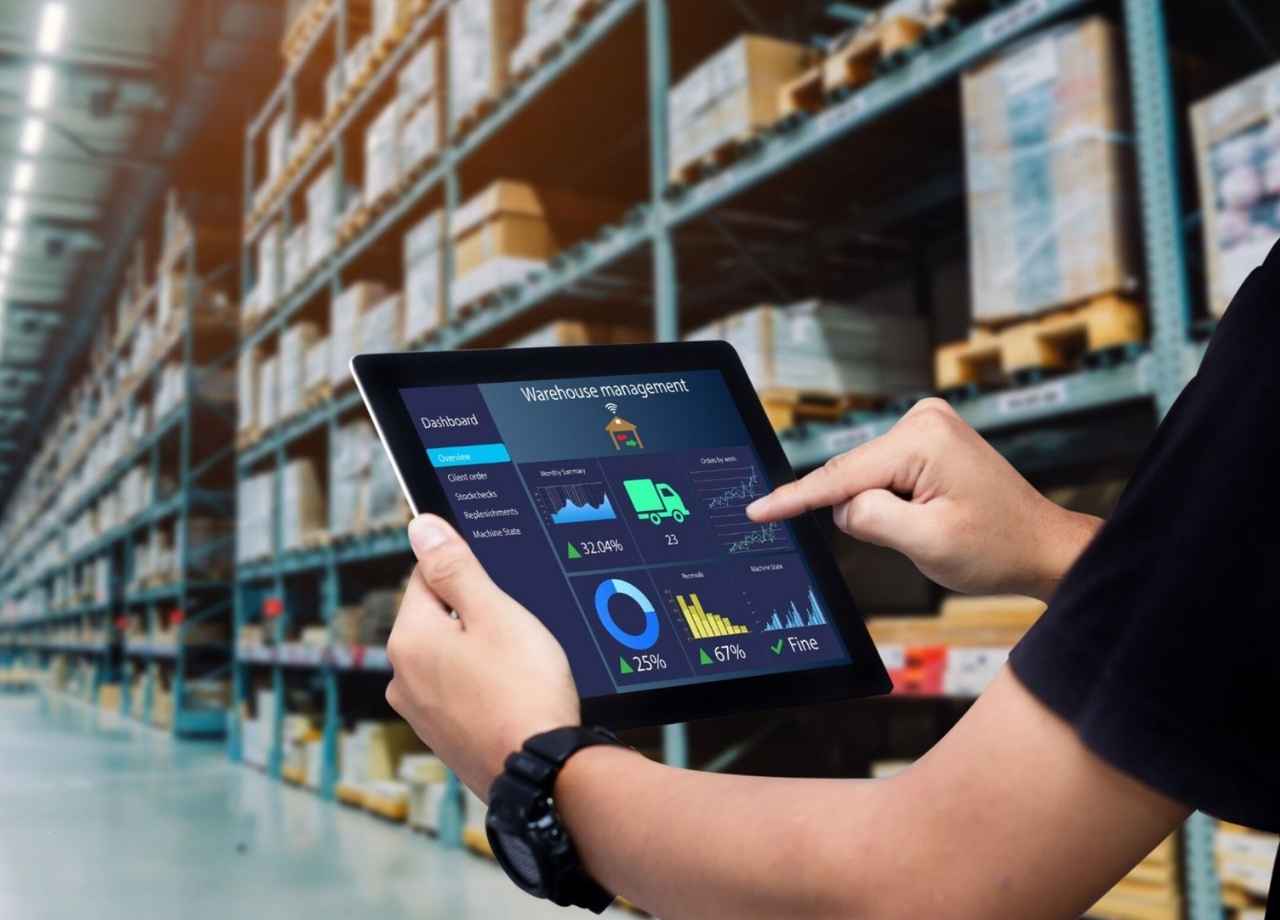
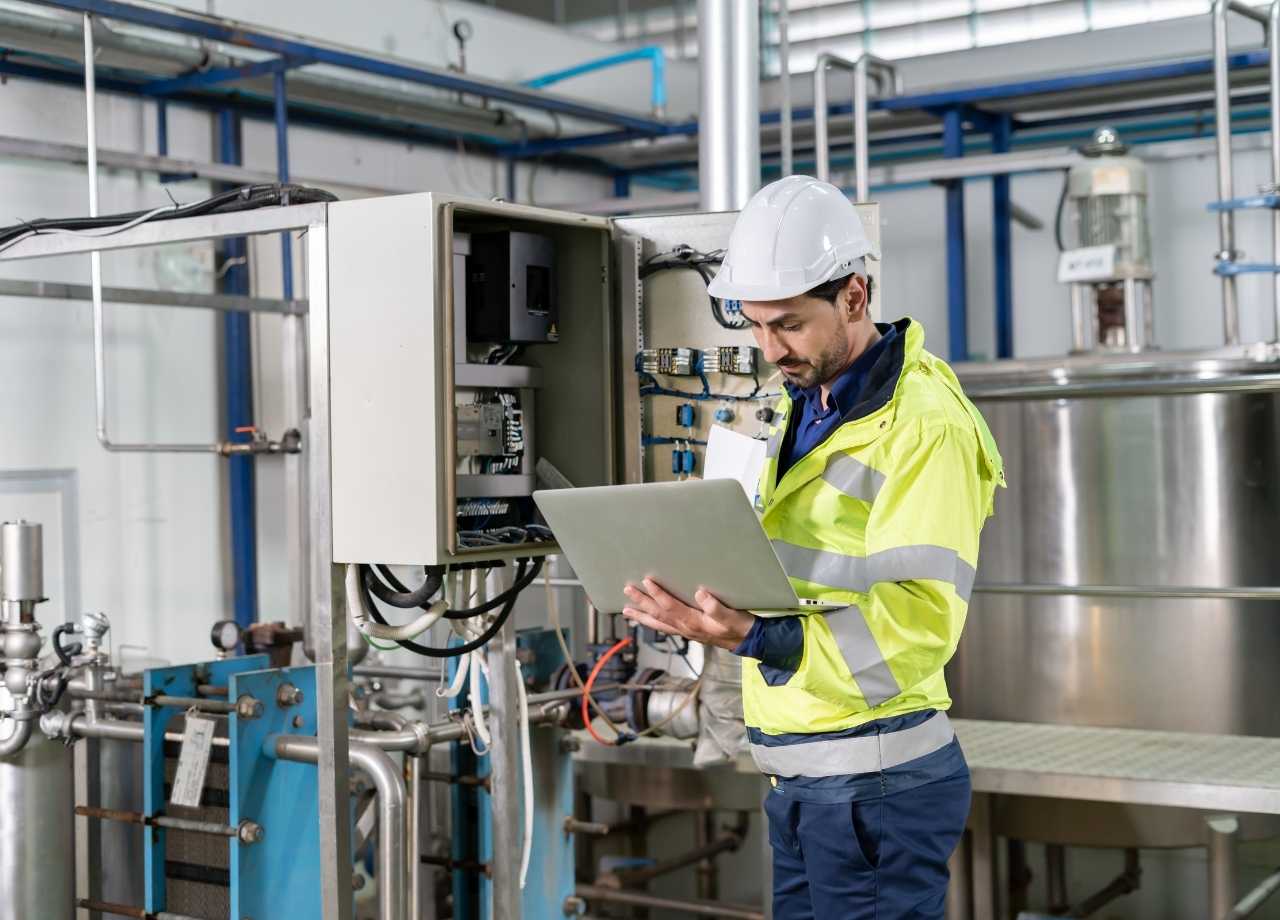
Connected cleaning equipment can transmit usage data directly to facility management platforms. Supervisors can see which areas were cleaned, how long machines operated, and whether equipment followed designated routes.
Digital task management systems also help coordinate cleaning schedules. Staff can receive assignments on mobile devices, mark tasks as complete, and upload photos or notes when issues arise.
This level of visibility helps ensure cleaning standards remain consistent across large buildings or multi-site portfolios.
Data-Driven Cleaning Strategies
Cleaning schedules have historically been based on fixed routines. A hallway might be cleaned every evening regardless of how much traffic it experienced that day.
High technology janitorial services shift toward data-driven cleaning. Sensors placed throughout buildings can track occupancy and foot traffic patterns. Cleaning schedules can then adapt to actual usage.
For example, restrooms or common areas that experience higher activity during certain hours can receive additional attention. Areas with minimal traffic may require less frequent service.
Facilities teams can use this data to allocate resources more effectively, ensuring that cleaning efforts focus on areas where they are most needed.
Advanced Disinfection Technologies
Sanitation has become an even greater priority in recent years. New technologies now support more effective disinfection processes in commercial environments.
Electrostatic sprayers are widely used in high-traffic facilities. These devices apply disinfectant in electrically charged droplets that adhere evenly to surfaces, including difficult-to-reach areas. Coverage becomes more consistent compared to traditional spraying methods.
Ultraviolet disinfection systems are also gaining traction. UV-C light can neutralize microorganisms on surfaces and in the air when applied under controlled conditions. Hospitals and transportation facilities frequently use these systems as an additional layer of sanitation.
When used properly, these technologies support more thorough cleaning programs without significantly increasing labor time.
IoT Integration in Cleaning Operations
Internet of Things technology is starting to influence janitorial services as well. Smart sensors installed in restrooms, waste bins, and supply dispensers can monitor usage levels and send alerts when service is required.
Restroom monitoring systems can notify cleaning staff when traffic increases or supplies run low. Waste management sensors can indicate when trash containers are nearing capacity.
These alerts allow janitorial teams to respond to real-time conditions instead of relying solely on preset schedules.
Facility managers gain clearer insight into how spaces are being used, which improves both cleaning efficiency and occupant satisfaction.
Robotics and Automation
Robotics is becoming more common in large-scale cleaning operations. In addition to autonomous floor scrubbers, robotic vacuum systems and window cleaning robots are being deployed in certain environments.
These machines operate using mapping software and sensors that allow them to navigate large buildings while avoiding obstacles. Some systems integrate with building maps to optimize cleaning routes and track completed areas.
Automation works best in environments with predictable layouts such as warehouses, airports, and large office campuses. Human cleaners remain essential for detailed work, but robotics reduce the physical strain associated with repetitive tasks.
This approach improves productivity while helping cleaning teams focus on higher-value responsibilities.
Sustainability Through Smart Cleaning
High technology janitorial services also support sustainability goals. Modern cleaning equipment is designed to reduce water consumption, chemical usage, and energy demand.
Smart dosing systems ensure that cleaning solutions are mixed at precise concentrations, preventing waste and improving safety. Microfiber cleaning materials capture dirt more effectively while requiring fewer chemicals.
Connected equipment can track resource usage over time, helping facility managers identify opportunities to reduce environmental impact.
Sustainability initiatives in cleaning operations contribute to broader corporate environmental goals and healthier indoor environments.
Training and Workforce Support
Introducing advanced cleaning technologies requires proper training for janitorial staff. Modern equipment and digital systems are most effective when teams understand how to use them correctly.
Training programs often include instruction on equipment operation, safety procedures, and digital reporting tools. Mobile applications used for task tracking allow supervisors to provide guidance and feedback in real time.
Technology can also improve communication between cleaning teams and facility managers. Maintenance issues identified during cleaning can be logged instantly, allowing faster response from building operations teams.
Better coordination ultimately leads to better facility management overall.
What the Future of Cleaning Looks Like
Technology will continue reshaping janitorial services as artificial intelligence, robotics, and connected building systems evolve. Cleaning operations are gradually becoming part of the broader smart building ecosystem.
Future cleaning systems may combine occupancy data, air quality monitoring, and predictive analytics to automatically determine when sanitation tasks are required. Robotic equipment may collaborate with human teams through coordinated scheduling platforms.
Facilities that embrace high technology janitorial services are already seeing benefits in efficiency, consistency, and transparency. Cleaning becomes less about reacting to visible mess and more about maintaining a continuously healthy environment.
A smarter building deserves smarter cleaning, and the tools to make that happen are already here.