Mastering Cleanliness in Your Restaurant
A restaurant’s reputation can rise or fall on the standards of its cleanliness. Guests might forgive a slow order or a menu change, but they will remember a sticky table or an unkempt restroom long after the meal ends. Every surface, utensil, and corner plays a role in shaping the dining experience and maintaining compliance with health regulations.
Cleanliness is not only about appearances—it directly affects guest satisfaction, online reviews, staff morale, and inspection outcomes. A lapse can mean negative publicity, regulatory penalties, or lost business. That’s why mastering cleanliness is not a side task but a core operational priority.
Daily Habits that Keep Operations Smooth
Fast-paced kitchens can accumulate mess quickly, making it harder to maintain order once the rush hits. Wiping prep areas between tasks instead of leaving it for the end of service prevents cross-contamination and reduces the time needed for final cleanup. The same applies to stovetops and cutting boards—keeping them spotless mid-shift ensures ingredients aren’t exposed to old food particles.
Floor maintenance is another constant task. Grease spots, crumbs, or liquid spills on tiles create safety hazards and draw unwanted pests. Assign clear responsibility each shift for inspecting and mopping high-traffic zones. This avoids confusion over who should respond when a mess happens, ensuring that clean floors remain a shared standard rather than an afterthought.
When these habits are built into the flow of service, kitchens avoid costly downtime, accidents, and the last-minute scrambles that can leave standards slipping.
Restrooms as a Reflection of the Kitchen
Customers often see the restroom before they see the kitchen, and they judge the business accordingly. A well-kept restroom signals that similar care exists in food preparation areas. Regular restocking of soap, paper towels, and toilet paper is just the start. Fixtures should shine, trash bins should be emptied before overflowing, and unpleasant odors should be eliminated at the source rather than masked with sprays.
During peak service, designate a staff member to conduct mid-shift checks. A brief inspection every hour can catch problems before guests notice them. Clean restrooms reduce complaints, protect your health inspection score, and send a powerful message of professionalism.
Selecting the Right Cleaning Tools
Effective cleaning depends on using the proper tools. Microfiber cloths trap dust and grease more efficiently than traditional rags and reduce streaking on polished surfaces. Separate color-coded cloths for the bar, kitchen, and restroom areas minimize cross-contamination risks.
A high-capacity commercial dishwasher with a sanitizing rinse cycle is worth the investment. It ensures utensils and dishware reach the required temperatures for killing bacteria, which can be difficult to achieve with handwashing. Stocking durable scrubbing pads, degreasers, and food-safe disinfectants speeds up cleaning without sacrificing thoroughness.
Having the right equipment in place reduces staff stress, shortens turnaround times, and makes compliance easier during health inspections.
Training Staff to Value Cleanliness
Cleanliness should not be seen as a chore handed off to the closing team. When every employee takes responsibility for their area, the workload is lighter and the results are better. Pre-shift reminders can reinforce habits such as wiping down menus, sanitizing trays, or checking condiment stations.
Some restaurants use friendly competitions between shifts, rewarding those with the most organized workstations. This turns cleaning into a source of pride rather than an obligation. Over time, such practices help create a culture where keeping things spotless feels natural.
When staff see cleaning as part of service—not as something separate—restaurants maintain consistency even on the busiest nights.
Scheduled Deep Cleaning for Hidden Areas
Daily cleaning keeps visible spaces tidy, but less obvious areas can accumulate grime over time. Ceiling vents collect dust, refrigerator coils attract grease, and tile grout darkens without regular attention. Creating a monthly or quarterly schedule for deep cleaning these areas prevents long-term buildup.
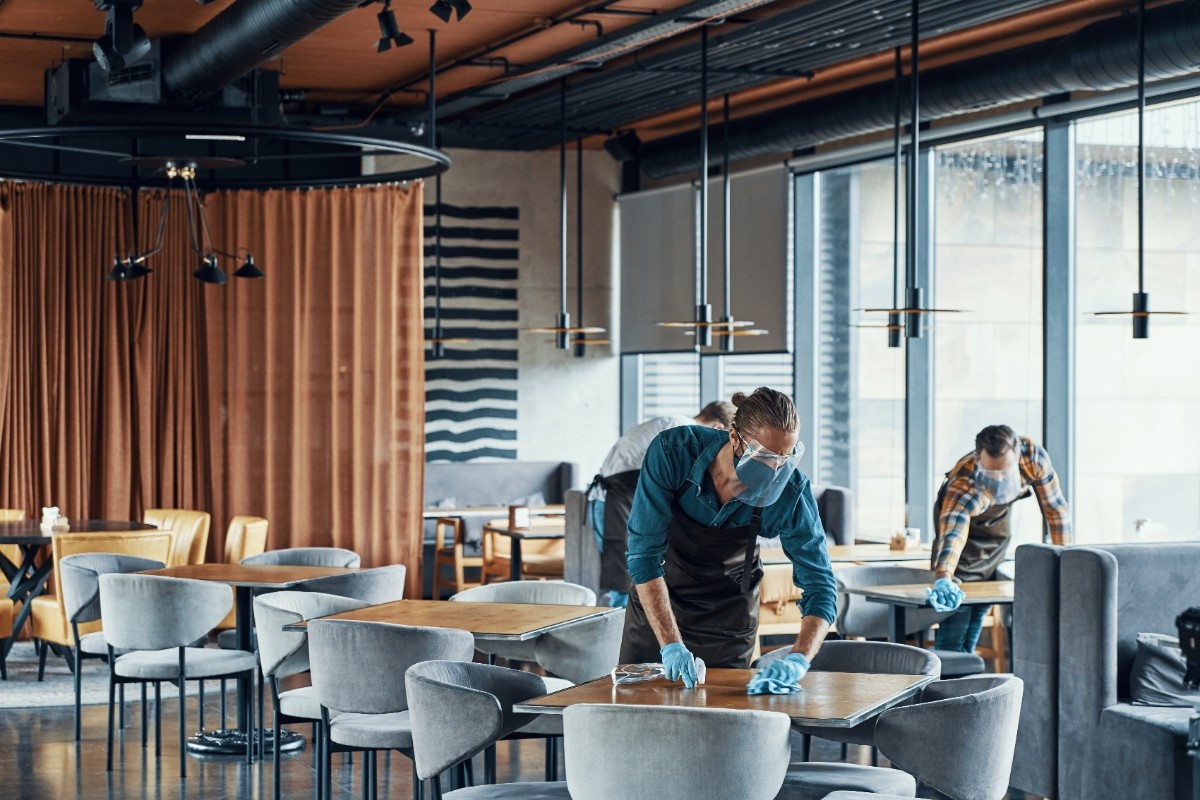
Front-of-house furniture also benefits from this schedule. Chair legs, booth corners, and under-table edges often go unnoticed until a customer points them out. A clean dining room isn’t just about the tops of tables—it’s every part of the seating experience.
Neglecting deep cleaning puts restaurants at risk during inspections and often results in negative reviews that could have been avoided.
Preventing Pest Problems Before They Start
Pests thrive where food debris and water are left unattended. Emptying trash promptly, storing dry goods in sealed containers, and keeping syrup bottles or sugar dispensers clean cuts down on attraction points. Checking entryways for gaps and sealing them reduces access for rodents and insects.
Partnering with a pest control service can help identify trouble spots early. Documentation from these visits is useful during inspections and shows a proactive approach to health compliance.
Prevention costs far less than remediation after a pest infestation damages your reputation.
Staying Inspection-Ready at All Times
Restaurants that consistently maintain cleanliness rarely scramble when health inspectors arrive. Keeping a visible cleaning checklist where staff can initial completed tasks promotes accountability. This record also reveals patterns, like certain areas that often get skipped, so they can be addressed before they become violations.
Conducting self-inspections helps maintain standards. Walking the floor with a fresh perspective—checking under prep tables, inside storage rooms, and behind appliances—can reveal issues before they turn into citations.
Health inspection scores have a direct impact on customer trust and online visibility, so staying inspection-ready is also a marketing advantage.
Responding to Spills and Breakages
Broken glass or spilled liquids create immediate hazards. Quick, organized cleanup prevents accidents and shows guests that safety is taken seriously. Keeping spill kits, absorbent powder, and visible wet floor signs near high-traffic areas allows for a faster response.
Communication is essential here. Staff should alert others the moment a spill occurs so the area can be secured until it’s safe again.
An efficient response protects both customers and employees while reinforcing the restaurant’s professionalism.
Cleanliness as an Unspoken Selling Point
A spotless restaurant encourages guests to relax and enjoy the meal. Shining silverware, smudge-free glassware, and polished floors speak volumes without the need for verbal emphasis. This cleanliness often ends up in online reviews, influencing future customers before they even walk in the door.
Attention to detail—wiping condiment bottles, keeping menus free of stains, and brushing crumbs from chairs—signals care and professionalism. Small touches create lasting impressions.
In today’s review-driven dining culture, cleanliness is a silent but powerful form of advertising.
Maintaining Standards During High Pressure
The dinner rush is where discipline is tested. A kitchen that can keep prep areas clean during peak hours avoids costly mistakes and prevents contamination risks. This depends on preparation: keeping cleaning supplies within reach, assigning roles for quick wipes, and building micro-cleaning habits into service routines.
Servers can help maintain front-of-house order by discreetly removing used items, resetting tables promptly, and wiping surfaces before seating new guests. These efforts keep the dining room looking consistent throughout the night.
Cleanliness under pressure is often what separates high-performing restaurants from those that struggle to retain customers.
Building a Culture of Clean
Cleanliness is most effective when it’s not just a checklist but part of the restaurant’s identity. Leadership sets the tone—when owners and managers model attention to detail, staff are more likely to follow. Public recognition for staff who consistently go above expectations reinforces the behavior.
This culture reduces turnover of cleaning habits when new employees join, because they step into an environment where these standards are simply the way things are done.
When cleanliness becomes part of the brand, it builds trust with both employees and guests.
Final Thoughts
A restaurant with spotless restrooms, gleaming glassware, and fresh-smelling air doesn’t just pass inspections—it builds trust with every customer who walks in. At National Facility Contractors, we help restaurants implement cleaning protocols and deep-cleaning programs that protect against inspection failures, improve guest satisfaction, and safeguard your reputation.
Cleanliness touches every part of the business, from food safety to staff morale, and it shows in the dining experience. Maintaining it requires commitment, but the payoff is visible in repeat visits, positive reviews, and a reputation for excellence.