Severe weather events such as hurricanes, tornadoes, thunderstorms, and high winds can cause extensive damage to homes and commercial properties. Immediate response after storm damage often makes a significant difference in preventing further loss. When professional restoration teams are not yet on site, property owners must take strategic, safety‑oriented actions to stabilize conditions. This blog post outlines essential steps for emergency storm damage restoration, emphasizing how to secure your property while waiting for help.
Assessing Safety Before Taking Action
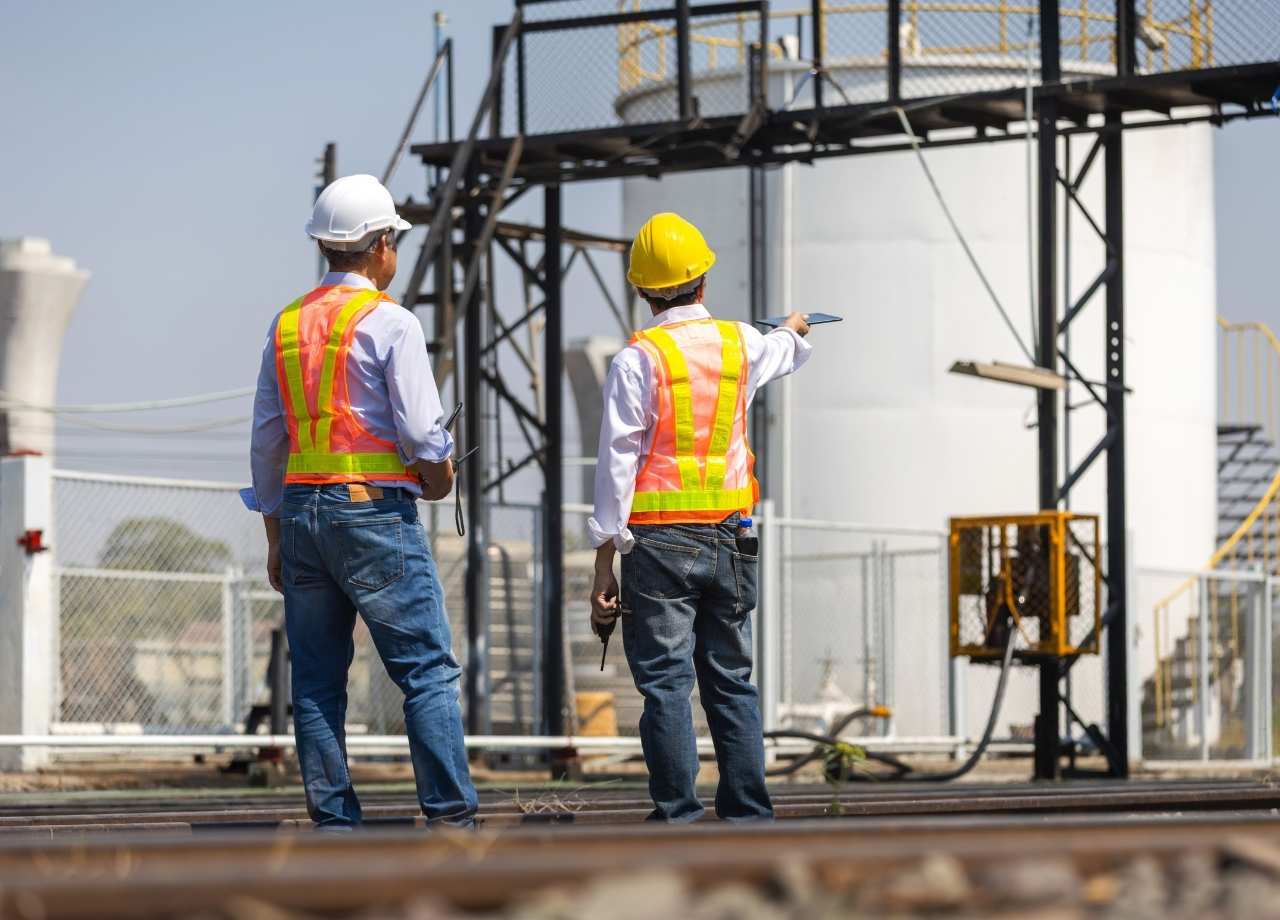
Prioritizing human safety must always take precedence after storm damage. Structural instability, downed power lines, gas leaks, and sharp debris are common hazards after severe weather. Begin by surveying the property from a safe distance. Walk around the exterior to identify obvious damage, such as collapsed roofs, missing siding, broken windows, and fallen trees.
Avoid entering buildings that appear compromised. Flooring may be unstable, walls might have shifted, and ceilings could collapse without warning. Any sign of structural tilt or sagging suggests danger. Do not attempt to make repairs or enter damaged areas until a professional has confirmed it is safe.
Turn off utilities if safe to do so. Shutting off electricity can reduce the risk of fire or shock from damaged wiring. If you smell gas or suspect a leak, evacuate immediately and contact your utility provider or emergency services. Leaving utilities on in damaged structures can cause additional hazards.
Documenting Damage for Insurance Purposes
Accurate documentation of storm damage is critical for insurance claims. Begin by taking clear photographs and videos of all affected areas before moving or removing any debris. Focus on roofs, walls, windows, doors, HVAC units, and landscaping features. Capture multiple angles of each damaged area to build a compelling record.
Write detailed notes describing observed damage, including when it was noticed and any suspected cause. Save all receipts and records associated with emergency purchases, such as tarps, plywood, or temporary fencing. Insurance adjusters depend on thorough documentation to assess claims fairly, and early preparation helps expedite the process.
Avoid discarding damaged items until they have been reviewed by your insurer, unless doing so creates a safety risk. This documentation serves as evidence for your claim and protects against disputes over the extent of loss.
Temporary Weatherproofing to Prevent Further Damage
Storm damage restoration includes minimizing additional exposure to the elements. Water intrusion poses a severe threat to structural materials, finishes, and personal belongings. Wind and rain can accelerate deterioration of exposed areas. Temporary weatherproofing stabilizes the property and limits further harm.
Cover openings such as broken windows or roof damage with durable materials. Heavy‑duty plastic sheeting combined with plywood creates a protective barrier against rainfall and wind. Secure tarps tightly using nails or screws where appropriate. Ensure coverings do not flap or loosen in residual winds, as loose materials can cause further harm.
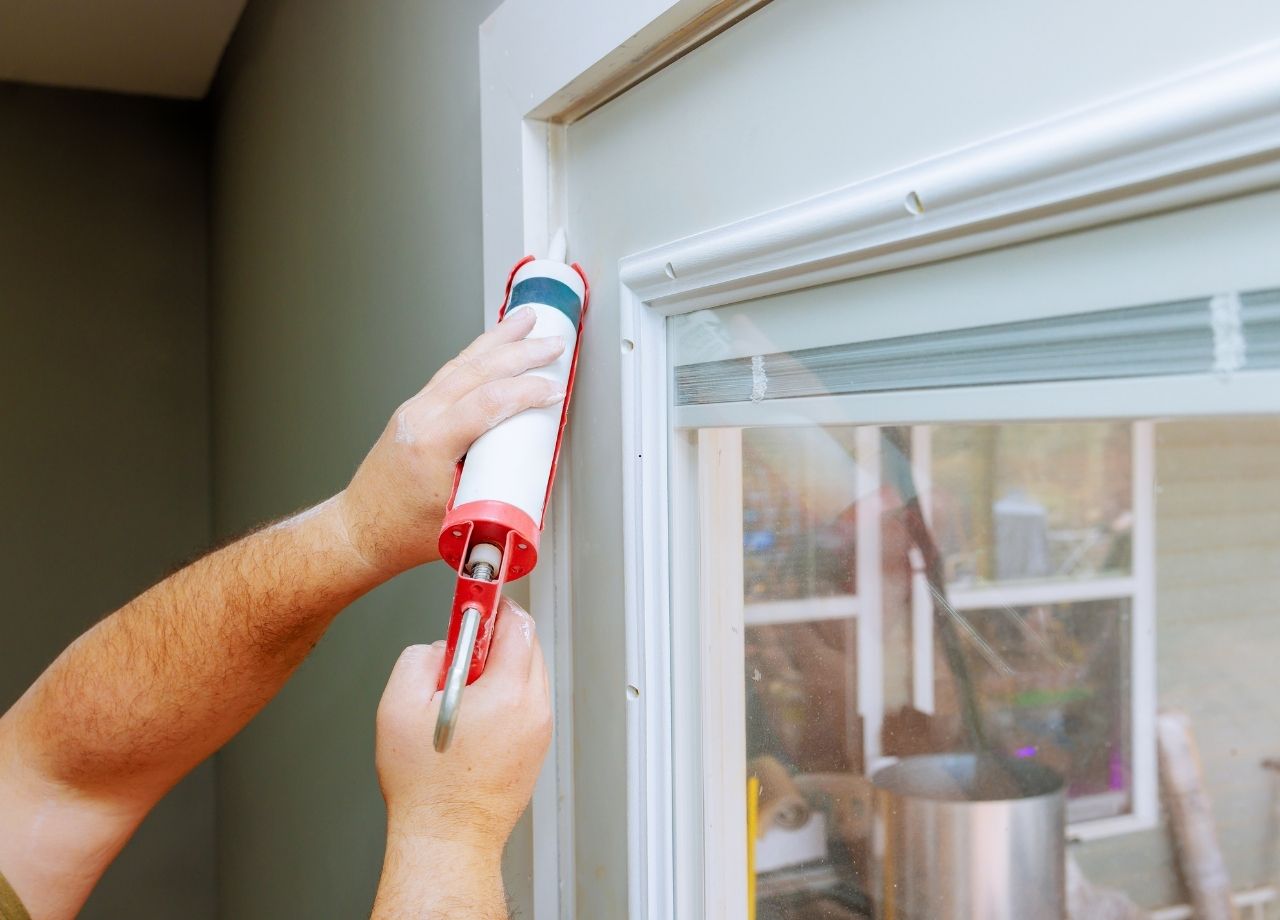
Seal minor gaps around doors or windows with weatherproof tape or caulking if available. These temporary measures reduce drafts, moisture entry, and pest intrusion. Do not waste time on cosmetic fixes; prioritize actions that maintain structural integrity and prevent environmental damage.
Managing Water Intrusion and Moisture Control
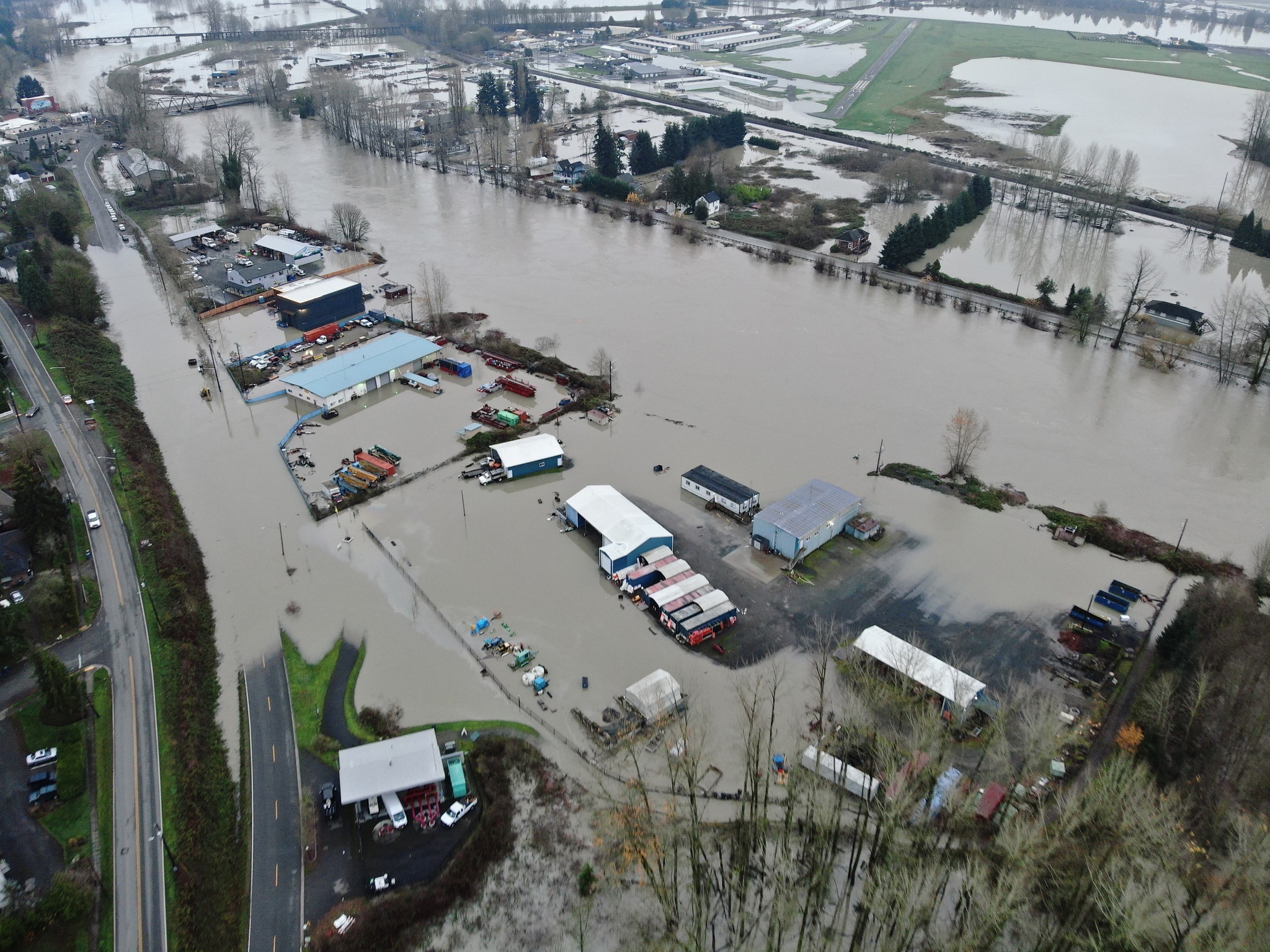
Water penetrating the interior of a building accelerates damage to drywall, insulation, wood framing, and electrical systems. Moisture control is essential while waiting for professional restoration. Remove standing water promptly using buckets, mops, or wet/dry vacuums if safe to use. Standing water can lead to mold growth within 24 to 48 hours.
Open doors and windows when weather permits to promote air circulation. Position fans to push moist air out of the building, not just recirculate it. Dehumidifiers help lower indoor humidity levels, especially in enclosed spaces. Electrical equipment should only be used in dry, safe areas and never in standing water.
If water has soaked into carpeting or padding, lift edges to facilitate drying and prevent mold. Dispose of materials that cannot be adequately dried or pose health risks, such as saturated insulation. Black mold growth poses serious health concerns and complicates restoration when left unaddressed.
Securing Structural Elements
Major structural breaches require immediate attention to protect the property. Roof damage is one of the most common issues after severe storms. Loose or missing shingles, exposed rafters, or punctured roofing membranes leave the building vulnerable. Place a tarp over holes or compromised sections, ensuring it extends past the damaged area to channel water away.
Covering roof damage can reduce interior water damage until crews arrive. Place heavy boards or sandbags along the edges of tarps to hold them securely. Avoid climbing on a damaged roof without proper safety training and equipment. Professional roofers are best equipped to handle hazardous elevated repairs.
Door and window frames that have been partially dislodged should be reinforced. Use boards or metal braces to stabilize door frames to prevent collapse or shifting. For broken windows, secure window openings with plywood cut to size. Ensure fasteners penetrate studs or solid framing members to hold boards in place against wind pressure.
Protecting Personal Property Inside the Building
Interior contents often suffer secondary damage due to exposure to water, dust, and wind. Prioritize moving valuable or sentimental items to higher, dryer locations. Elevate furniture off the floor using blocks or pallets to reduce water contact. Place electronics, documents, textiles, and other sensitive possessions above potential water lines.
Store items in watertight containers if available. Plastic bins with lids offer better protection than cardboard boxes. Do not group wet and dry items together. Identify salvageable items and segregate those requiring professional cleaning or restoration.
Use plastic sheeting or covers over belongings to protect them from dust and falling debris if the building envelope is compromised. Avoid using regular cloth covers that absorb moisture and can become breeding grounds for mildew.
Boarding Up and Fencing for Security
Storm damage can make properties more vulnerable to unauthorized access, theft, and vandalism. Boarding up openings such as broken doors and shattered windows enhances security. Use exterior‑grade plywood that is at least 3/4 inch thick. Secure boards with heavy‑duty screws into solid framing members.
Erect temporary fencing around the perimeter of severely damaged properties. Chain‑link fencing with privacy screens discourages entry and unauthorized activity. Designate clear signage indicating restricted access or ongoing restoration work. This visual deterrent can also help protect first responders and restoration professionals working on the site.
Lighting around the property helps discourage intruders. Install battery‑powered or solar lights at entrances and critical points. Motion‑activated lighting improves security without increasing energy costs or requiring complex installation.
Communicating With Restoration and Insurance Providers
While managing emergency stabilization, it is essential to communicate promptly with your restoration company and insurance provider. Contact emergency restoration teams as soon as possible to schedule assessment and repair. Provide clear descriptions of damage and photographs collected during your initial inspection.
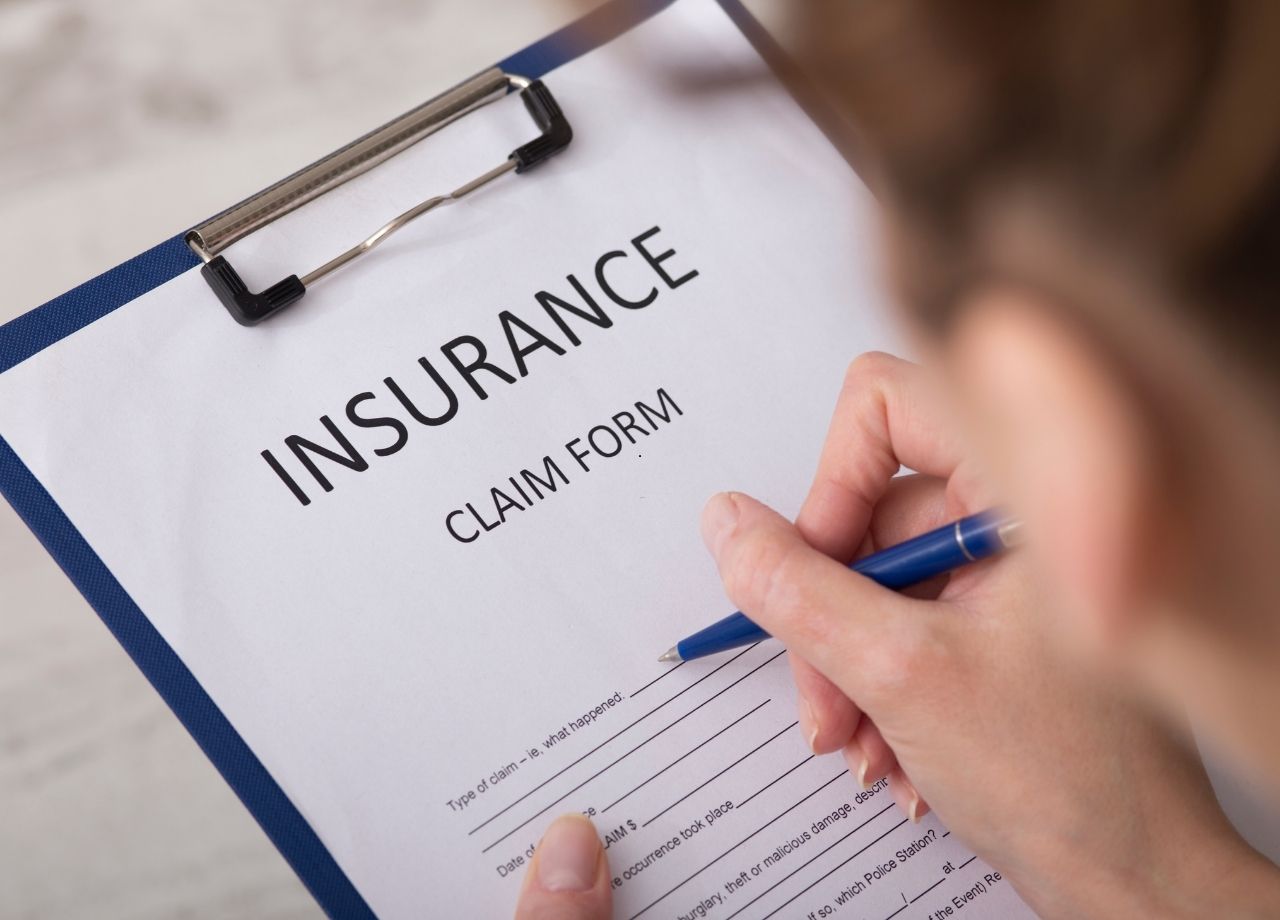
Your insurance company must be informed of the loss immediately. Most policies require prompt notification after significant damage. Provide documented evidence, claims forms, and any requested information to speed up the approval process. Ask the insurer about coverage for emergency repairs and temporary stabilization efforts. Document all conversations, including dates, times, and names of representatives you speak with.
Request confirmation of claim submission and next steps. Understanding the timeline helps you manage expectations and coordinate with restoration professionals effectively.
Handling Hazardous Materials Carefully
Storm aftermath often brings hazardous conditions. Damaged electrical systems, exposed nails, broken glass, chemical spills, and contaminated floodwater pose serious risks. Do not attempt to handle hazardous materials without proper protective gear and training.
Wear heavy gloves, sturdy boots, eye protection, and long sleeves when working around debris. Avoid contact with floodwater, which may contain sewage, chemicals, or biological pathogens. Do not operate gas‑powered equipment indoors, as this produces carbon monoxide that can be lethal in enclosed spaces.
For situations involving asbestos, lead paint, or other regulated hazardous materials, stop work immediately. Contact licensed professionals trained in hazardous material handling. Protect family members, employees, and visitors by keeping them away from contaminated zones.
Planning for Professional Restoration Arrival
While waiting for professional restorers, prepare the property to facilitate their work. Clear safe access paths for crews and equipment. Move vehicles away from damaged areas to allow easy entry. Organize damaged debris near but not obstructing walkways or doors.
Identify high‑priority areas you want addressed first, such as roof breaches or flooded rooms. Communicate these preferences to the restoration team. Provide access details, alarm codes, and contact information so crews can begin work without delays.
Expect professionals to conduct a thorough assessment and then execute water extraction, drying, structural repairs, and permanent restoration. Trust their expertise when they recommend specific repair strategies. Your early stabilization efforts help them focus on long‑term solutions rather than urgent fixes.