Water intrusion can escalate from a minor issue to a major structural and health problem in a short amount of time. When buildings experience water damage—whether from burst pipes, roof leaks, flooding, or appliance failures—mold becomes a serious risk if not addressed immediately. Fast, professional water damage restoration is essential to protecting both the property and the people inside.
Understanding the Speed of Mold Growth
Mold spores are present in nearly every indoor environment. These microscopic organisms remain dormant until they encounter moisture. Once activated by water, they begin growing rapidly. Under the right conditions—warmth, humidity, organic material—mold colonies can form in as little as 24 to 48 hours.
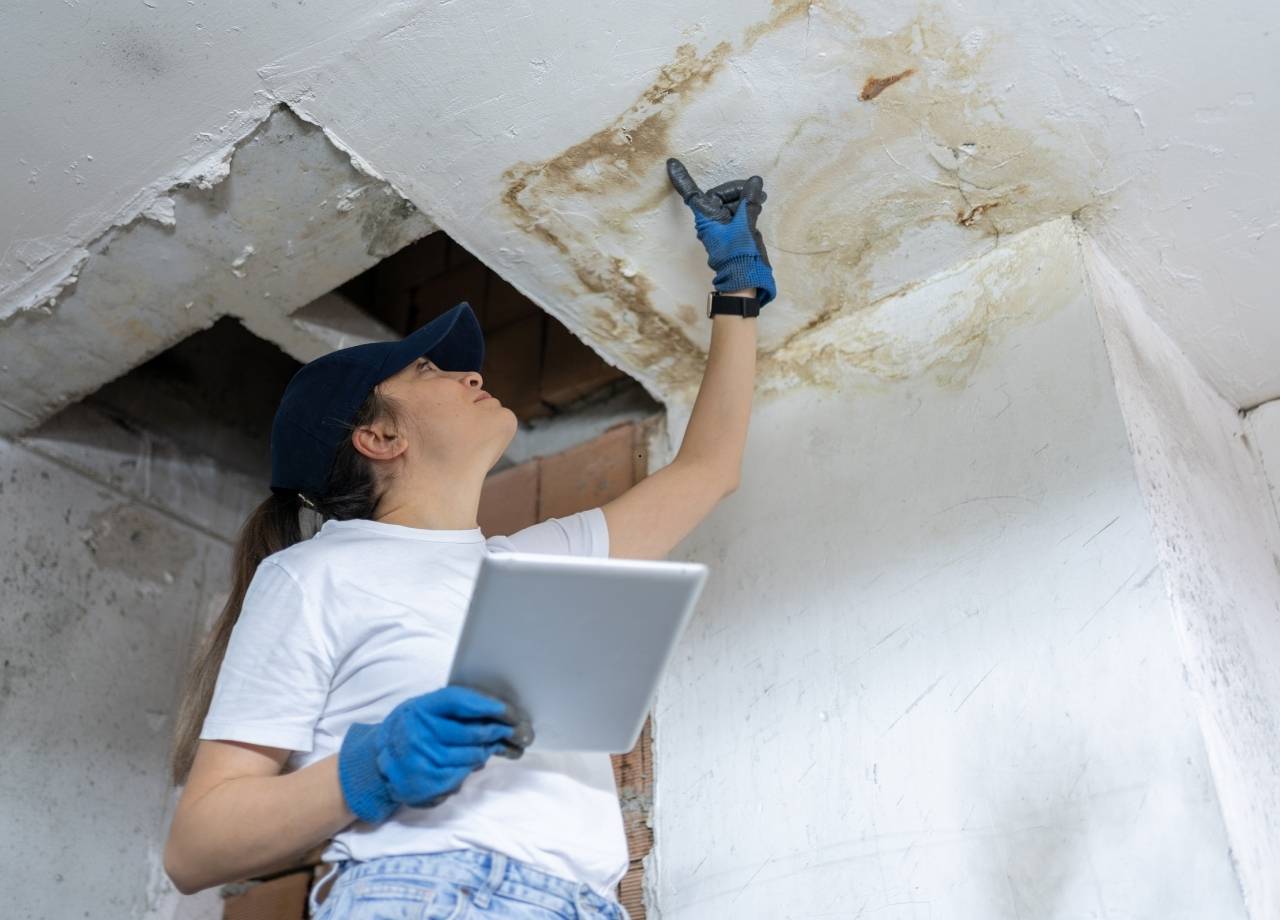
Walls, ceilings, insulation, flooring, and HVAC systems offer plenty of organic surfaces for mold to colonize. Carpeting, drywall, wood framing, and even dust provide nourishment. If moisture is not removed quickly and thoroughly, these areas become breeding grounds for mold. Growth begins behind walls or under floors where it often remains hidden until odors or health symptoms become apparent.
Delays in water damage restoration not only allow mold to develop but also allow it to spread. Mold expands via airborne spores, which move easily through ducts and ventilation systems. An isolated incident in one part of the building can quickly affect other rooms and levels.
Property Damage From Mold Infestation
Unchecked mold growth causes serious damage to building materials and finishes. Drywall crumbles. Wooden framing weakens. Paint peels. Adhesives and sealants break down. Insulation loses its effectiveness. Flooring warps and separates. Mold causes discoloration, staining, and persistent odors that are difficult to eliminate.
These outcomes increase restoration costs dramatically. Materials that might have been salvaged with fast water extraction often need to be completely removed and replaced once mold sets in. Walls may need to be torn out. Cabinets and trim may become unsalvageable. Flooring systems, particularly laminate or engineered wood, can suffer irreversible damage.
Mold remediation also requires specialized containment procedures to prevent cross-contamination. That means more labor, more protective equipment, and more disruption to the building occupants or business operations. Prolonged water exposure and mold make insurance claims more complex, potentially reducing coverage or delaying compensation.
Health Risks Associated With Mold
Beyond property damage, mold poses well-documented health risks. Not everyone reacts to mold exposure in the same way, but for many individuals, especially those with allergies, asthma, or weakened immune systems, mold triggers a range of symptoms.
Short-term exposure can cause:
- Sneezing and nasal congestion
- Coughing and throat irritation
- Red, itchy eyes or skin
- Headaches and fatigue
Long-term or high-level exposure increases the risk of chronic respiratory conditions. Certain types of mold produce mycotoxins, which can lead to more severe reactions or infections in vulnerable individuals. Children, the elderly, and those with pre-existing medical conditions are especially susceptible.
Mold spores become airborne and recirculate throughout the building if not properly addressed. This contaminates HVAC systems and leads to recurring air quality problems. Mold remediation often requires duct cleaning, filter replacements, and air quality testing to ensure the environment is safe again.
Why Speed Matters in Water Damage Restoration?
Quick action limits moisture exposure, which in turn limits the opportunity for mold to develop. The first 24 hours after a water event are critical. Immediate water extraction reduces humidity levels, prevents saturation of porous materials, and creates an environment where mold cannot thrive.
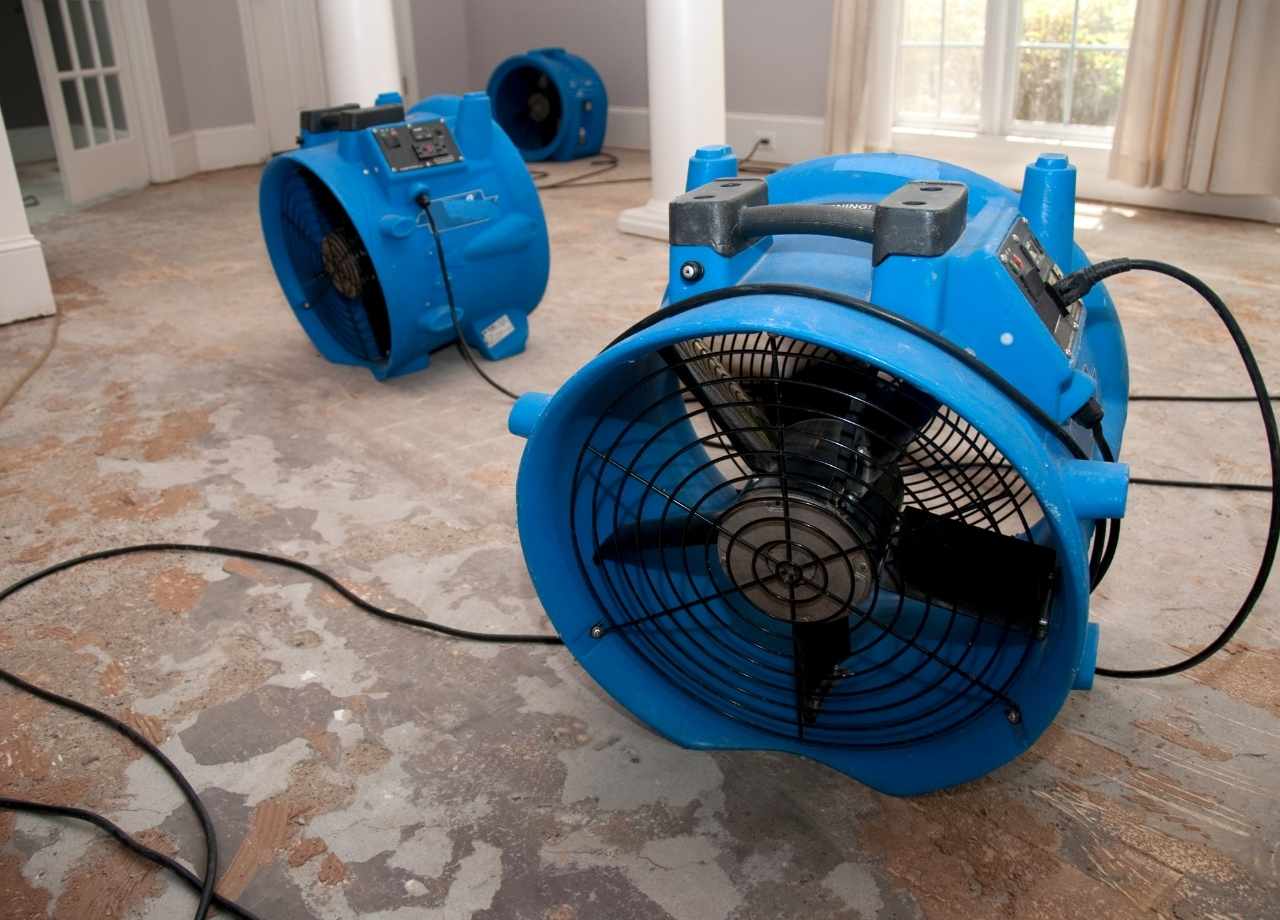
Professional restoration teams use industrial-grade equipment to extract standing water quickly. High-capacity fans, dehumidifiers, and moisture meters ensure the drying process reaches beneath surfaces and inside walls. These tools are far more effective than household fans or shop vacuums.
Speed also matters because time allows for compounding damage. Moisture wicks into drywall, subflooring, and framing the longer it sits. What begins as a clean water spill can become a contaminated situation as bacteria and mold take hold. Early intervention keeps more of the structure salvageable and shortens the time to full recovery.
Critical Steps in a Fast Response
Assessment
Professionals begin with a damage assessment to identify water source, category, and extent of intrusion. This determines the drying strategy and whether materials can be saved or need removal.
Water Extraction
Removing standing water is the top priority. Powerful extractors pull water from floors, carpeting, and affected surfaces.
Drying and Dehumidification
After water is removed, industrial fans and dehumidifiers reduce moisture in the air and building materials. Technicians monitor humidity levels to ensure complete drying.
Disinfection
Surfaces are cleaned with antimicrobial agents to kill bacteria and reduce the risk of mold spores taking hold.
Moisture Monitoring
Technicians use moisture sensors and infrared cameras to detect hidden moisture that could lead to mold. Restoration isn’t complete until readings confirm dryness throughout the structure.
Avoiding Common Mistakes That Lead to Mold
Property owners sometimes underestimate water damage or attempt DIY cleanup that falls short of full restoration. These missteps can lead to mold even after the visible water is gone:
- Using household fans instead of professional drying equipment
- Leaving wet carpet or padding in place
- Not checking behind walls, under floors, or inside cabinets
- Waiting days before starting cleanup
- Assuming surfaces that feel dry are moisture-free internally
Even small leaks can create major mold problems if ignored. Hidden sources, like slow pipe leaks or seepage behind tile, often go unnoticed until mold reveals itself. That’s why moisture detection tools are essential and professional inspections provide peace of mind.
Protecting HVAC Systems From Mold Spread
Heating and cooling systems often serve as mold distribution networks after a water event. Spores that enter ducts travel throughout the building, landing on vents, filters, and room surfaces. Duct cleaning and filter replacement are essential parts of mold prevention following water intrusion.
Restoration teams often isolate HVAC systems during the drying phase to avoid contamination. Plastic sheeting, negative air machines, and HEPA filtration help contain mold spores and protect clean areas of the building.
Insurance Considerations
Most commercial and homeowner insurance policies cover water damage from sudden and accidental sources, such as broken pipes or appliance failures. Delayed action can complicate claims. Insurance providers expect policyholders to mitigate damage and act quickly. If mold develops due to inaction, coverage may be denied or limited.
Quick response improves documentation and increases the likelihood of full reimbursement. Restoration companies often work directly with insurance adjusters to provide evidence of damage, steps taken, and the need for rapid intervention.
Long-Term Value of Preventing Mold
Fast water damage restoration protects property value. Buildings with a mold history may face disclosure issues during resale, reduced appraisal values, or buyer hesitation. Lenders and insurers often scrutinize properties with previous water damage more closely.
For commercial properties, unresolved mold and water damage affect tenant satisfaction, lease renewals, and operating income. Preventing mold through immediate response helps maintain healthy occupancy and operational continuity.