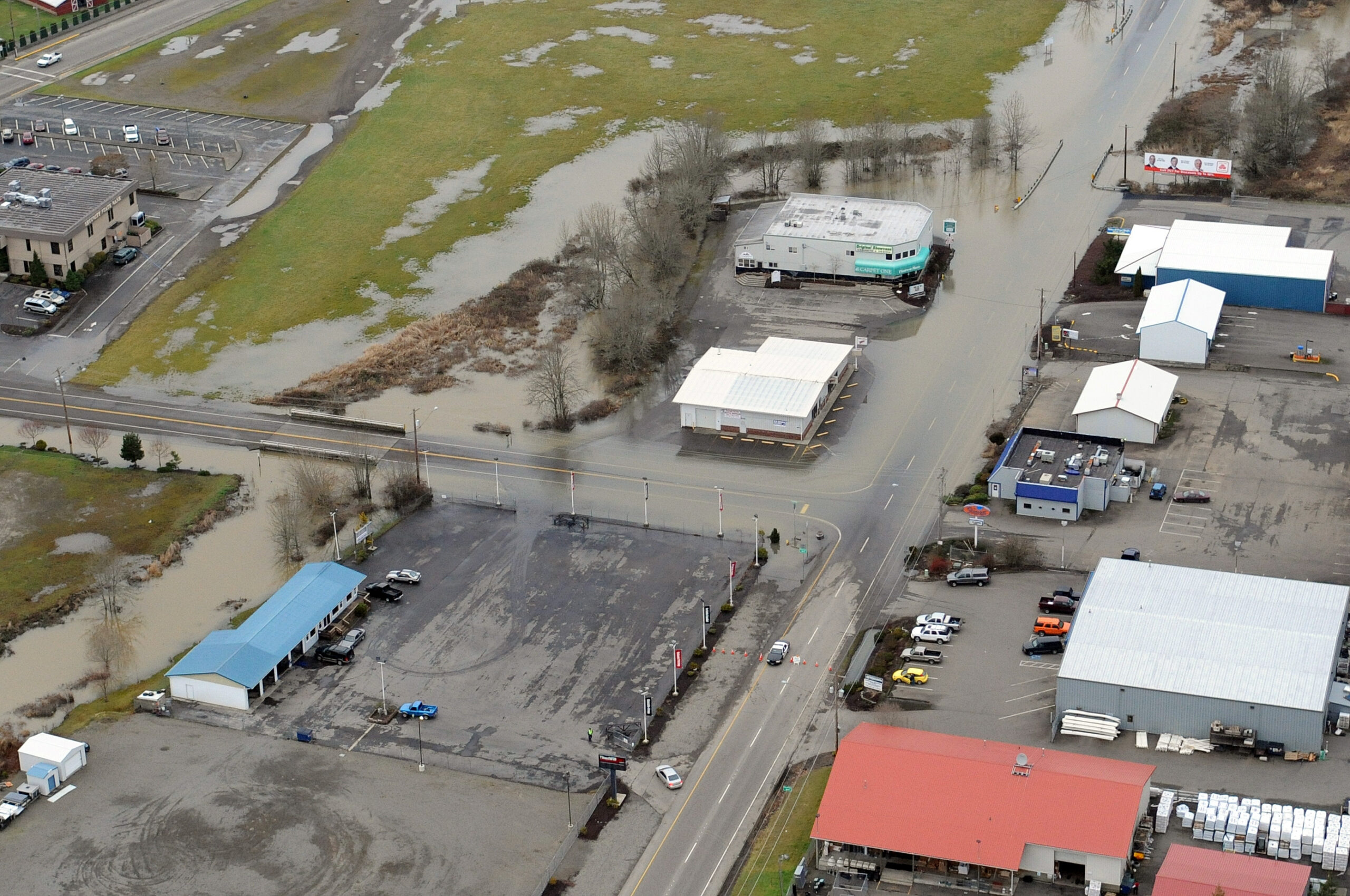
Severe storms can strike without warning, leaving commercial buildings exposed to wind, rain, debris, and electrical disruptions. Facility managers play a critical role in the hours immediately following storm damage. Quick, organized action limits liability, protects tenants or employees, and preserves the structural integrity of the property.
Knowing what to do first makes a difference in how quickly recovery begins. While every storm is different, facility managers benefit from a consistent approach that prioritizes safety, documentation, and coordination with emergency response teams. These five immediate steps guide effective action after a storm impacts your commercial facility.
1. Conduct a Safe, Preliminary Assessment
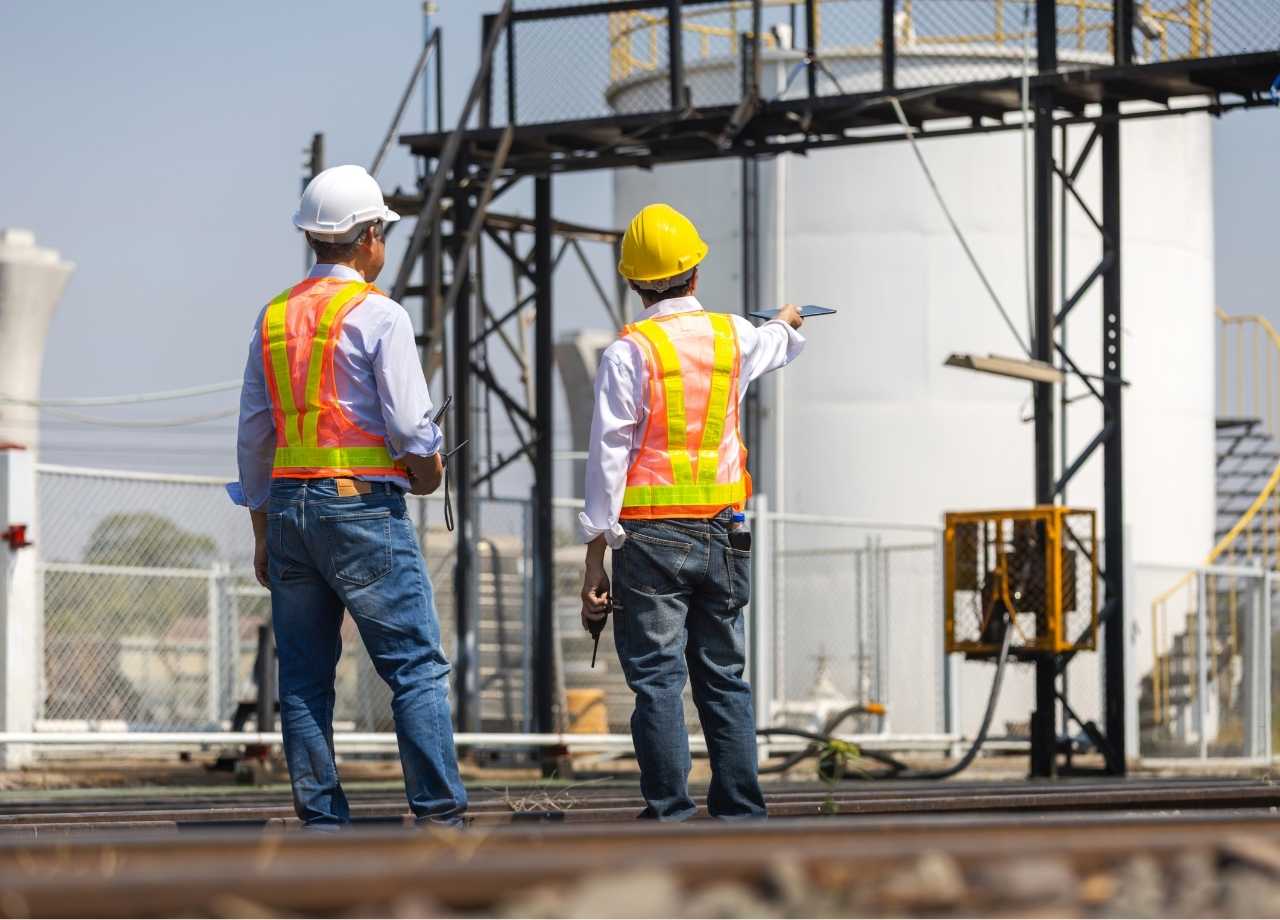
Safety takes priority before anything else. Avoid sending staff or maintenance teams into the building until you’re confident it’s structurally sound. Start with an external walk-around of the facility, paying close attention to hazards like fallen power lines, broken glass, hanging debris, and partially collapsed roofing. Visual checks help determine whether conditions are safe enough to approach.
If the storm compromised electrical systems, structural supports, or gas lines, wait for emergency services or utility companies to arrive. Buildings with visible sagging walls, standing water near outlets, or damaged fire suppression systems should remain off-limits until cleared.
Once the area is safe, inspect major access points—main entrances, stairwells, service bays—and secure them if needed. This limits the risk of unauthorized entry or injury until restoration crews are on-site. Emergency lighting, signage, and restricted access zones should be deployed quickly if available.
2. Document All Visible Damage
Thorough documentation supports your insurance claim, tracks the scope of damage, and helps guide repair decisions. Use mobile phones or tablets to take clear photos and videos of affected areas, inside and out. Capture roof damage, broken windows, water intrusion points, equipment exposure, and damage to landscaping or signage.
Include timestamps and notes to provide context for what you’re capturing. Focus on high-value areas first—electrical rooms, mechanical systems, tenant suites, inventory storage, and lobby areas. This helps adjusters understand the impact of the storm and supports reimbursement for emergency services or business interruption coverage.
Avoid cleaning up or discarding any damaged items until they’ve been reviewed by your insurance provider, unless safety is a concern. A written inventory of damaged contents, supported by receipts or serial numbers if available, further strengthens your claim.
3. Communicate with Key Stakeholders
Facility managers serve as the central point of contact during a storm-related emergency. Once an initial safety check and documentation are complete, begin notifying stakeholders. Start with property owners or senior leadership, followed by tenants, staff, and vendors.
Clear, calm communication helps reduce panic and confusion. Share only verified details, such as the scope of visible damage, current access restrictions, and estimated timelines for assessment or repairs. If certain building zones remain functional, clarify which areas are safe and which remain under evaluation.
Next, contact your insurance carrier to initiate a claim. Many providers have a 24/7 claims line for storm-related emergencies. Provide documentation, describe immediate threats, and ask what emergency services are covered. Also, reach out to your contracted restoration provider. Established partnerships often include priority response agreements that fast-track cleanup and stabilization.
4. Stabilize the Property to Prevent Further Damage
Time is critical after the storm passes. Moisture and wind exposure continue to cause damage long after the rain stops. Begin temporary mitigation efforts where safe to do so. Cover roof punctures or blown-off panels with tarps. Board up shattered windows and glass doors. Block off interior leaks using buckets, towels, or absorbent pads.
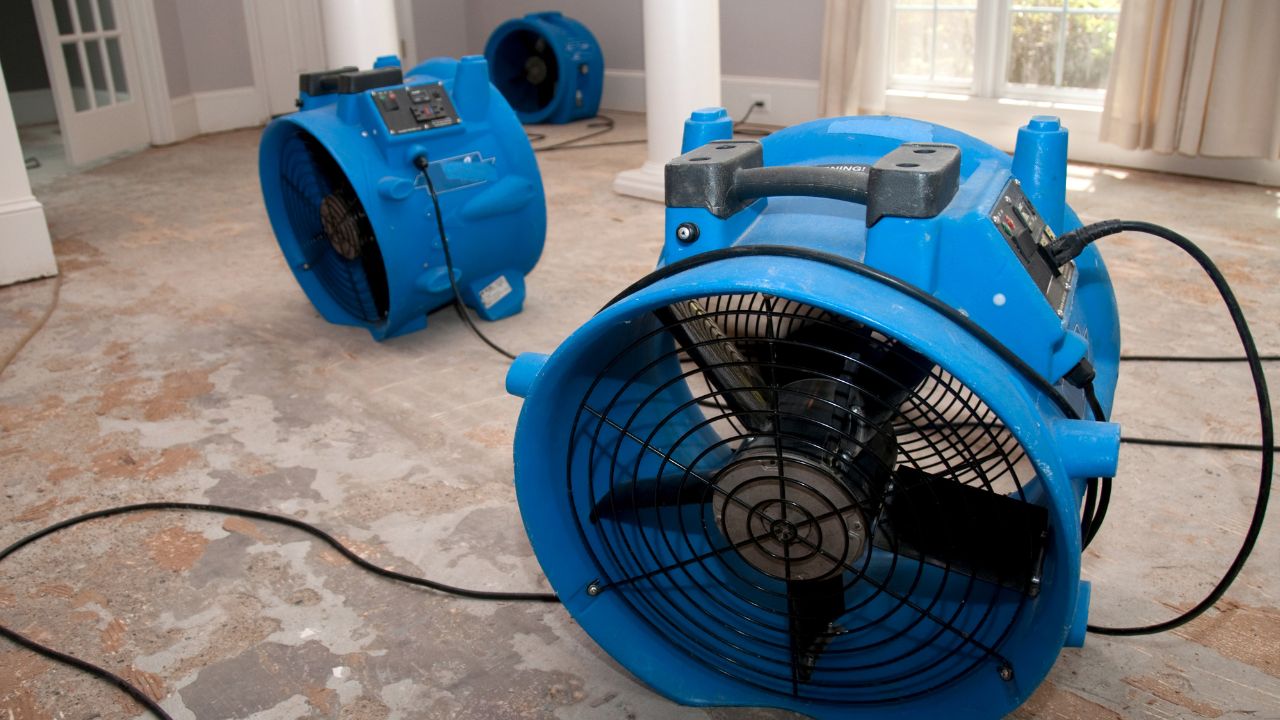
If water intrusion is active, start removing standing water from lobbies, mechanical rooms, or corridors using pumps or wet vacuums. Place fans and dehumidifiers in high-risk areas to slow mold development. Buildings with fire sprinkler activation or broken piping need immediate shutoff and drainage.
HVAC systems, electrical rooms, and elevators should remain powered down until inspected. Water-damaged equipment can short-circuit or present safety hazards. Notify service vendors for emergency inspection and restoration as part of the recovery process.
Temporary lighting, generators, and mobile fencing may be needed for overnight stabilization or to prevent access while crews work. Document all emergency expenses, including materials purchased or services hired, as part of your claim.
5. Prepare for Restoration and Ongoing Coordination
Once the property is stabilized, begin preparing for the transition into full restoration. Restoration teams need space, access, and information. Provide floor plans, system manuals, and documentation of known utility shutoffs or sensitive areas. Clearing access roads, parking lots, and loading zones ensures that response vehicles can reach affected parts of the building.
Work closely with the restoration contractor to set priorities. Areas essential to building operations, tenant spaces, and mission-critical infrastructure should be first in line for cleanup and repair. If the damage is extensive, you may need to arrange temporary relocation or services to maintain operational continuity.
During this time, maintain ongoing updates with stakeholders. Let tenants and staff know when work will begin, how long certain areas may be restricted, and what to expect in terms of noise, dust, or safety measures. Good communication builds trust and eases tension throughout the recovery process.
Also, prepare internal reports for leadership, documenting response actions, budget impacts, and future risk mitigation opportunities. Facility managers often play a role in post-storm analysis, helping shape preventive strategies for future events.
Storm damage doesn’t just disrupt operations—it tests your response plan, communication structure, and vendor readiness. Facility managers who act quickly and methodically during the first few hours after a storm protect more than property—they preserve safety, reduce downtime, and lead the path to recovery. The five steps outlined here provide a clear, repeatable framework to respond effectively and maintain control when conditions are at their worst.