Flooding inside a commercial or multi-use facility creates an urgent need for professional response. Water damage affects not only the structure but also operations, safety, and long-term costs. Facility managers often encounter two terms used in recovery services—water mitigation and water remediation. Though sometimes used interchangeably, these processes involve different goals and methods. Knowing the distinction helps you choose the right services and act quickly after a water event.
Defining Water Mitigation
Water mitigation refers to the immediate steps taken to reduce or stop the spread of water and limit the extent of damage. This phase begins as soon as water intrusion is discovered. The goal is to stabilize the property, control moisture, and prevent secondary issues like mold growth, rot, or electrical hazards.
Mitigation is not about repairing or restoring the building. It’s about containment and moisture control. By responding fast, mitigation teams help protect as much of the building and contents as possible before further damage sets in.
Common Water Mitigation Tasks
- Shutting off water sources to stop ongoing flooding
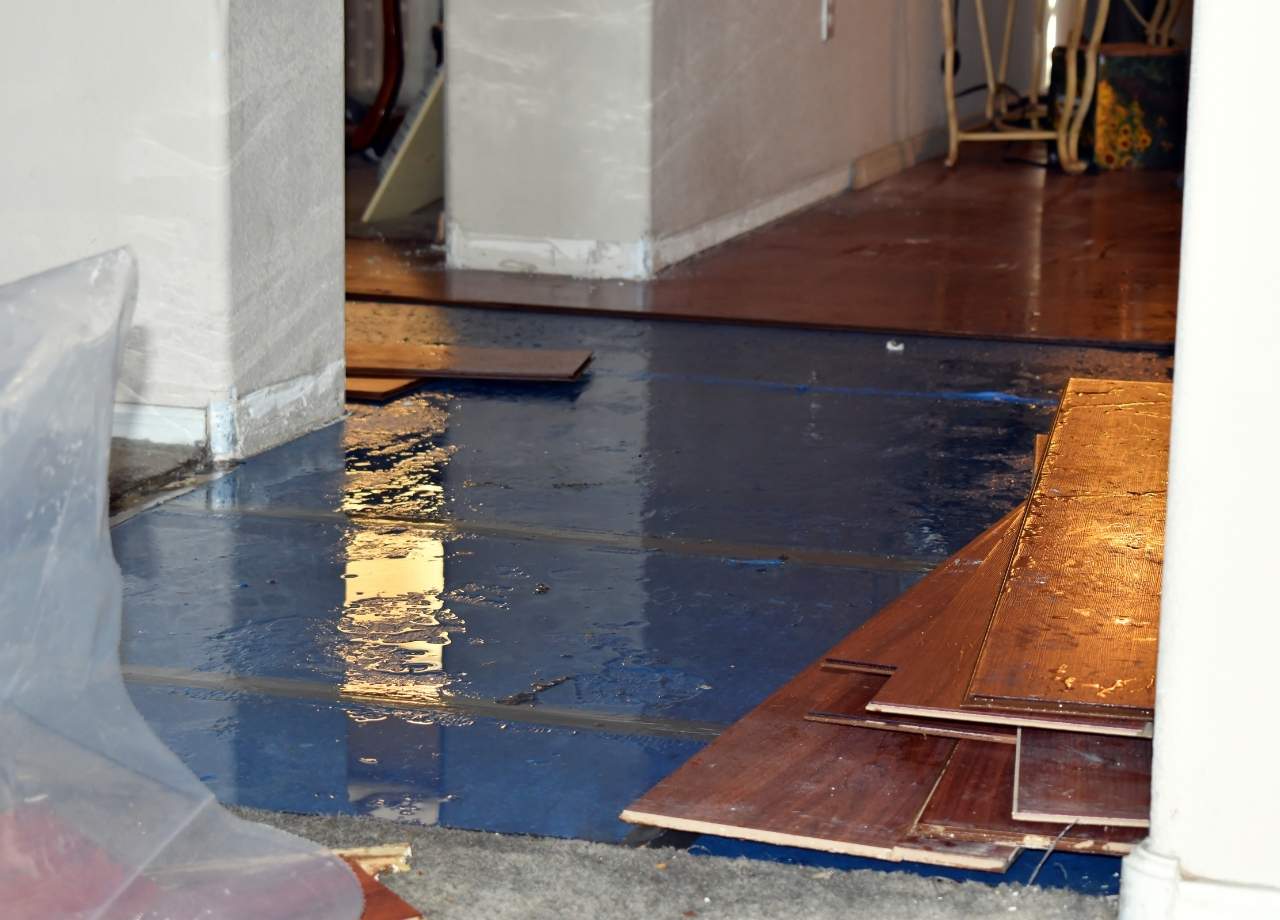
- Extracting standing water using commercial-grade pumps and vacuums
- Installing air movers and dehumidifiers to dry wet materials
- Removing unsalvageable items or materials like soaked drywall or carpet
- Setting up barriers to isolate damaged areas
- Using moisture meters and thermal imaging to detect hidden water
These actions help reduce the overall cost of the water damage event. The faster mitigation begins, the more materials can be saved and the lower the risk of microbial contamination.
What Water Remediation Involves
Water remediation focuses on cleaning, sanitizing, and restoring the property to a safe, usable condition after the initial water removal. This phase often includes mold removal, odor treatment, disinfection, and structural repairs. While mitigation is about stopping the damage, remediation is about repairing the aftermath.
Water remediation ensures that moisture issues don’t leave lasting health or structural problems. Professional remediation services are especially critical for facilities where compliance, air quality, and occupant safety are priorities.
Key Components of Remediation
- Removal of mold or mildew from walls, flooring, and HVAC systems
- Disinfecting surfaces to eliminate bacteria and pathogens
- Deodorizing rooms affected by water or sewage backups
- Repairing or replacing drywall, flooring, and ceiling materials
- Conducting indoor air quality testing after cleanup
- Restoring HVAC systems and electrical components
Remediation may also include rebuilding areas that were stripped during mitigation, such as replacing baseboards, repainting walls, or reinstalling carpet and cabinetry.
Why Facilities Need Both Services
Facilities impacted by flooding almost always require both mitigation and remediation. One without the other leaves the building at risk. A facility where mitigation occurs but remediation is skipped may dry out properly but still retain mold, contamination, or damage behind walls and under floors. Similarly, starting remediation without proper mitigation can lead to ineffective repairs, recurring problems, and increased long-term costs.

The two services often overlap in timing, with remediation beginning as soon as mitigation controls the moisture. A seamless handoff between the two phases avoids delays and supports faster re-occupancy.
Facility Types and Special Considerations
Different facility types bring unique challenges to water damage response:
- Medical and healthcare facilities must prioritize sanitation and air quality. Water remediation here includes HEPA filtration, infection control protocols, and post-remediation testing to meet regulatory standards.
- Educational buildings often contain large volumes of porous materials—textbooks, student furniture, carpeting—that require rapid drying or removal. Mold prevention is essential to avoid school closures.
- Hospitality properties like hotels and resorts depend on fast recovery to maintain guest satisfaction and revenue. Both mitigation and remediation must move quickly, with minimal disruption.
- Retail facilities face inventory losses, floor damage, and customer access issues. Coordinated restoration planning minimizes downtime and brand impact.
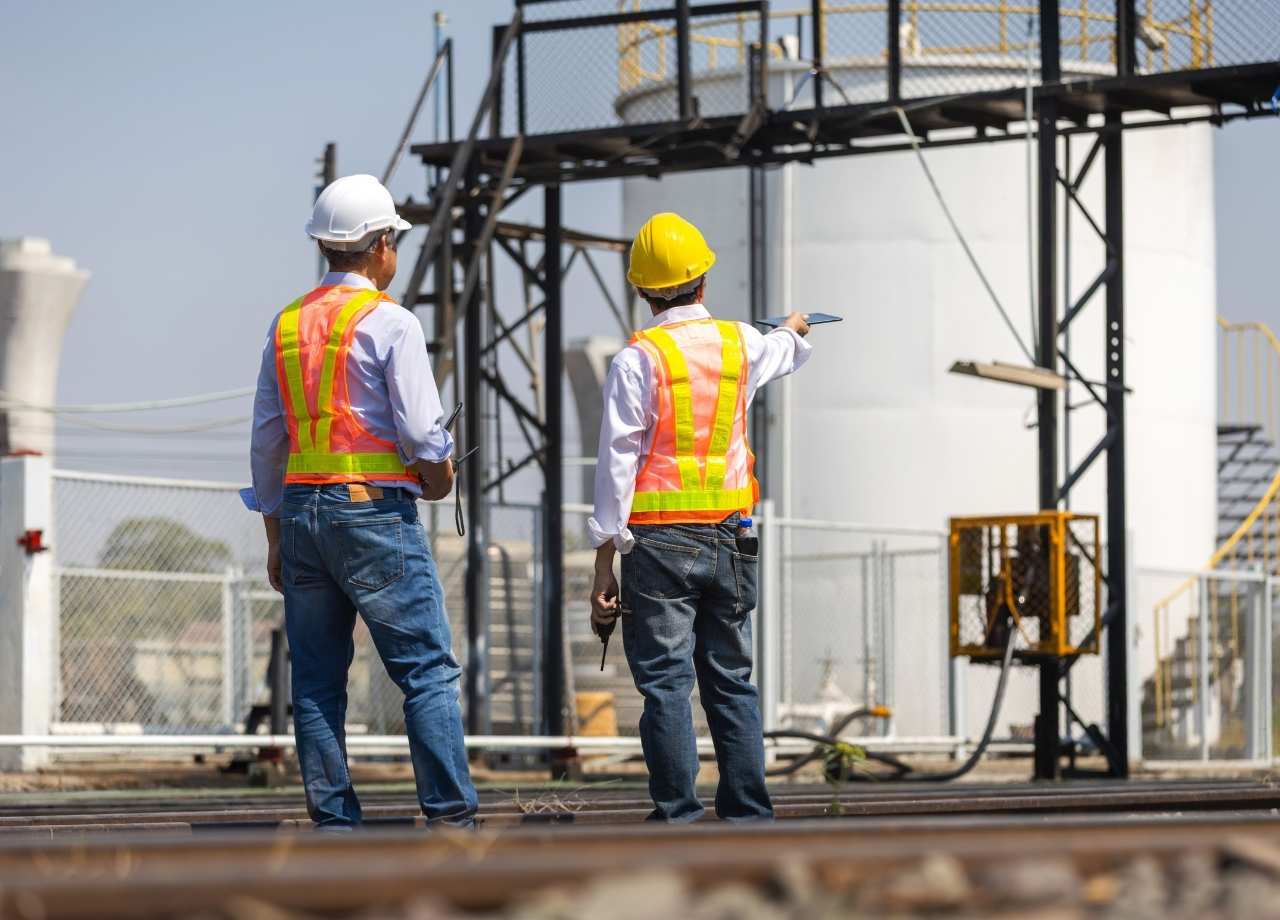
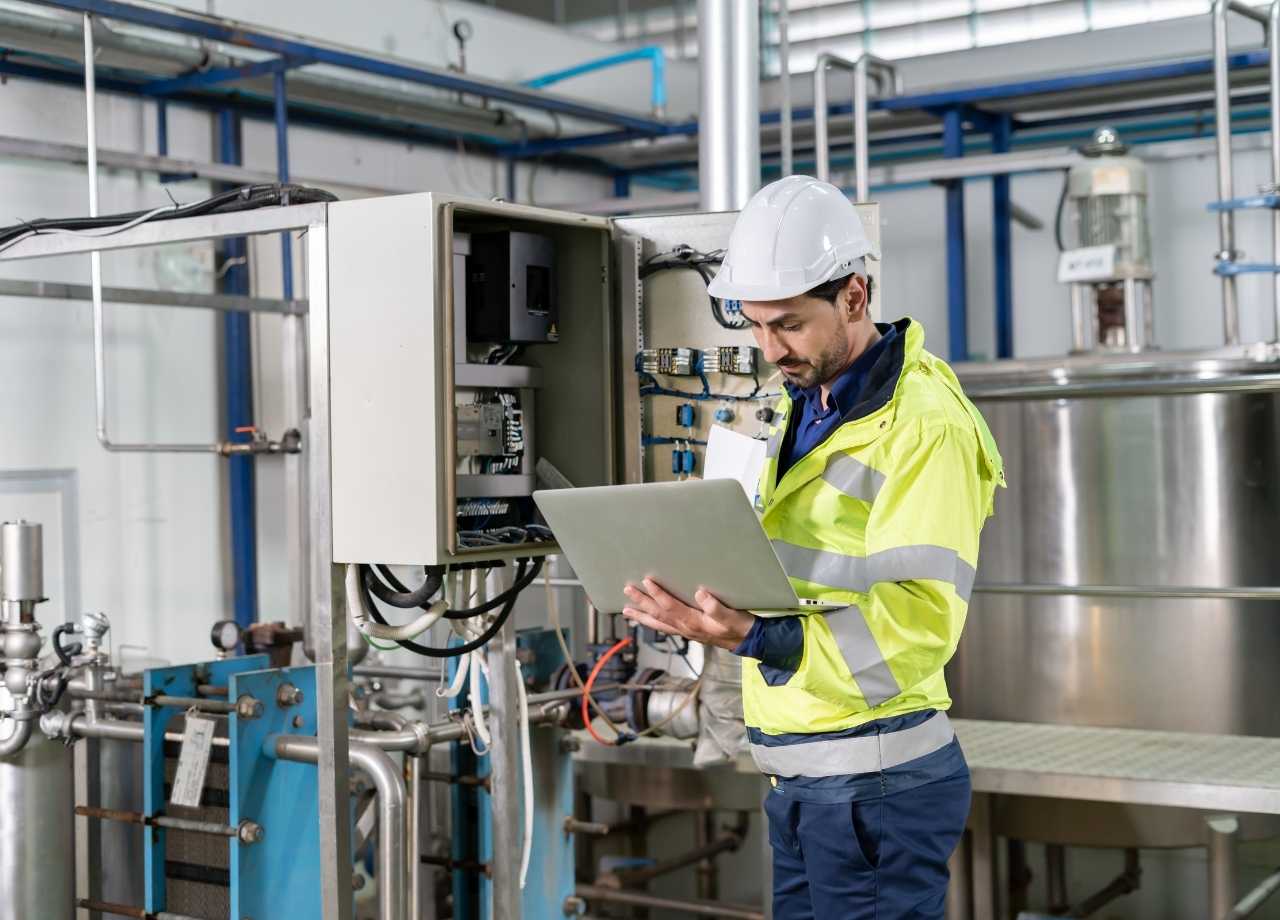
- Industrial buildings may contain chemicals, heavy equipment, or critical systems that require specialized remediation protocols.
Understanding how mitigation and remediation work together ensures the correct scope of service is applied for each facility type. Insurance carriers also expect clear documentation of both phases during claims processing.
When to Call in Professionals
Professional mitigation and remediation teams bring the tools, training, and speed needed to handle large-scale water damage. Attempting DIY drying or cleanup in commercial buildings leads to missed moisture, mold outbreaks, and even code violations.
Experienced contractors use industrial-grade drying systems, antimicrobial agents, and precision tools that far exceed consumer-grade solutions. They also understand how to work around occupants, coordinate with facility managers, and comply with health and safety regulations.
Early calls to professionals ensure mitigation begins within the critical 24- to 48-hour window, when mold growth can still be prevented. Restoration companies also help document losses for insurance claims and coordinate directly with adjusters.
Signs That Remediation Is Needed After Mitigation
Even if standing water has been removed and surfaces feel dry, signs that full remediation is still required include:
- Musty odors that persist after drying
- Warping or discoloration in wood, drywall, or flooring
- Mold spots appearing on walls or ceiling tiles
- High humidity levels in closed spaces
- Unexplained health complaints among occupants
- Stains, bubbling paint, or deteriorating finishes
These symptoms point to deeper moisture issues or microbial growth not addressed by basic mitigation alone.
Choosing the Right Restoration Partner
Choosing a qualified restoration partner with experience in both mitigation and remediation is critical. Look for licensed contractors with certifications in water damage restoration, mold remediation, and environmental cleanup. Make sure they can respond 24/7, provide transparent project timelines, and communicate clearly with insurance representatives.
Ask about previous experience with commercial or institutional buildings, particularly those similar to yours. Facilities with sensitive equipment, strict cleanliness standards, or large square footage require advanced planning and scalable teams.
Water mitigation and remediation serve different but equally important roles in flood recovery. One controls and limits damage, while the other ensures full cleanup and restoration. Facilities that suffer water intrusion need both to return to safe, functional operation.
Acting fast, knowing what services to request, and partnering with the right professionals help reduce downtime, control costs, and protect building integrity.