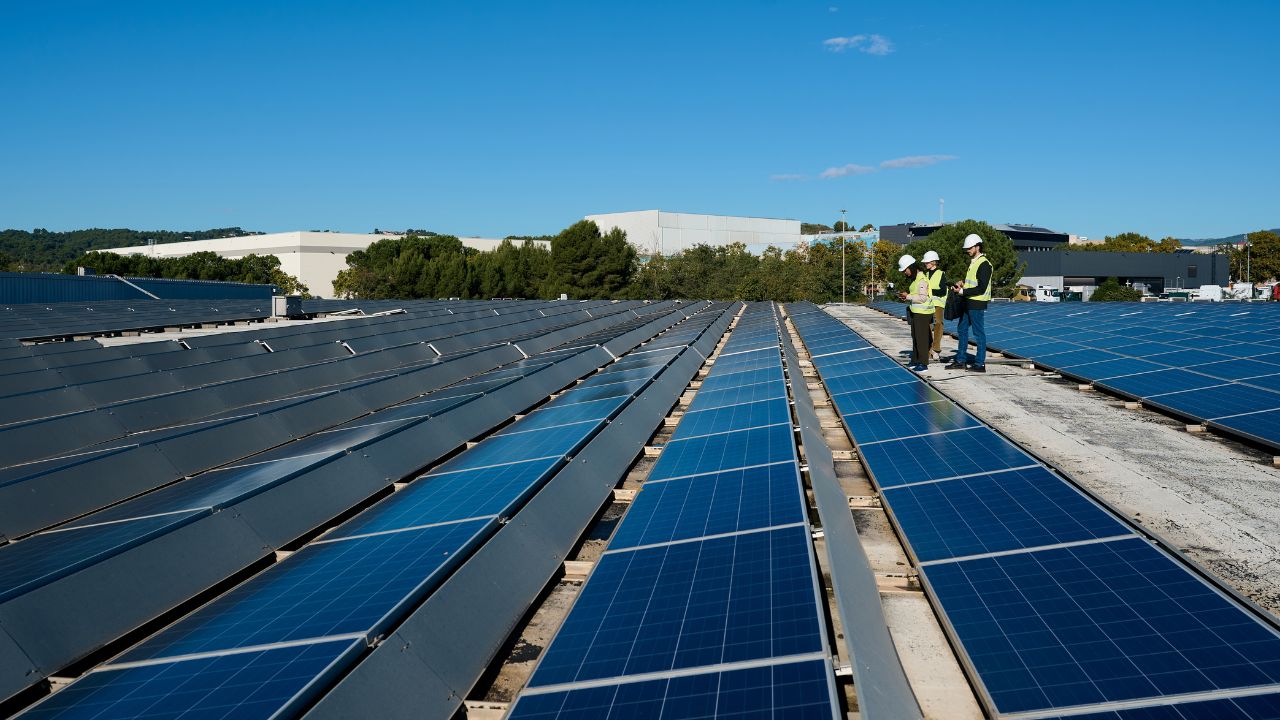
Most commercial roofs don’t fail because they’re old. They fail because small problems go unnoticed.
A loose seam, minor ponding water, a flashing detail pulling away from a curb. None of these seem urgent on their own. But left alone, they turn into leaks, insulation saturation, interior damage, and expensive emergency repairs.
Commercial roof inspection and maintenance is not just a preventive task. It’s a risk management strategy. For facility managers and property owners, the roof is one of the largest capital assets on the building. Protecting it properly extends its lifespan, reduces liability, and keeps operations uninterrupted.
Why Commercial Roofs Require Routine Attention
Unlike steep-slope residential roofs, most commercial buildings use low-slope or flat roofing systems. These include TPO, EPDM, PVC, modified bitumen, built-up roofing, and metal systems. Each has its own performance characteristics, but they all share one reality: they are exposed 24 hours a day to weather, temperature swings, and mechanical stress.
UV exposure breaks down membranes over time. Freeze-thaw cycles stress seams and flashing. Heavy rain tests drainage systems. Wind can lift poorly secured edges. Foot traffic from HVAC servicing or other trades adds wear in concentrated areas.
Without routine inspection, these stressors compound quietly until moisture penetrates the building envelope.
Once water infiltrates, the problem multiplies. Wet insulation loses its R-value. Decking can corrode. Mold risk increases. Interior finishes are damaged. By the time a leak is visible inside, the roof issue has usually been developing for months.
The True Cost of Roof Neglect
Many facilities treat roof maintenance as a reactive expense. If there’s no visible leak, it’s assumed the roof is fine. That approach usually leads to larger capital replacements earlier than necessary.
A commercial roof that could have lasted 20 to 25 years with routine maintenance may need replacement several years sooner due to unchecked deterioration. Moisture intrusion that spreads beneath the membrane often forces partial or full tear-offs instead of localized repairs.
There’s also the operational cost to consider. Leaks disrupt tenants, damage inventory, interrupt production, and create safety hazards. Emergency repairs are more expensive and often less controlled than scheduled maintenance.
Insurance claims may cover certain damages, but repeated roof-related claims can affect premiums and underwriting conditions.
Roof maintenance protects more than the roof. It protects everything underneath it.
What a Proper Commercial Roof Inspection Includes
A thorough roof inspection is not a quick walk across the surface. It should be systematic and documented.
Inspectors should evaluate:
Membrane condition. Look for punctures, tears, seam separation, blistering, shrinkage, or membrane fatigue.
Flashing details. Pay close attention to penetrations, curbs, parapet walls, and edge metal. Flashing failures are one of the most common sources of leaks.
Drainage systems. Check roof drains, scuppers, and downspouts for blockages. Ponding water accelerates membrane deterioration and adds structural load.
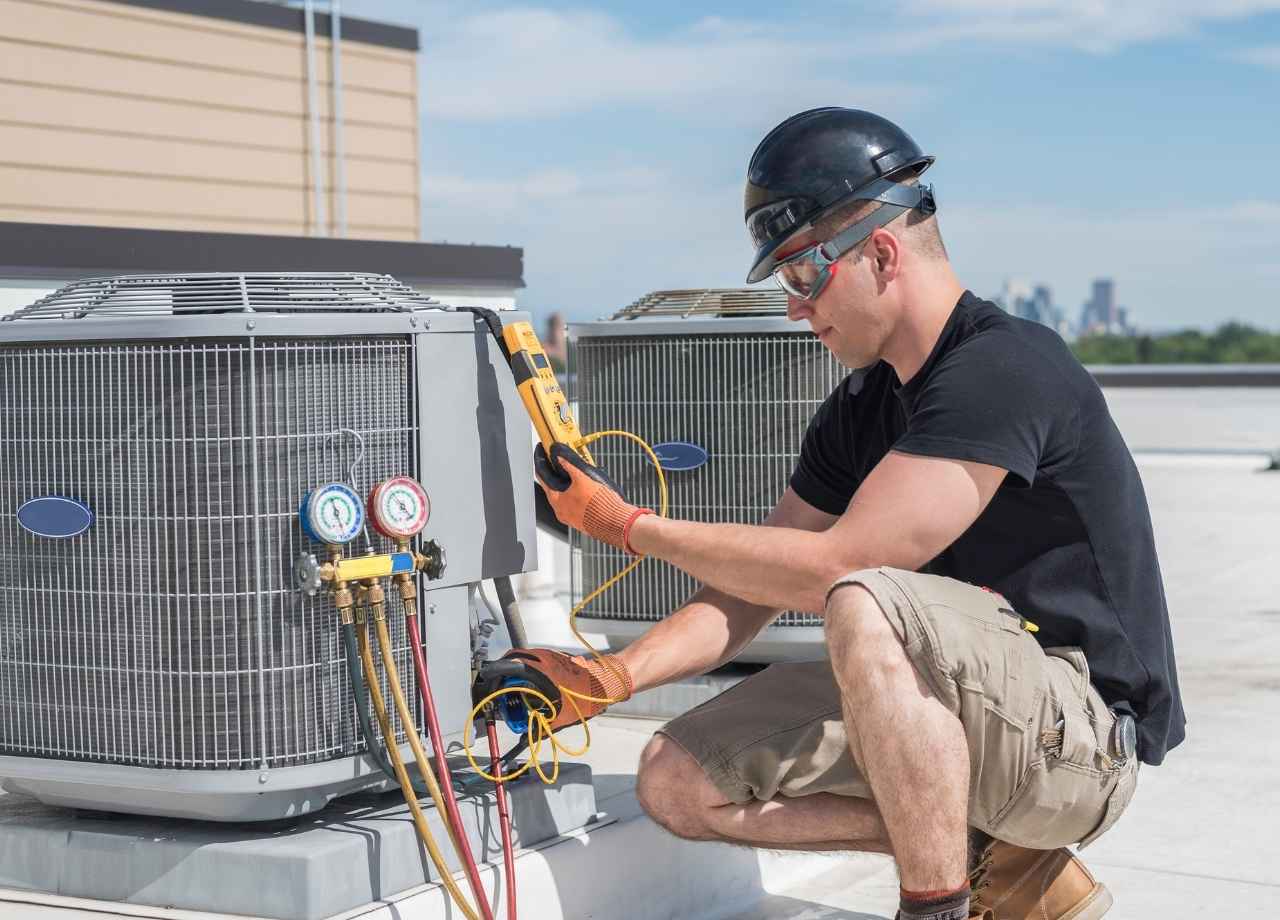
Rooftop equipment areas. HVAC units, exhaust fans, and service walk paths often show wear from foot traffic.
Sealants and joints. Sealant degradation around penetrations and expansion joints should be addressed before separation occurs.
Interior signs. Staining, damp insulation, or musty odors in upper floors may indicate early roof issues.
Documentation is critical. Photos, condition notes, and repair recommendations create a maintenance history that supports budgeting and warranty compliance.
Frequency of Inspections
At a minimum, commercial roofs should be inspected twice per year. Once in the spring after winter weather stress, and once in the fall before colder temperatures arrive.
Additional inspections should follow major storms, high-wind events, or significant hail. Even if no interior leaks are reported, impact damage may exist.
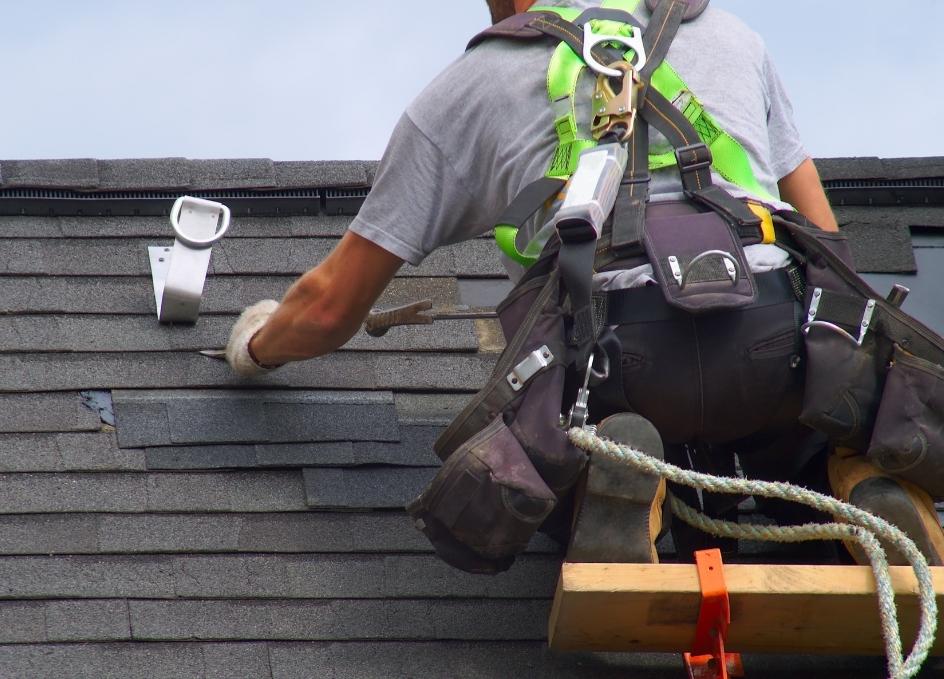
Facilities with high roof traffic, aging membranes, or critical operations underneath may require quarterly checks.
Consistency matters more than frequency alone. A documented pattern of inspection and repair demonstrates responsible asset management.
Preventive Maintenance Tasks That Extend Roof Life
- Maintenance goes beyond inspection. Small, proactive steps significantly extend membrane performance.
- Cleaning debris from drains and low points prevents ponding.
- Repairing minor punctures or seam issues early prevents moisture spread.
- Re-securing loose flashing stops wind-driven water intrusion.
- Reapplying sealant at penetrations maintains waterproof integrity.
- Installing designated walk pads reduces traffic wear around rooftop equipment.
Many commercial roofing manufacturers require documented maintenance to keep warranties valid. Ignoring recommended inspections can void coverage when it’s needed most.
Drainage Is Often the Overlooked Factor
Flat roofs are not truly flat. They are designed with slight slopes to direct water toward drains. When drains clog or the slope is compromised, standing water becomes a long-term problem.
Ponding water adds weight to the structure and accelerates membrane degradation. In colder climates, it increases freeze-thaw damage. In warmer climates, prolonged UV exposure combined with water exposure weakens seams and adhesives.
Drainage should be one of the first things evaluated during every inspection. Many major roof failures begin as simple drainage neglect.
Coordinating Roof Maintenance With Other Trades
Commercial roofs see regular traffic from HVAC contractors, electricians, solar installers, and other service providers. Every penetration or modification introduces potential leak points.
Facility managers should implement roof access protocols. This includes:
- Controlling who performs roof penetrations.
- Ensuring any new equipment installation follows manufacturer flashing standards.
- Inspecting roof areas after third-party work is completed.
- Many leaks originate not from membrane aging, but from improperly sealed penetrations after unrelated service work.
- Communication between trades protects the roof system as a whole.
Planning for Long-Term Replacement
Even with proper maintenance, every commercial roof will eventually require replacement. The goal of inspection and preventive care is to control that timeline.
A strong roof management program includes:
- Tracking installation date and warranty details.
- Monitoring repair frequency and recurring trouble areas.
- Budget forecasting for phased replacement if managing multiple buildings.
- Infrared scans or moisture surveys can also help identify hidden insulation saturation before replacement decisions are made.
When replacement becomes necessary, planning ahead allows you to schedule during favorable weather conditions and coordinate around tenant operations. Emergency replacements rarely allow for ideal timing or pricing.
Roof Maintenance Is Operational Protection
The roof is easy to forget because it’s out of sight. But it protects every asset inside the building. Inventory, equipment, tenant spaces, electrical systems, and interior finishes all depend on the roof performing as designed.
Commercial roof inspection and maintenance is not optional upkeep. It is asset preservation, risk reduction, and operational stability combined.
Facilities that treat roofing as a managed asset rather than a reactive expense consistently see longer lifespans, fewer disruptions, and better capital planning outcomes.
Protect the roof, and you protect the building.