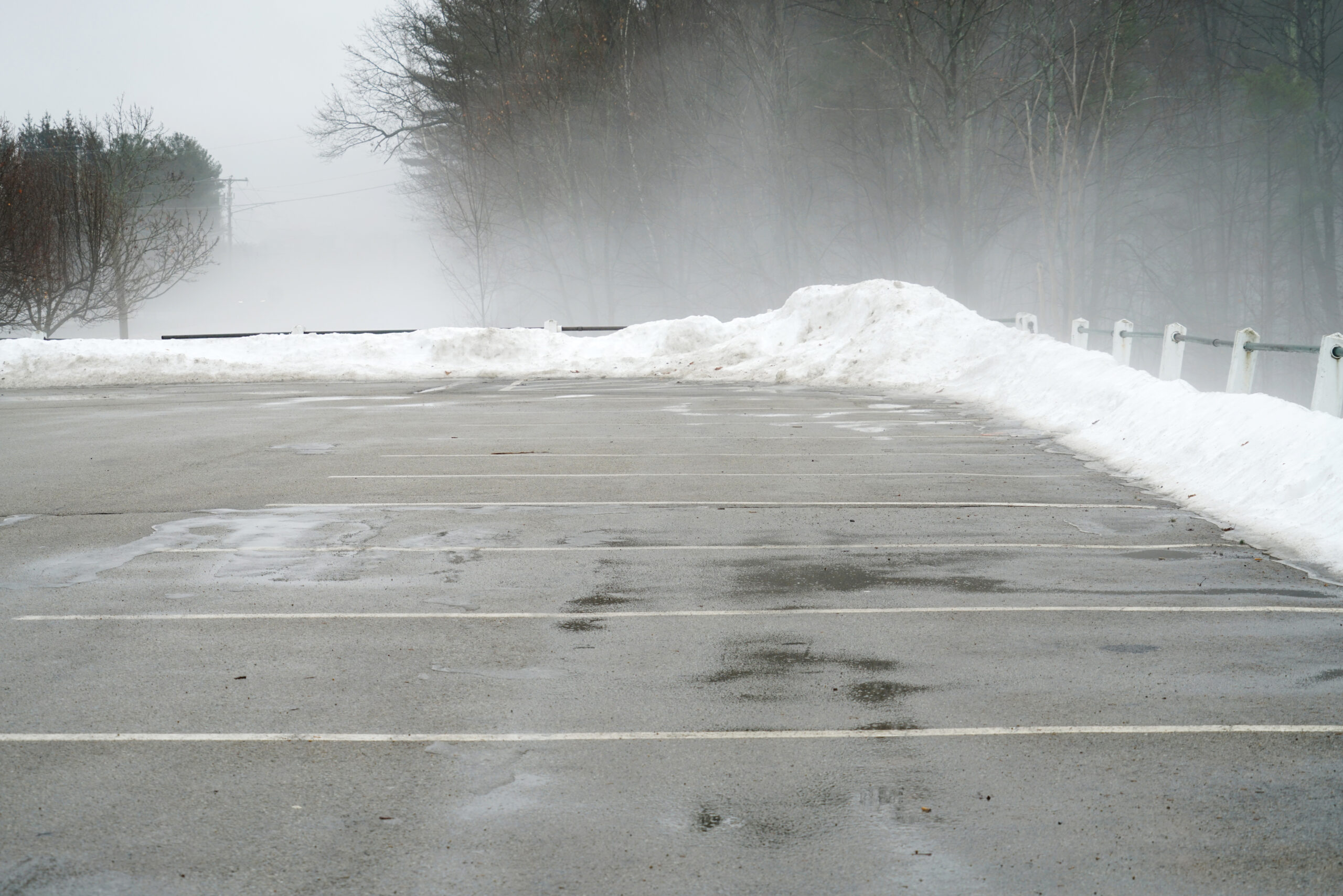
Every winter, snow and ice management teams across the country work tirelessly to keep roads, parking lots, and sidewalks safe. But while these efforts protect people, they can also harm the environment if not managed responsibly. The key challenge for modern facility managers is striking a balance — ensuring safety without compromising sustainability.
This guide to reducing environmental impact in snow and ice management explores practical ways to minimize salt runoff, protect landscaping, and utilize smarter, more efficient materials throughout the entire season.
1. Understanding the Environmental Impact of Salt
Salt has been the go-to deicing material for decades, but its environmental footprint is significant. Excess chloride from traditional rock salt can seep into soil and waterways, affecting vegetation and aquatic life. Once the season ends, the environmental impact often lingers. According to the Environmental Protection Agency (EPA), even small increases in chloride concentration can disrupt natural ecosystems. For facility managers, that means rethinking material choices and application methods to keep both people and the planet safe.
2. Choose Smarter Materials
Not all deicers are created equal. Traditional sodium chloride is cost-effective but less efficient at low temperatures. Alternatives like calcium magnesium acetate (CMA), potassium acetate, and liquid deicer blends melt ice more effectively with less environmental harm. Liquid deicers, in particular, create a barrier between snow and pavement, preventing adhesion and reducing the amount of material required later. These solutions not only work faster but also limit runoff — a win for sustainability and safety alike.
At National Facility Contractors, we regularly evaluate de-icing materials to ensure the right balance between performance, cost efficiency, and environmental responsibility.
3. Apply the Right Amount — No More, No Less
Over-application of salt is one of the most significant sources of environmental impact. Many property owners assume that using more salt equals better safety, but that’s rarely true. Excess material washes away quickly, providing little benefit and significant pollution. Smart calibration makes all the difference. Properly calibrated spreaders ensure even distribution and prevent waste. The Snow & Ice Management Association (SIMA) recommends pre-season calibration for every piece of spreading equipment to maintain both accuracy and efficiency. By focusing on precision, facility managers can reduce salt use by up to 30% without compromising safety.
4. Monitor Weather and Ground Conditions
Preventive snow management starts before the first storm. Monitoring weather forecasts and ground temperatures enables smarter, more targeted de-icing. When pavement temperatures remain above freezing, plowing alone may suffice, saving both material and labor. Integrating weather-based decision tools or automated alerts ensures crews apply deicer only when needed. Data-driven operations reduce waste and improve responsiveness, creating both environmental and operational benefits.
5. Protect Landscaping and Water Systems
Runoff from melting snow can transport chlorides directly into landscaped areas and storm drains. To reduce this, designate snow storage zones away from vegetation and drainage inlets. Use barriers or natural buffers, such as mulch or gravel beds, to filter runoff before it reaches sensitive areas. Regular inspections after major storms can help identify and correct problem areas where over-salting or improper piling may cause damage. Sustainable snow management isn’t just about what’s applied to the ground; it’s also about where it ends up.
Sustainable Snow Management Is Smart Business
Environmental stewardship and operational safety don’t have to conflict. In fact, they strengthen each other. Smarter material use, calibrated equipment, and proactive planning protect the environment while improving performance and reducing costs.
If your organization manages multiple sites and wants to make snow and ice management more sustainable this winter, contact National Facility Contractors. We’ll help you create a strategy that keeps your properties safe — and environmentally responsible — all season long.