Welcome to National Facility Contractors’ Christmas in July educational series.
Throughout the month of July, we’re taking an unconventional approach to one of the most important responsibilities facility managers face each year: preparing commercial snow removal for winter. While most people associate July with landscaping, parking lot repairs, and summer vacations, experienced facility professionals know that this is also one of the best times to begin planning for snow and ice management.
Over the next several weeks, this series will explore every stage of commercial winter preparation, from selecting the right snow removal partner and developing site-specific response plans to understanding how technology, weather monitoring, and proactive maintenance contribute to safer, more efficient operations.
Whether you manage a single commercial property or a nationwide portfolio of facilities, our goal is simple. We want to help you enter winter with a clear strategy, fewer surprises, and greater confidence.
Table of Contents
- Why July Is the Ideal Time to Plan for Winter
- Commercial Snow Management Begins Long Before the First Storm
- What Facility Managers Should Evaluate During the Summer
- The Cost of Waiting Until Fall
- Building a Better Snow Management Strategy
- How Technology Improves Winter Operations
- Key Takeaways
- Frequently Asked Questions
Why July Is the Ideal Time to Plan for Winter
If you’ve worked in facility management for any length of time, you’ve probably experienced the first significant snowfall arriving before your organization felt completely ready. It happens every year. Temperatures remain warm well into the fall, daily priorities shift to other projects, and snow removal stays on the to-do list until the first winter weather advisory appears. Suddenly, what seemed months away becomes tomorrow morning’s problem.
That cycle is precisely why experienced facility managers start thinking about winter in July.
Planning isn’t about assuming the worst or rushing the seasons. It’s about giving yourself the time to evaluate your property, identify potential challenges, and establish a clear strategy before weather conditions begin dictating your schedule. By approaching snow management proactively instead of reactively, organizations can reduce operational disruptions, improve safety, and make more informed decisions about the services they’ll need throughout the winter.
For companies responsible for multiple locations, early planning becomes even more valuable. A retail portfolio may include urban storefronts, suburban shopping centers, and freestanding buildings, each with different traffic patterns and snow removal priorities. Warehouses, healthcare campuses, municipal facilities, and office parks all present their own operational challenges. Reviewing those differences during the summer creates opportunities to customize service plans rather than relying on a one-size-fits-all approach after the first storm.
Simply put, July provides something winter never can: breathing room.
NFC Pro Tip
Schedule a mid-summer property walkthrough specifically for winter planning. Bring last year’s service reports, maintenance records, and site maps with you. Looking at your property through the lens of winter operations often reveals opportunities that aren’t obvious during day-to-day facility management.

Commercial Snow Management Begins Long Before the First Storm
Many people picture snow removal as the work performed after a storm has already begun. Plow trucks arrive, sidewalks are cleared, ice melt is applied, and operations continue. While those activities are certainly visible, they represent only the execution phase of a much larger process.
Successful commercial snow management begins months before any equipment reaches your property.
During the summer, facility managers have an opportunity to review the previous winter and ask important questions. Were there areas that consistently accumulated ice? Did drainage issues create recurring hazards? Were loading docks accessible throughout every storm? Did communication with vendors meet expectations? Were response times appropriate for the property’s operational needs?
Answering these questions helps establish a foundation for the coming season. Instead of repeating the same challenges year after year, organizations can make adjustments while weather conditions are favorable and schedules remain flexible.
Early planning also creates time for collaboration. Snow management works best when property owners, facility managers, and service providers develop expectations together. Identifying priority areas, discussing response procedures, reviewing access points, and documenting site-specific requirements all contribute to a smoother operation once winter arrives.
This planning phase often includes:
- Reviewing site maps and property layouts.
- Identifying high-priority pedestrian and vehicle access points.
- Evaluating pavement, sidewalks, and drainage conditions.
- Confirming emergency access routes.
- Updating after-hours contact information.
- Reviewing service expectations and communication protocols.
- Identifying appropriate snow storage locations.
- Planning for ice management before storms develop.
While each property has unique requirements, the objective remains the same: eliminate uncertainty before weather introduces it.
Internal Resource
If you’re beginning your winter planning process, explore National Facility Contractors’ Commercial Snow Removal Services to learn how comprehensive snow and ice management programs are developed for commercial properties nationwide.
What Facility Managers Should Evaluate During the Summer
A thorough summer site assessment goes beyond identifying cracked pavement or overgrown landscaping. It provides an opportunity to evaluate how your property will function under winter conditions and determine whether existing infrastructure supports safe, efficient operations.
For example, a drainage issue that appears insignificant during a summer rainstorm may become a recurring source of black ice once temperatures fall below freezing. Similarly, low-hanging tree branches that provide welcome shade in July can become hazards after accumulating snow and ice during the winter.
Facility managers should also consider how people move through the property. Customer entrances, employee walkways, accessible parking spaces, loading docks, emergency exits, and service roads all require different levels of attention during a winter event. Understanding those priorities ahead of time allows snow management crews to respond more effectively when conditions change.
Summer is also an ideal time to review physical assets that may affect winter operations, including:
- Parking lot condition and drainage.
- Sidewalk elevation changes.
- Curb visibility.
- Exterior lighting.
- Signage.
- Landscape features near pedestrian areas.
- Designated snow storage locations.
The more information gathered before winter begins, the easier it becomes to develop a response plan that reflects how the property actually operates instead of relying on assumptions.
The Cost of Waiting Until Fall
Delaying winter planning until September or October may seem reasonable, but it can create unnecessary challenges that affect everything from vendor selection to operational readiness. While no two winters are alike, one constant remains: the closer the season gets, the fewer opportunities facility managers have to make thoughtful, strategic decisions.
Contractors begin finalizing service routes well before the first snowfall. Site visits, property mapping, equipment staging, and crew assignments all require time to execute properly. Waiting until the last minute can limit scheduling flexibility and reduce the time available to address property-specific concerns before winter weather arrives.
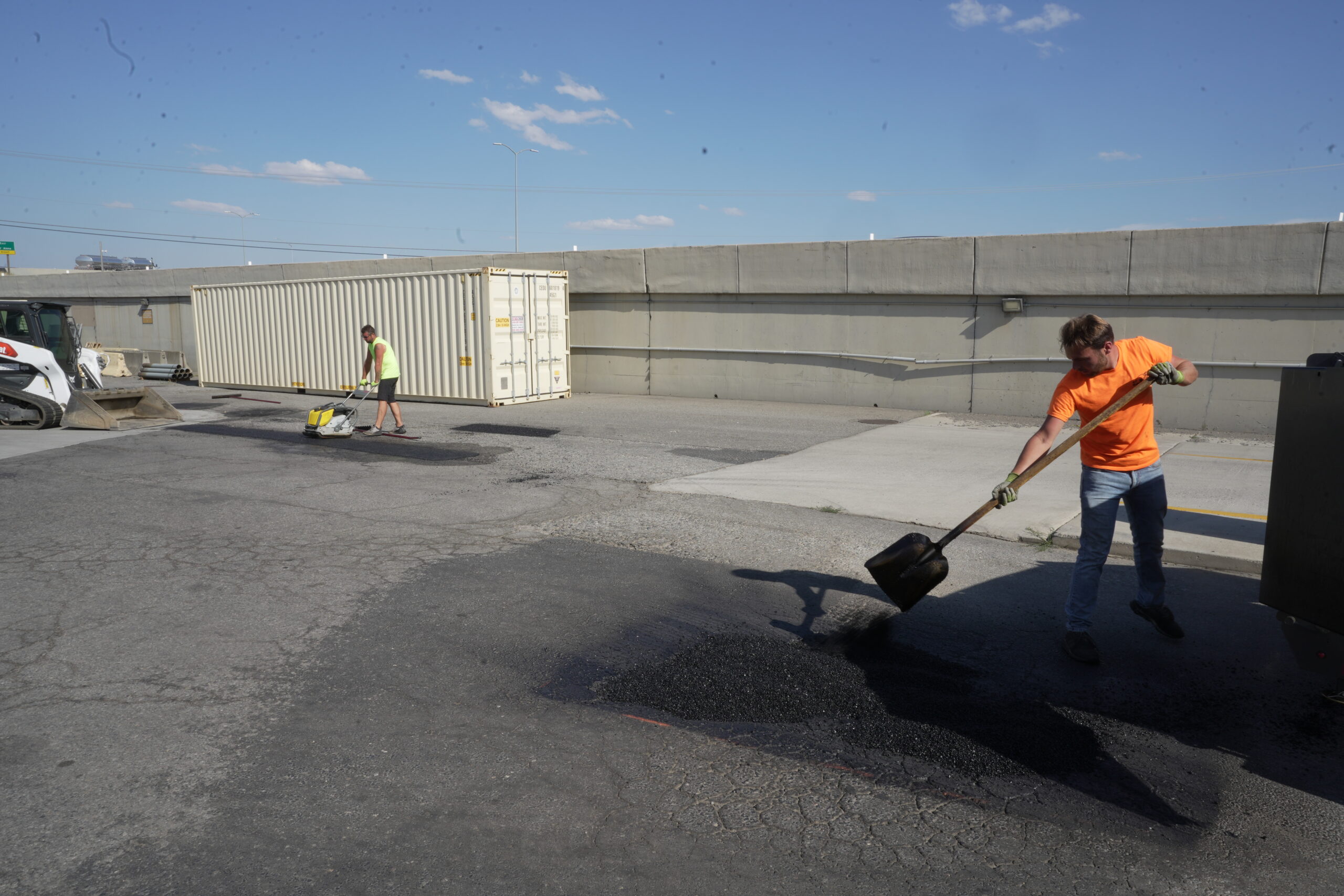
Planning early also provides the opportunity to coordinate snow management with other seasonal maintenance projects. For example, summer is an ideal time to repair damaged asphalt, improve drainage, replace broken sidewalks, trim low-hanging tree branches, and refresh pavement striping. These improvements not only enhance the appearance of a property but also help create safer conditions once snow and ice begin to accumulate.
If your property requires pavement repairs before winter, explore NFC’s Asphalt Services and Concrete Services to address issues that become more difficult and costly once freezing temperatures arrive.
Beyond physical improvements, early planning also supports budgeting. Rather than treating snow removal as a reactive expense, organizations can incorporate winter services into annual operating plans and evaluate service levels based on the property’s unique needs.
The result is a more predictable winter season built on preparation rather than reaction.
Every Property Requires a Different Winter Strategy
Snow affects every commercial property differently because every property serves a different purpose.
A retail shopping center prioritizes customer access from the moment stores open. Sidewalks, storefront entrances, accessible parking spaces, and primary traffic lanes often require immediate attention to create a safe and welcoming environment for shoppers.
A warehouse or distribution center faces an entirely different challenge. Tractor-trailers may begin arriving before sunrise, loading docks must remain accessible throughout the day, and employee parking areas need to accommodate changing shifts. Snow management in these environments directly supports operational efficiency and supply chain continuity.
Office parks often experience concentrated traffic during morning arrivals and evening departures, making parking lots and pedestrian walkways critical areas for service. Healthcare facilities require continuous access twenty-four hours a day, while municipalities must maintain public spaces that serve residents regardless of weather conditions.
Recognizing these operational differences allows facility managers to prioritize service areas and establish response plans that reflect how each property actually functions.
This is one of the advantages of working with a provider experienced across multiple property types. Instead of applying the same strategy everywhere, snow management programs can be customized to match operational priorities, pedestrian traffic, and business continuity requirements.
Learn more about how National Facility Contractors supports Retail Properties, Industrial & Distribution Facilities, Government & Municipal Properties, and Commercial Office Buildings with tailored facility service programs designed around each property’s unique operational needs.
NFC Pro Tip
Don’t build your snow response plan around the property itself. Build it around the people who use it. Think about when employees arrive, when deliveries occur, where customers enter the building, and which areas remain active overnight. Understanding how people interact with your property helps establish response priorities that improve both safety and efficiency.
Technology Is Transforming Commercial Snow Management
Commercial snow removal has evolved significantly over the past decade. Today’s facility managers expect more than completed work. They expect visibility into when services were performed, what areas were addressed, and how conditions continue to change throughout a storm.
Technology has become an essential part of delivering that level of transparency.
Weather forecasting tools help monitor changing conditions before storms develop, allowing service providers to prepare equipment and personnel in advance. GPS-enabled fleet management supports route optimization and helps document service activity across multiple locations. Mobile reporting and photo documentation provide facility managers with confirmation that work has been completed, even when they are managing properties hundreds or thousands of miles away.
For organizations overseeing regional or national portfolios, centralized technology platforms simplify communication by bringing work orders, service history, documentation, and reporting into a single location.
National Facility Contractors supports its integrated facility management programs through Sarlacc, our proprietary facility service management platform. Sarlacc provides clients with real-time visibility into work orders, service documentation, communication, and reporting, helping facility managers stay informed throughout every stage of the winter season.
Technology cannot stop a snowstorm, but it can help organizations respond more efficiently and make better-informed decisions while conditions continue to change.
Snow Management Is Part of a Bigger Facility Strategy
Snow removal rarely exists in isolation.
The same property that requires plowing during the winter may need asphalt repairs in the spring, landscaping throughout the summer, parking lot sweeping in the fall, and janitorial services year-round. Looking at each service independently often creates unnecessary administrative complexity, particularly for organizations managing multiple facilities.
An integrated facility management approach allows these services to work together as part of a larger property maintenance strategy. Information gathered during one season frequently informs decisions in another. A drainage concern identified during a snow event may lead to a pavement repair project the following spring. Landscape improvements completed during the summer can improve snow storage areas before winter returns.
Managing these services through a single facility partner can simplify communication, improve documentation, and provide greater consistency across an entire property portfolio.
Explore National Facility Contractors’ Integrated Facility Services to see how coordinated maintenance programs support commercial properties throughout every season of the year.
Key Takeaways
- The most effective commercial snow management programs begin months before winter arrives.
- Summer provides the ideal opportunity to inspect properties, review previous seasons, and develop site-specific response plans.
- Different property types require different snow management priorities based on how they operate.
- Technology continues to improve communication, documentation, and visibility throughout the winter season.
- Snow management works best when it is part of a comprehensive facility maintenance strategy rather than a standalone seasonal service.
Continue Reading the Christmas in July Series
This article is the first chapter in National Facility Contractors’ Christmas in July: The Complete Guide to Commercial Snow & Ice Management.
Next Article:
The Hidden Costs of Waiting Too Long to Secure a Commercial Snow Removal Contractor
In the next chapter, we’ll examine how delayed planning can affect vendor availability, budgeting, operational readiness, and long-term property performance, along with practical strategies to avoid common mistakes before winter begins.
The arrival of winter should never be the moment a snow management plan begins to take shape. By that point, the most important work has already shifted from planning to execution.
July offers facility managers something increasingly valuable: time. Time to evaluate properties, review previous winters, coordinate with service providers, prioritize operational needs, and prepare for the challenges that inevitably accompany snow and ice. Those efforts may not be visible during the summer months, but they become evident the first time a winter storm tests the property.
Organizations that consistently perform well during winter rarely rely on good fortune. They rely on preparation.
As we continue this Christmas in July series, we’ll explore the decisions, strategies, and best practices that help commercial properties remain safe, accessible, and operational throughout the winter season.
If your organization is beginning to plan for winter, National Facility Contractors can help you develop a customized commercial snow and ice management program designed around your properties, operational priorities, and long-term facility goals. Contact our team to start the conversation while there’s still plenty of sunshine left in the forecast.