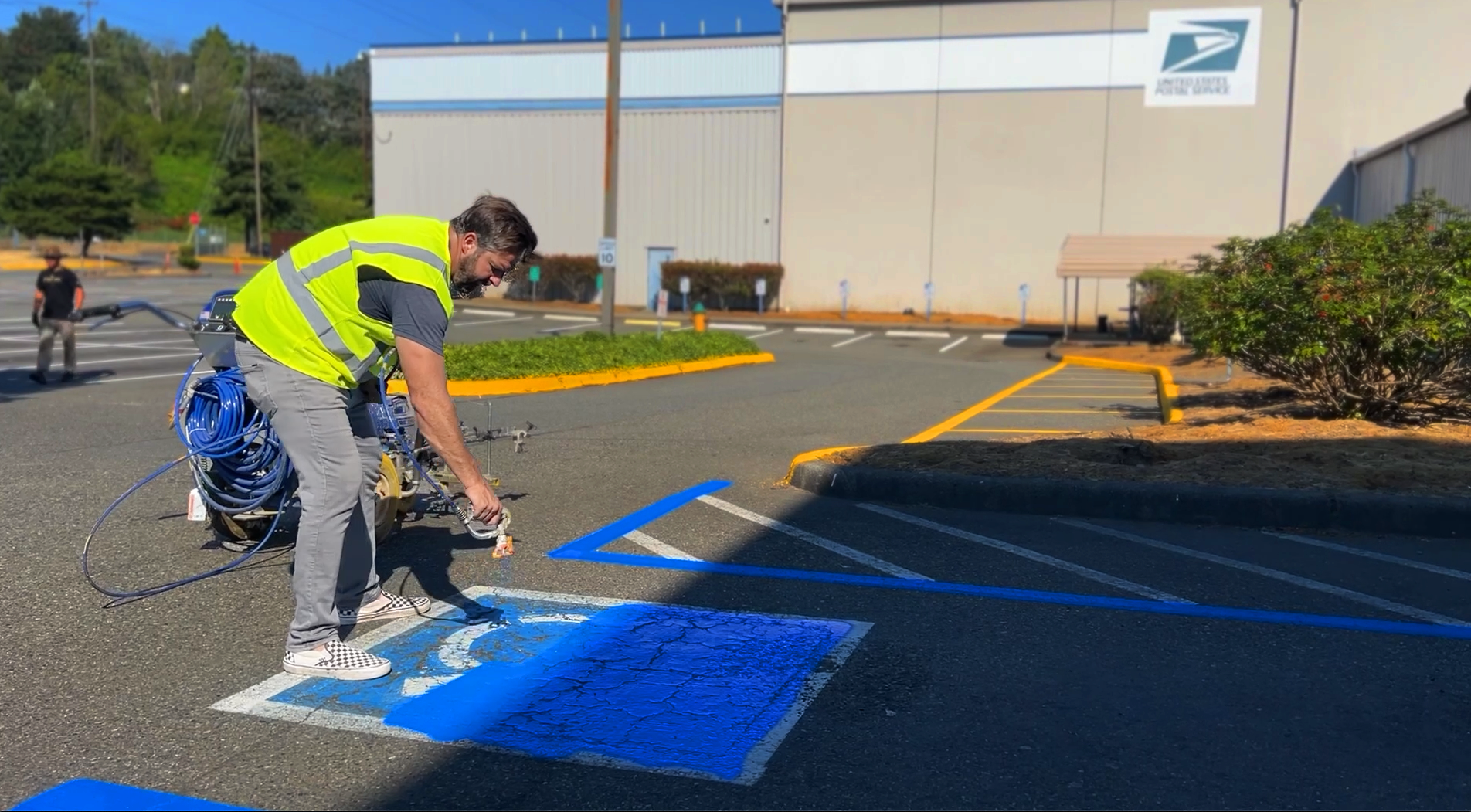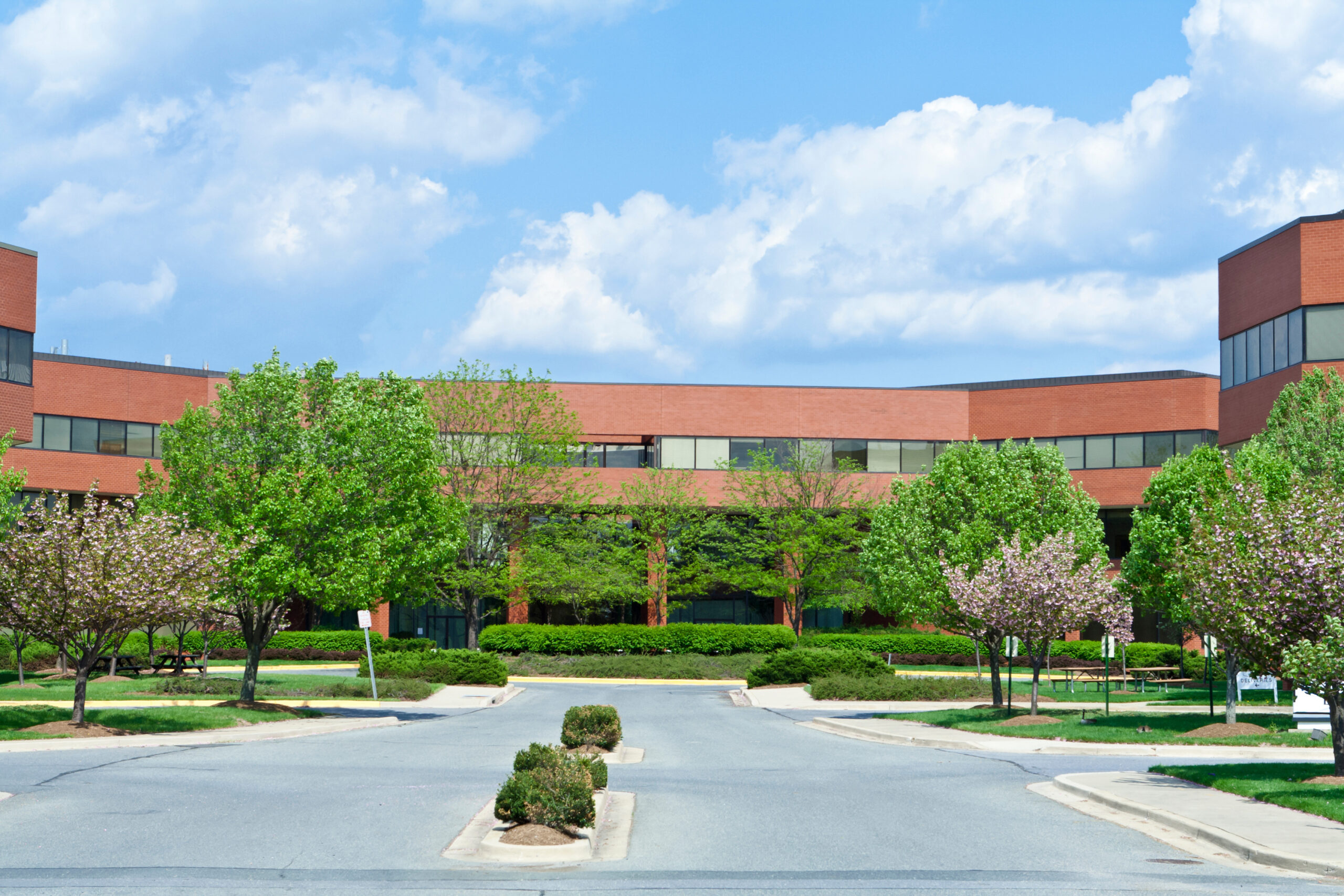
Managing a commercial property involves far more than keeping the lights on and the doors open. Today’s facility managers oversee a wide range of services, from janitorial and landscaping to snow removal, asphalt maintenance, construction projects, and capital improvements. As portfolios grow and operations become more complex, many organizations are shifting toward a more streamlined approach known as integrated facility services.
This integrated facility services guide explains what integrated facility services are, why they have become increasingly popular, and how they help organizations improve efficiency, consistency, and long-term facility performance.
1. What Are Integrated Facility Services?
Integrated facility services (IFS) is a management approach that combines multiple facility-related services under a coordinated strategy. Rather than working with separate vendors for every service line, organizations use a centralized model that aligns operations, communication, reporting, and service delivery.
Integrated facility services often include:
- Janitorial services
- Landscaping services
- Snow and ice management
- Asphalt maintenance
- Facility repairs
- Construction services
- Capital improvement projects
- Preventive maintenance programs
The goal is not simply vendor consolidation. The objective is to create a more coordinated facility management strategy that improves visibility, accountability, and operational performance.
According to the International Facility Management Association (IFMA), integrated facility management continues to grow as organizations seek greater efficiency and improved oversight across increasingly complex property portfolios.
2. Why Organizations Are Moving Away from Multiple Vendor Models
Historically, many organizations hired separate vendors for each facility service. While this approach can work, it often creates challenges as portfolios expand.
Common issues include:
- Multiple points of contact
- Inconsistent reporting
- Scheduling conflicts
- Administrative burden
- Lack of accountability
- Varying service standards
When several vendors operate independently, facility managers often spend significant time coordinating activities rather than focusing on broader operational priorities.
An integrated approach helps simplify communication while creating a more unified service experience across locations.
3. Consistency Is Becoming More Important Than Ever
For organizations managing multiple facilities, consistency is one of the most difficult challenges to solve.
Customers, employees, and stakeholders expect the same experience regardless of which location they visit. Clean facilities, maintained landscapes, safe parking lots, and well-managed properties all contribute to that experience.
Integrated facility services support consistency through:
- Standardized operating procedures
- Unified reporting systems
- Coordinated service schedules
- Portfolio-wide performance tracking
- Centralized communication
This structure helps organizations maintain the same standards across every site, regardless of geography or service complexity.
At National Facility Contractors, integrated facility service programs help organizations maintain consistency across regional and national property portfolios.
4. Technology Is Driving the Shift Toward Integration
Modern facility management relies heavily on data. Facility managers increasingly need access to service records, work orders, inspection reports, asset information, and performance metrics.
Integrated service models often provide centralized reporting systems that make this information easier to access and analyze.
Benefits may include:
- Real-time service visibility
- Photo verification
- Work order tracking
- Asset management insights
- Budget forecasting support
- Performance measurement
The ability to view facility activity through a single reporting structure helps organizations make more informed operational decisions.
5. Integrated Services Support Long-Term Facility Planning
One of the biggest advantages of integrated facility services is the ability to connect day-to-day maintenance with long-term planning.
For example, recurring asphalt repairs may indicate the need for a future capital improvement project. Landscaping observations may reveal drainage concerns that affect pavement conditions. Routine inspections may identify building issues before they become major expenses.
Because services are coordinated, organizations gain a more complete picture of property performance over time.
This visibility supports:
- Preventive maintenance strategies
- Capital planning
- Budget forecasting
- Asset lifecycle management
- Risk reduction
The Building Owners and Managers Association (BOMA) notes that proactive facility planning plays an important role in reducing long-term operating costs and extending asset life.
6. The Future of Facility Management Is More Connected
Facility management continues to evolve. Organizations are increasingly seeking solutions that improve efficiency while providing greater visibility into operations.
Integrated facility services align with these goals by creating stronger communication, improved reporting, and more coordinated service delivery across multiple locations.
As facilities become more complex and expectations continue to rise, integrated models provide a framework that supports both operational excellence and long-term planning.
A More Strategic Approach to Facility Management
Integrated facility services are growing because they address many of the challenges facility managers face every day. By improving coordination, increasing visibility, and supporting long-term planning, integrated programs help organizations operate more efficiently while maintaining consistent standards across their properties.
If your organization is evaluating ways to simplify facility management and improve operational consistency, consider exploring an integrated facility services strategy with National Facility Contractors. A coordinated approach can help support both daily operations and long-term facility goals.