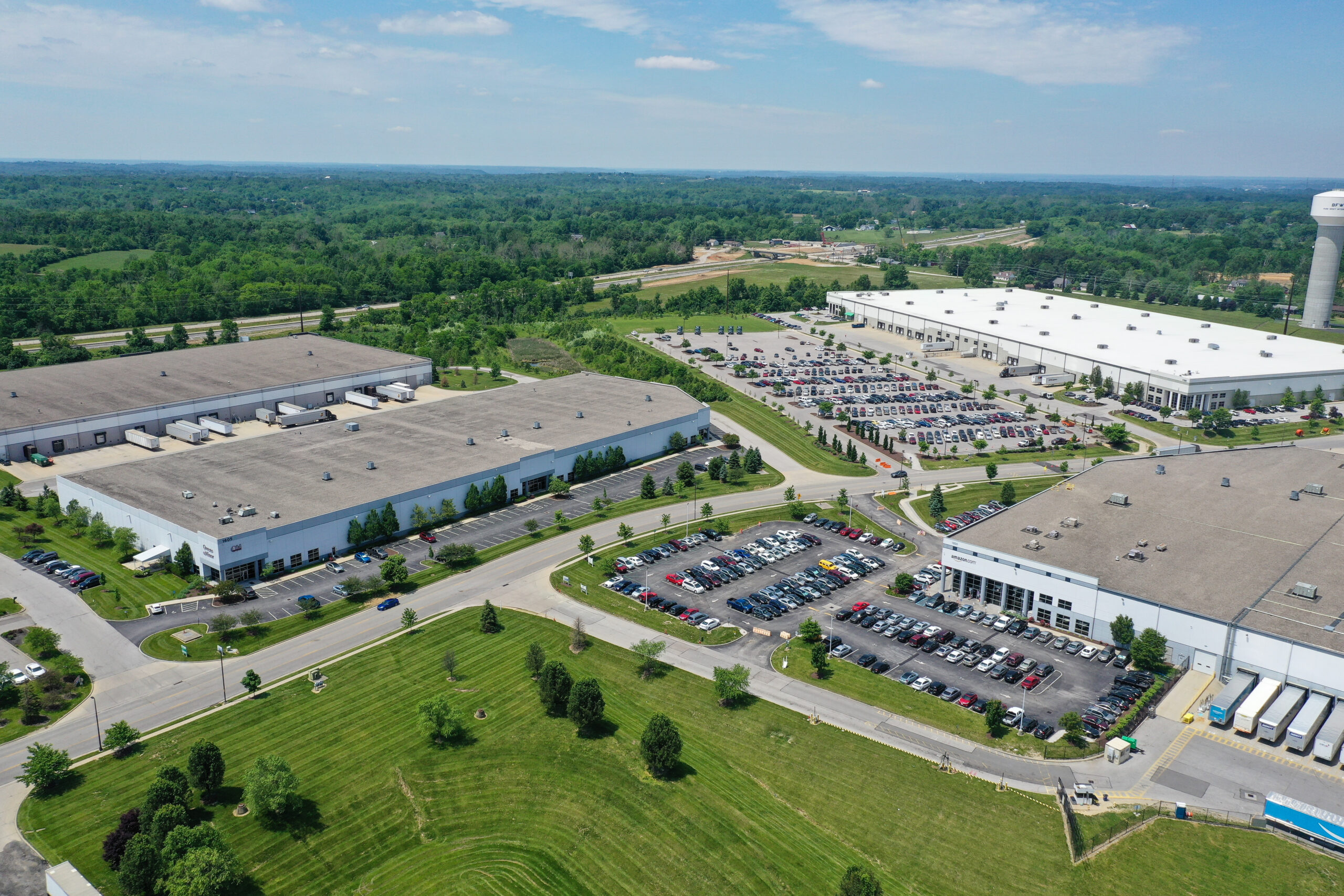
Managing commercial facilities requires coordination across many different service areas. Janitorial providers, landscaping crews, snow removal contractors, asphalt vendors, maintenance teams, and construction partners all play important roles in keeping properties operating efficiently. While hiring separate vendors for each service may seem manageable at first, the administrative and operational challenges often increase as property portfolios grow.
This managing multiple facility service vendors guide explores the hidden costs associated with multi-vendor facility management and why many organizations are looking for more coordinated approaches.
1. Communication Becomes Increasingly Complex
Every vendor relationship requires communication. As the number of service providers increases, so does the number of contacts, schedules, updates, and service requests that facility managers must oversee.
A typical facility manager may find themselves coordinating with:
- Janitorial providers
- Landscaping contractors
- Snow removal companies
- Asphalt maintenance vendors
- Construction teams
- Specialty service providers
When each vendor operates independently, important information can become fragmented. Delays, misunderstandings, and conflicting schedules become more likely, especially across multiple locations.
The International Facility Management Association (IFMA) identifies communication and coordination as critical components of effective facility management programs.
2. Administrative Workloads Continue to Grow
Vendor management requires more than overseeing service delivery. Facility managers are often responsible for reviewing contracts, processing invoices, tracking service performance, scheduling work, and resolving issues.
As vendor counts increase, administrative demands typically increase as well.
Common responsibilities include:
- Managing multiple contracts
- Reviewing separate invoices
- Coordinating service schedules
- Tracking insurance documentation
- Verifying service completion
- Managing performance reviews
These tasks consume valuable time that could otherwise be spent on strategic facility planning and operational improvements.
3. Service Standards Can Become Inconsistent
Different vendors often use different processes, reporting methods, and quality standards. While each provider may perform well individually, maintaining consistency across multiple service lines and locations can be difficult.
For organizations managing regional or national portfolios, inconsistency may result in:
- Different service expectations by location
- Varying reporting formats
- Uneven property conditions
- Difficulty measuring performance
- Inconsistent customer experiences
Maintaining standardized expectations becomes significantly more challenging when multiple independent vendors are involved.
At National Facility Contractors, integrated facility management programs help create greater consistency across locations by aligning communication, reporting, and service delivery.
4. Accountability Can Become Unclear
When issues arise, determining responsibility can sometimes become difficult.
For example, if a drainage problem contributes to asphalt deterioration, is the issue related to landscaping, pavement maintenance, or another site condition? If exterior cleanliness affects customer perception, which vendor is responsible for addressing the concern?
With multiple service providers operating independently, accountability may become fragmented.
Clear accountability is important because it helps organizations:
- Resolve issues more quickly
- Improve service quality
- Reduce operational delays
- Strengthen communication
- Support better long-term planning
Without clear ownership, small problems may remain unresolved longer than necessary.
5. Data and Reporting Become More Difficult to Manage
Modern facility management relies heavily on information. Service records, inspection reports, work orders, maintenance histories, and project updates all contribute to informed decision-making.
When multiple vendors use separate reporting systems, facility managers often spend additional time gathering and organizing information.
Challenges may include:
- Multiple reporting formats
- Separate software platforms
- Limited visibility across services
- Incomplete documentation
- Difficulty identifying trends
The Building Owners and Managers Association (BOMA) emphasizes the value of centralized information and consistent reporting for improving facility performance and planning.
6. Long-Term Planning Becomes More Difficult
Facility management extends beyond daily operations. Capital planning, preventive maintenance, budgeting, and asset lifecycle management all require a broad understanding of property conditions.
When information is spread across multiple vendors, it becomes harder to connect day-to-day service observations with long-term planning decisions.
For example:
- Recurring asphalt repairs may indicate future resurfacing needs.
- Repeated irrigation issues may signal larger infrastructure concerns.
- Frequent HVAC repairs may suggest upcoming replacement requirements.
Organizations benefit when service data contributes to a larger facility strategy rather than remaining isolated within individual vendor relationships.
Efficiency Often Starts with Simplification
Managing multiple facility service vendors is not inherently problematic. However, as portfolios grow and operations become more complex, the hidden costs of coordination, communication, administration, and inconsistency can become increasingly significant.
Organizations that simplify vendor management often gain greater visibility, stronger accountability, and improved operational efficiency across their facilities.
If your organization is evaluating ways to streamline facility operations, consider exploring integrated facility management solutions with National Facility Contractors. A coordinated approach can help reduce administrative burden while improving consistency across every location.