Biotechnology facilities operate under some of the most stringent cleanliness and contamination control standards in the commercial world. Whether it’s a research lab, a cleanroom, a pharmaceutical manufacturing space, or a biotech incubator, these environments depend on precision—not only in science but in every support function, including janitorial services.
Unlike standard office cleaning, biotech janitorial services demand specialized knowledge, consistent adherence to protocols, and an understanding of the consequences that lapses in cleaning can have on experiments, product quality, or regulatory compliance. The janitorial team working inside a biotech facility is, in many ways, part of the quality control process.
Why Biotech Facilities Require Specialized Janitorial Services
Biotech spaces are highly controlled. Many operate under cGMP (Current Good Manufacturing Practice) regulations. Others follow ISO classifications for cleanrooms or need to meet GLP (Good Laboratory Practice) standards. These designations aren’t just labels—they carry strict requirements for cleanliness, cross-contamination prevention, and documentation.
Dust, microbial particles, chemical residues, or even improper mop materials can compromise results or render equipment unusable. The stakes are too high for general cleaning practices. That’s why biotech janitorial services require more than surface-level effort. They demand process discipline and familiarity with contamination control procedures.
The nature of biotech work also means facilities often operate 24/7, and cleaning has to happen without disrupting critical operations. In many cases, janitorial crews work alongside active research or production, which requires a unique balance of discretion, efficiency, and compliance.
Types of Spaces Requiring Specialized Cleaning in Biotech Facilities
Biotechnology facilities typically contain multiple zones, each with different cleaning requirements based on the activities conducted there.
Cleanrooms: These are controlled environments with specified levels of airborne particles. They may range from ISO Class 5 to ISO Class 8, and each class has different cleaning frequencies, gowning requirements, and material handling protocols. Janitorial staff must follow exacting routines for mopping, wiping surfaces, and changing mop heads and wipes between zones.
Research Labs: Labs where biological, chemical, or pharmaceutical research takes place require daily cleaning of surfaces, sinks, floors, and high-touch areas. Disinfection is not just recommended—it’s often essential. The use of appropriate, lab-approved cleaning agents is mandatory to avoid interference with experiments.
Production Areas: Where pharmaceuticals, medical devices, or biologics are manufactured, cleaning must align with validated SOPs. Staff may be required to document every cleaning task and verify it with time stamps and checklists.
Gowning Rooms and Airlocks: These transitional spaces must remain free of dust and debris to prevent contamination from entering higher-classified areas. They require frequent floor and wall cleaning and maintenance of cleanroom-safe supplies.
Support Areas: Hallways, break rooms, locker rooms, and offices still need cleaning, but the products and methods used must ensure that nothing migrates into controlled zones.
What to Look for in a Biotech Janitorial Provider
Hiring a cleaning service for a biotech facility isn’t just about who can get the job done. It’s about who can do it correctly, consistently, and in line with your compliance obligations.
1. Industry Experience and Training
The first thing to verify is whether the provider has experience in the life sciences or biotech sector. General commercial cleaning knowledge doesn’t translate into controlled environments. Cleaning crews must be trained in gowning procedures, cleanroom protocol, sterile technique, and documentation practices. Ask about their onboarding process and ongoing training programs.
2. Understanding of Regulatory Compliance
A capable biotech janitorial service will be familiar with FDA, CDC, and OSHA requirements, as well as the specific cleaning protocols associated with cGMP, ISO, and USP standards. They must be able to follow your facility’s SOPs or help develop cleaning SOPs if needed. Services should include documentation that can be reviewed during audits.
3. Use of Compatible Cleaning Materials
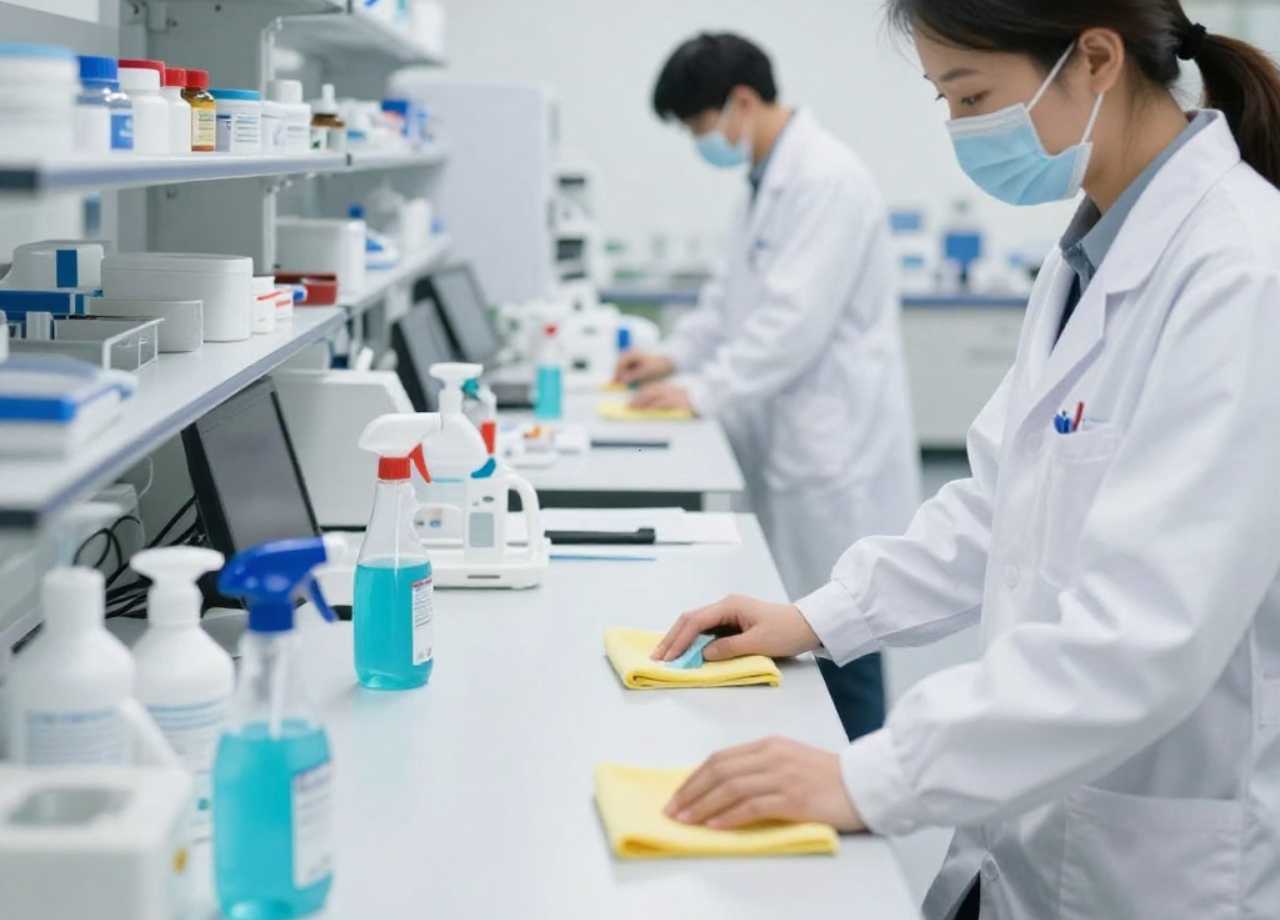
Materials used in cleanrooms and labs must be non-shedding, chemically compatible, and approved for the space. This includes lint-free mops, HEPA-filtered vacuums, and sterile wipes. Cleaning agents must be appropriate for the surfaces and equipment present, and their residues should not interfere with scientific activity or stability studies.
4. Cross-Contamination Controls
Janitorial providers must have defined procedures for avoiding cross-contamination between rooms or zones. This includes using dedicated supplies per area, color-coded tools, and separate carts for different classification levels. Staff must understand when and how to change PPE, dispose of contaminated materials, and handle biohazard or chemical spills.
5. Flexibility and Scheduling
Biotech operations don’t stop. Cleaning needs to be unobtrusive but thorough, and schedules must accommodate production cycles, sterile fills, validations, or clinical timelines. Look for providers that offer flexibility in scheduling and the ability to scale crews during critical periods or audits.
6. Documented Processes and Communication
Cleaning logs, checklists, deviation reports, and corrective actions should all be part of your janitorial service’s offering. Providers should be willing to attend quality meetings and communicate clearly with your facility staff. A reliable partner views themselves as an extension of your compliance infrastructure.
Challenges and Risks of Inadequate Cleaning in Biotech Facilities
Hiring an unqualified janitorial provider in a biotech environment isn’t just an operational risk—it’s a business liability. Contamination or improper cleaning can lead to:
- Batch failures or test contamination
- Regulatory violations and FDA warning letters
- Delays in production or R&D timelines
- Costly recalls or equipment damage
- Negative inspection findings during audits
Often, the impact of poor cleaning isn’t visible until it’s too late. A missed cleaning log or improper disinfectant could surface during a compliance inspection or internal review. That’s why proactive quality assurance in janitorial services is essential.
Cleaning Validation and Documentation
In regulated environments, cleaning must be verifiable. That means your janitorial provider should support your documentation systems with logs for each task performed, including:
- Date and time of cleaning
- Employee name and signature
- Materials and agents used
- Zones cleaned and equipment touched
- Any deviations or issues encountered
Facilities under cGMP must ensure that documentation follows ALCOA+ principles: Attributable, Legible, Contemporaneous, Original, Accurate, and complete.
In many cases, cleaning procedures must also be validated—meaning you need documented evidence that the cleaning process consistently removes residues and contaminants to required levels. A good janitorial partner will understand this requirement and work with your QA team to support these efforts.
Integrating Janitorial Services with Facility Operations
An experienced biotech cleaning provider will not only perform their job—they’ll understand how their work integrates with yours. This includes participating in safety briefings, coordinating cleaning with HVAC maintenance or shutdowns, observing gowning and un-gowning policies, and responding to spill events or contamination protocols.
The relationship between facility managers and janitorial providers in biotech is closer than in most industries. Communication, responsiveness, and shared accountability are key.
Biotech janitorial services aren’t an auxiliary function—they’re a critical part of your facility’s operational integrity. Cleanrooms, labs, and production areas depend on precise, validated cleaning processes that reduce risk and support compliance. Selecting the right janitorial partner means finding a team that understands the scientific and regulatory environment you operate in, trains its staff to meet those expectations, and delivers consistent, documented results.
Cleaning in biotech isn’t just about what gets wiped down. It’s about what doesn’t get missed.