Best Practices for Office Carpet Care
Office carpets endure daily wear, foot traffic, and accidental spills. Without proper care, they quickly develop visible stains, uneven wear patterns, and unpleasant odors. A well-maintained carpet not only enhances the workspace’s appearance but also improves air quality and extends the carpet’s lifespan. Effective maintenance requires more than just vacuuming—it involves a strategic approach that prevents damage before it happens.
Frequent Vacuuming Preserves Carpet Fibers
Dirt and dust settle into carpet fibers daily. Even if the surface appears clean, fine particles accumulate deep within the material, causing fibers to break down over time. Vacuuming regularly prevents this embedded dirt from acting like sandpaper, which wears out the material prematurely.
High-traffic areas require daily vacuuming, while less-used sections should be cleaned at least three times per week. Using a high-efficiency vacuum with a HEPA filter improves indoor air quality by trapping allergens and dust mites that settle into the carpet. Beater bar attachments help lift debris from deeper within the fibers, making the cleaning process more effective.
Prompt Stain Treatment Prevents Permanent Damage
Spills are unavoidable in office settings. Coffee, ink, and food stains quickly bond with carpet fibers if not addressed immediately. Keeping a designated cleaning kit nearby reduces the chances of permanent staining.
Blotting with a clean, white cloth removes excess liquid without pushing it further into the fibers. Rubbing spreads the stain and damages the carpet pile. A neutral carpet cleaner or an enzymatic formula works well for organic stains, while a mild detergent solution helps lift ink or dye-based marks. For best results, stains should be treated as soon as they occur.
Walk-Off Mats Minimize Dirt Buildup
Entrances bring in the majority of dirt and debris. Walk-off mats at every entry point capture soil before it reaches the main carpeted areas. High-absorption mats placed inside and outside doorways reduce the amount of grit that gets tracked in.
A multi-step mat system, incorporating scraping, drying, and absorbing sections, provides the most protection. These mats need regular vacuuming and deep cleaning to maintain effectiveness. If mats become overly saturated with dirt, they no longer serve their purpose and may even contribute to carpet soiling.
Proper Furniture Placement Prevents Uneven Wear
Heavy furniture compresses carpet fibers, creating dents that are difficult to remove. Frequent chair movement near desks leads to premature wear, especially in workspaces without protective chair mats. Over time, areas around workstations develop visible pathways where fibers have flattened.
Using protective pads under furniture legs reduces pressure points, helping to preserve carpet texture. Rotating furniture periodically prevents the formation of permanent impressions. For rolling chairs, a high-quality chair mat prevents excessive friction that causes fiber damage. Offices with adjustable layouts benefit from shifting desk placements occasionally to redistribute traffic patterns.
Scheduled Deep Cleaning Extends Carpet Life
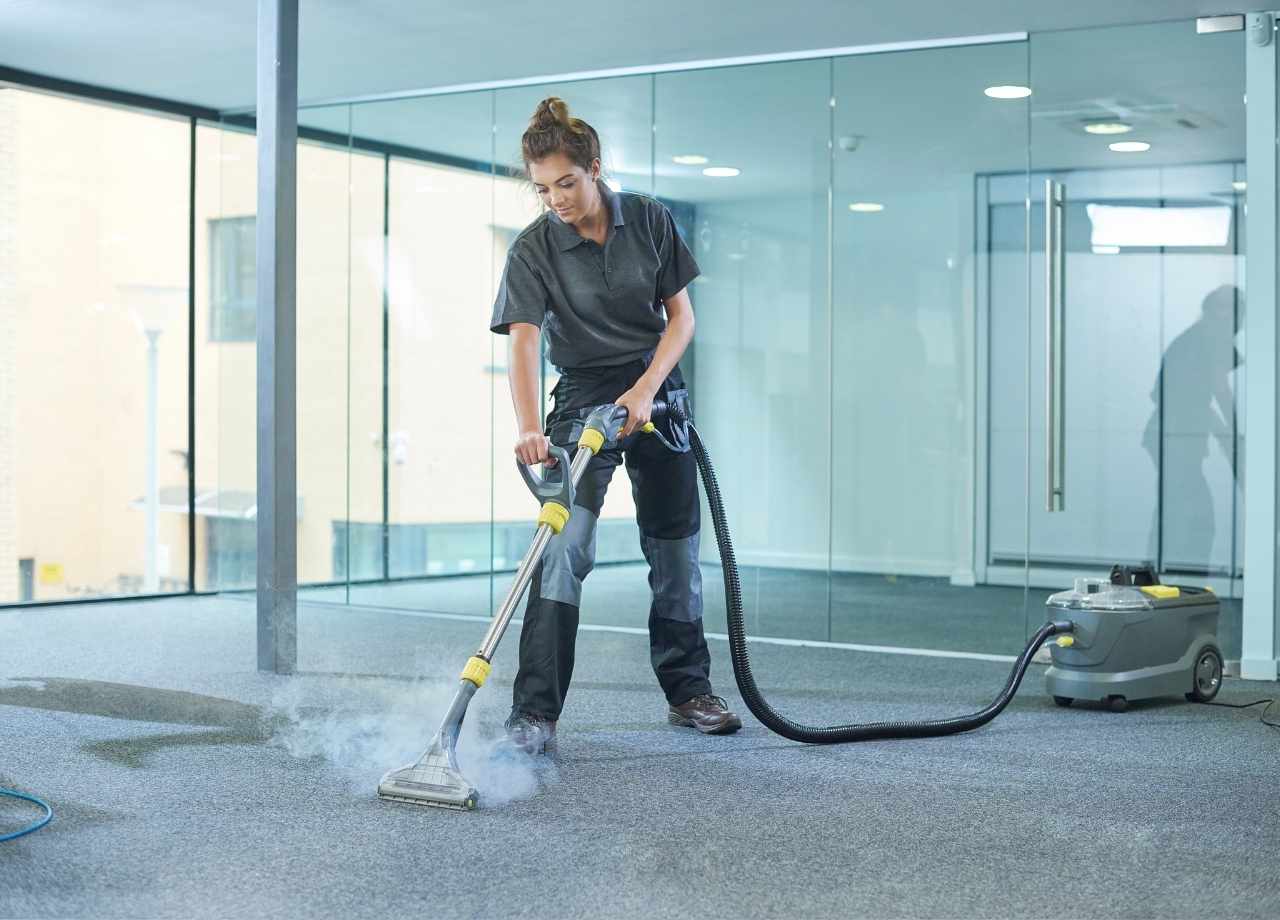
Vacuuming alone cannot remove deeply embedded dirt and oils. Even with daily maintenance, carpets accumulate residues that require professional extraction methods. Hot water extraction (steam cleaning) and low-moisture encapsulation both provide deep cleaning, but each method has its advantages.
- Steam cleaning removes heavy buildup but requires extended drying times, which may not be ideal for busy offices.
- Encapsulation uses a low-moisture formula that crystallizes dirt, allowing it to be vacuumed away after drying. This method provides a quicker turnaround, reducing downtime in active workspaces.
Establishing a deep-cleaning schedule—every six to twelve months, depending on foot traffic—keeps carpets in optimal condition.
Humidity Control Prevents Mold and Mildew
Excess moisture poses a significant risk to office carpets. Improper drying after cleaning or exposure to high humidity levels can lead to mold growth. Indoor humidity should remain between 30% and 50% to prevent microbial development.
Adequate ventilation ensures that carpets dry thoroughly after cleaning. Dehumidifiers help regulate moisture levels in humid environments, while proper airflow from HVAC systems prevents damp conditions. Offices with frequent spills should invest in fast-drying carpet solutions to minimize moisture retention.
High-Traffic Zones Need Extra Protection
Some sections of an office receive more foot traffic than others. Hallways, reception areas, and break rooms experience heavier wear, leading to visible fading and matting. Protective runners in these spaces reduce direct contact between shoes and carpet fibers, slowing down the deterioration process.
Tracking foot traffic patterns allows for proactive solutions, such as rotating rugs or adjusting floor layouts to distribute movement more evenly. High-traffic areas should be vacuumed more frequently than other sections to prevent dirt from becoming embedded.
Proper Cleaning Products Preserve Carpet Integrity
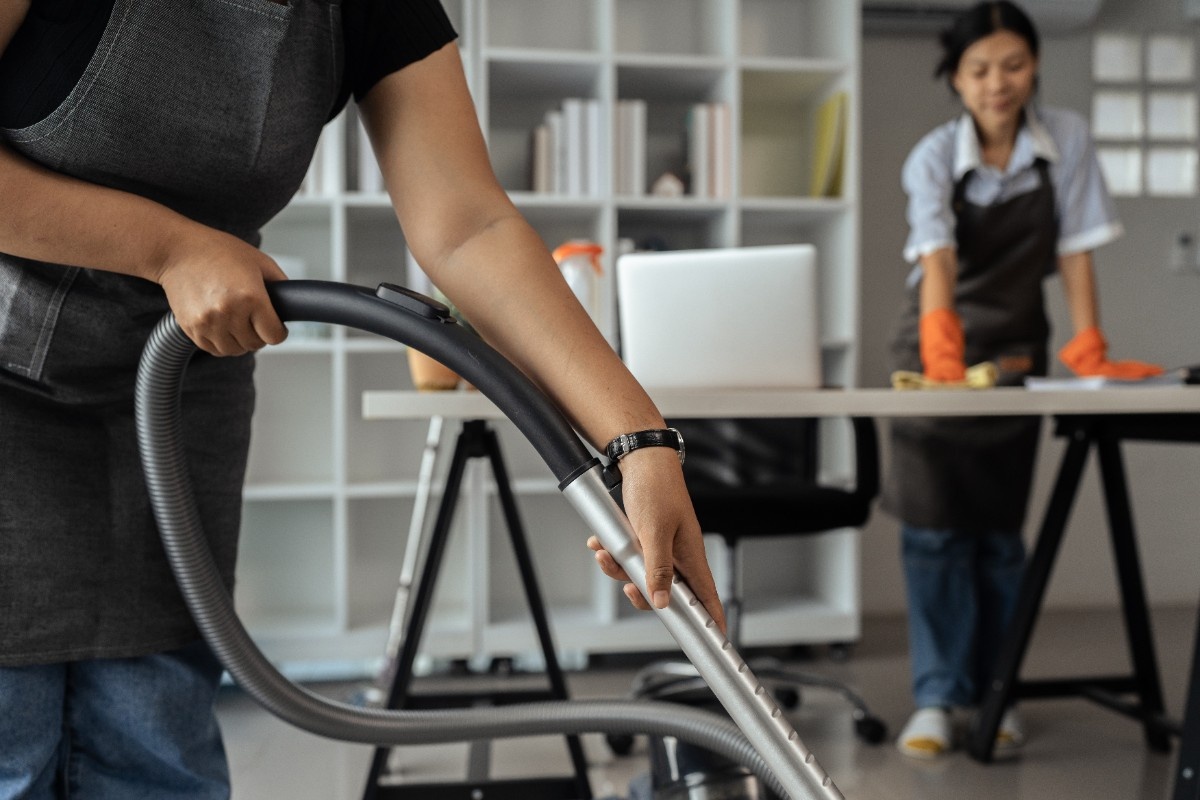
Using the wrong cleaning solutions can do more harm than good. Harsh chemicals break down carpet fibers and leave residues that attract more dirt. A neutral-pH cleaner provides effective stain removal without compromising material integrity. Overuse of soap-based products leads to sticky buildup, which accelerates re-soiling.
Spot testing new products on an inconspicuous area ensures they won’t cause discoloration or damage. Offices with different carpet types should verify compatibility before applying any cleaning solution across large sections. Selecting a cleaner that leaves no residue keeps carpets fresh longer between professional treatments.
Regular Inspections Identify Issues Early
Carpet damage often goes unnoticed until it becomes severe. Frayed edges, loose seams, and worn-out fibers develop gradually, making early detection crucial. Routine inspections help catch minor issues before they escalate into costly replacements.
Maintenance staff should walk through office spaces weekly to identify problem areas. Addressing small tears, lifting sections, or early signs of mold prevents long-term damage. Implementing a checklist ensures that no section is overlooked during inspections.
Odor Control Keeps Workspaces Fresh
Carpets trap odors from food, spills, and general office activity. Poor ventilation intensifies these smells, creating an unpleasant work environment. Regular deep cleaning removes odor-causing bacteria, while baking soda applications help neutralize lingering smells.
Air circulation plays a key role in odor management. Keeping vents unblocked and using air purifiers reduces stale smells that settle into carpet fibers. Offices with shared kitchens or break rooms benefit from odor-absorbing materials placed strategically near carpeting.
Proactive Maintenance Saves Money Long Term
Neglecting carpet care leads to premature replacements, which are costly and disruptive. A proactive maintenance strategy extends the lifespan of office carpets, delaying the need for expensive re-carpeting projects.
National Facility Contractors specializes in professional carpet maintenance solutions, ensuring businesses maintain clean, long-lasting office flooring with minimal disruption. By partnering with NFC, companies can eliminate the hassle of coordinating maintenance while keeping their carpets in top condition.
A well-maintained carpet enhances the professional image of an office while contributing to a healthier work environment. Small, consistent actions prevent major issues, keeping floors in top condition for years.
For expert carpet maintenance that extends the life of your office flooring, contact National Facility Contractors today. Let our team handle the details so you can focus on running your business.