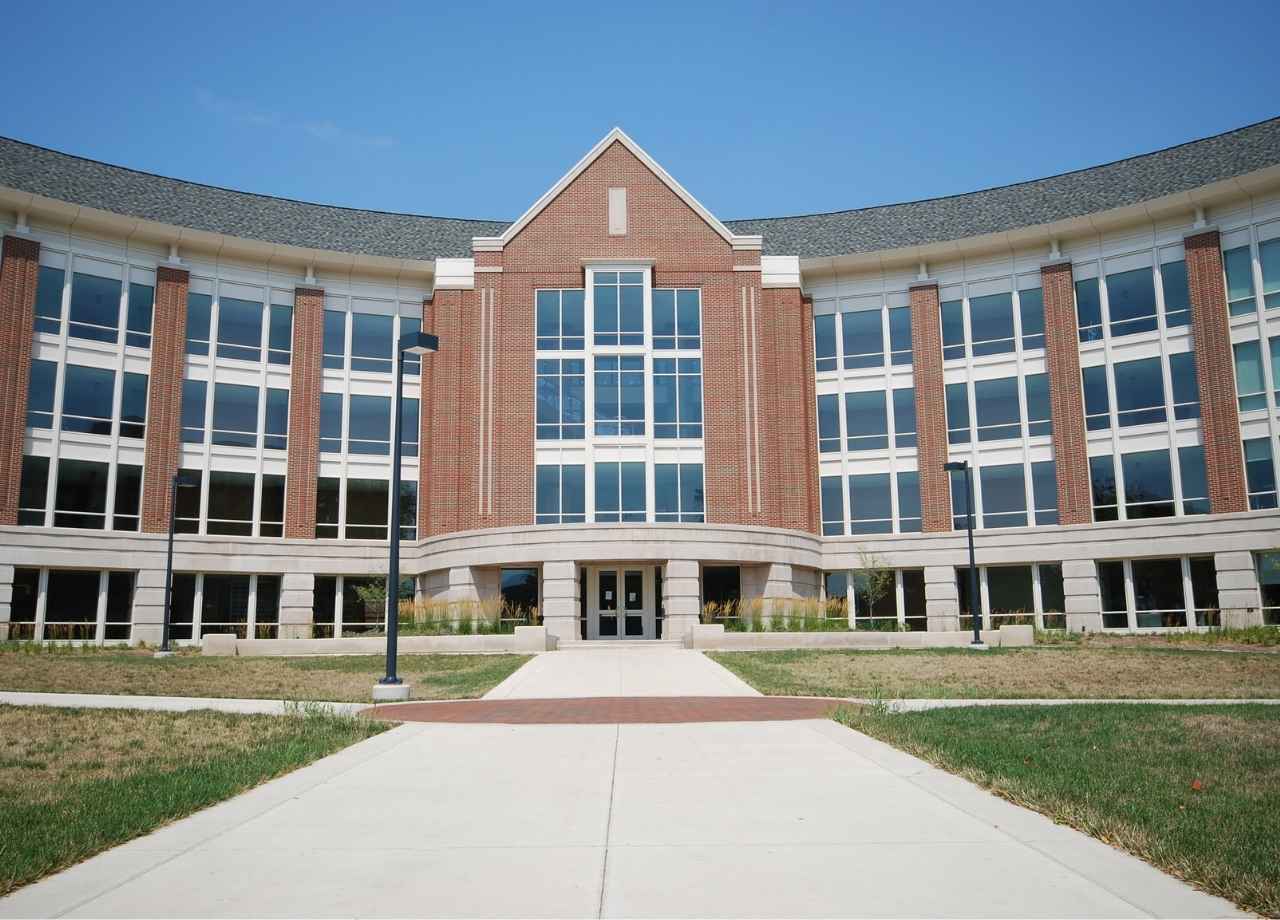
College campuses are more than academic spaces. They serve as living environments, recruiting tools, event venues, and public-facing institutions. Landscaping plays a vital role in shaping how a campus functions and how it’s perceived. For contractors and facilities managers, commercial landscaping for colleges involves more than curb appeal — it’s about creating landscapes that are durable, easy to maintain, and aligned with the institution’s goals.
This guide covers the planning, design, and long-term upkeep strategies that drive effective commercial landscaping in college settings.
Understanding the Demands of College Campus Landscapes
Unlike corporate campuses or retail centers, colleges serve a diverse and shifting population. Foot traffic fluctuates throughout the day. Seasonal events bring crowds. Weather patterns can be extreme, especially in northern or coastal states. Students congregate on lawns, paths, plazas, and green spaces that need to remain clean, safe, and visually organized despite near-constant use.
Landscaping on a college campus must also balance aesthetics with infrastructure. Trees provide shade, but they can’t interfere with lighting or building visibility. Plant beds need to support pollinators and native species without attracting pests or increasing maintenance costs. Hardscape must handle high traffic loads, including delivery carts, emergency vehicles, and bikes.
Every part of the outdoor environment has to perform reliably while contributing to the campus brand, safety standards, and accessibility regulations.
Core Elements of College Campus Landscaping
Pedestrian Flow and Open Space Design
Colleges often function as semi-public spaces. Students, faculty, staff, and visitors all use pathways and green areas for movement, gathering, and recreation. The layout of walkways, plazas, and lawn areas must support both high-traffic zones and quiet places for study or rest. Durable paving materials, effective drainage, and ADA-compliant transitions are essential for long-term use.
Landscape Planting Strategy
Seasonal interest is important, but not at the cost of long-term maintenance. Landscape designs typically prioritize native or adaptive plantings, which offer resilience, lower water use, and fewer disease issues. Evergreen shrubs, shade trees with strong structure, and hardy perennials create visual stability and simplify seasonal transitions. Turf areas should be located strategically — not every open area needs grass.
Lighting Integration
Security lighting and landscape design must work together. Trees should be placed so they do not block pathway lighting or create hidden areas. Uplighting may be used for architectural features or specimen trees, but fixtures need to be shielded and vandal-resistant.
Signage and Wayfinding Compatibility
Landscaping should not obscure directional signage, building markers, or emergency wayfinding. Shrubs and ornamental grasses should be placed with clear sightlines in mind, especially near campus entrances and traffic crossings.
Stormwater and Drainage Management
Campuses must manage water flow across large paved and planted areas. Grading, permeable surfaces, bioswales, and retention areas can reduce runoff, prevent erosion, and minimize pressure on local drainage systems. Properly installed drainage infrastructure also preserves hardscape longevity and prevents slip hazards in cold months.
Maintenance Access and Operational Zones
Crews need access to landscape beds, irrigation systems, and lighting infrastructure without damaging plants or surfaces. This means incorporating service routes and material staging areas into the design — not as afterthoughts, but as integral parts of the plan.
Maintenance Planning: Where Strategy Matters
Commercial landscaping on a college campus can’t afford downtime. Routine upkeep must be built into the landscape itself. Materials are selected not just for beauty, but for ease of replacement. Trees are chosen with long-term clearance and structure in mind. Mulches and ground covers are used to reduce weeding and watering demands.

Many campuses divide landscaping into zones: high-visibility areas like entrances and quad spaces receive more frequent attention, while peripheral areas are designed to be more self-sustaining. Smart irrigation systems, mulching strategies, and plant grouping by water needs all support this tiered maintenance model.
Seasonal transition planning is also critical. Fall cleanup, winter hardening, and spring planting must be scheduled around academic calendars and major events.
Safety and Liability Considerations
Landscaping has a direct impact on campus safety. Overgrown shrubs can block surveillance cameras or create hiding spots. Poorly maintained walkways lead to trip hazards. Icy patches near building entries caused by bad grading or compacted soil increase risk.
By working with landscape professionals who understand liability exposure in institutional settings, colleges can proactively reduce hazards. Plant placement, soil compaction control, and traffic management are as much about safety as they are about aesthetics.
Sustainability and Campus Identity
Sustainability goals influence every part of campus planning. Many colleges now include green infrastructure, pollinator-friendly plantings, and water-conserving landscapes as part of their environmental commitments. Landscape contractors working in these settings are often expected to follow LEED, SITES, or other certification guidelines, even on smaller projects.
At the same time, landscaping reflects the college’s identity. It serves as a backdrop for photos, tours, and ceremonies. The visual consistency of plantings, materials, and signage contributes to the professionalism and cohesion of the campus brand.
Key Takeaways for Contractors and Campus Managers
The most successful campus landscapes are designed to work hard — every bed, pathway, and planting area must serve multiple purposes. Aesthetic value is important, but it’s just one part of the equation. Durability, safety, and ease of maintenance matter more in the long run.
Contractors bidding on campus work should be ready to provide:
- Site-appropriate plant selections with proven performance in institutional settings
- Hardscape designs built for ADA compliance and heavy foot traffic
- Scalable maintenance strategies that account for seasonal variation
- Integration of safety and security considerations into every part of the layout
- Detailed drainage plans that align with municipal or state stormwater standards
Commercial landscaping for colleges is about creating spaces that function smoothly, stay clean and safe, and reflect the institution’s identity. It requires a practical understanding of design, operations, and stakeholder needs — from the grounds crew to the admissions office.
The right landscape decisions don’t just improve how a campus looks. They improve how it works.